Side-by-Side Cognitive Profiles
The Cosmic Pet Pet IQ Lab provides a detailed look into the cognitive dimensions of each breed, moving beyond general perceptions to specific aptitudes. Understanding these nuanced profiles is key to appreciating their individual capacities.
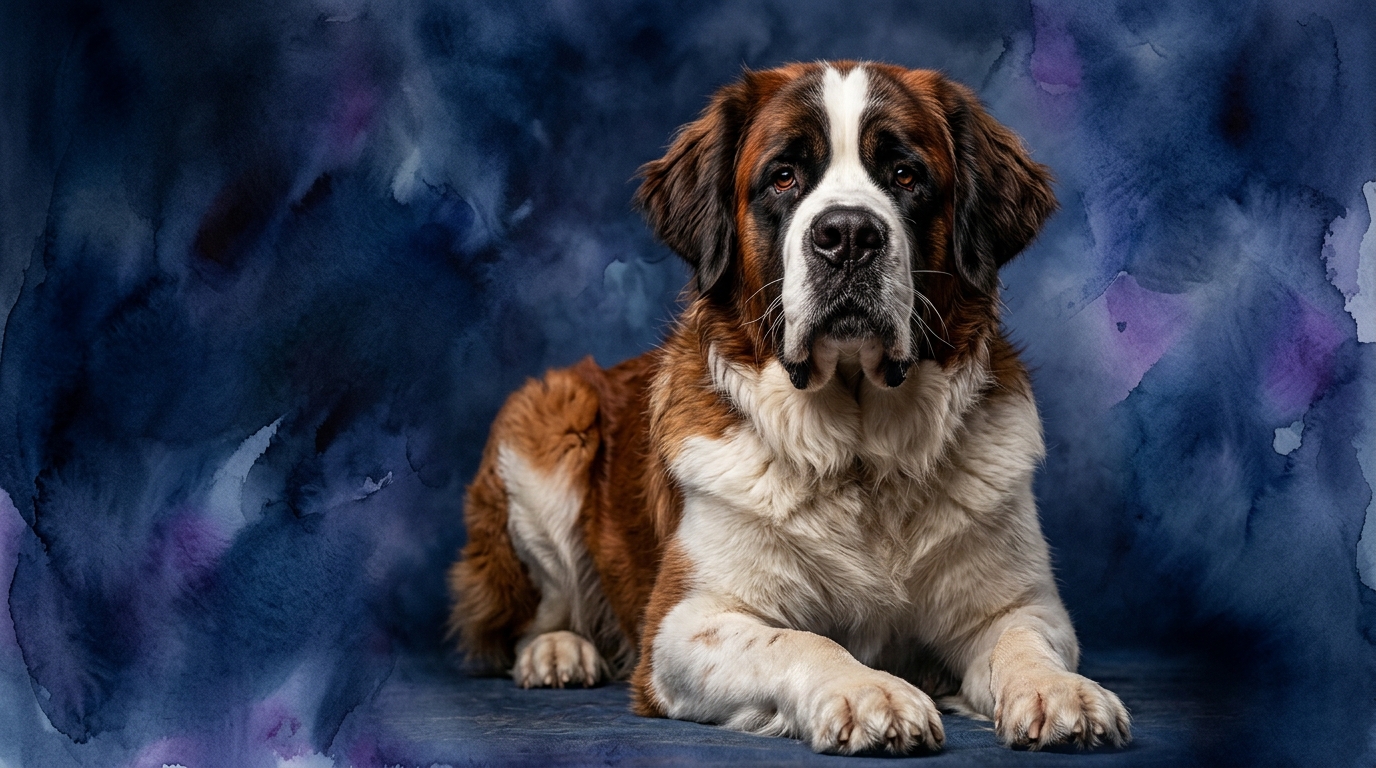
The Saint Bernard, with a Coren rank of #65, displays a distinctive set of cognitive attributes. Their Problem Solving is rated 3/5, indicating an ability to find practical solutions to immediate, concrete challenges, often relying on their physical presence and persistence rather than intricate strategic planning. Training Speed for the Saint Bernard is 2/5; acquiring new commands or routines typically requires more repetition and patience, as they prefer established patterns and a consistent, calm teaching approach. Where they truly shine is in Social Intelligence, scoring 4/5; these dogs demonstrate a profound capacity for understanding human emotions and social cues, making them deeply empathetic companions adept at forming strong bonds. Their Instinctive Drive is exceptionally high at 5/5, manifesting as a powerful inclination to guard their family and territory, historically driven by an urge to locate and aid those in distress. Memory is functional at 3/5, sufficient for important people, places, and routines, but perhaps not for complex sequences or less frequent commands.
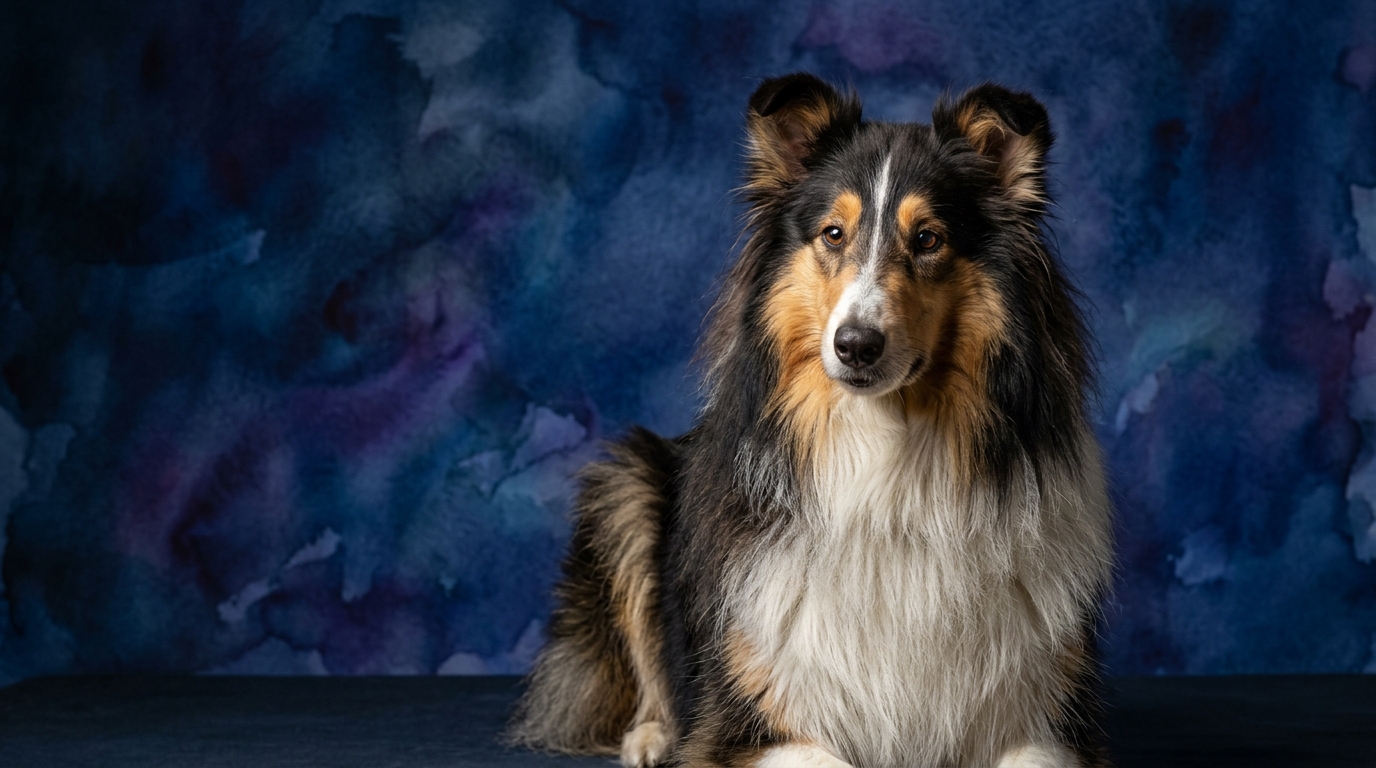
In contrast, the Collie (Rough), holding a much higher Coren rank of #16, presents a different cognitive landscape. Their Problem Solving capability is 4/5, showing a good capacity for analytical thinking and often assessing situations before acting, enabling them to navigate complex environments or multi-step tasks. Training Speed is 4/5, meaning these dogs are generally quick learners, picking up new commands and routines with fewer repetitions thanks to their eagerness to please and focus. Social Intelligence is 3/5; while affectionate with their families, Rough Collies can be more reserved or discerning with strangers, with their social understanding primarily geared towards their immediate pack. Their Instinctive Drive is 3/5, with herding instincts present but often tempered, manifesting as a desire to keep their "flock" (family) together through vigilance. A standout attribute is their Memory, rated 5/5; Rough Collies possess an exceptional capacity for recall, remembering a wide array of commands, routines, and experiences over long periods, which significantly aids their ability to perform complex tasks and retain elaborate training.
Where the Saint Bernard Excels Cognitively
The Saint Bernard's cognitive strengths lie profoundly in areas that foster deep companionship and protective instincts. Their superior Social Intelligence (4/5) means they possess a remarkable ability to read and respond to human emotions. This makes them incredibly empathetic companions, often sensing distress or joy in their family members with an intuitive accuracy. Their capacity for forming deep, almost telepathic bonds allows them to integrate seamlessly into family life, acting as a comforting and understanding presence.
Furthermore, their Instinctive Drive (5/5) is unparalleled, particularly their historical inclination for rescue and protection. This isn't just a generic watchfulness; it's a deep-seated urge to aid and guard, making them naturally vigilant and dedicated guardians of their family and home. This powerful drive means they are inherently motivated to keep their loved ones safe, often acting on instinct in perceived moments of need without extensive training. Their cognitive framework supports a role as a steadfast, gentle giant with an unwavering commitment to their human companions.
Where the Collie (Rough) Shines Cognitively
The Collie (Rough) demonstrates a superior aptitude in cognitive areas centered around learning and adaptable problem-solving. Their Problem Solving ability (4/5) means they often approach new situations with a degree of analytical thought. They can process information efficiently and devise effective strategies for navigating challenges, whether it's figuring out how to open a gate or understanding a multi-step command sequence. Their cognitive flexibility allows them to adapt and learn from new experiences readily, making them adept at navigating novel situations.
Their Training Speed (4/5) is a significant advantage, as Rough Collies typically absorb new commands and behaviors with impressive rapidity. This quick uptake stems from a combination of attentiveness, a strong desire to cooperate, and the capacity to link actions with desired outcomes quickly. This makes them highly rewarding for owners who enjoy engaging in various forms of dog sports, advanced obedience, or complex task training, as they respond eagerly to consistent instruction.
The Memory of a Rough Collie is outstanding (5/5), allowing them to retain a vast repertoire of learned behaviors, commands, and experiences over extended periods. This robust recall is crucial for consistent obedience, the performance of complex tasks, and even remembering specific individuals or routines they haven't encountered recently. Their ability to store and retrieve information reliably supports their high trainability and their capacity to perform intricate sequences of commands with precision.
Trainability: Saint Bernard vs. Collie (Rough)
When considering ease of training, the Collie (Rough) generally holds an advantage due to its higher scores in Training Speed (4/5) and Memory (5/5), complemented by a strong Problem Solving ability (4/5). They quickly grasp new concepts and retain them, making the training process efficient and enjoyable. Their eagerness to please, combined with their cognitive strengths, means they often require fewer repetitions and respond well to positive reinforcement. For instance, teaching a Rough Collie a new trick might involve just a few sessions before they perform it consistently, showing a clear understanding of the desired action and its reward.
In contrast, the Saint Bernard, with a Training Speed of 2/5 and Memory of 3/5, requires significantly more patience and consistency. While not untrainable, their learning curve is slower, and they may need extensive repetition to solidify commands. Their strong instinctive drive (5/5) means they can sometimes be more focused on their environmental observations or protective urges than on learning a new command. For example, teaching a Saint Bernard to "stay" in a distracting environment might take weeks of consistent, calm practice, whereas a Rough Collie might master it in days. Owners need to understand that a Saint Bernard's training is a marathon, not a sprint, focusing on clear, simple instructions and unwavering consistency to build reliable behaviors over time.
Suitability for Active vs. Relaxed Owners
The Collie (Rough) generally suits more active owners who enjoy engaging in mental and physical activities with their canine companion. Their higher problem-solving aptitude and training speed mean they thrive on structured activities like obedience trials, agility, or even herding games that provide consistent mental stimulation. While not hyperactive, they benefit from regular, moderate exercise and intellectual engagement to prevent boredom and channel their herding instincts productively. An owner who enjoys teaching new tricks, participating in dog sports, or engaging in prolonged, interactive play sessions would find a Rough Collie a rewarding and responsive partner.
Conversely, the Saint Bernard is better suited for more relaxed owners who appreciate a calm, steadfast presence and are prepared for a slower pace in terms of training and daily activity. Their lower training speed and higher instinctive drive for guarding mean they are less inclined towards high-intensity dog sports, preferring comfortable companionship and watchful observation. While they need regular, moderate exercise to maintain their health, they are not dogs that demand constant high-energy engagement. Owners who value an empathetic, protective, and generally laid-back companion, and are patient with their learning process, will find a Saint Bernard a deeply satisfying family member. Their social intelligence means they enjoy being an integral part of family life without needing to be the constant center of high-octane action.
The Verdict
Choose a Saint Bernard if you seek a deeply empathetic, protective companion with a calm demeanor, valuing steadfast loyalty and a slower, more deliberate pace of learning.
Opt for a Collie (Rough) if you desire a quick-witted, highly trainable dog that excels in learning complex tasks and thrives on consistent mental and physical engagement.
🧠 Find Your Pet's IQ Score
Our Pet IQ Lab assessment covers 25+ tests across 5 cognitive dimensions — personalized to your breed.
Take the Full IQ Test →Frequently Asked Questions
Are Saint Bernards difficult to train?
Saint Bernards are not difficult in the sense of being unwilling, but they do have a slower training speed. They require significant patience, consistency, and positive reinforcement, often needing more repetitions than other breeds to master commands and routines.
Do Rough Collies need a lot of exercise?
Rough Collies need regular, moderate exercise and thrive on mental stimulation. Daily walks, playtime, and engaging in activities like obedience or agility help meet their physical and cognitive needs, preventing boredom and promoting well-being.
Which breed is better with children?
Both breeds can be excellent with children, but in different ways. Saint Bernards, with their high social intelligence, are often gentle giants. Rough Collies are typically patient and watchful, sometimes gently herding children. Supervision is always recommended with any dog and child interaction.