Side-by-Side IQ Profile: Minds Forged by Purpose
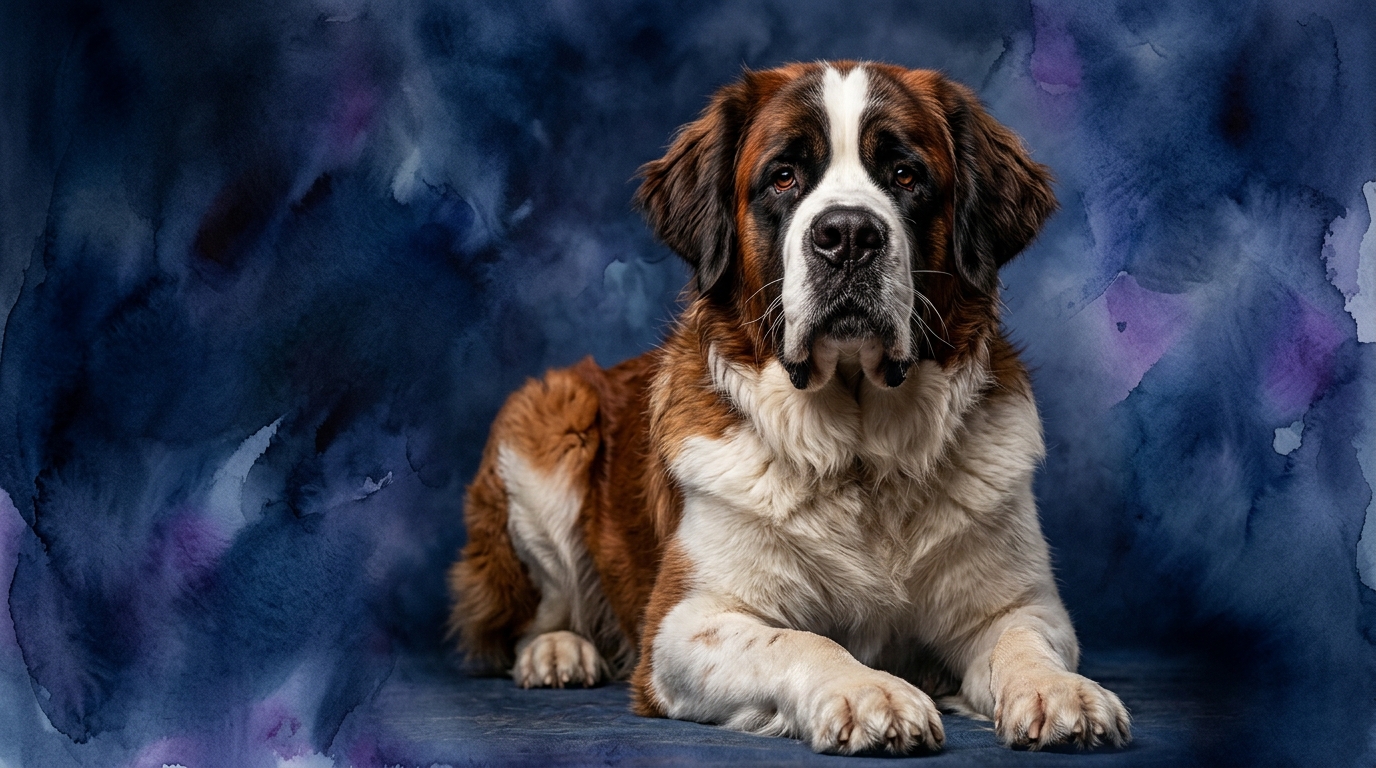
Saint Bernards, with a Problem Solving score of 3/5, demonstrate a practical, methodical approach to challenges, often relying on their strong physical presence, formidable scenting ability, and enduring stamina rather than intricate manipulation. When faced with a task, they tend to be deliberate, assessing the situation before acting. Their Training Speed of 2/5 indicates they learn at a deliberate pace, requiring consistent, patient instruction and numerous repetitions, though once a behavior is truly ingrained, tasks are retained with remarkable reliability. Social Intelligence, at 4/5, highlights their profound capacity for empathy and connection, making them exceptionally attuned to human emotions, body language, and intentions. An Instinctive Drive of 5/5 speaks to their powerful, innate desire to assist and rescue, a legacy of their alpine monastery origins where they saved countless travelers. This drive is a core part of their identity. Memory, at 3/5, suggests a reliable retention of learned behaviors, commands, and positive or negative experiences, solidifying their understanding over time and contributing to their steadfast nature.
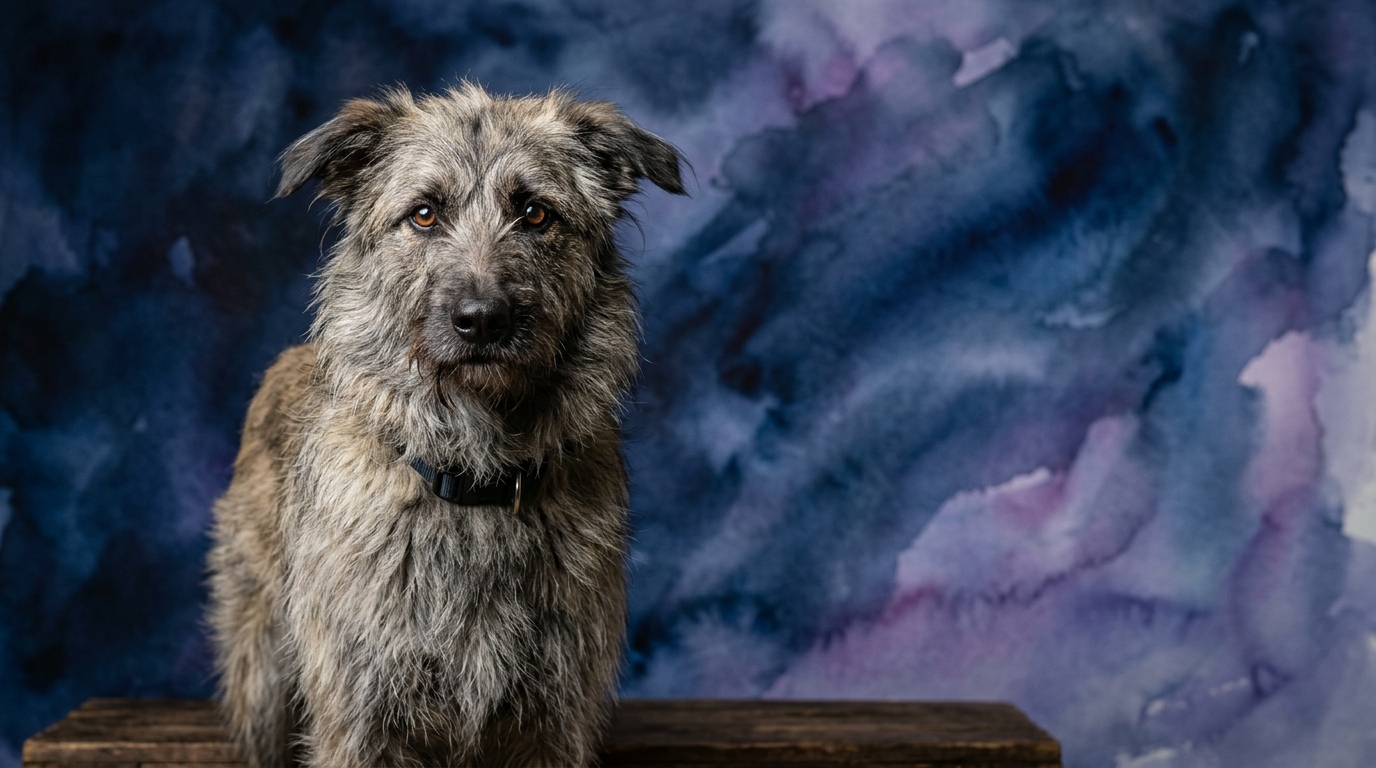
Pyrenean Shepherds, also scoring 3/5 in Problem Solving, exhibit a quick-witted, adaptive intelligence, often finding creative, on-the-fly solutions within dynamic environments, particularly those involving livestock. They excel at assessing situations and making rapid tactical decisions. Their Training Speed of 3/5 signifies a quicker grasp of new commands and concepts than the Saint Bernard, making them generally more responsive to varied and engaging training methodologies that prevent boredom. Social Intelligence, at 3/5, indicates a good capacity for understanding social cues and forming bonds, though perhaps with a more independent and discerning streak compared to the deeply people-focused Saint Bernard. An Instinctive Drive of 3/5 reflects their strong herding impulses, driving them to manage, gather, and protect, yet it's a drive that can be channeled and modified more readily through training than the Saint Bernard's intense rescue instinct. Memory, like the Saint Bernard, scores 3/5, enabling them to recall complex patterns, sequences of commands, and the individual characteristics of their charges, essential for their demanding work.
Where the Saint Bernard Cognitively Excels
The Saint Bernard truly shines in its profound social intelligence and unparalleled instinctive drive, scoring 4/5 and 5/5 respectively. This breed possesses an innate ability to read and respond to human distress, a trait honed over centuries of rescue work in the treacherous Alps, where they were often the first responders to lost travelers. Their cognitive strength lies not in rapid-fire problem-solving or quick obedience, but in their capacity for deep empathetic connection and an unwavering, selfless drive to aid. When faced with a person in peril, their powerful instinct to locate, comfort, and guide is activated, demonstrating a complex blend of perception, perseverance, and intrinsic motivation that few breeds can match. This isn't just about following commands; it's about an internal compass directing them towards a vital, life-saving purpose, often requiring independent judgment and profound patience in high-stakes situations where human input might be limited or impossible. Their superior social intelligence also allows them to form incredibly strong, understanding bonds, making them exceptionally sensitive companions who can anticipate needs and offer profound emotional support simply through their presence.
Where the Pyrenean Shepherd Cognitively Excels
The Pyrenean Shepherd's cognitive strengths are rooted in its agility of thought and its practical application of problem-solving within a dynamic environment, reflected in its 3/5 scores for both problem solving and instinctive drive. While its problem-solving score matches the Saint Bernard, the nature of that problem-solving differs significantly. The Pyrenean Shepherd excels at quick, on-the-spot decisions required for managing a moving flock, often anticipating livestock behavior, identifying escape routes, and adjusting its approach instantaneously. This involves sophisticated spatial reasoning, rapid assessment of changing variables, and the ability to work semi-autonomously, making judgments without constant human direction. Its slightly higher training speed (3/5) also gives it a significant edge in adaptability, allowing it to pick up new tasks and cues more readily, which is crucial for a breed expected to respond to varied commands in complex, fast-paced herding scenarios. This quickness translates into a dog that can learn complex sequences of actions and apply them flexibly, often with a creative flair, a hallmark of its intelligent working style.
Which is Easier to Train and Why
When evaluating ease of training, the Pyrenean Shepherd generally presents a more straightforward and engaging path for the dedicated owner due to its Training Speed score of 3/5, compared to the Saint Bernard's 2/5. The Pyrenean Shepherd's quickness to grasp new concepts means it often requires fewer repetitions and can maintain interest in varied, stimulating training exercises more effectively. Their herding background means they are accustomed to working in partnership, albeit with a degree of independent thought, and respond well to consistent, engaging training that channels their abundant mental and physical energy. They thrive on having a job to do and can quickly become bored or mischievous if not adequately challenged with tasks that require their cognitive input. Their responsiveness and desire to engage make them rewarding pupils for those who enjoy teaching complex sequences and tricks.
The Saint Bernard, while ultimately trainable to a high degree, demands a much higher degree of patience, consistency, and a calm, reassuring approach from its handler. Their slower training speed means that lessons need to be broken down into smaller, more manageable steps, with ample positive reinforcement and repetition over an extended period. What they lack in rapid acquisition, they often make up for in reliable retention once a behavior is truly learned and understood. Their high social intelligence means they are eager to please their beloved humans, but their sheer size and lower training speed mean that early, consistent, and positive training, especially for basic manners, impulse control, and leash work, is absolutely crucial. Without it, a well-meaning but untrained giant can become challenging to manage. Their motivation often stems from deep affection and a desire to cooperate rather than a need for constant mental puzzles or fast-paced rewards.
Which Suits Active Owners vs. Relaxed Owners
For the truly active owner seeking a canine partner for demanding adventures, competitive dog sports, or a consistent "job," the Pyrenean Shepherd is undoubtedly the more suitable choice. Its robust physical stamina, combined with its quick mental processing and relatively higher training speed, means it thrives on consistent, challenging activity and complex mental stimulation. Owners who enjoy long-distance hiking, agility, competitive obedience trials, or even continued herding work will find a willing, capable, and enthusiastic companion in the Pyrenean Shepherd. This breed requires an owner who can commit to daily rigorous exercise, often involving bursts of speed and mental engagement, and provide ample opportunities for problem-solving to prevent boredom and potential behavioral issues rooted in unspent energy. They are not content to be mere couch potatoes and will actively seek engagement and purpose.
Conversely, the Saint Bernard is a far better match for relaxed owners who appreciate a calm, steady presence and are prepared for a more deliberate pace of life. While they certainly need regular, moderate exercise to maintain their health and prevent obesity, they are not built for intense, prolonged activity or high-impact sports. Their immense size and lower training speed mean they benefit from a predictable routine and a home environment where their gentle, affectionate nature can flourish without constant demands for mental gymnastics. They are content with leisurely walks, extended periods of quiet companionship with their family, and a comfortable spot to observe the household. Owners who value deep, quiet companionship, are prepared for the unique logistical demands of a very large dog, and can offer patient, consistent guidance, will find the Saint Bernard an incredibly rewarding and loving presence.
The Verdict
Choose a Saint Bernard if you seek a profoundly empathetic, steadfast companion with an unwavering loyalty and an innate drive to comfort, and you are prepared for patient, consistent training and a more relaxed daily pace.
Opt for a Pyrenean Shepherd if you desire a quick-witted, agile partner for an active lifestyle, capable of learning rapidly and thriving on mental and physical challenges, and you can provide consistent engagement.
🧠 Find Your Pet's IQ Score
Our Pet IQ Lab assessment covers 25+ tests across 5 cognitive dimensions — personalized to your breed.
Take the Full IQ Test →Frequently Asked Questions
Do Saint Bernards make good therapy dogs given their social intelligence?
Absolutely. Their 4/5 social intelligence score and gentle, patient demeanor make them naturally attuned to human emotions and excellent candidates for therapy work, provided they receive appropriate socialization and training. Their calm presence can be incredibly soothing in various settings.
Can a Pyrenean Shepherd adapt to apartment living if given enough exercise?
While physically capable, a Pyrenean Shepherd's mental needs, including its problem-solving and instinctive drive, make apartment living challenging even with ample exercise. They truly thrive with space to roam and a "job" to do, which is often difficult to replicate in a small living environment without significant, creative effort from the owner.
How does the Saint Bernard's high instinctive drive manifest in a modern home?
In a modern home, their 5/5 instinctive drive often translates into a strong protective instinct for their family, a desire to be involved in household activities, and an intuitive awareness of family members' well-being. While not typically "working" in a rescue capacity, this drive underpins their deep loyalty and watchful nature, making them dedicated guardians of their loved ones.