Side-by-Side Cognitive Profiles: Shiba Inu vs. American Foxhound
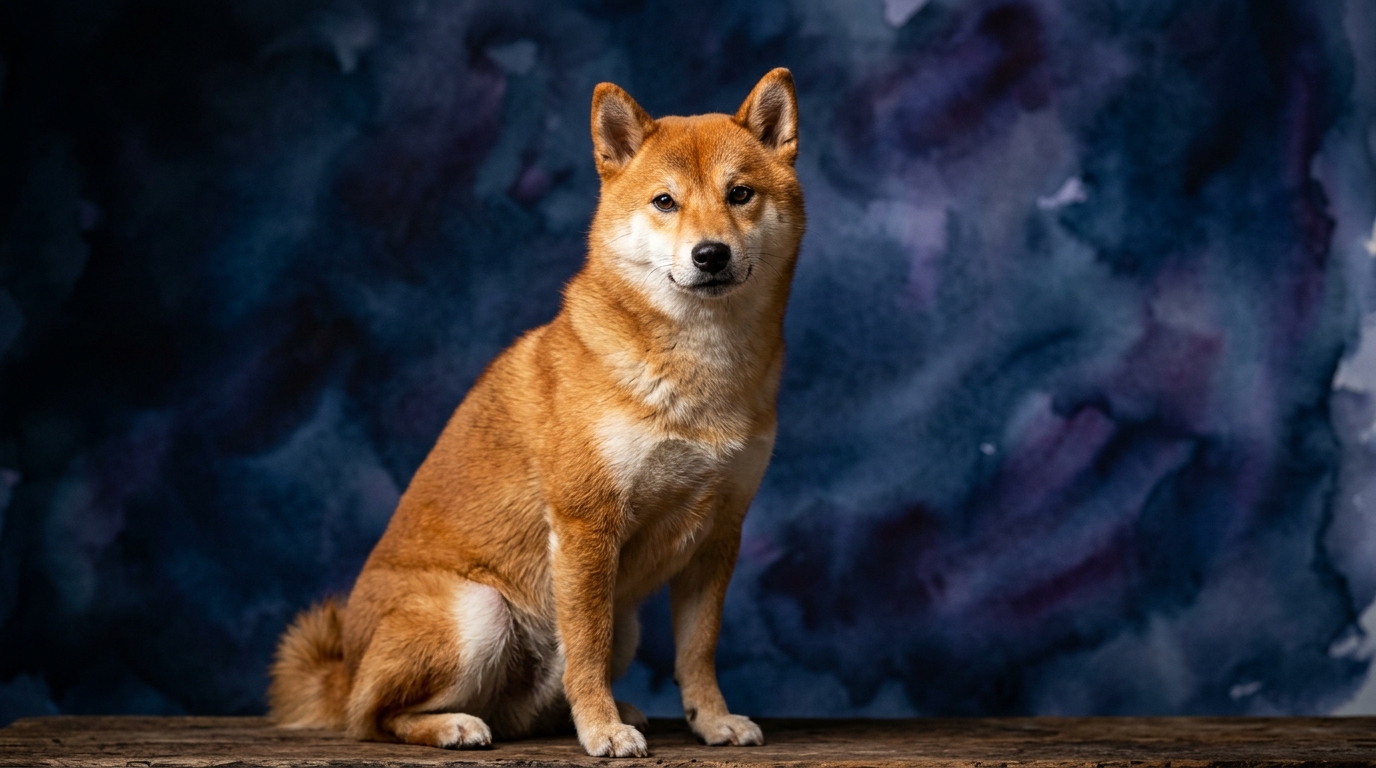
At The Cosmic Pet Pet IQ Lab, we analyze canine cognition across five distinct dimensions, offering a nuanced understanding of each breed's mental landscape. For the Shiba Inu, we observe a problem-solving ability rated at 4/5, indicating a keen capacity to navigate complex situations and often devise independent solutions. Its training speed, however, stands at 2/5, suggesting a more deliberate or selective approach to instruction. Social intelligence for the Shiba Inu is assessed at 3/5, reflecting its discerning nature and strong, albeit sometimes aloof, bonds. A remarkable instinctive drive of 5/5 highlights its deep-seated prey drive and independent spirit, while its memory registers at 4/5, indicating strong recall for experiences and learned patterns.
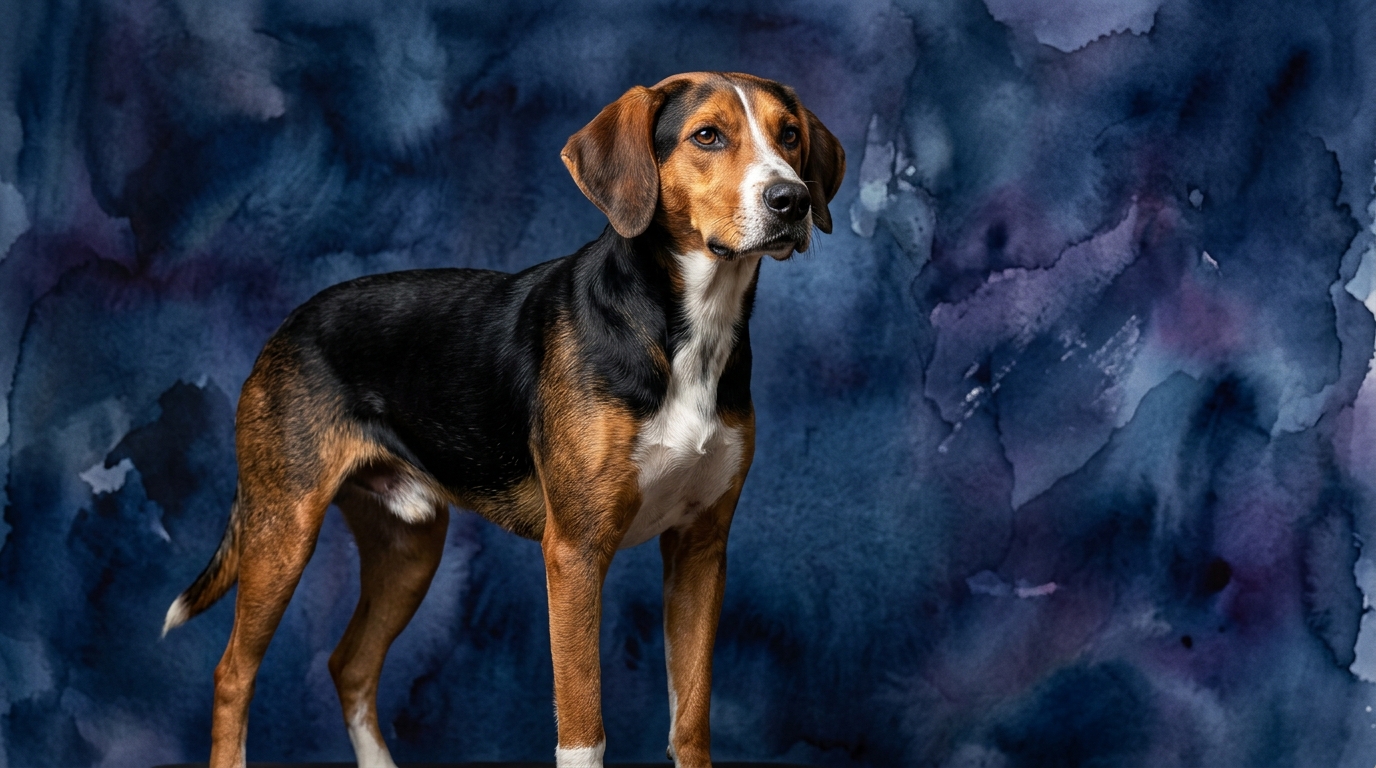
The American Foxhound presents a different cognitive blueprint. Its problem-solving ability is rated 3/5, showing competence in task-oriented challenges, particularly those related to its primary function. Training speed for the Foxhound is 3/5, suggesting a moderate receptiveness to learning and instruction. Social intelligence also scores 3/5, reflecting its inherent pack mentality and generally amiable disposition. Its instinctive drive, crucial for its hunting heritage, is rated 3/5, focusing intensely on scent but perhaps less broadly independent than the Shiba's. Finally, its memory is also rated 3/5, proving sufficient for tracking and retaining commands, albeit without the Shiba's higher capacity for complex recall.
Where the Shiba Inu Excels Cognitively
The Shiba Inu's cognitive strengths shine brightest in areas demanding independent thought and resourceful action. Its 4/5 rating in problem-solving means a Shiba is adept at figuring out how to open gates, navigate complex environments, or even manipulate situations to its advantage. This isn't about simple obedience, but a genuine capacity for inventive solutions. For instance, a Shiba might observe and learn the specific sequence required to unlatch a crate door, rather than simply pawing at it. This breed's formidable 5/5 instinctive drive, while challenging for owners, also fuels its cognitive tenacity, driving it to pursue goals with singular focus, whether that's a squirrel in the park or a desired treat on a high shelf. It uses its problem-solving prowess to satisfy these deep-seated drives.
Furthermore, the Shiba Inu's 4/5 memory contributes significantly to its cognitive edge. It remembers past interactions, successful strategies for obtaining what it wants, and even perceived injustices with remarkable clarity. This strong memory, coupled with its problem-solving skills, allows a Shiba to build upon prior experiences, refining its methods for navigating its world. It's not uncommon for a Shiba to remember a specific hiding spot for a toy or a particular route that leads to an exciting outdoor adventure, demonstrating a cognitive mapping and recall that surpasses the Foxhound's more generalized memory.
Where the American Foxhound Holds Its Own Cognitively
While the American Foxhound's individual scores might not reach the Shiba Inu's peaks in problem-solving or memory, its cognitive profile represents a different kind of strength, particularly in its balanced nature and focused application. Its 3/5 instinctive drive, though lower than the Shiba's, is acutely specialized for sustained scent work, demanding a unique cognitive persistence and discriminatory ability to follow a specific trail amidst countless others. This isn't about varied problem-solving, but about unwavering, single-minded focus over long periods, a cognitive marathon rather than a sprint. A Foxhound's mind is wired for the intricate task of unraveling scent puzzles, a skill that requires significant cognitive effort to interpret and follow complex olfactory information.
The American Foxhound's consistent 3/5 ratings across training speed, social intelligence, and memory suggest a more straightforward and cooperative cognitive disposition compared to the Shiba's often independent and cunning approach. Its social intelligence, while not exceptionally high, is geared towards group cohesion and cooperation within a pack or family unit, making it generally more amenable to social structures. This cognitive balance means it’s less likely to employ its intellect to outmaneuver its owners in the same way a high problem-solving, high-drive Shiba might. The Foxhound's cognitive strengths lie in its endurance, its reliability in its specialized field, and a less challenging application of its intellect in daily cohabitation.
Training Dynamics: Shiba Inu vs. American Foxhound
When it comes to trainability, the American Foxhound generally presents a more straightforward experience than the Shiba Inu. The Foxhound's 3/5 training speed, coupled with a 3/5 social intelligence, means it is typically more receptive to human instruction and more inclined to cooperate. Its inherent pack drive, even if moderated, translates into a desire to work alongside its human companions. While scent distractions can certainly challenge a Foxhound's focus during training, its overall cognitive makeup makes it more willing to engage in repetitive tasks and respond to cues, especially when positive reinforcement is consistently applied. They often enjoy the process of learning and performing tasks that strengthen their bond with their owners.
The Shiba Inu, in contrast, with its 2/5 training speed, demands a far more nuanced and patient approach. Its high problem-solving (4/5) and formidable instinctive drive (5/5) often mean it prioritizes its own agenda. A Shiba may understand a command perfectly but choose to ignore it if it doesn't perceive an immediate benefit or if a more enticing alternative (like exploring a scent or chasing a small animal) presents itself. Their independence isn't stubbornness in the traditional sense, but rather a cognitive preference for self-direction. Training a Shiba requires creativity, high-value rewards, and a deep understanding of canine motivation, as they are likely to use their intelligence to find loopholes or test boundaries rather than simply comply.
Matching Breeds to Lifestyles: Active vs. Relaxed Owners
For owners with an active lifestyle, both breeds require significant engagement, but in different ways. An owner who enjoys long, invigorating hikes, scent work, or even competitive tracking would find a wonderful companion in the American Foxhound. Its 3/5 instinctive drive, while not as extreme as the Shiba's, is geared towards endurance and focused activity, making it an excellent partner for sustained outdoor adventures. These dogs thrive when given a 'job' that utilizes their impressive noses and require consistent physical exercise to remain content. Their moderate social intelligence also means they generally enjoy being a part of family activities.
The Shiba Inu also suits an active owner, but one who is prepared for a different kind of engagement. Their 5/5 instinctive drive and 4/5 problem-solving mean they need significant mental stimulation alongside physical exercise. This might involve complex puzzle toys, advanced obedience training (which becomes a mental challenge rather than a simple task), or agility courses that tap into their cunning. A Shiba is not a dog for a truly relaxed, sedentary owner; their high drives and independent nature can lead to destructive behaviors if their cognitive and physical needs are not met. They require an owner who appreciates a challenge and is committed to consistent, engaging interaction, understanding that their 'activity' often involves outsmarting their environment rather than simply running.
The Verdict
Choose a Shiba Inu if you are an experienced owner who values an independent, cunning companion and are prepared to engage a highly intelligent dog with consistent mental challenges and a unique training approach.
Opt for an American Foxhound if you seek a persistent, amiable companion for outdoor adventures and scent-focused activities, appreciating a dog with a more cooperative, albeit moderately driven, cognitive profile.
🧠 Find Your Pet's IQ Score
Our Pet IQ Lab assessment covers 25+ tests across 5 cognitive dimensions — personalized to your breed.
Take the Full IQ Test →Frequently Asked Questions
Are Shiba Inus truly stubborn, or is it a cognitive trait?
The Shiba Inu's perceived 'stubbornness' is more accurately described as a manifestation of its high problem-solving ability (4/5) and formidable instinctive drive (5/5). They are not simply refusing to obey; they are often independently assessing situations and choosing actions that align with their own strong internal motivations, rather than blindly following commands.
How does the American Foxhound's memory function differently from the Shiba Inu's?
The American Foxhound's memory (3/5) is highly efficient for its specialized tasks, particularly remembering complex scent trails and learned hunting commands over long periods. In contrast, the Shiba Inu's memory (4/5) tends to be more generalized, recalling intricate sequences, past experiences, and social interactions with a broader application, making it adept at learning and adapting from a wider range of situations.
Can an American Foxhound live happily in an apartment, given its cognitive profile?
While an American Foxhound's moderate social intelligence (3/5) makes it adaptable to family life, its instinctive drive (3/5) for sustained activity and scent work means apartment living can be challenging. It requires significant daily exercise and mental stimulation, such as long walks or scent games, to prevent boredom and ensure its cognitive and physical needs are adequately met.