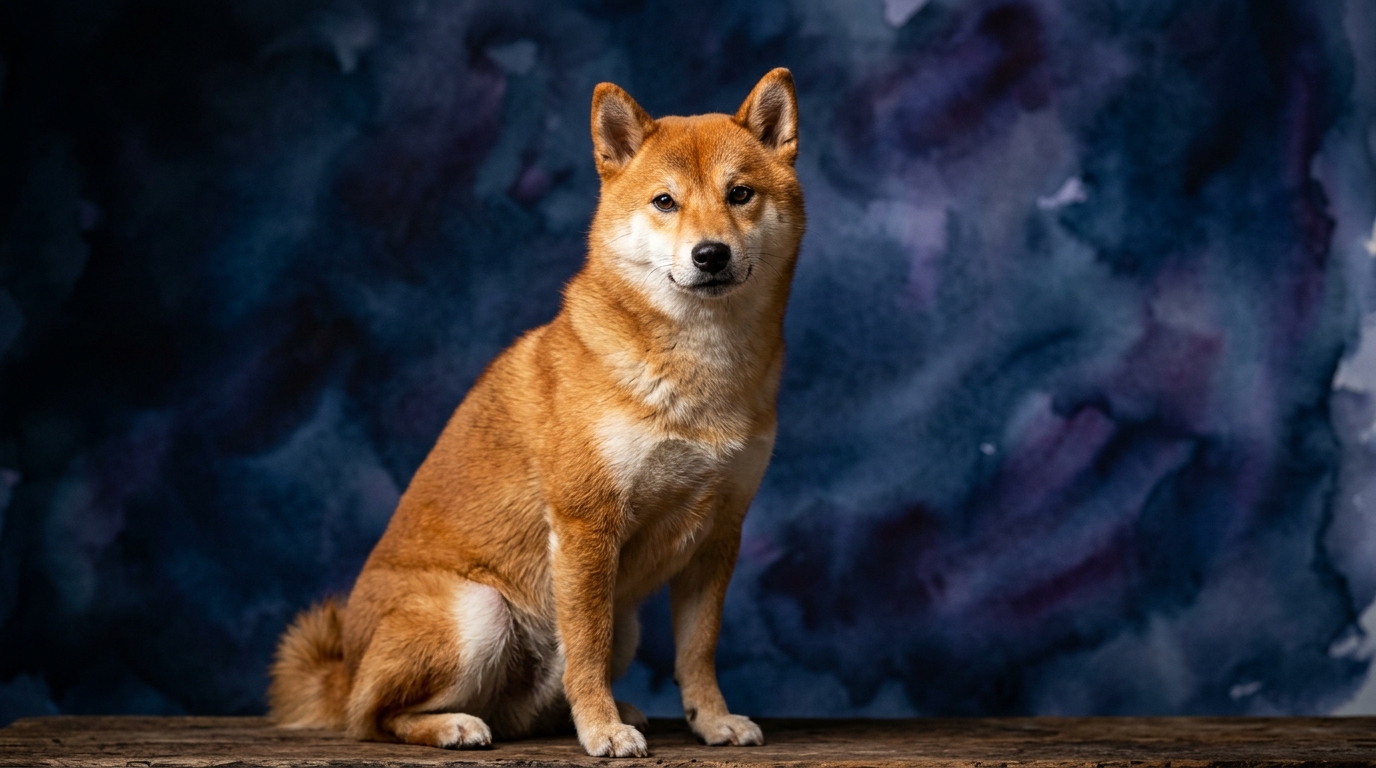
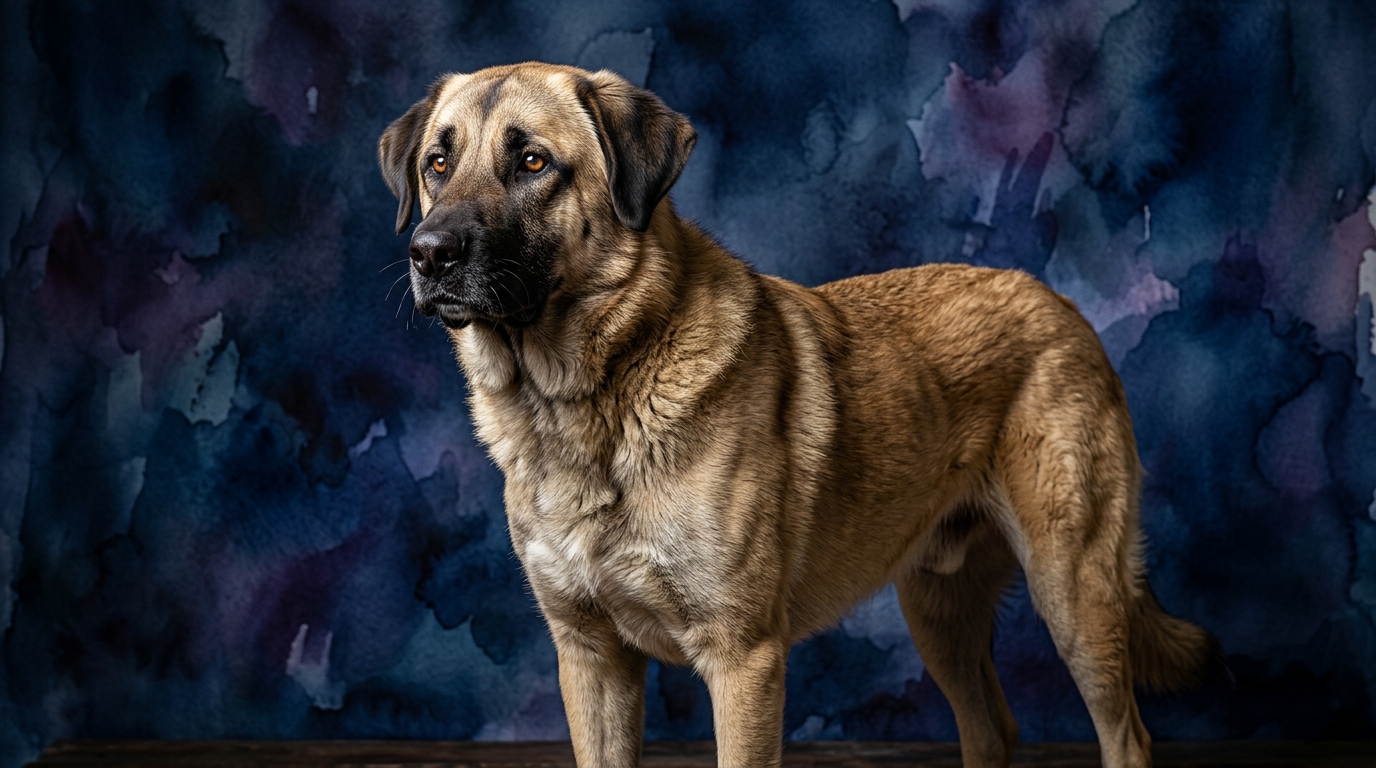
Side-by-side IQ Profile: Shiba Inu vs. Anatolian Shepherd Dog
The Shiba Inu, a breed often described as cat-like in its independence, exhibits a unique cognitive blueprint. Its Problem Solving is rated at 4/5, indicating a strong capacity for independent thought and clever strategies to achieve desired outcomes. Training Speed, however, stands at a challenging 2/5, reflecting their strong will and selective compliance. Social Intelligence is a moderate 3/5, as they form strong bonds but can be reserved with strangers. A very high Instinctive Drive of 5/5 fuels their exploratory nature and prey drive, while their Memory at 4/5 ensures they retain both lessons and past successful antics.
In contrast, the Anatolian Shepherd Dog, a formidable livestock guardian, presents a more balanced cognitive profile. Their Problem Solving is 3/5, suggesting practical intelligence geared towards their role, rather than abstract puzzles. Training Speed is a moderate 3/5, indicating a reasonable willingness to learn and respond to consistent guidance. Social Intelligence also scores 3/5, showing a watchful, discerning approach to interactions, forming deep family bonds but remaining aloof with outsiders. Their Instinctive Drive is 3/5, primarily focused on guarding and protection, not high prey drive or wanderlust. Finally, their Memory is 3/5, sufficient for retaining training and routines essential to their duties.
Where the Shiba Inu Wins Cognitively
The Shiba Inu clearly excels in problem-solving and memory. Their 4/5 problem-solving score signifies a breed adept at navigating complex situations and devising creative solutions, often to their own benefit. This isn't about following commands, but about independent thought and strategic thinking, like figuring out how to open a gate or access a forbidden treat. Coupled with a 4/5 memory, they not only solve problems but remember the successful strategies, making them persistent and often challenging companions who learn from experience, both good and bad. Their very high instinctive drive (5/5) also means they are strongly motivated by their internal urges, which, while sometimes making them difficult to manage, also fuels their independent problem-solving and exploratory behaviors. This drive makes them intensely focused on tasks that align with their instincts, such as scent tracking or pursuing perceived prey.
Where the Anatolian Shepherd Dog Wins Cognitively
While the Anatolian Shepherd Dog's individual scores might not reach the Shiba's peak in specific areas, their cognitive strengths lie in their balanced profile, particularly their training speed and the practical application of their social intelligence and instinctive drive. With a 3/5 training speed, they are generally more receptive to instruction and more willing to engage in cooperative learning than the Shiba Inu. This moderate biddability means they are more consistently trainable for real-world tasks. Their moderate social intelligence (3/5), combined with a moderate instinctive drive (3/5) geared towards protection, gives them a stable, watchful demeanor. This translates into a focused awareness of their environment and a reliable assessment of social situations, making them excellent at discerning friend from foe, a critical cognitive skill for a guardian breed. Their intelligence is rooted in vigilance and dependable judgment, rather than cunning.
Which Is Easier to Train and Why
Based on their profiles, the Anatolian Shepherd Dog is generally easier to train than the Shiba Inu. The Anatolian's training speed is rated 3/5, indicating a reasonable willingness to learn and respond to direction. Their problem-solving (3/5) and memory (3/5) are sufficient to grasp and retain commands, and their moderate instinctive drive primarily focuses on their guardian role, making them attentive to their handler's guidance when it pertains to their duties. In contrast, the Shiba Inu's training speed is a challenging 2/5. This is largely due to their high problem-solving (4/5) and very high instinctive drive (5/5), which often lead to independent decision-making rather than compliance. Shibas frequently "think for themselves," evaluating whether a command is worth their effort or if they can find a more rewarding alternative. Their strong memory means they quickly recall what works for them, which isn't always what works for the trainer. Training a Shiba requires immense patience, creativity, and a deep understanding of their independent spirit, making it a more demanding endeavor.
Which Suits Active Owners vs. Steadfast Owners
For owners seeking mental engagement and consistent challenges, the Shiba Inu can be a fascinating match. Their high instinctive drive and desire for exploration, coupled with strong problem-solving skills, mean they require more than just physical activity; they need owners who can provide intricate training games, scent work, and agility (with patience). They thrive with individuals who understand their need for mental stimulation and can set clear boundaries without stifling their independent spirit.
Conversely, the Anatolian Shepherd Dog suits a different kind of owner – one who is steadfast and purpose-driven. While they appreciate space and exercise, their cognitive profile points to a dog that excels with clear structure, consistent leadership, and a sense of purpose. Their moderate instinctive drive and problem-solving abilities mean they are less likely to seek out mischief or constantly challenge authority compared to a Shiba. They are more suited to owners who desire a watchful, dependable companion, potentially with a large yard or a role to fulfill, rather than an intensely active adventure buddy. Their needs are more about secure guardianship and a calm presence than constant high-energy activities.
The Verdict
Opt for a Shiba Inu if you appreciate a clever, independent companion who will challenge your training skills and reward you with unique insights into canine problem-solving and memory.
Select an Anatolian Shepherd Dog if you seek a steadfast, watchful partner who learns reliably and thrives on a sense of purpose and consistent, calm guidance.
🧠 Find Your Pet's IQ Score
Our Pet IQ Lab assessment covers 25+ tests across 5 cognitive dimensions — personalized to your breed.
Take the Full IQ Test →Frequently Asked Questions
Are Shiba Inus difficult to train?
Yes, Shiba Inus are often considered challenging to train due to their strong independent nature and high problem-solving skills, which lead them to prioritize their own motivations over handler commands. Their low training speed score reflects the patience and consistency required to work with their distinct will.
Do Anatolian Shepherd Dogs learn quickly?
Anatolian Shepherd Dogs have a moderate training speed, meaning they are generally capable of learning and retaining commands effectively with consistent methods. While not the fastest learners, their biddability is greater than that of a Shiba Inu, particularly when training aligns with their natural guardian instincts.
Which breed is more likely to escape?
The Shiba Inu, with its high problem-solving and very high instinctive drive for exploration, is more likely to devise ways to escape enclosures or wander off. The Anatolian Shepherd Dog's moderate instinctive drive, focused on guarding, makes them less prone to escaping their designated territory.