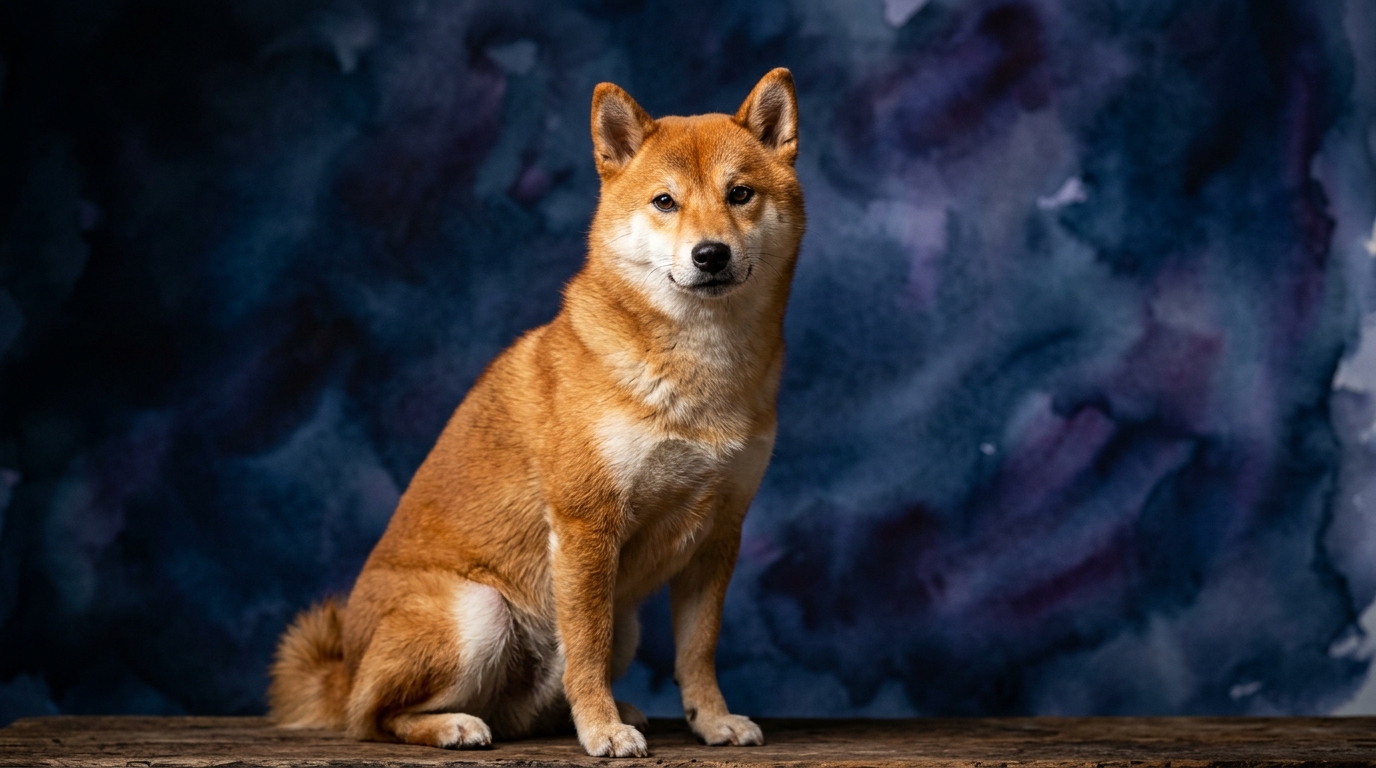
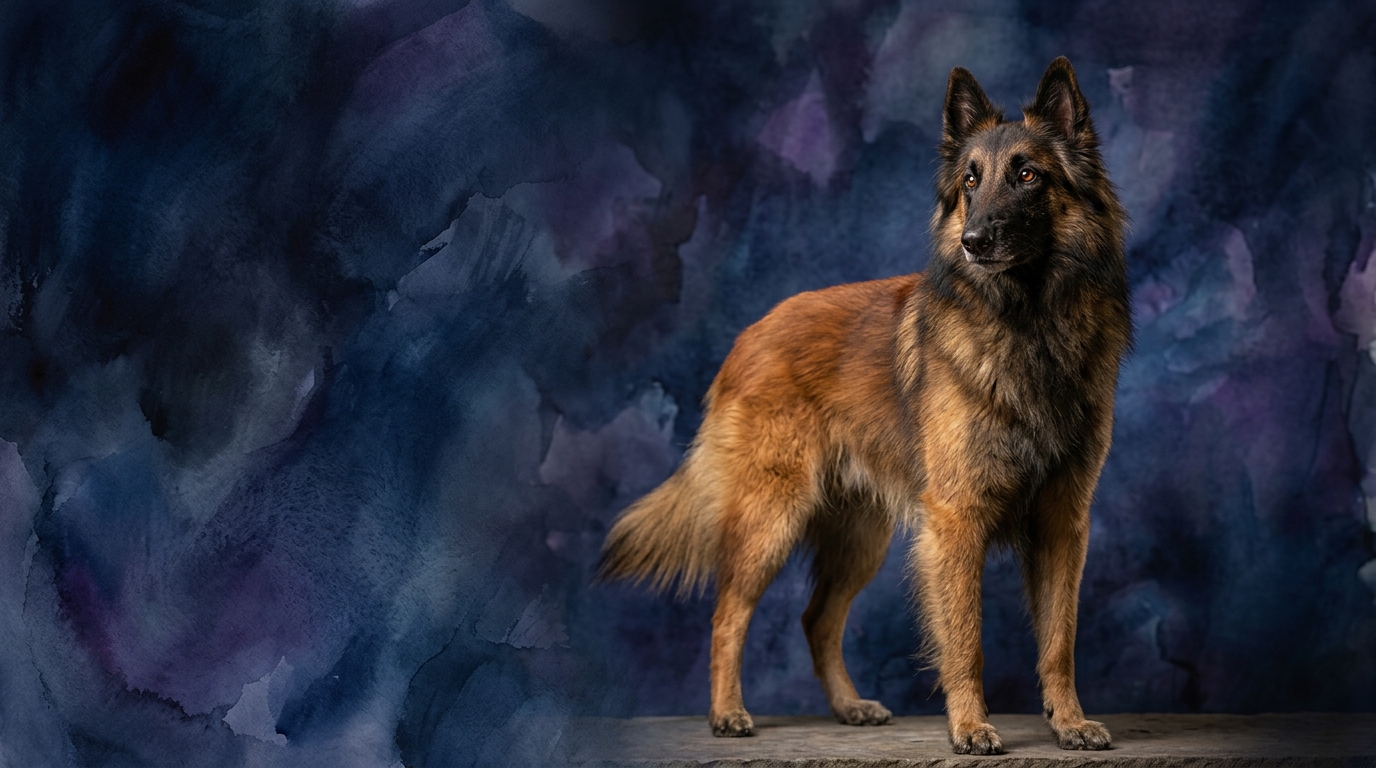
Side-by-Side IQ Profile: Shiba Inu vs. Belgian Tervuren
To truly understand the cognitive landscape of these two distinct breeds, The Cosmic Pet Pet IQ Lab employs a five-dimensional framework, allowing for a granular comparison beyond general perceptions. Let's explore how the Shiba Inu and Belgian Tervuren measure up in problem-solving, training speed, social intelligence, instinctive drive, and memory.
Shiba Inu Profile
- Problem Solving (4/5): The Shiba Inu possesses a keen intellect for navigating their immediate surroundings, often exhibiting a self-reliant approach to challenges. They are adept at finding novel, sometimes mischievous, solutions to perceived restrictions, whether it's figuring out how to open a cabinet or outmaneuver a fence. This score reflects their capacity for independent thought and strategic action when their own goals are in play.
- Training Speed (2/5): While capable of learning, the Shiba Inu's training speed is tempered by their strong-willed nature. They require consistent, patient, and engaging methods, often needing more repetitions than other breeds. Their compliance is frequently contingent on whether they perceive a command as worthwhile or beneficial to them, leading to a deliberate, rather than eager, learning pace.
- Social Intelligence (3/5): Shibas are observant creatures, capable of understanding human moods and social cues within their established pack. However, their social interactions are often selective; they tend to be reserved with strangers and prefer to engage on their own terms. This score reflects their ability to read situations, but also their preference for independence over constant social engagement.
- Instinctive Drive (5/5): Their ancient heritage as hunting dogs imbues the Shiba Inu with an exceptionally strong instinctive drive. This manifests as a powerful prey drive, an urge to chase, and a deep-seated exploratory instinct. This drive is a fundamental aspect of their cognitive makeup, influencing their curiosity and how they interact with their environment.
- Memory (4/5): Shibas demonstrate excellent memory retention for both positive and negative experiences. They remember routines, learned behaviors, and the consequences of past actions, which contributes to their cleverness and ability to adapt their strategies over time, particularly for tasks they deem rewarding.
Belgian Tervuren Profile
- Problem Solving (5/5): The Belgian Tervuren excels in complex problem-solving, displaying a remarkable ability to analyze novel situations and formulate effective strategies. Their cognitive flexibility allows them to quickly adapt learned behaviors to new contexts, making them superb at tasks requiring critical thinking and intricate sequences, such as advanced obedience or detection work.
- Training Speed (5/5): This breed demonstrates an unparalleled eagerness and aptitude for learning, grasping new commands and concepts with impressive speed and precision. Their intense focus and desire to work collaboratively with their handlers mean they often master new skills in very few repetitions, making them highly responsive and efficient to train.
- Social Intelligence (3/5): Belgian Tervurens form profound bonds with their core family, displaying acute sensitivity to their owners' emotions and intentions. While deeply loyal, they can be reserved, watchful, or even aloof with unfamiliar people, preferring to assess new social situations cautiously before engaging.
- Instinctive Drive (3/5): While possessing a working dog heritage, the Tervuren's instinctive drive is primarily geared towards herding and protection, rather than a raw prey drive. This manifests as a desire to gather, control, and protect, often with a strong territorial instinct, but it is typically more manageable than the Shiba's intense hunting focus.
- Memory (5/5): Tervurens boast an exceptional memory, enabling them to retain vast repertoires of commands, intricate routines, and past experiences with remarkable accuracy and duration. This superior recall is a cornerstone of their success in demanding working roles and advanced competitive sports.
Where the Shiba Inu Wins Cognitively
The Shiba Inu's cognitive strengths lie in their robust instinctive drive (5/5) and their independent problem-solving (4/5). This combination makes them exceptionally adept at self-directed navigation and survival, a trait rooted in their ancient hunting lineage. They are masters of assessing their environment for opportunities and challenges, and their problem-solving often manifests as clever, sometimes cunning, strategies to achieve their own goals, such as escaping a yard or outsmarting a food puzzle. This isn't about following commands, but about innate intelligence for self-preservation and resource acquisition. Their strong memory (4/5) further enhances this by allowing them to recall successful past “hacks” and apply them to new situations, making them remarkably resourceful and resilient.
Where the Belgian Tervuren Wins Cognitively
The Belgian Tervuren shines in areas demanding high trainability (5/5), complex problem-solving (5/5), and superior memory (5/5). Their cognitive prowess allows them to quickly understand and execute multi-stage commands, adapting their learning to intricate tasks with impressive speed and accuracy. This breed doesn't just learn; it comprehends and applies, making them exceptional candidates for advanced obedience, agility, search and rescue, or protection work. Their ability to retain a vast array of information over long periods, coupled with their analytical approach to new challenges, positions them as formidable partners in any endeavor requiring precision, consistency, and cognitive flexibility. They thrive on intellectual engagement and excel at processing and acting upon detailed instructions.
Which is Easier to Train and Why
For the average owner, the Belgian Tervuren is significantly easier to train due to their perfect training speed (5/5) and inherent desire to collaborate. They are highly attuned to their handler's cues, eager to learn, and intrinsically motivated by praise and engagement. This means new commands are often grasped in a handful of repetitions, and they consistently strive for accuracy. Their focus and work ethic are remarkable, making advanced training a rewarding experience. In stark contrast, the Shiba Inu's training speed (2/5) reflects their independent and often selective nature. While intelligent, they possess a strong will and may evaluate whether a command aligns with their immediate interests before complying. Training a Shiba requires immense patience, creative motivation, and a deep understanding of their unique personality, as they are not inherently driven to please in the same way. Owners must consistently prove that compliance is more rewarding than self-direction, making their training journey a nuanced negotiation rather than a straightforward instruction.
Which Suits Active Owners vs. Relaxed Owners
Active owners who seek a dedicated, high-energy partner for structured activities will find the Belgian Tervuren an unparalleled companion. This breed thrives on constant mental and physical engagement, excelling in dog sports like agility, competitive obedience, or protection work. A Tervuren requires an owner committed to daily vigorous exercise and consistent cognitive challenges to prevent boredom and channel their formidable intellect constructively. They need a “job” to do, and without it, their energy and intelligence can manifest in undesirable behaviors. Conversely, active owners who appreciate a dog with a more independent spirit, and are content with engaging in varied but perhaps less intensely structured activities, might lean towards the Shiba Inu. Shibas enjoy exploring, hiking, and interactive play, but once their needs are met, they are often content to relax by their owner's side, observing rather than demanding constant interaction. They still require consistent exercise and mental puzzles to prevent boredom. Relaxed owners, however, might struggle with either breed. A Shiba's independent problem-solving can lead to mischief if under-stimulated, and a Tervuren's intense drive and need for purpose will quickly overwhelm an owner seeking a low-maintenance companion. Both breeds demand an owner who understands their cognitive and physical needs, but the intensity and nature of that engagement differs significantly.
The Verdict
Select a Shiba Inu if you appreciate a clever, independent companion who offers unique problem-solving insights and a strong sense of self, and you are prepared for a patient, nuanced training approach.
Opt for a Belgian Tervuren if you seek an intensely trainable, highly engaged partner for advanced activities and a dog who thrives on constant mental and physical challenges.
🧠 Find Your Pet's IQ Score
Our Pet IQ Lab assessment covers 25+ tests across 5 cognitive dimensions — personalized to your breed.
Take the Full IQ Test →Frequently Asked Questions
Are Shiba Inus stubborn or just independent?
Shiba Inus are often described as stubborn, but it's more accurately a strong independence and a selective approach to compliance. They process commands and decide if it aligns with their interests, which requires a patient and consistent owner.
How much mental stimulation does a Belgian Tervuren need daily?
A Belgian Tervuren requires significant daily mental stimulation, often more than just physical exercise. This includes puzzle toys, obedience training sessions, learning new tricks, or participating in dog sports for at least 30-60 minutes, in addition to physical activity.
Can a Shiba Inu live in an apartment?
Yes, a Shiba Inu can adapt to apartment living if their exercise and mental stimulation needs are consistently met. Daily walks, playtime, and engaging puzzle toys are crucial to prevent boredom and destructive behaviors in a smaller space.