Side-by-Side Cognitive Profiles: The Cosmic Pet Pet IQ Lab Analysis
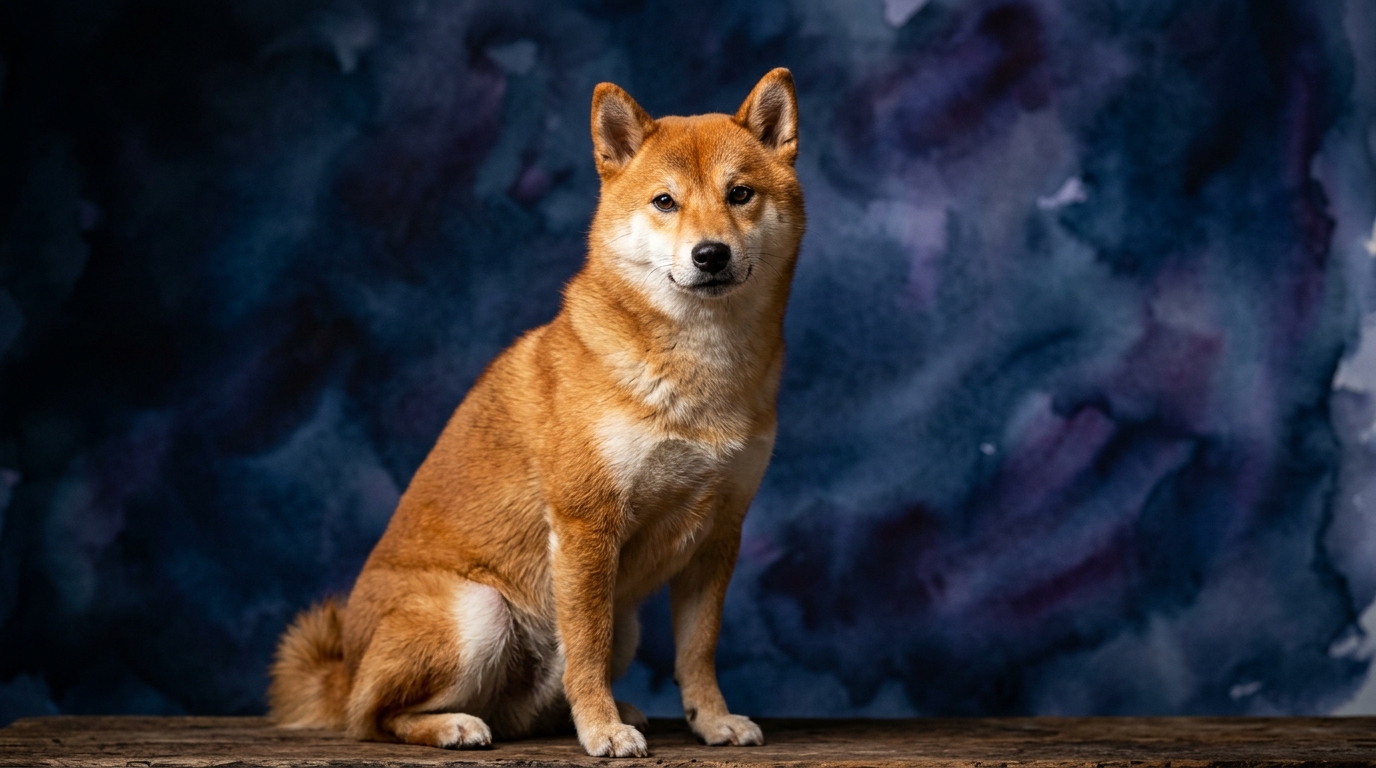
At The Cosmic Pet Pet IQ Lab, we evaluate canine intelligence across five key dimensions, offering a nuanced perspective beyond simple obedience rankings. For the Shiba Inu, a breed rooted in ancient Japanese hunting practices, their profile is marked by profound independence: a Problem Solving score of 4/5 indicates a keen ability to navigate challenges, often for self-serving objectives like opening gates or outsmarting obstacles. Their Training Speed of 2/5 reflects a strong will and a preference for self-direction over human commands, meaning they learn at their own pace and on their own terms. Social Intelligence at 3/5 suggests they understand social cues but may choose to engage selectively, often appearing aloof. A towering Instinctive Drive of 5/5 underscores their primitive heritage, manifesting as a powerful prey drive and acute environmental awareness. Finally, their Memory at 4/5 means they retain lessons, both positive and negative, influencing future interactions.
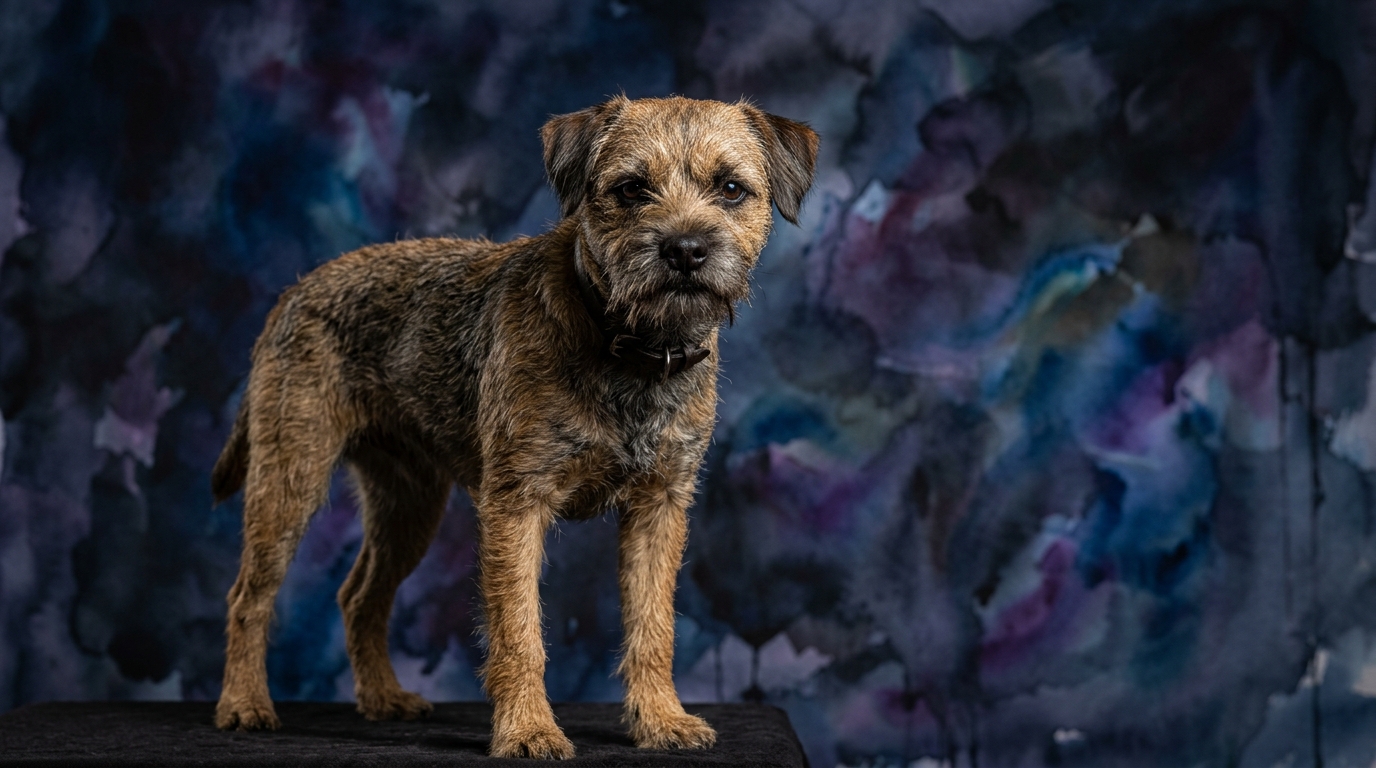
In contrast, the Border Terrier, a nimble working terrier from the Anglo-Scottish border, presents a profile geared towards cooperative endeavor. Their Problem Solving also scores 4/5, but this is often expressed in tasks requiring collaboration, like navigating agility courses or engaging with interactive toys. A significantly higher Training Speed of 4/5 highlights their eagerness to learn and work alongside their human companions, making them highly receptive to structured training. Their Social Intelligence, like the Shiba, is 3/5, yet it often manifests as a more outgoing and adaptable demeanor within their family unit. The Border Terrier’s Instinctive Drive is 3/5; while still a working breed with a prey drive, it is generally more manageable and redirectable than the Shiba’s. Their Memory also stands at 4/5, enabling them to recall complex sequences and routines effectively, a boon for their aptitude in dog sports and advanced obedience.
Where the Shiba Inu's Cognition Shines Brightest
The Shiba Inu’s cognitive strengths are deeply intertwined with their primitive ancestry and self-reliant nature. Their exceptional Instinctive Drive, rated at a maximum 5/5, is a dominant feature. This isn't merely a strong prey drive; it encompasses a profound environmental awareness, an innate ability to assess situations, and a powerful urge for self-preservation. This drive fuels their 4/5 Problem Solving skills, allowing them to independently devise solutions to challenges—whether it's finding the weakest link in a fence or strategically ignoring a recall command to pursue an interesting scent. Their problem-solving is often less about pleasing an owner and more about achieving their own desired outcome.
Furthermore, the Shiba Inu's 4/5 Memory, combined with their independence, means they are adept at learning from experience, quickly cataloging what works and what doesn't to their advantage. They remember patterns, consequences, and successful strategies for obtaining resources or avoiding undesirable situations. This combination of high instinctive drive, self-serving problem-solving, and robust memory makes them incredibly resourceful and resilient, capable of thriving even in challenging circumstances where other breeds might falter without human guidance. Their intelligence is geared towards autonomy, making them fascinating, albeit sometimes challenging, companions.
The Border Terrier's Cognitive Edge: Cooperation and Learning Agility
The Border Terrier’s cognitive profile clearly demonstrates an advantage in cooperative learning and biddability, reflected in their Coren ranking of #30, placing them among breeds that excel in obedience. Their standout feature is a Training Speed of 4/5, which signifies a genuine eagerness to engage with humans and a rapid capacity for understanding and executing commands. This high receptiveness makes them a pleasure to train, as they typically find satisfaction in mastering new tasks and working in partnership with their owners.
While their Problem Solving score of 4/5 matches the Shiba's, the Border Terrier often applies this skill in a more collaborative context. They excel at tasks requiring joint effort, such as navigating complex agility courses, excelling in earthdog trials, or solving intricate puzzle toys, where their intellect is channeled into achieving a shared goal. Their Instinctive Drive, while still present at 3/5, is often more easily directed and harnessed for constructive activities, allowing owners to channel their natural working instincts into productive outlets like scent work or supervised exploration. This blend of intelligence and biddability makes the Border Terrier a versatile and rewarding companion for those who enjoy active participation in their dog's mental development.
Training Dynamics: Shiba Inu vs. Border Terrier
When it comes to training, the cognitive differences between these two breeds become strikingly apparent. The Border Terrier, with its 4/5 Training Speed and Coren rank, is generally a more straightforward pupil. They are motivated by human interaction, praise, and rewards, making positive reinforcement highly effective. Their desire to please and their cooperative nature mean they often pick up new commands quickly and are reliable in their responses. Early socialization is still crucial, but their inherent biddability makes basic obedience, recall, and leash manners more manageable for committed owners. They thrive on consistency and clear communication, viewing training as an engaging activity to share with their person.
The Shiba Inu, however, presents a distinct training experience due to their 2/5 Training Speed and powerful 5/5 Instinctive Drive. While intelligent, their independence means they often perceive training as optional, or only worthwhile if it directly benefits them. Owners must be exceptionally patient, consistent, and creative in making training highly rewarding from the Shiba's perspective. Their strong prey drive makes recall particularly challenging, as an interesting scent or movement can easily override a command. Training a Shiba often feels like a negotiation, requiring owners to earn their dog's trust and respect through fair, positive methods. Their keen memory means they remember every interaction, good or bad, reinforcing their independent streak or solidifying a cooperative bond if handled correctly.
Lifestyle Match: Active Engagement vs. Thoughtful Companionship
Choosing between a Shiba Inu and a Border Terrier often hinges on an owner’s lifestyle and their preferred mode of engagement with a canine companion. The Border Terrier is an excellent fit for active owners who enjoy structured activities and want a dog to participate alongside them. Their working heritage means they need regular physical exercise—like hiking, running, or long walks—combined with mental stimulation through training, dog sports (agility, earthdog trials), or puzzle-solving. They thrive on being an integral part of family outings and generally adapt well to various adventures, appreciating the cooperative bond fostered through shared experiences. Their adaptability makes them suitable for owners seeking a robust and engaged canine partner.
The Shiba Inu, while physically capable, suits owners who appreciate a dog with profound independence and a strong sense of self. They require mental stimulation that respects their autonomy, often involving secure outdoor spaces for self-directed exploration or puzzle toys that challenge their problem-solving skills. Due to their high instinctive drive and potential for escape artistry, secure containment is paramount. Owners must be prepared to provide outlets for their instincts in safe, controlled ways, rather than expecting constant, biddable participation. They are not dogs for "relaxed" owners in the sense of needing little attention; rather, they need thoughtful, consistent engagement that acknowledges their unique character, making them ideal for those who value a dog with a strong, distinct personality and a quiet, observant presence.
The Verdict
Choose the Shiba Inu if you appreciate a dog with profound independence, a keen problem-solving mind focused on self-interest, and a powerful instinctive drive that requires understanding and respect rather than strict obedience.
Opt for the Border Terrier if you seek a cooperative, biddable companion eager to learn and engage in structured activities, thriving on joint problem-solving and a strong bond fostered through training.
🧠 Find Your Pet's IQ Score
Our Pet IQ Lab assessment covers 25+ tests across 5 cognitive dimensions — personalized to your breed.
Take the Full IQ Test →Frequently Asked Questions
Are Shiba Inus difficult to train?
Shiba Inus are often described as challenging to train due to their strong independence, primitive instincts, and lower training speed score. They require immense patience, consistency, and highly motivating rewards from their owner, as they tend to prioritize their own desires over human commands.
Do Border Terriers have a high prey drive?
Yes, Border Terriers possess a moderate instinctive drive (3/5), stemming from their heritage as working terriers bred to hunt vermin. While present, this drive is often more amenable to redirection and training compared to breeds with higher scores, allowing for managed engagement in appropriate outlets.
Which breed is better for first-time dog owners?
For first-time dog owners, the Border Terrier is generally a more suitable choice due to its higher training speed and cooperative nature, making the learning curve for both dog and owner smoother. The Shiba Inu's pronounced independence and strong instincts can be overwhelming for those new to dog ownership.