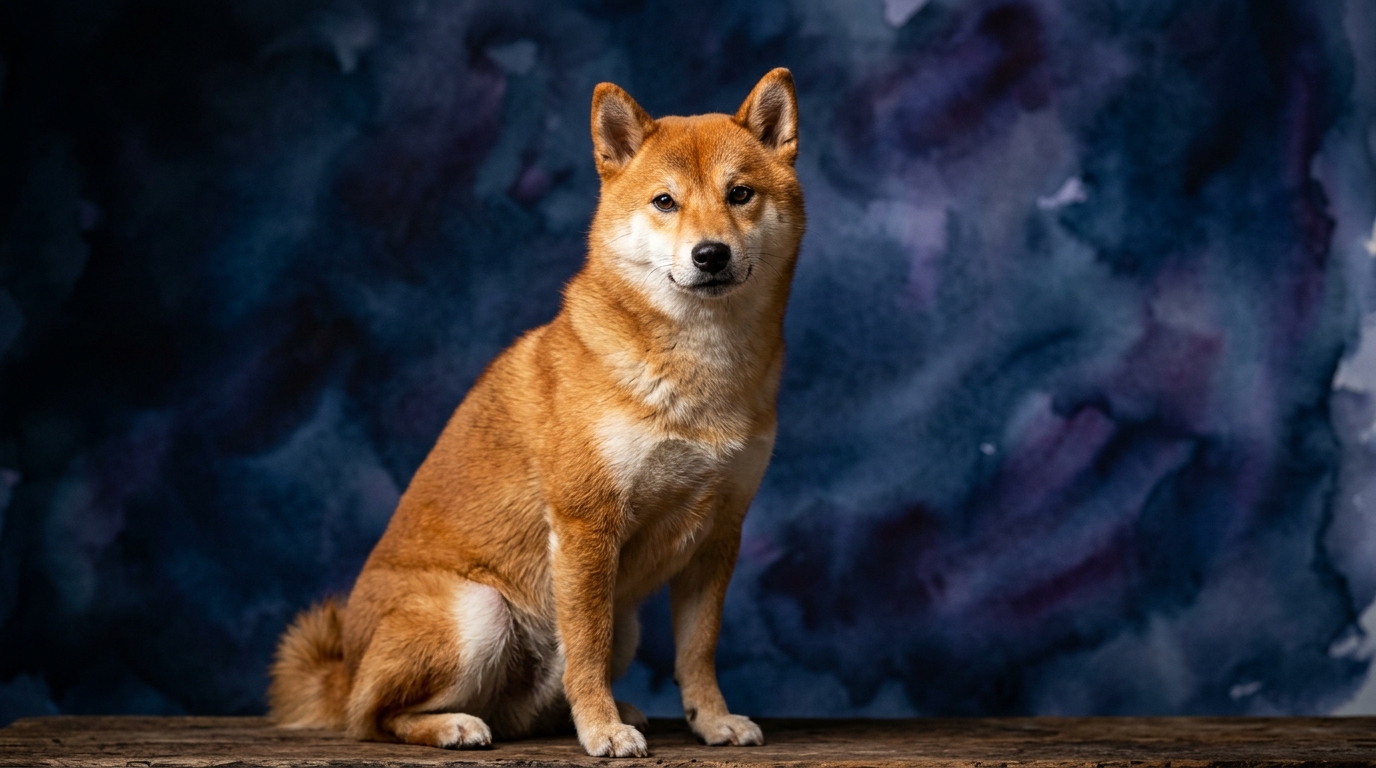
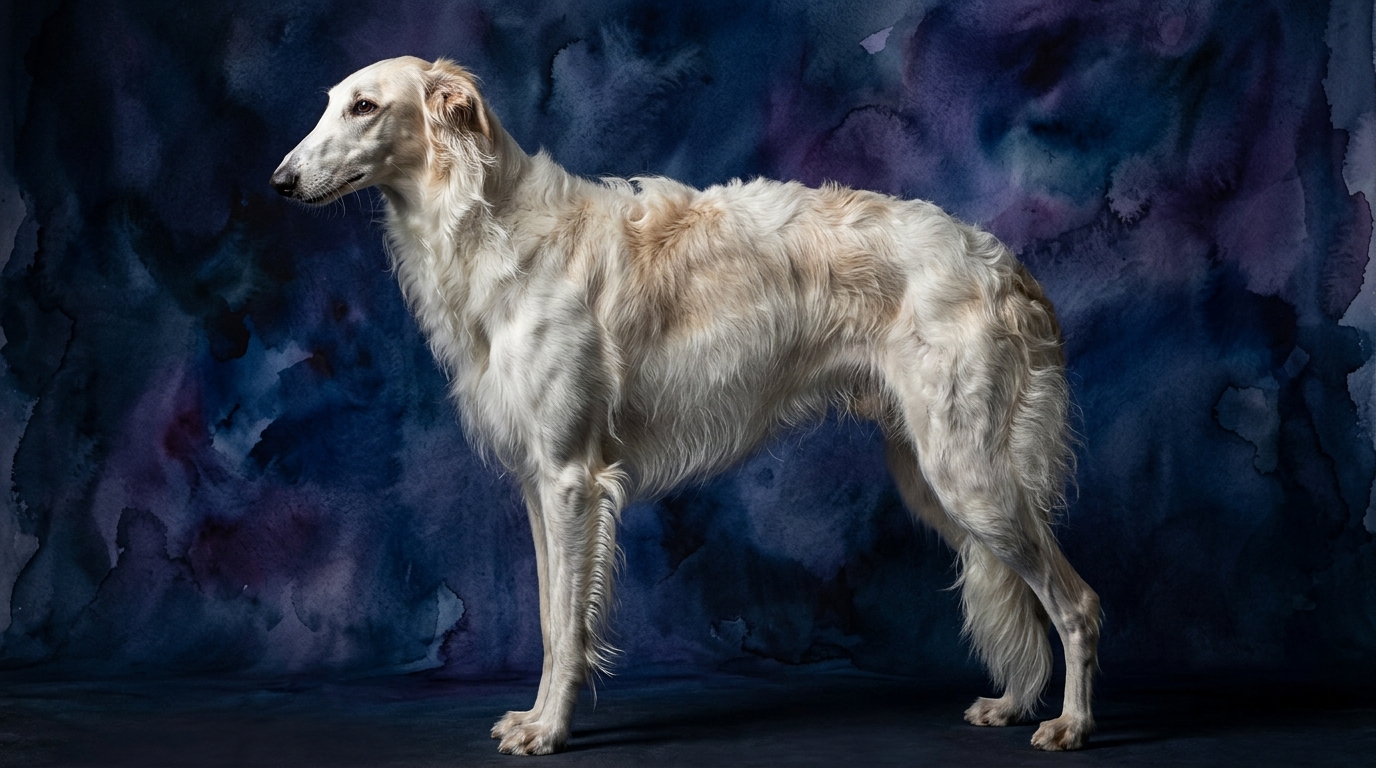
Shiba Inu vs Borzoi Intelligence: A Cosmic Pet IQ Lab Comparison
At The Cosmic Pet Pet IQ Lab, we assess canine intelligence across five key dimensions, moving beyond simple obedience ranks to capture a nuanced understanding of a breed's cognitive landscape. The Shiba Inu, a spirited companion from Japan's mountainous regions, and the Borzoi, a majestic sighthound with Russian lineage, present distinct profiles when viewed through this lens.
The Shiba Inu scores a notable 4/5 in Problem Solving, indicating a keen ability to figure things out independently, often to their own advantage. However, their Training Speed is a modest 2/5, suggesting a more challenging and perhaps slower learning curve for human-directed tasks. Social Intelligence sits at 3/5, meaning they possess an average capacity for reading and responding to social cues, while their Instinctive Drive is a powerful 5/5, reflecting a strong, self-directed nature and deep-seated natural urges. Finally, their Memory is solid at 4/5, allowing them to retain experiences and learned behaviors effectively.
In contrast, the Borzoi presents a more balanced, albeit generally lower, set of scores. Their Problem Solving is 3/5, indicating an average aptitude for navigating novel situations or obstacles. Training Speed matches this at 3/5, suggesting they learn at a moderate pace, neither exceptionally fast nor particularly slow. Social Intelligence is also 3/5, similar to the Shiba, implying an average understanding of social dynamics. Their Instinctive Drive is 3/5, which for a sighthound means a focused, intense drive for specific activities like chasing, but perhaps less pervasive independence in other contexts compared to a Shiba. Memory rounds out their profile at 3/5, indicating an average retention of information.
Where Shiba Inu Wins Cognitively
The Shiba Inu's cognitive strengths truly shine in areas demanding independent thought and recall. Their 4/5 Problem Solving score means they are adept at strategizing, whether it’s figuring out how to open a cabinet, escape a yard, or manipulate a situation to get what they want. This isn't about following commands, but about innate cunning and self-directed ingenuity. Coupled with a 4/5 Memory, a Shiba can quickly learn the routines of their household, remember past successes in overcoming obstacles, and recall specific pathways or hiding spots, making them master observers and strategists in their own environment. This combination makes them particularly engaging for owners who appreciate a dog with a strong, clever personality that constantly assesses its surroundings.
Where Borzoi Wins Cognitively
While the Borzoi’s individual scores might appear lower, their cognitive profile indicates a different kind of strength, particularly in focused application and a more moderate, balanced approach to learning. The Borzoi's 3/5 Training Speed, while not exceptional, is notably higher than the Shiba’s 2/5, implying a greater openness to human instruction and a potentially smoother path to learning new commands, even if it requires patient repetition. Their 3/5 Instinctive Drive, relative to the Shiba's powerful 5/5, suggests they might be less prone to acting purely on independent, strong-willed impulses outside of their specific sighthound prey drive. This can translate to a dog that, while still possessing a strong prey instinct, is generally more amenable to redirection and less consistently challenging in its daily decision-making than a Shiba, making them subtly 'easier' in many common household scenarios.
Which Is Easier to Train and Why
When considering ease of training, the Borzoi generally presents a more straightforward experience than the Shiba Inu. The Shiba's 2/5 Training Speed, combined with a formidable 5/5 Instinctive Drive, means they are often described as 'cat-like' in their independence. Their motivation to comply with human requests is typically low unless there's a clear, high-value reward for them. A Shiba might understand a command perfectly but choose to ignore it if it doesn't align with their immediate desires, displaying a strong 'selective hearing' tendency rooted in their deep-seated self-reliance. This requires immense patience, consistency, and creative motivation from their human counterparts, often feeling like a negotiation rather than simple instruction. In contrast, the Borzoi's 3/5 Training Speed suggests a more cooperative learner. While they aren't Labrador-level eager-to-please, they are generally more receptive to direction and less overtly resistant to learning new behaviors. Their 3/5 Instinctive Drive, while still requiring management for their prey drive, doesn't manifest as the same pervasive, independent stubbornness seen in Shibas, making them more pliable and generally less frustrating to train in obedience and manners.
Which Suits Active Owners vs Relaxed Owners
The choice between a Shiba Inu and a Borzoi also hinges significantly on an owner's lifestyle and energy levels. Active owners who enjoy problem-solving and mental challenges with their dog, and who are prepared for consistent, engaging training, might find the Shiba Inu a rewarding companion. Their high instinctive drive and independent nature mean they need ample mental stimulation and opportunities for supervised exploration to prevent boredom-induced mischief. They are not content to be simply decorative; they thrive on activity that engages their clever minds and strong bodies. Conversely, the Borzoi, despite its impressive speed and sighthound heritage, can surprise owners with its capacity for relaxation indoors. While requiring regular opportunities for safe, off-leash running in a securely fenced area to satisfy their prey drive, they are often content to lounge gracefully for much of the day. This makes them surprisingly suitable for relaxed owners who can provide bursts of intense activity followed by long periods of calm companionship, valuing elegance and a quieter presence over constant engagement.
The Verdict
Choose a Shiba Inu if you appreciate a clever, independent canine partner, are prepared for consistent, creative training, and enjoy a dog that thinks for itself, even if it sometimes means outsmarting you.
Opt for a Borzoi if you seek an elegant, generally calmer indoor companion that still requires specific outlets for its sighthound instincts, and you prefer a dog that is moderately trainable without the intense, independent will of a Shiba.
🧠 Find Your Pet's IQ Score
Our Pet IQ Lab assessment covers 25+ tests across 5 cognitive dimensions — personalized to your breed.
Take the Full IQ Test →Frequently Asked Questions
Is a Shiba Inu easy to house train?
Shiba Inus are typically quite fastidious and can be relatively easy to house train due to their strong desire for cleanliness and their good memory. However, their independence means consistency from the owner is key.
Do Borzois need a lot of exercise?
Borzois need regular, intense bursts of exercise, ideally in a securely fenced area where they can run at full speed. Outside of these sprints, they are often quite calm indoors and enjoy lounging.
Which breed is better with children?
Both breeds require careful socialization and supervision with children. Shibas can be less tolerant of rough play due to their independent nature, while Borzois, though generally gentle, might accidentally knock over small children due to their size and occasional clumsiness.