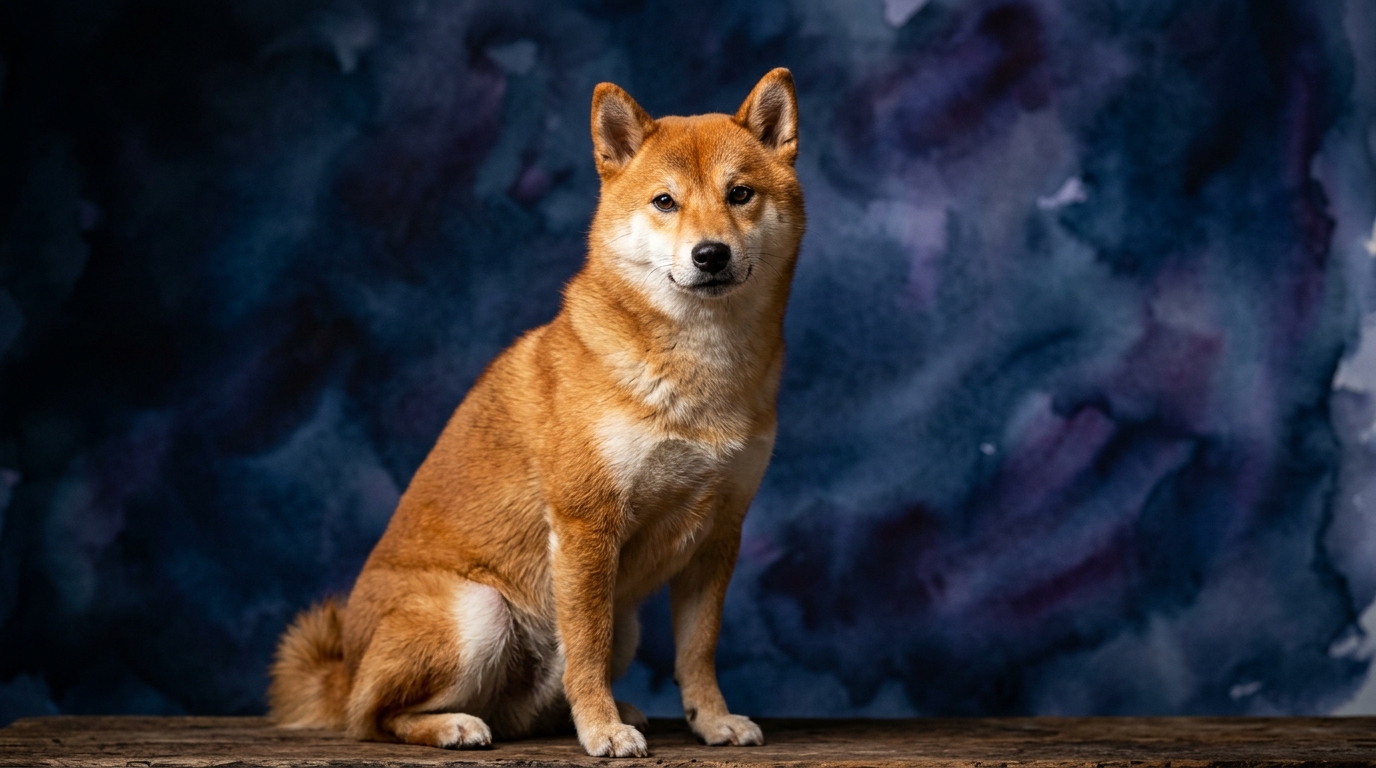
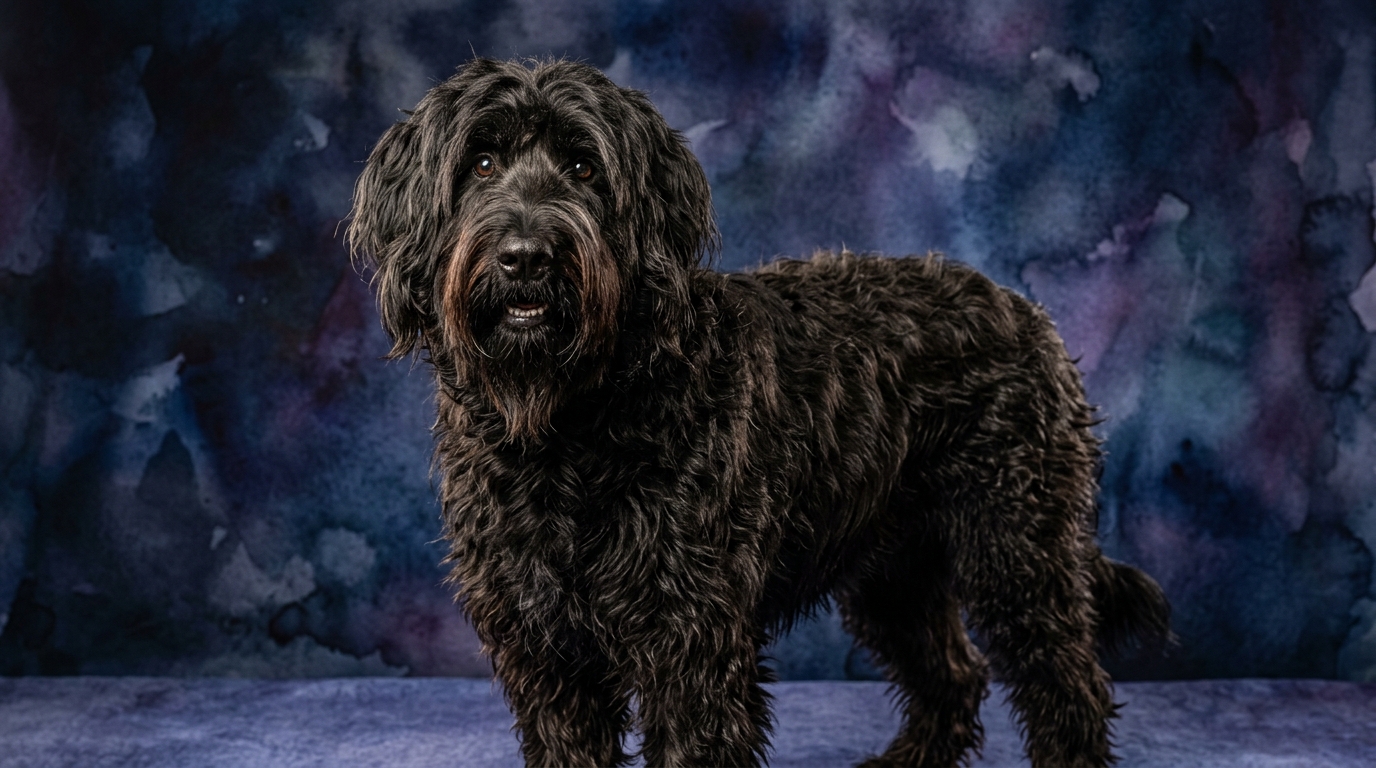
Side-by-Side Cognitive Profiles: Shiba Inu vs. Briard
At The Cosmic Pet Pet IQ Lab, we evaluate canine intelligence across five key dimensions, offering a nuanced understanding beyond simple obedience. For the Shiba Inu, a Non-Sporting breed, its cognitive profile reflects a spirited and independent nature. Their Problem Solving is rated 4/5, indicating a resourceful mind capable of figuring things out, often on their own terms. Training Speed scores 2/5, suggesting they aren't quick to pick up new commands, requiring significant patience and motivation. Social Intelligence is 3/5; they form strong bonds but can be discerning with strangers, prioritizing self-interest. Their Instinctive Drive is a powerful 5/5, encompassing a strong prey drive, territoriality, and profound independence. Finally, their Memory is 4/5, meaning they retain experiences and learned behaviors, both positive and negative, which influences future interactions.
The Briard, a Herding breed and Coren rank #30, presents a different cognitive landscape geared towards cooperation and purpose. Their Problem Solving also stands at 4/5, demonstrating complex thought and good judgment, often in a working context. Training Speed is notably higher at 4/5, indicating a breed that learns new tasks and commands relatively quickly and with enthusiasm. Social Intelligence is 3/5, as they are attuned to family dynamics, can be protective, and generally seek to understand human intent, though they might be reserved with outsiders. Instinctive Drive is 3/5, possessing herding and guarding traits that are typically channeled into cooperative tasks rather than raw independence. Their Memory is 4/5, allowing them to effectively retain learned behaviors and social experiences, contributing to their reliability and consistency.
Where the Shiba Inu Cognitively Excels
The Shiba Inu's exceptional Instinctive Drive (5/5) is a unique cognitive strength, manifesting as a profound independence and self-reliance rarely seen in other companion breeds. This isn't just about a high prey drive, but an intrinsic motivation to act on their own initiative, explore, and often, outwit situations to their benefit. Their Problem-Solving ability (4/5) often intertwines with this drive; they excel at figuring out how to achieve their personal goals, whether it’s escaping a yard or opening a cupboard, relying on their own wits rather than human direction. This cognitive bent makes them incredibly resourceful in navigating their environment and pursuing what interests them. Their robust Memory (4/5) further supports this, allowing them to recall successful independent strategies and apply them consistently, making them formidable strategists in their own right, especially when it comes to remembering boundaries they'd rather ignore or resources they wish to claim.
Where the Briard Cognitively Excels
The Briard's cognitive advantages shine in areas demanding cooperative intellect and adaptability. Their impressive Training Speed (4/5) is a direct reflection of a mind eager to engage and comprehend human instructions, allowing them to master complex tasks with relative efficiency. This isn't just rote memorization; it's a desire to understand and work alongside their human partners. While their Problem-Solving score matches the Shiba Inu at 4/5, the Briard applies this skill differently, often seeking solutions within the framework of a task or to please their handler, demonstrating excellent judgment and initiative in a working context. Their Social Intelligence (3/5), though similar on paper, leans towards a deeper understanding of human intent and a willingness to adapt their behavior to fit social expectations, especially within their family unit, making them highly responsive companions.
Trainability: Shiba Inu vs. Briard
The Briard is unequivocally easier to train than the Shiba Inu, primarily due to fundamental differences in their Training Speed and Instinctive Drive. The Briard's Training Speed of 4/5 signifies a breed that not only processes new commands quickly but also possesses an inherent desire to cooperate and please its human companions. Their Instinctive Drive (3/5) is channeled more towards herding and guarding, which often translates into a keenness to learn and perform tasks, making them highly receptive to instruction. Real behavioral differences include the Briard's natural inclination to look to its handler for direction and its consistent eagerness to perform tasks for praise and reward.
In contrast, the Shiba Inu's Training Speed of 2/5 reflects a significant challenge. Their strong Instinctive Drive (5/5) is heavily geared towards independence and self-interest, meaning they often weigh whether a command benefits them before complying. This breed frequently displays a 'what's in it for me?' attitude, requiring immense patience, highly motivating rewards, and creative approaches to overcome their inherent inclination to do things their own way. Their tendency to assess situations and act unilaterally, rather than seeking direction, makes consistent obedience a more arduous journey.
Suitability for Active vs. Relaxed Owners
For active owners seeking a canine partner for adventures and structured activities, the Briard is an excellent match. Their background as a herding dog means they thrive on purpose-driven engagement, demonstrating the stamina for long hikes, agility sports, or advanced obedience. Their moderate Instinctive Drive (3/5) is perfectly suited for owners who enjoy channeling a dog's natural abilities into productive outlets, as they love having a job to do and excel when mentally and physically stimulated. They require consistent mental and physical challenges to prevent boredom and ensure a balanced temperament, making them ideal for owners committed to an active lifestyle.
Conversely, the Shiba Inu, while possessing a high Instinctive Drive (5/5), often directs this energy into independent exploration and self-amusement, making them suitable for owners who appreciate a more self-sufficient companion but are prepared for their bursts of energetic play and strong prey drive. Relaxed owners might find the Shiba Inu’s more independent nature appealing, as they don't demand constant human-led activity, often content to observe or explore on their own. However, this independence shouldn't be mistaken for a lack of need for exercise; they still require regular, engaging outings to prevent boredom, which they might alleviate through destructive behaviors. Owners who prefer a less demanding, yet still active, daily rhythm, but are prepared for a dog with a mind of its own, might find a good fit with the Shiba.
The Verdict
Choose a Shiba Inu if you appreciate an independent, resourceful companion with a strong personality and are prepared for the patience required in training a dog that frequently prioritizes its own agenda.
Opt for a Briard if you seek a highly trainable, cooperative, and protective partner eager to engage in joint activities and thrive on consistent guidance and structured mental challenges.
🧠 Find Your Pet's IQ Score
Our Pet IQ Lab assessment covers 25+ tests across 5 cognitive dimensions — personalized to your breed.
Take the Full IQ Test →Frequently Asked Questions
Is the Shiba Inu truly difficult to train, or just stubborn?
The Shiba Inu's training difficulty stems from a combination of strong independence and a lower Training Speed score (2/5), which can be perceived as stubbornness. They possess a high Instinctive Drive (5/5) to act on their own terms, often requiring significant motivation and consistent, positive reinforcement to comply with commands. It's less about a lack of understanding and more about a calculated choice not to obey if it doesn't align with their immediate desires.
How does the Briard's herding background influence its social intelligence?
The Briard's herding background significantly shapes its Social Intelligence (3/5) by fostering a strong bond with its human 'flock' and a protective instinct. This translates into a deep attentiveness to family members' cues and a desire to keep them safe, although they might be reserved or wary with strangers. Their cooperative nature in a working context also enhances their ability to understand and respond to human intentions.
Given their similar problem-solving scores, what's the key difference in how Shiba Inus and Briards approach challenges?
While both breeds score 4/5 in Problem-Solving, their approach differs based on their underlying motivations. The Shiba Inu often solves problems independently to achieve personal goals, such as finding a way to escape or get to a treat. The Briard, conversely, tends to apply its problem-solving skills in a more cooperative context, often seeking solutions that align with a task given by its handler or to ensure the safety and well-being of its family.