A Side-by-Side Look at Their Cognitive Profiles
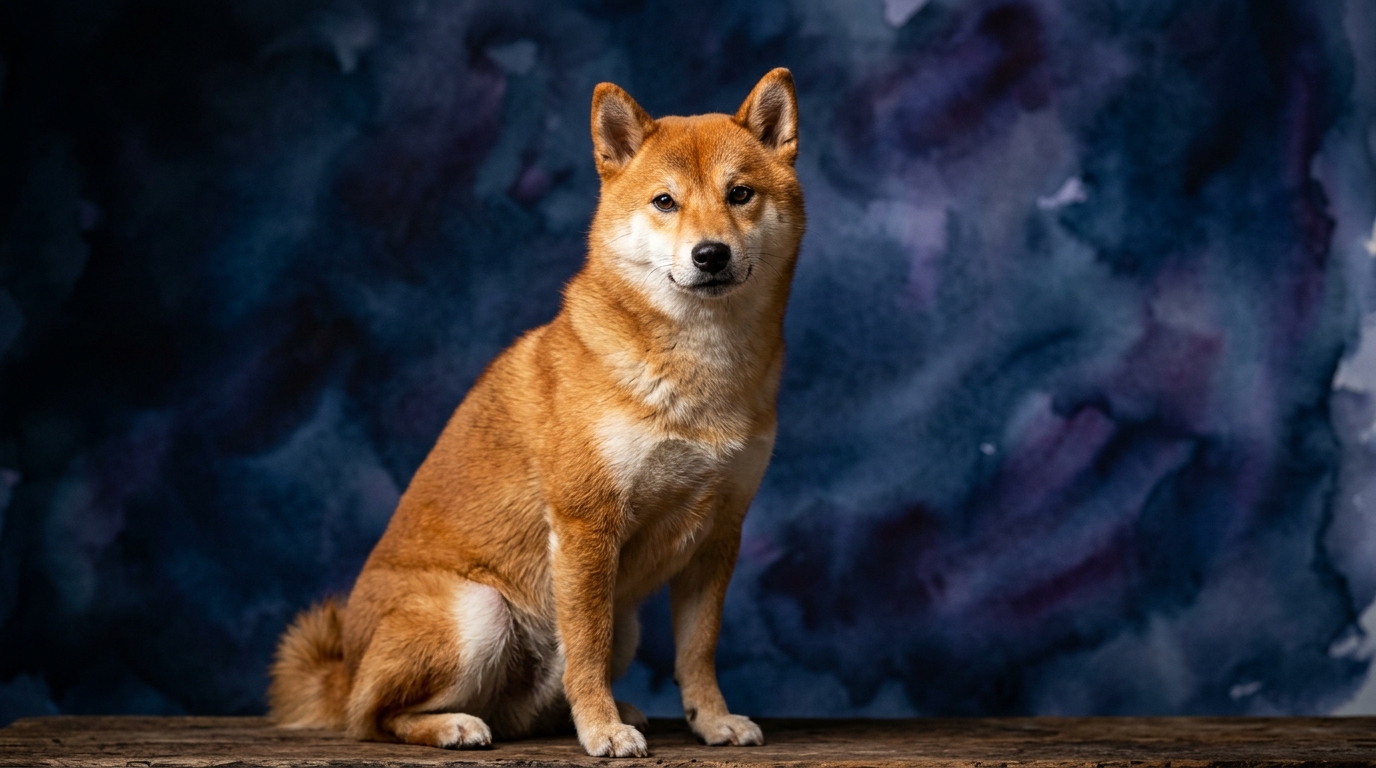
The Cosmic Pet Pet IQ Lab provides a unique framework for understanding canine cognition, breaking down intelligence into five core dimensions. For the Shiba Inu, we observe a robust Problem Solving score of 4/5, indicating a capacity for independent thought and creative solutions to challenges. Their Training Speed, however, registers at 2/5, suggesting a more deliberate or perhaps less compliant approach to learning commands. Social Intelligence for the Shiba Inu stands at 3/5, pointing to a moderate understanding of human cues and pack dynamics, while an impressive Instinctive Drive of 5/5 highlights their strong inherent urges for hunting, guarding, or self-preservation. Finally, their Memory is rated at 4/5, implying a good retention of experiences and learned associations.
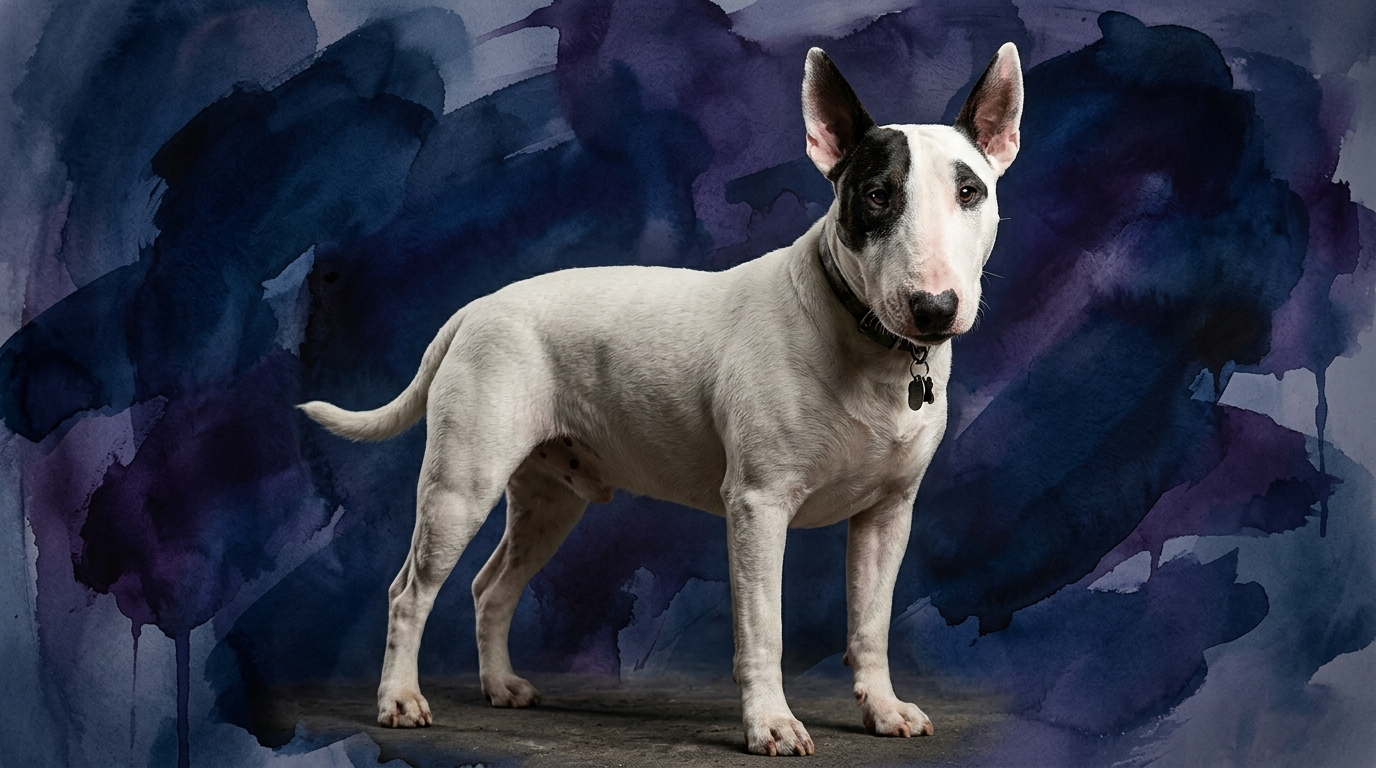
In contrast, the Bull Terrier presents a more uniformly balanced, though generally moderate, cognitive profile, earning a Coren rank of #66 – a respectable position within the working intelligence spectrum. Their Problem Solving ability is rated 3/5, suggesting they can navigate straightforward puzzles but might not consistently devise complex strategies. Training Speed for the Bull Terrier matches the Shiba Inu at 3/5, indicating a willingness to learn at a steady pace. Social Intelligence also aligns at 3/5, reflecting a similar capacity for interpreting social signals. Their Instinctive Drive is 3/5, which means they possess natural urges but typically with less intensity than the Shiba Inu. Memory for the Bull Terrier also sits at 3/5, showing a consistent ability to recall information without the same depth as their Shiba counterpart.
Where the Shiba Inu's Cognition Shines
The Shiba Inu truly distinguishes itself with its exceptional Problem Solving skills (4/5) and potent Instinctive Drive (5/5). This combination means a Shiba is not merely reactive; they are often proactive in their environment, capable of assessing situations and devising their own solutions, sometimes to their owner's surprise. For instance, a Shiba faced with a closed door might not simply wait; they might experiment with the handle, push against the frame, or even vocalize specific demands to achieve their goal. Their high instinctive drive means they are acutely aware of their surroundings, often exhibiting a keen prey drive or a strong sense of territory, which fuels their independent decision-making and sharpens their focus when pursuing an objective. This deep-seated drive, coupled with their problem-solving aptitude, makes them formidable escape artists or tenacious pursuers of small critters.
Furthermore, the Shiba Inu's superior Memory (4/5) means they retain these learned solutions and environmental observations effectively. They remember patterns, consequences of actions, and locations of interest with clarity. This cognitive strength contributes to their independent nature; once a Shiba learns a particular route or a method to bypass an obstacle, they are likely to recall and employ it again. This robust memory also extends to their understanding of routines and the nuances of their household environment, allowing them to anticipate events and react accordingly, often appearing to be one step ahead.
Bull Terrier's Cognitive Strengths and Balanced Approach
While the Bull Terrier's individual cognitive scores may not reach the peaks seen in certain Shiba Inu dimensions, their unique strength lies in their balanced and consistent cognitive profile, underscored by their Coren rank #66. Their 3/5 scores across Problem Solving, Training Speed, Social Intelligence, Instinctive Drive, and Memory suggest a dog that is reliably capable and less prone to the extremes that can sometimes accompany higher individual scores. This consistency means a Bull Terrier will typically approach new situations with a predictable level of engagement and understanding, making their responses more manageable for owners. Their problem-solving abilities, while not as inventive as a Shiba’s, are pragmatic and effective for everyday challenges, such as figuring out how to get a favorite toy from under the couch.
The Bull Terrier's moderate Instinctive Drive (3/5) can be considered a cognitive advantage for many households. Unlike the Shiba Inu's intense drives, a Bull Terrier's instincts are present but generally more controllable and less likely to override training or social cues. This allows for a more focused engagement during training sessions and fewer instances of being completely consumed by a scent or a visual stimulus. Their 3/5 Social Intelligence, combined with their generally affable nature, means they are typically adept at forming strong, clear bonds with their human family, often expressing a deep loyalty and a desire for companionship that can make them highly receptive to interaction and guidance.
Which is Easier to Train and Why?
When comparing trainability, the Bull Terrier (Training Speed 3/5) generally presents as the easier candidate compared to the Shiba Inu (Training Speed 2/5). The Bull Terrier's moderate training speed is complemented by their 3/5 Social Intelligence and a less intense Instinctive Drive. This combination often translates into a dog that is more inclined to engage with their handler and less likely to be distracted by their own independent pursuits. While they possess a mischievous streak and can be stubborn, their desire for companionship often outweighs their independence, making them more amenable to learning and repetition, especially with positive reinforcement.
The Shiba Inu, on the other hand, with their lower Training Speed and formidable Instinctive Drive, often requires a more patient and nuanced approach. Their exceptional problem-solving skills and strong memory mean they are capable of learning, but their independent nature and self-interest often dictate when and if they choose to comply. A Shiba might understand a command perfectly but decide that performing it is not in their immediate best interest, especially if a more compelling instinctual urge (like chasing a squirrel) arises. Their social intelligence, while adequate, doesn't always translate into a strong desire to please, making consistent, engaging, and highly rewarding training crucial to overcome their inherent 'what's in it for me?' attitude.
Suitability for Active vs. Relaxed Owners
The Shiba Inu, with its high Instinctive Drive (5/5) and strong Problem Solving (4/5), is generally better suited for active owners who appreciate and can channel a dog's independent spirit and drive for exploration. These dogs thrive on mental stimulation and physical activity that allows them to use their keen senses and problem-solving abilities. Owners who enjoy hiking, canine sports like agility or scent work, or who are prepared to engage in consistent, challenging training will find a rewarding partnership. Their independence means they are not constantly demanding attention, but they do require outlets for their considerable mental and physical energy to prevent boredom-induced behaviors.
The Bull Terrier, with its more balanced 3/5 scores across the board, including Instinctive Drive, can adapt well to a broader range of lifestyles, though they are not couch potatoes. They need regular exercise and mental engagement, but their needs are typically less intense and more predictable than a Shiba's. They can suit moderately active owners who enjoy daily walks, play sessions, and consistent training, but also appreciate a dog that is content to relax by their side. Their social intelligence and desire for interaction make them excellent companions for owners who want an engaged, affectionate, and generally less independent canine partner who is happy to participate in family activities without constantly seeking their own agenda.
The Verdict
Choose a Shiba Inu if you are an experienced, active owner who appreciates an independent, clever, and often challenging canine partner with a robust inner life and strong natural drives.
Choose a Bull Terrier if you seek a loyal, affectionate, and moderately active companion with a balanced temperament and a more cooperative, yet still spirited, approach to life and learning.
🧠 Find Your Pet's IQ Score
Our Pet IQ Lab assessment covers 25+ tests across 5 cognitive dimensions — personalized to your breed.
Take the Full IQ Test →Frequently Asked Questions
Are Shiba Inus difficult to train?
Shiba Inus can be perceived as challenging to train due to their strong independence (Instinctive Drive 5/5) and a moderate training speed (2/5). They are capable of learning but often require highly motivating rewards and consistent, engaging methods to overcome their self-directed nature.
Do Bull Terriers need a lot of mental stimulation?
Bull Terriers benefit from regular mental stimulation, reflected in their 3/5 problem-solving and memory scores, but their needs are typically less intense than some breeds. Daily training sessions, puzzle toys, and interactive play are usually sufficient to keep their minds engaged and prevent boredom.
Which breed is better with other pets?
With their moderate social intelligence (3/5) and less intense instinctive drive (3/5), Bull Terriers generally adapt more readily to living with other pets, especially if socialized early. Shiba Inus, with their higher instinctive drive (5/5), can have a stronger prey drive and may require more careful, controlled introductions and management around smaller animals.