Side-by-Side IQ Profile: Shiba Inu vs. Chinook
At The Cosmic Pet Pet IQ Lab, we analyze canine intelligence across five key dimensions, providing a granular view of each breed’s cognitive strengths. Here’s how the Shiba Inu and Chinook measure up:
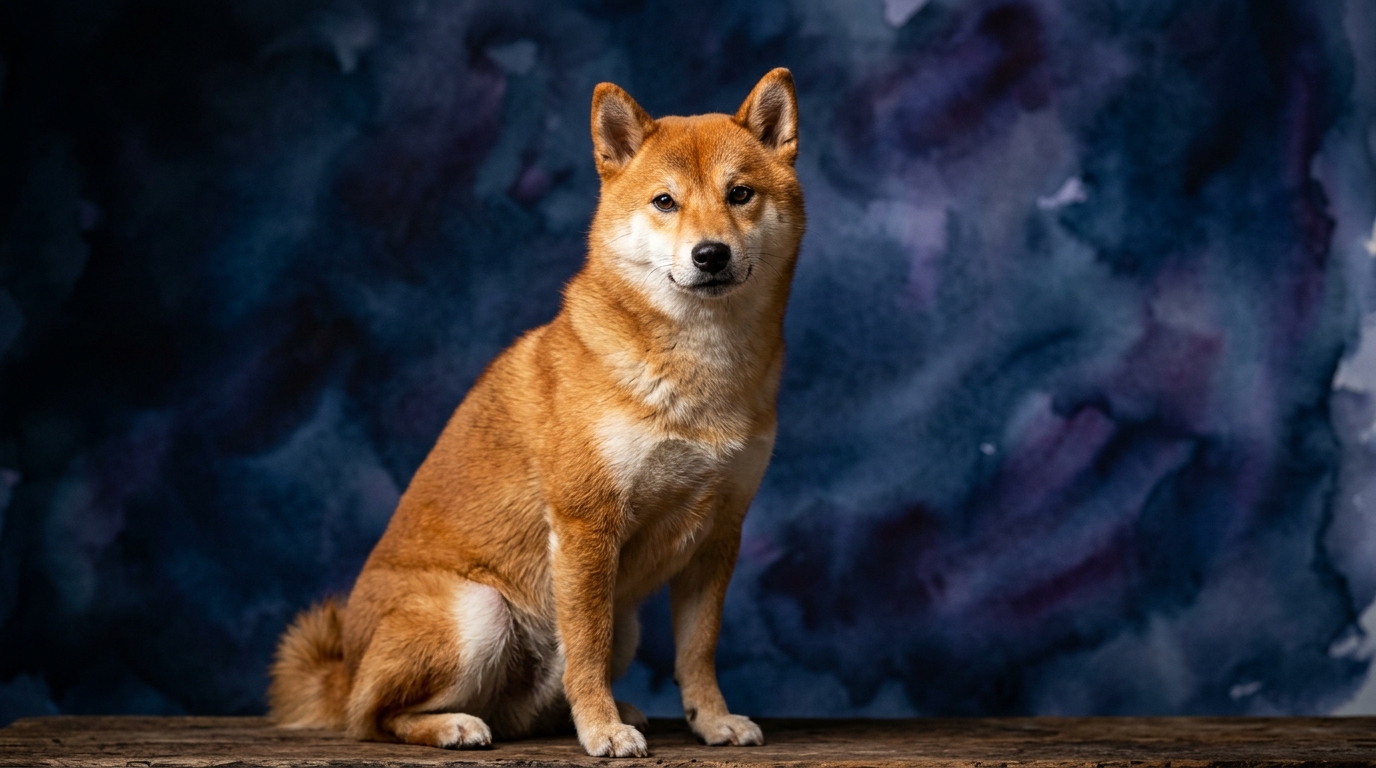
Shiba Inu (Non-Sporting Group): Problem Solving 4/5, Training Speed 2/5, Social Intelligence 3/5, Instinctive Drive 5/5, Memory 4/5. This breed exhibits a sharp, independent mind, adept at figuring out complex situations, especially when it benefits their own agenda. They excel at navigating environments and devising strategies to achieve goals like obtaining a desired item or escaping a confinement. Their independent nature often translates to a slower training pace; they learn commands but may choose to obey only if motivated, requiring consistent and engaging methods. While capable of forming strong bonds with their chosen family, they can be reserved with strangers. Their very strong prey drive and keen awareness reflect an ancestral hunting background, manifesting as a persistent desire to chase and explore. They demonstrate good recall for people, places, and routines, retaining both positive and negative experiences effectively.
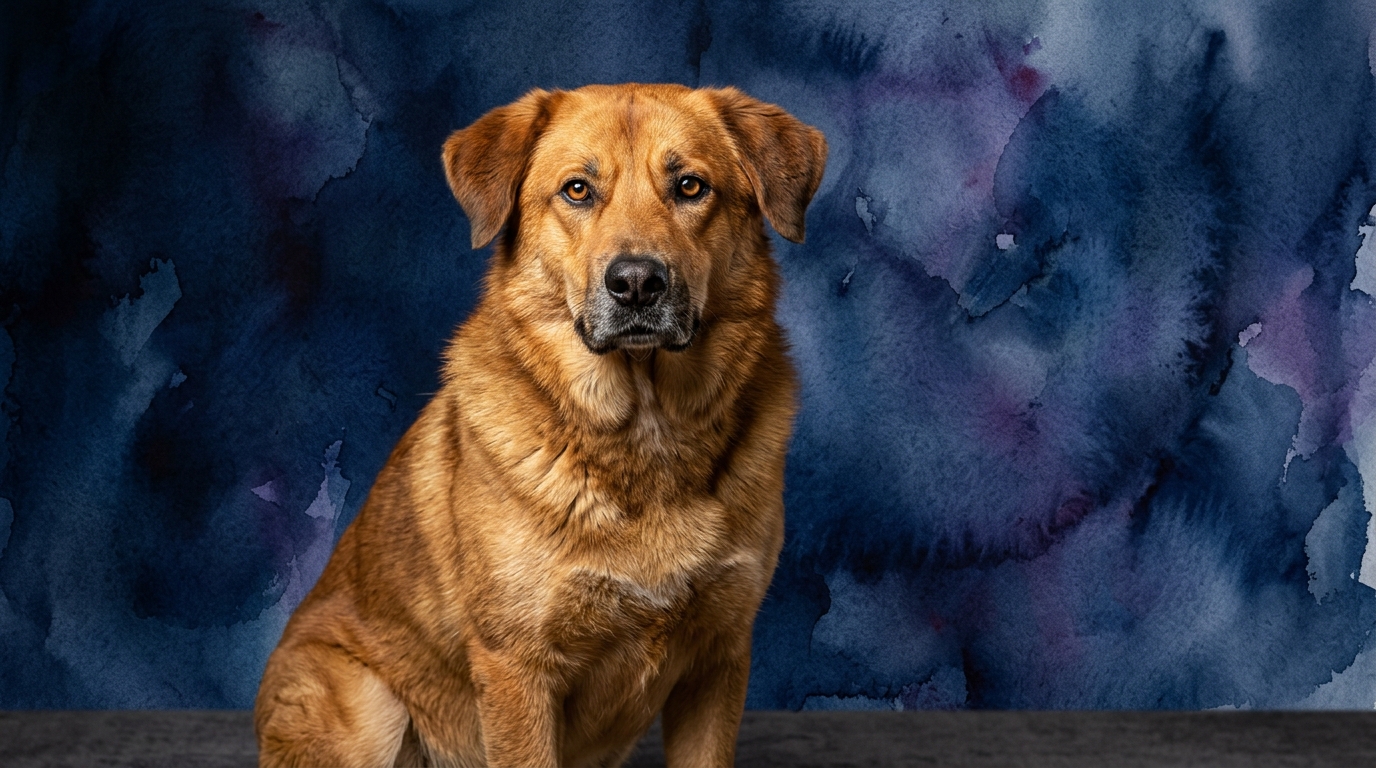
Chinook (Working Group): Problem Solving 3/5, Training Speed 3/5, Social Intelligence 3/5, Instinctive Drive 3/5, Memory 3/5. The Chinook is capable of solving practical problems, particularly those related to tasks and navigation, often relying on learned procedures rather than novel solutions. They are competent and focused when given a job to do. Generally responsive and willing to learn, they show a moderate pace in acquiring new commands, with their desire to work with their handler aiding the training process. Known for a gentle and agreeable disposition, they typically interact well with family members and are generally tolerant of strangers and other pets, attuned to human emotions and seeking companionship. They possess a moderate drive, primarily focused on companionship and fulfilling tasks alongside humans, such as pulling or hiking. They exhibit a solid memory for commands, routines, and familiar individuals, allowing them to follow established patterns consistently.
Where the Shiba Inu Wins Cognitively
The Shiba Inu's superior Problem Solving (4/5 versus Chinook's 3/5) and Instinctive Drive (5/5 versus Chinook's 3/5) offer a distinct cognitive edge in specific scenarios. Their capacity for independent thought means they are adept at strategizing, whether it's figuring out how to open a cabinet or outsmarting a small creature in the yard. This high drive, rooted in their ancient hunting heritage, fuels their persistent exploration and self-directed pursuits, making them formidable in tasks requiring sharp individual initiative rather than strict adherence to commands. Furthermore, their stronger Memory (4/5 versus Chinook's 3/5) allows them to retain complex environmental layouts and past interactions with greater precision, contributing to their discerning nature.
Where the Chinook Wins Cognitively
While the Chinook doesn't boast higher individual scores than the Shiba in any single category, its balanced cognitive profile presents a different kind of strength. With a Training Speed of 3/5 compared to the Shiba's 2/5, the Chinook generally exhibits a greater willingness to engage in structured learning and cooperative tasks. This translates into a smoother training experience, as they are more inclined to follow human direction. Their moderate Instinctive Drive (3/5) and cooperative Social Intelligence (3/5) mean they are less likely to be independently driven by strong prey instincts or aloofness, making them more adaptable to family life and team-oriented activities where partnership is key.
Which is Easier to Train and Why?
Training ease largely favors the Chinook, primarily due to its higher Training Speed (3/5) and more cooperative temperament. Chinooks generally possess an inherent desire to please their handlers and a willingness to work alongside them, a trait honed from their sled-pulling lineage. They are more receptive to commands and less prone to independent decision-making during training sessions, making them more straightforward to guide through new behaviors. Their solid memory ensures they retain learned patterns consistently.
In contrast, the Shiba Inu's lower Training Speed (2/5) and strong Problem Solving combined with a high Instinctive Drive often mean they learn quickly but choose to comply only if they perceive value or are adequately motivated. Their independent streak and often 'what's in it for me?' attitude can make training a consistent exercise in patience and creative engagement, requiring handlers to be more inventive and persistent in their methods to maintain their focus and cooperation. While they remember boundaries, they might test them often.
Suitability for Active vs. Relaxed Owners
Owners with an active lifestyle who appreciate a dog with a strong, independent spirit and a drive for exploration might find the Shiba Inu a compelling match. Their high Instinctive Drive (5/5) means they thrive on engaging mental and physical challenges, from scent work to agility, though always on their own terms. They require consistent mental stimulation to prevent boredom and destructive behaviors, making them less suitable for purely relaxed owners seeking a low-maintenance companion.
Conversely, the Chinook, with its balanced Instinctive Drive (3/5) and cooperative nature, is better suited for active owners who seek a steadfast companion for shared adventures like hiking, jogging, or even pulling light loads. While they enjoy activity, their drive is more focused on partnership rather than independent pursuit, making them more amenable to structured outdoor experiences. For owners seeking a more laid-back canine presence, the Chinook's lower independent drive and higher social engagement might make it a more adaptable choice for less intense daily routines, provided it still receives sufficient physical and mental outlets.
The Verdict
Opt for a Shiba Inu if you value an independent, sharp-witted companion who thrives on solving problems and exploring with a strong personal agenda, and you are prepared for a consistent, engaging training approach.
Select a Chinook if you desire a cooperative, loyal partner for shared adventures and family life, appreciating a more balanced drive and a smoother, more responsive training journey.
🧠 Find Your Pet's IQ Score
Our Pet IQ Lab assessment covers 25+ tests across 5 cognitive dimensions — personalized to your breed.
Take the Full IQ Test →Frequently Asked Questions
Are Shiba Inus difficult to live with due to their independence?
Shiba Inus possess a strong independent streak, reflecting their high Problem Solving and Instinctive Drive. While this makes them fascinating companions, it means they require early socialization and consistent, positive reinforcement training to channel their intelligence constructively, preventing them from becoming overly self-directed in unwanted ways.
Do Chinooks make good family pets despite being working dogs?
Yes, Chinooks generally make excellent family pets. Their balanced Social Intelligence and moderate Instinctive Drive mean they are typically gentle, patient, and eager to be part of the family unit, often forming strong bonds with children and other pets, provided they receive adequate exercise and mental engagement.
Which breed is better for first-time dog owners?
Given its more cooperative nature and higher Training Speed, the Chinook is generally more forgiving and adaptable for first-time dog owners who are committed to consistent training and socialization. The Shiba Inu's independent problem-solving and strong drive can be more challenging for those new to dog ownership.