Side-by-Side IQ Profile: Shiba Inu vs. Flat-Coated Retriever
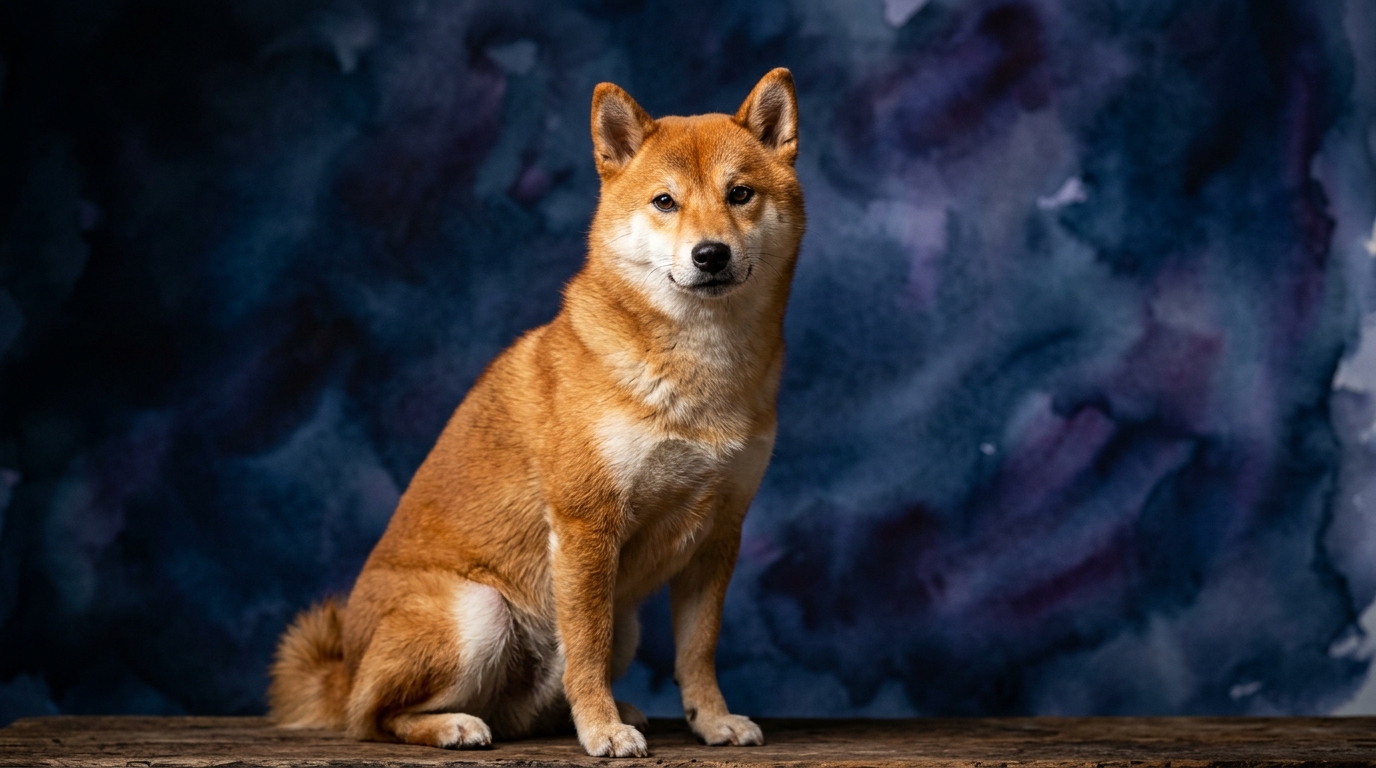
The Cosmic Pet Pet IQ Lab employs a five-dimensional framework to assess canine cognition, offering a granular view beyond simple 'smart' labels. For the Shiba Inu, a breed rooted in ancient Japan, its cognitive blueprint reveals a Problem Solving score of 4/5. This indicates a strong capacity for independent thought and strategic action, often applied to achieving their own objectives rather than always seeking human direction. Their Training Speed, however, registers at 2/5, reflecting a selective willingness to engage with formal instruction, often prioritizing their own perceived interests. Social Intelligence for the Shiba Inu sits at 3/5, suggesting they understand social cues but maintain a degree of self-reliance, not always seeking close human collaboration. A striking feature is their Instinctive Drive, a perfect 5/5, highlighting potent natural urges such as hunting small prey or patrolling their territory. Finally, their Memory is solid at 4/5, meaning they retain experiences and learned associations effectively, for better or worse.
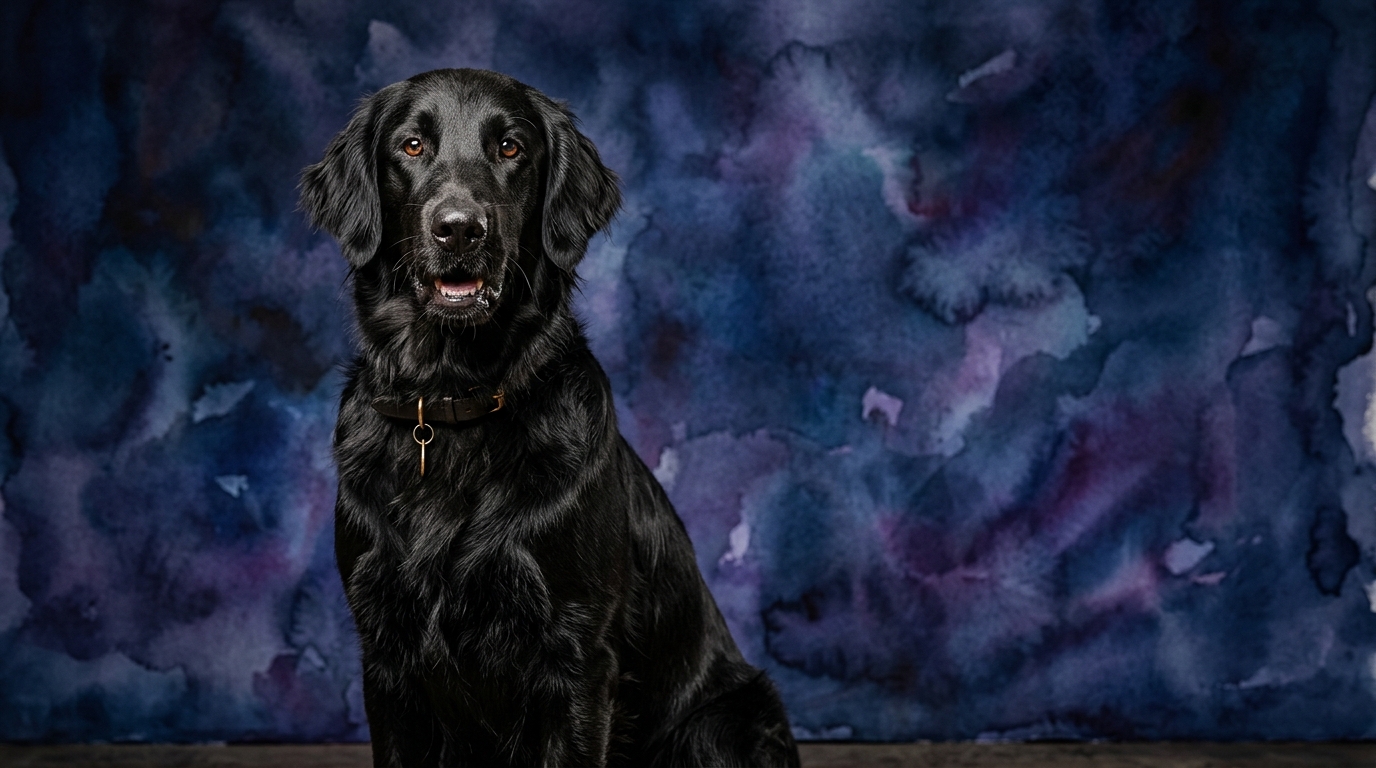
In contrast, the Flat-Coated Retriever, a 19th-century British creation bred for game retrieval, presents a different cognitive landscape. Like the Shiba Inu, their Problem Solving ability is rated 4/5, but this aptitude is often channeled into cooperative tasks, figuring out how to achieve a shared goal with their handler. Their Training Speed shines at 4/5, indicative of a breed that typically absorbs new commands and routines with enthusiasm and speed, eager to please and engage. Social Intelligence is also 3/5, similar to the Shiba, yet for the Flat-Coat, this often translates into a more overtly friendly and interactive approach to social situations. Their Instinctive Drive is a moderate 3/5, primarily focused on retrieving and interaction, less on independent hunting or guarding. Where the Flat-Coated Retriever truly excels is in Memory, earning a perfect 5/5. This exceptional recall underpins their proficiency in complex tasks, remembering intricate sequences and commands over extended periods, a crucial trait for a working retriever.
Where the Shiba Inu Wins Cognitively
While their Problem Solving scores are numerically identical, the Shiba Inu's 4/5 in this dimension often manifests as a unique brand of cognitive prowess: independent strategizing. Unlike breeds that lean on human guidance to solve puzzles, Shibas frequently devise their own methods to achieve their goals, whether it's outwitting a baby gate or retrieving a dropped toy from an awkward spot without waiting for a prompt. This self-directed problem-solving is intrinsically linked to their formidable 5/5 Instinctive Drive. This drive isn't just about chasing squirrels; it's a deep-seated motivation to act on their natural impulses, making them incredibly self-sufficient in certain environments. Their ability to remember these self-taught lessons (Memory 4/5) further reinforces their independent problem-solving cycle. For an owner who appreciates a canine companion with a strong internal compass and the cognitive capacity to navigate challenges on their own terms, the Shiba's blend of self-reliance and acute instinct presents a distinct cognitive advantage, fostering a bond built on respect for their unique autonomy.
Where the Flat-Coated Retriever Wins Cognitively
The Flat-Coated Retriever distinctly outshines the Shiba Inu in areas crucial for partnership and complex task learning. Their Training Speed, a robust 4/5, is a clear cognitive advantage, signifying a breed that not only understands new commands quickly but is also highly motivated to perform them. This rapid absorption of new information and eagerness to comply makes them exceptionally adaptable to diverse training regimens, from obedience and agility to specialized working roles. Hand-in-hand with this swift learning is their unparalleled Memory, scoring a perfect 5/5. This exceptional recall allows Flat-Coats to retain vast repertoires of commands, intricate sequences, and past experiences with remarkable accuracy. They can remember subtle cues and complex routines over long durations, making them ideal candidates for advanced training and consistent performance. While their Problem Solving is also 4/5, it's often applied cooperatively, leveraging their memory and training speed to work *with* their handler to navigate challenges, rather than independently. This combination of swift learning, outstanding memory, and a cooperative problem-solving approach makes the Flat-Coated Retriever a standout for owners seeking a highly responsive and consistently performing canine partner.
Which is Easier to Train and Why
Assessing ease of training requires a closer look at the interplay between Training Speed, Instinctive Drive, and Social Intelligence. Without question, the Flat-Coated Retriever presents a far easier training experience than the Shiba Inu. The Flat-Coat's 4/5 Training Speed means they readily pick up new cues and behaviors, propelled by a natural desire to engage with their human companions. Their moderate 3/5 Instinctive Drive is channeled productively into tasks like retrieving and interacting, rather than being a strong distraction. This breed often finds joy in the training process itself, viewing it as a cooperative game. Their Coren ranking of #17 among breeds for working intelligence and obedience is a testament to this inherent trainability, indicating they understand new commands with few repetitions and obey the first command a high percentage of the time.
Conversely, the Shiba Inu's 2/5 Training Speed makes formal instruction a more protracted affair. Their strong 5/5 Instinctive Drive means they are often more attuned to their environment and internal motivations than to human commands. A Shiba might understand what you want but choose to prioritize chasing a leaf or investigating a scent over performing a 'sit.' Their moderate 3/5 Social Intelligence, while allowing for connection, doesn't translate into an inherent eagerness to please in the same way a Flat-Coat's might. Training a Shiba often requires immense patience, creativity, and a deep understanding of their independent nature, leveraging high-value rewards to make compliance more appealing than their innate desires. While they are capable of learning, their disposition means they are not inherently motivated by the human desire for obedience, making the journey significantly more challenging for the average owner.
Suiting Active vs. Relaxed Owners
The choice between a Shiba Inu and a Flat-Coated Retriever also hinges significantly on an owner's lifestyle, particularly their activity level and willingness to engage with their dog's specific cognitive and physical needs. The Flat-Coated Retriever, with its energetic demeanor and cooperative intelligence, is an ideal match for active owners. Their moderate Instinctive Drive (3/5), coupled with high physical stamina, means they thrive on regular, vigorous exercise like long runs, hikes, or swimming. Cognitively, their high Training Speed (4/5) and exceptional Memory (5/5) demand mental stimulation through consistent training, dog sports like agility or obedience, or complex retrieving games. A Flat-Coat needs a job, even if that job is fetching a ball repeatedly, and an owner who can consistently provide both physical outlets and engaging mental challenges will find them a joyful and fulfilling companion.
The Shiba Inu, while possessing a formidable 5/5 Instinctive Drive, often expresses this in bursts of activity interspersed with periods of aloof relaxation. They are not typically a breed that requires constant, high-intensity exercise like a retriever. Their independent problem-solving (4/5) and lower Training Speed (2/5) suggest they are more suited for owners who appreciate a dog that can entertain itself and isn't constantly seeking direction. While they do require daily walks and opportunities to explore safely, their need for human-directed engagement is generally lower. A relaxed owner who enjoys a dog that can be content lounging but also appreciates a spirited, independent companion during outdoor adventures might find a Shiba Inu to be a better fit. However, 'relaxed' does not mean 'inactive'; owners must still be prepared to manage their strong instinctive drives and provide secure boundaries for their self-directed exploration.
The Verdict
Choose a Shiba Inu if you appreciate a self-reliant, spirited companion with a strong independent streak and a keen instinct for navigating their own world, and you are prepared for a more challenging but rewarding training journey.
Opt for a Flat-Coated Retriever if you desire a highly trainable, energetic, and cooperative partner eager to engage in activities, learn new commands swiftly, and thrive on consistent mental and physical challenges alongside you.
🧠 Find Your Pet's IQ Score
Our Pet IQ Lab assessment covers 25+ tests across 5 cognitive dimensions — personalized to your breed.
Take the Full IQ Test →Frequently Asked Questions
Is a Shiba Inu difficult to train?
Yes, Shiba Inus are generally considered more challenging to train due to their strong independent nature and lower Training Speed (2/5). They often prioritize their own instincts over human commands, requiring significant patience and motivation-based techniques.
Are Flat-Coated Retrievers good family dogs?
Flat-Coated Retrievers can be excellent family dogs, known for their cheerful disposition and eagerness to engage. Their cooperative nature and high trainability (4/5 Training Speed, 5/5 Memory) make them adaptable to family life, especially with active households.
Which breed is better for a first-time dog owner?
For a first-time dog owner, the Flat-Coated Retriever is generally a more suitable choice due to their higher trainability and eager-to-please temperament. The Shiba Inu's independent nature and training challenges can be overwhelming for those new to dog ownership.