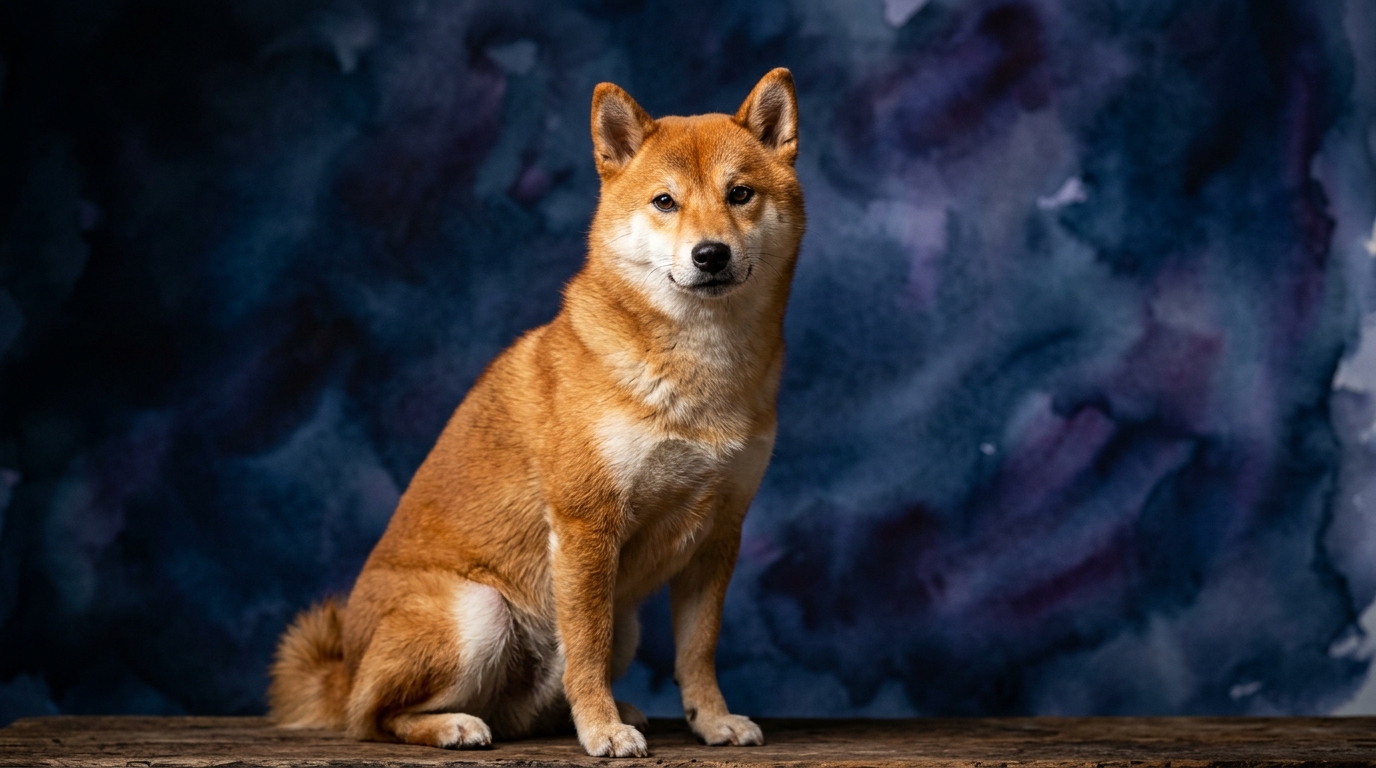
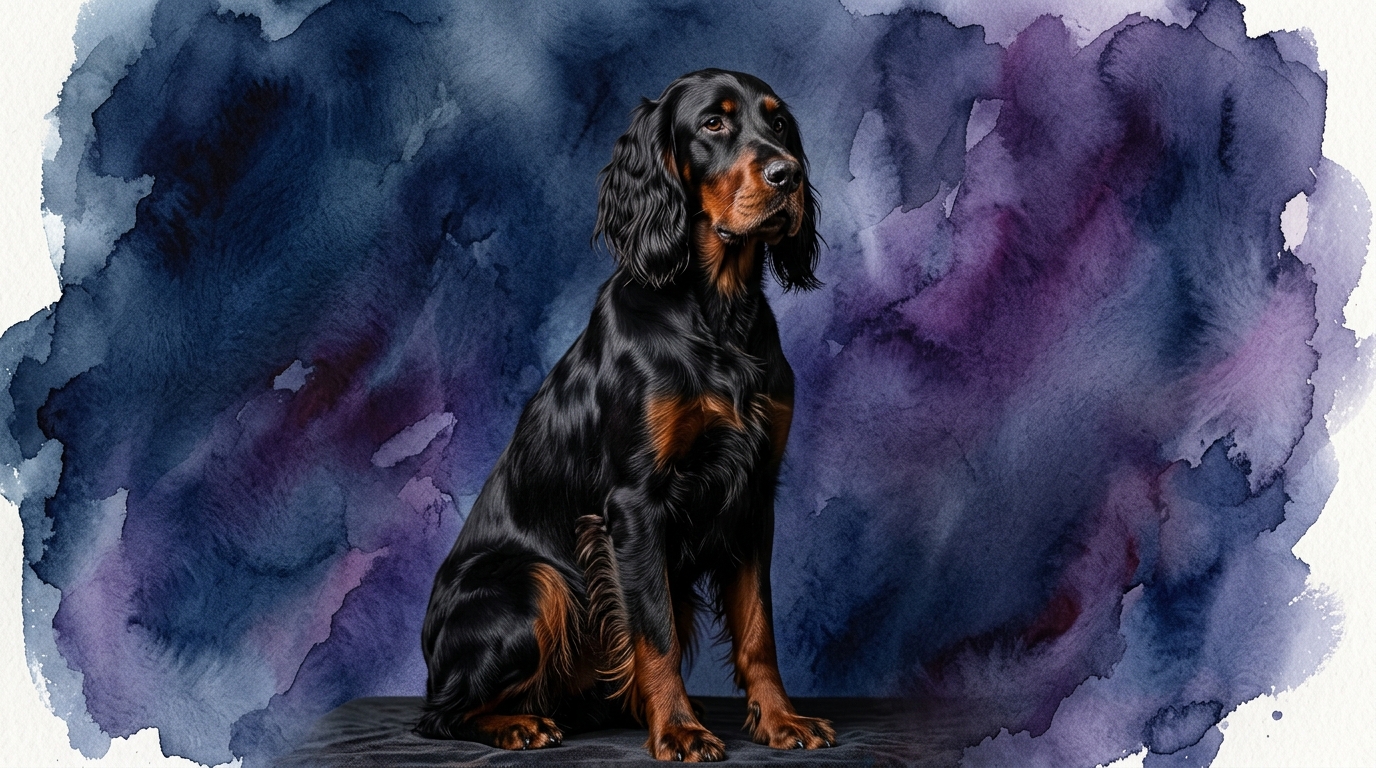
Side-by-Side IQ Profile: Shiba Inu vs. Gordon Setter
**Shiba Inu (Non-Sporting, Not Coren-ranked)**: This Japanese breed exhibits a strong cognitive profile marked by independence. Its problem-solving is rated 4/5, indicating a capacity for clever, often self-directed solutions that might not always align with human expectations. Training speed stands at 2/5, reflecting a breed that learns at its own pace and often requires motivation beyond simple compliance. Social intelligence is 3/5, suggesting they understand social cues but engage on their terms. The Shiba truly shines in its instinctive drive, scoring an impressive 5/5, encompassing powerful prey drive, territorial instincts, and a deep connection to its environment. Finally, its memory is rated 4/5, allowing it to retain complex information and routines effectively.
**Gordon Setter (Sporting, Coren rank #39)**: The Scottish Gordon Setter presents a different cognitive blueprint, placing it at a respectable #39 in Coren's ranking. Its problem-solving ability matches the Shiba at 4/5, often manifesting as a keenness to understand tasks and work cooperatively. A significant difference lies in its training speed, rated 4/5, indicating a quick grasp of commands and a desire to please, making it generally more responsive. Social intelligence is 3/5, meaning they are aware of social dynamics but are not excessively effusive or aloof. Its instinctive drive is 3/5, reflecting a strong but manageable hunting instinct, primarily focused on scent work and retrieving. Like the Shiba, the Gordon Setter possesses a memory rated 4/5, enabling it to recall complex sequences and past experiences.
Where the Shiba Inu Wins Cognitively
The Shiba Inu's cognitive strengths distinctly emerge in its profound instinctive drive, rated 5/5. This encompasses a powerful prey drive, territorial instincts, and an independent approach to navigating its world. While the Gordon Setter possesses hunting instincts, the Shiba’s drive is more encompassing and less directed by human partnership. This translates into a dog that is exceptionally self-reliant, capable of making independent decisions in novel situations, and often finding ingenious ways to achieve its goals. Its 4/5 problem-solving, coupled with this high drive, means a Shiba might figure out how to open a gate or access a forbidden treat without direct instruction, purely out of its own motivation and cleverness.
Where the Gordon Setter Wins Cognitively
The Gordon Setter's cognitive advantages are most evident in its superior training speed, rated 4/5. This breed exhibits a genuine eagerness to learn and cooperate, absorbing new commands and routines with relative ease compared to the Shiba Inu. This quick learning ability, combined with its 4/5 problem-solving capacity, allows the Gordon Setter to excel in tasks requiring both understanding and execution, such as complex obedience routines, agility courses, or intricate field work. Its problem-solving is often channeled towards understanding its handler's intent and finding the most efficient way to complete a shared objective. Furthermore, its instinctive drive, while lower at 3/5, is specifically geared towards working alongside humans, making it a more focused and biddable partner in activities leveraging these natural tendencies.
Which is Easier to Train and Why
Between these two breeds, the Gordon Setter is generally easier to train, primarily due to its significantly higher training speed (4/5 compared to the Shiba Inu's 2/5). The Gordon Setter's heritage as a gundog cultivated a strong desire to work collaboratively with humans, making them naturally more attentive and responsive to commands. They tend to grasp new concepts quickly and are often motivated by praise and the opportunity to please their handler. In contrast, the Shiba Inu's independence and lower training speed mean that while they are capable of learning, they often require more patience, creativity, and consistent motivation. A Shiba might understand a command but choose not to execute it if it doesn't see an immediate benefit or if something more interesting captures its attention. Their problem-solving often leads them to figure out how to avoid unwanted tasks, which can be perceived as stubbornness.
Which Suits Active Owners vs. Relaxed Owners
For owners seeking an active, engaged companion eager for structured activities, the Gordon Setter is a more suitable choice. Its combination of 4/5 problem-solving, 4/5 training speed, and a manageable 3/5 instinctive drive means it thrives on purpose-driven work like long hikes, scent games, or dog sports. Its biddable nature makes it an excellent partner for owners who enjoy consistent training and outdoor adventures. Conversely, the Shiba Inu, with its 5/5 instinctive drive and independent problem-solving, is better suited for owners who appreciate a more self-reliant canine and are prepared for a dog with a strong will. While also active, a Shiba's activity might involve independent exploration or chasing squirrels rather than adhering strictly to a human-led agenda. Relaxed owners might find the Shiba's independence challenging, while the Gordon Setter's desire for partnership makes it a more predictable and cooperative companion for shared activities.
The Verdict
Choose a Shiba Inu if you appreciate an independent, clever companion with a strong will and are prepared to engage with its unique, self-directed problem-solving and powerful instinctive drives.
Opt for a Gordon Setter if you desire a biddable, intelligent partner eager to learn and participate in structured activities, thriving on cooperative training and shared outdoor adventures.
🧠 Find Your Pet's IQ Score
Our Pet IQ Lab assessment covers 25+ tests across 5 cognitive dimensions — personalized to your breed.
Take the Full IQ Test →Frequently Asked Questions
How does the Shiba Inu's independence compare to the Gordon Setter's biddability in daily life?
The Shiba Inu's independence often means it makes its own decisions, which can manifest as selective hearing or a preference for self-amusement over handler instruction, requiring consistent motivation. The Gordon Setter's biddability, conversely, means it generally seeks to cooperate and please its owner, making it more responsive to commands and easier to guide in daily routines.
How does their problem-solving ability differ in practical application?
Both breeds have a 4/5 problem-solving rating, but the Shiba Inu often applies it to achieve its own goals, like escaping a yard or outsmarting a puzzle toy independently. The Gordon Setter typically uses its problem-solving to understand and execute tasks given by its owner, making it adept at complex obedience or learning intricate hunting patterns.
What impact does their instinctive drive have on an owner's lifestyle?
The Shiba Inu's 5/5 instinctive drive necessitates secure containment and vigilance against chasing small animals, often leading to independent outdoor excursions if given the chance. The Gordon Setter's 3/5 drive, while present, is more focused and manageable for structured activities like tracking or retrieving, making them more predictable companions in varied environments.