Side-by-Side Cognitive Profiles: Decoding Canine Minds
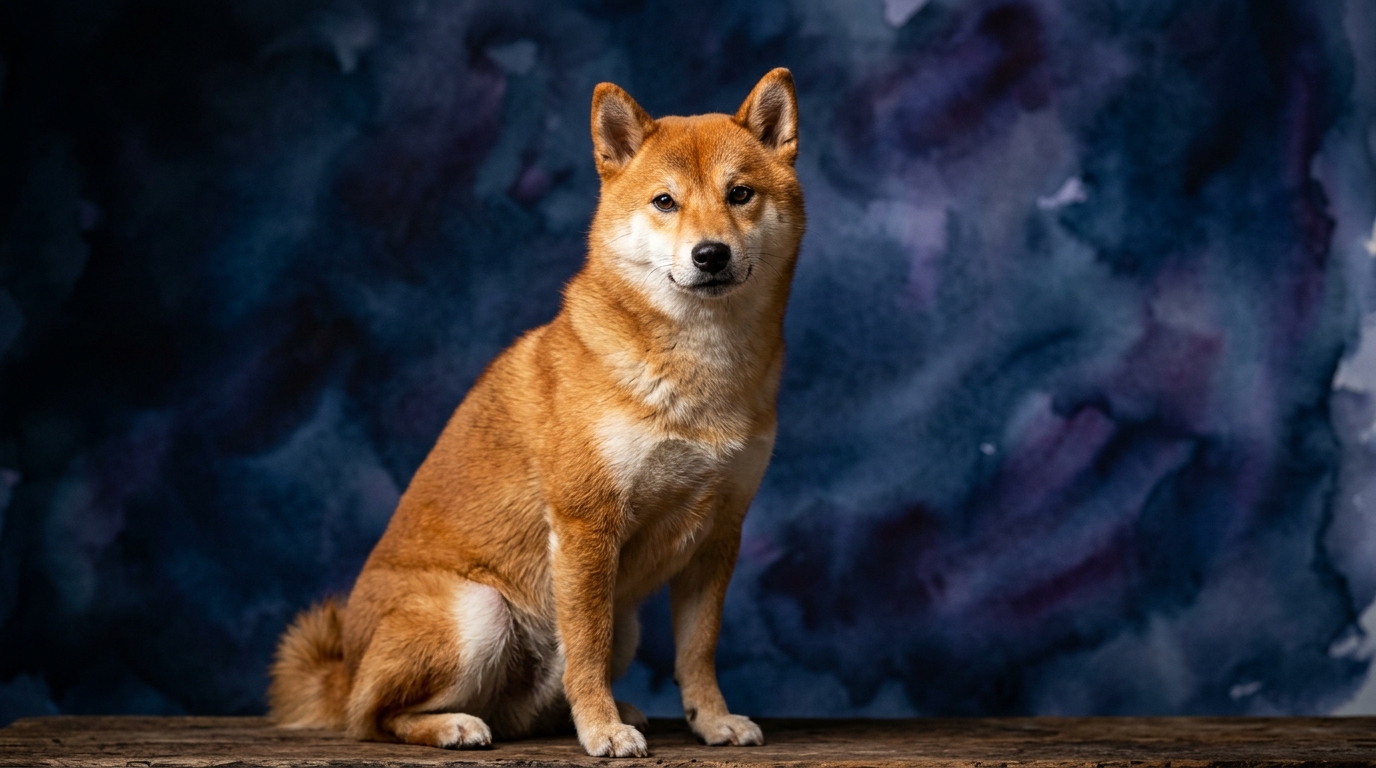
The Cosmic Pet Pet IQ Lab provides a unique framework to understand the intrinsic cognitive abilities of different dog breeds. For the Shiba Inu, our profile paints a picture of a resourceful and driven individualist. Their Problem Solving is rated at 4/5, indicating a strong capacity for independent thought and finding solutions, sometimes even when humans prefer they didn't. Training Speed, however, stands at 2/5, suggesting a need for patience and consistent, engaging methods, as they often require compelling reasons to comply. Social Intelligence is 3/5, meaning they are capable of understanding social cues but may choose to engage on their own terms, reflecting their independent nature. Their Instinctive Drive is notably high at 5/5, pointing to a powerful internal motivation, often tied to their original purpose. Finally, Memory is strong at 4/5, allowing them to retain learned behaviors and experiences over time.
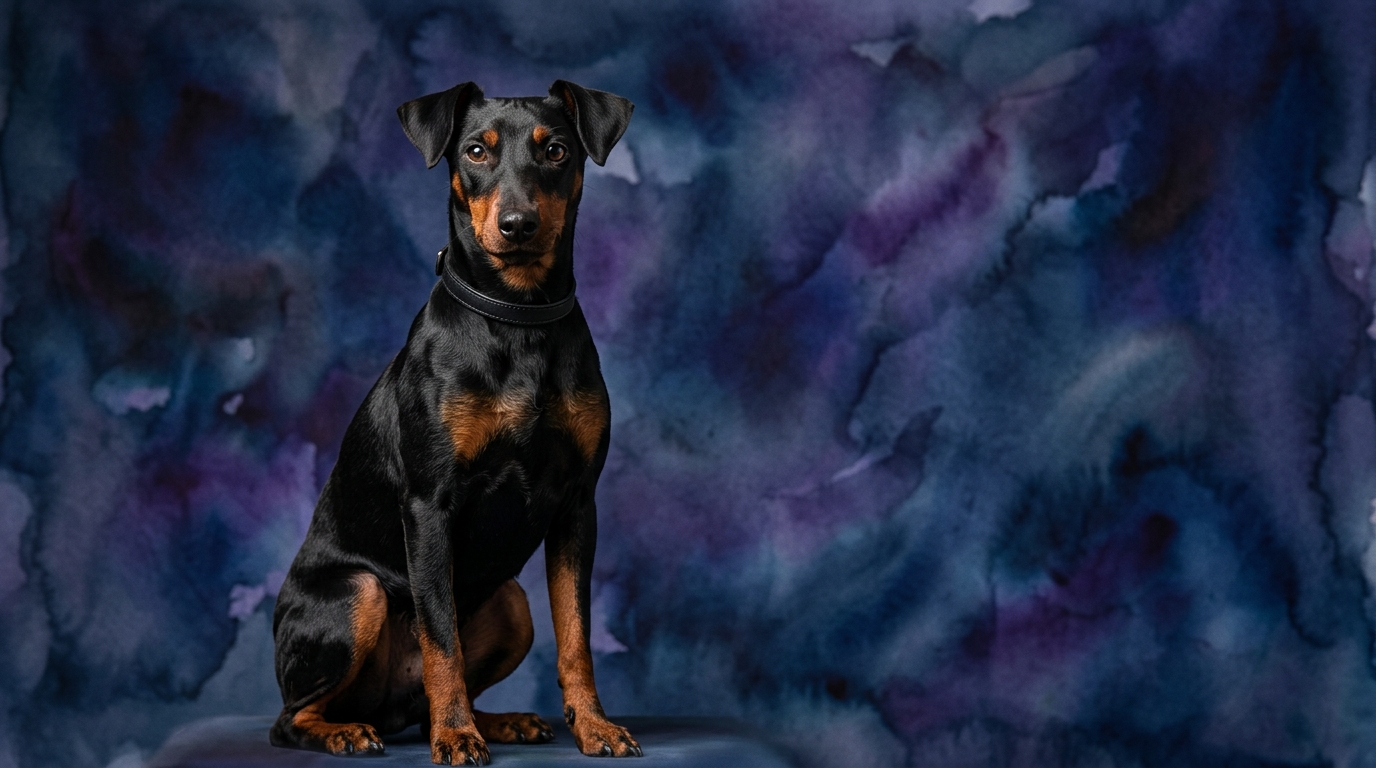
In contrast, the Manchester Terrier presents a more balanced and generally amenable cognitive profile. Their Problem Solving ability is rated 3/5, indicating a competent capacity for navigating challenges, though perhaps less inclined towards highly independent or complex solutions than the Shiba. Training Speed is 3/5, suggesting they are reasonably quick learners who respond well to positive reinforcement and clear instruction. Their Social Intelligence also sits at 3/5, making them capable of forming strong bonds and understanding social dynamics within their family unit. Instinctive Drive is 3/5, a moderate level that provides motivation for activities without being overwhelmingly dominant. Their Memory is also 3/5, meaning they retain information adequately, but perhaps without the near-photographic recall sometimes observed in breeds with higher scores in this dimension. These consistent scores across the board often translate to a more predictable and adaptable companion.
Where the Shiba Inu Cognitively Outshines
The Shiba Inu’s cognitive strengths truly emerge in areas demanding independent thought and robust recall. With a Problem Solving score of 4/5, they demonstrate a remarkable ability to navigate complex situations on their own terms. This often manifests in clever strategies for obtaining desired items, figuring out how to open gates, or devising unique ways to avoid unwanted commands. Owners frequently report their Shibas outsmarting them in subtle, almost playful ways, showcasing a deep understanding of their environment and how to manipulate it to their advantage. This isn't just about simple curiosity; it's a sophisticated application of cause and effect, often driven by their strong internal motivations.
Furthermore, the Shiba Inu's Memory, rated at 4/5, allows them to retain intricate details and learned patterns over extended periods. This means a Shiba might remember a specific hiding spot for treats discovered weeks ago, or recall a particular route taken only a few times. While their Training Speed is lower, their excellent memory means that once a behavior is truly ingrained and understood, it tends to stick. This combination of high problem-solving and strong memory makes them adept at navigating their world autonomously and learning from past experiences, even if those lessons aren't always what their human companions intended.
Where the Manchester Terrier Cognitively Excels
While the Manchester Terrier may not boast the same extremes in specific cognitive dimensions as the Shiba Inu, their consistent and balanced scores across the board present a unique cognitive advantage: adaptability and general biddability. With a solid 3/5 in Problem Solving, Training Speed, Social Intelligence, Instinctive Drive, and Memory, the Manchester Terrier typically offers a more predictable and harmonious partnership for many households. Their moderate Instinctive Drive (3/5) means they are less likely to be solely driven by primal urges, making them more receptive to human guidance and less prone to independent ventures that might conflict with household rules.
The Manchester Terrier's 3/5 Training Speed, coupled with a 3/5 Social Intelligence, means they are generally willing and able learners who enjoy interacting with their human family. They tend to pick up new commands at a steady pace and are more inclined to seek cooperation, understanding their role within the family unit. This balanced cognitive profile allows them to excel in a variety of roles, from family companion to participation in dog sports, without the intense focus or independent streak that can sometimes make other breeds more challenging. Their cognitive strength lies in their well-roundedness, making them a more straightforward and often more eager partner in training and daily life.
Ease of Training: Understanding Behavioral Differences
When it comes to ease of training, the Manchester Terrier generally presents a more straightforward path for the average owner compared to the Shiba Inu. The Manchester Terrier's Training Speed of 3/5 indicates a responsive learner who is typically eager to please and receptive to positive reinforcement. Their moderate Instinctive Drive (3/5) means that while they possess a healthy zest for life, they are less likely to be overwhelmingly distracted by environmental stimuli or their own independent agenda during training sessions. They generally grasp new commands at a reasonable pace and are motivated by praise, treats, and the opportunity to engage with their handler. Their Social Intelligence (3/5) also contributes to their trainability, as they are capable of understanding human intentions and cues, fostering a cooperative learning environment.
The Shiba Inu, on the other hand, presents a more significant training challenge due to their lower Training Speed (2/5) and exceptionally high Instinctive Drive (5/5). Shibas are renowned for their independent spirit and often only comply if they perceive a direct benefit to themselves. Their strong drive means they are easily distracted by intriguing scents, sights, or potential prey, making consistent focus during training difficult without extremely high-value rewards and engaging methods. Their problem-solving prowess (4/5) can sometimes work against their trainability, as they may independently figure out ways to circumvent commands or training expectations. Training a Shiba requires immense patience, creativity, and a deep understanding of their unique motivations, often feeling more like a negotiation than a command-and-response exercise. They are not necessarily 'stubborn' but rather possess a self-sufficient mindset that prioritizes their own interests.
Matching Breeds to Lifestyles: Active vs. Relaxed Owners
For owners seeking a highly active companion who thrives on mental engagement and can keep up with a fast-paced lifestyle, the Shiba Inu might seem like a natural fit due to their high Instinctive Drive (5/5). However, this drive often manifests as an independent quest, meaning they need owners who appreciate a dog with their own agenda and are prepared to channel that drive into activities that satisfy their innate motivations, such as scent work, challenging puzzle toys, or secure off-leash areas where they can explore safely. Active owners who enjoy problem-solving alongside their dog and can provide consistent, stimulating outlets for their independent spirit will find a rewarding, if sometimes challenging, partner in the Shiba. They are not necessarily a dog for a relaxed owner who expects a biddable, couch-potato companion, as their cognitive makeup demands significant mental and physical engagement, often on their own terms.
The Manchester Terrier, with its balanced cognitive profile, offers more versatility for both moderately active and somewhat relaxed owners, provided their needs for exercise and companionship are met. Their moderate Instinctive Drive (3/5) means they enjoy activity but aren't typically driven to the same intense, independent pursuits as a Shiba. They are generally content with daily walks, play sessions, and engaging in activities alongside their human family. Their decent Training Speed (3/5) and Social Intelligence (3/5) make them good candidates for dog sports like agility, obedience, or earthdog trials, where they can expend energy and engage their minds cooperatively. While they appreciate a good romp, they are also more inclined to settle down with their family afterward. Owners seeking a dog that is adaptable to varying activity levels, enjoys cooperative learning, and offers a more predictable temperament will likely find the Manchester Terrier a suitable and engaging companion.
The Verdict
Choose the Shiba Inu if you are an experienced owner who appreciates an independent, intelligent, and deeply resourceful companion, prepared for a rewarding training challenge and able to provide ample mental stimulation on their terms.
Opt for the Manchester Terrier if you seek a versatile, biddable, and moderately active companion who learns readily, enjoys cooperative activities, and offers a more predictable temperament for a harmonious family life.
🧠 Find Your Pet's IQ Score
Our Pet IQ Lab assessment covers 25+ tests across 5 cognitive dimensions — personalized to your breed.
Take the Full IQ Test →Frequently Asked Questions
Are Shiba Inus truly 'stubborn' or just independent?
Shiba Inus are often perceived as stubborn due to their low Training Speed and high Instinctive Drive. It's more accurate to describe them as highly independent thinkers who prioritize their own perceived benefits, requiring owners to be creative and consistent in their training approaches to gain cooperation.
Which breed is better for first-time dog owners?
Generally, the Manchester Terrier is a more suitable choice for first-time dog owners due to their higher Training Speed and more balanced Instinctive Drive, making them more amenable to training and less prone to independent challenges than the Shiba Inu.
Do Manchester Terriers have a strong prey drive?
While Manchester Terriers have an Instinctive Drive of 3/5, reflecting their terrier heritage, it is moderate compared to some breeds. They do possess a prey drive, but it is typically manageable with consistent training and socialization, making them less likely to be overwhelmingly driven by it than breeds with higher scores.