The Cosmic Pet Pet IQ Lab: Side-by-Side Cognitive Profiles
At The Cosmic Pet Pet IQ Lab, we assess canine cognition across five crucial dimensions, providing a nuanced understanding of each breed's mental makeup. For the Shiba Inu and Norfolk Terrier, these profiles paint a clear picture of their distinct approaches to the world.
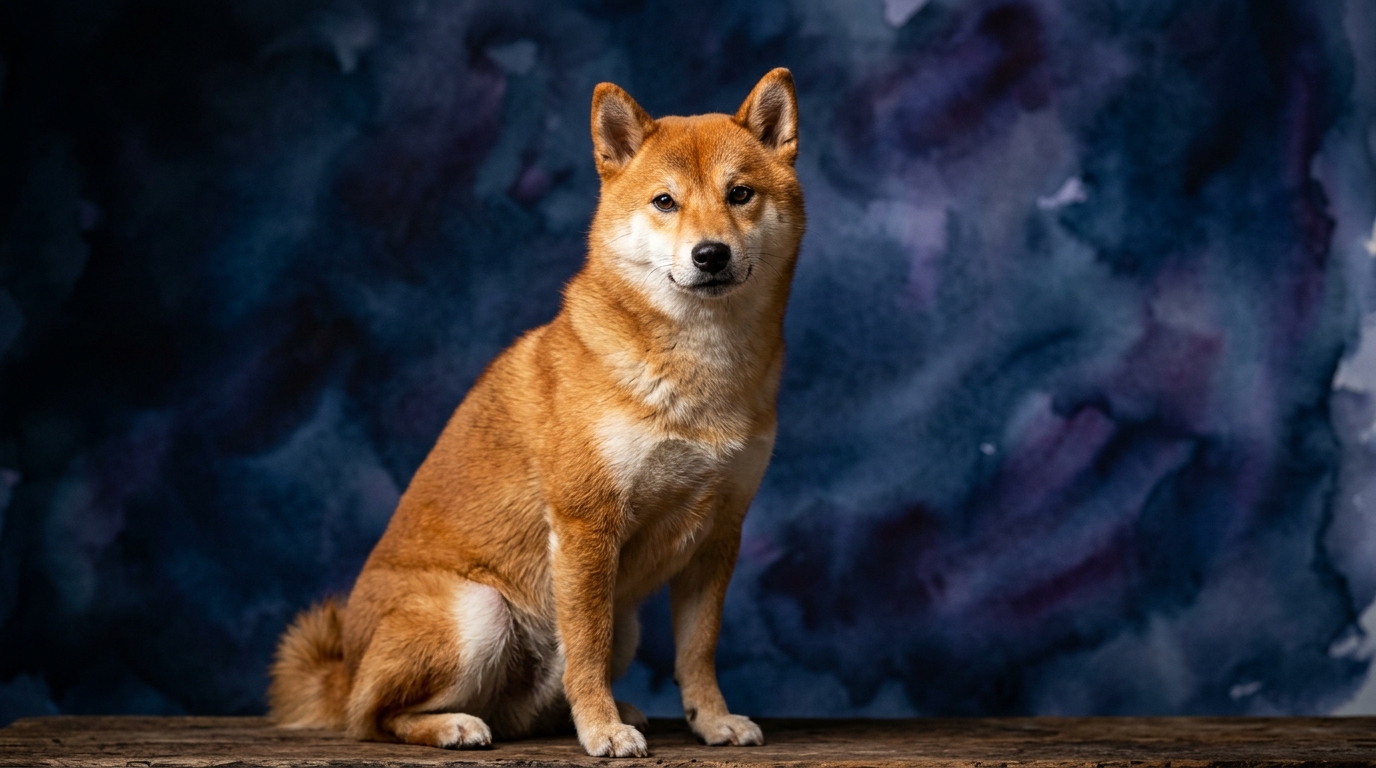
The Shiba Inu, an ancient Japanese breed, exhibits a remarkable blend of cleverness and self-reliance. Its Problem Solving score of 4/5 indicates a high capacity for figuring out complex situations, often to achieve its own goals, like opening gates or accessing treats. However, its Training Speed of 2/5 reflects a strong independent streak; while capable of learning, the Shiba often weighs whether a command is worth its effort. Social Intelligence at 3/5 suggests it understands human cues but may choose not to engage, often forming deep bonds with family while remaining aloof with strangers. An Instinctive Drive of 5/5 highlights its potent prey drive and an ingrained desire to hunt and explore, a testament to its ancestral purpose. Finally, a Memory score of 4/5 means the Shiba retains experiences, both positive and negative, with considerable fidelity, remembering routes, people, and specific events clearly.
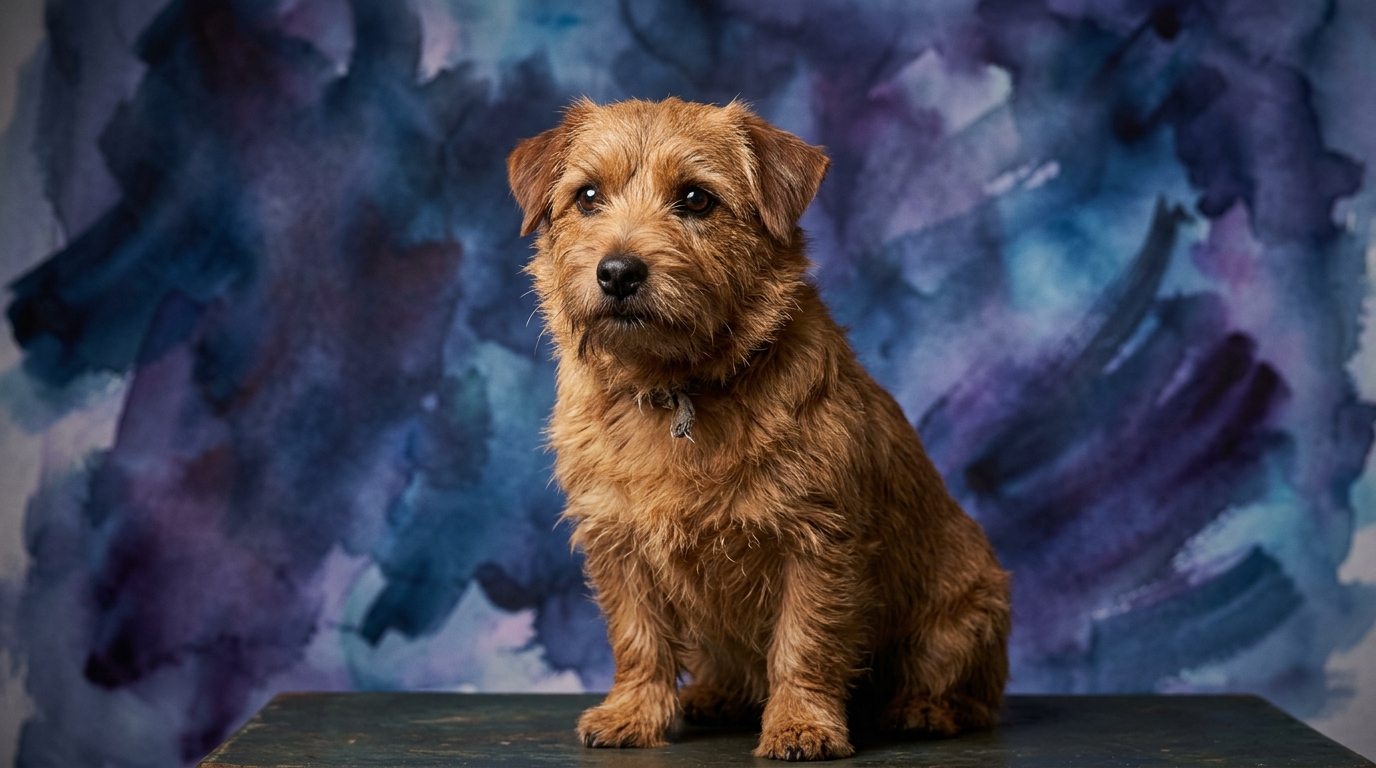
The Norfolk Terrier, a robust working terrier from England, presents a different cognitive blueprint. Its Problem Solving ability, rated 3/5, shows practical intelligence, particularly in tasks related to its terrier heritage, such as navigating obstacles or locating hidden items. A Training Speed of 3/5 indicates a moderate pace of learning; they are generally willing to engage but can be distracted by their environment or independent terrier spirit. Social Intelligence, also 3/5, means the Norfolk is typically amiable and capable of reading human emotions, often seeking to participate in family activities. Its Instinctive Drive of 3/5 is moderate, still present with a desire to dig and chase, but generally more manageable than the Shiba's intense drive. A Memory score of 3/5 suggests a good capacity for retaining routines and commands, though perhaps not with the Shiba's intricate detail for past events.
Where the Shiba Inu Cognitively Outshines
The Shiba Inu's cognitive strengths lie primarily in its independent problem-solving and profound instinctive awareness. With a 4/5 in Problem Solving compared to the Norfolk's 3/5, the Shiba demonstrates a superior ability to devise ingenious solutions, particularly when self-motivated. This manifests in behaviors like strategically planning escapes from yards, outsmarting puzzle toys, or figuring out how to access forbidden areas. Their resourcefulness is often a marvel, albeit sometimes a challenge for owners. This isn't just about simple tasks; it's about a dog that can logically connect steps to achieve a desired outcome.
Furthermore, the Shiba's Instinctive Drive, rated 5/5 against the Norfolk's 3/5, points to an unparalleled depth of ingrained behaviors and environmental awareness. This intense drive means they are highly attuned to their surroundings, constantly processing stimuli related to potential 'prey' or exploration opportunities. While demanding for an owner, this reflects a sophisticated, ancient neural wiring dedicated to survival and observation. This breed embodies a powerful connection to its wild heritage, offering a glimpse into a highly refined, instinct-driven intelligence. Their 4/5 Memory also gives them an edge, allowing them to recall complex sequences or associations with remarkable precision, which can be both a blessing for learned good habits and a curse for remembered negative experiences.
Where the Norfolk Terrier Cognitively Excels
The Norfolk Terrier's cognitive advantages emerge in areas related to cooperative learning and social adaptability. With a Training Speed of 3/5 compared to the Shiba's 2/5, the Norfolk typically picks up new commands and routines more readily. This isn't necessarily due to higher raw processing power, but rather a greater inclination to work alongside their human companions. Their desire for engagement and eagerness to please, characteristic of many terriers, facilitates quicker association between commands and actions, making training a more fluid and rewarding experience for both dog and owner.
While both breeds score 3/5 in Social Intelligence, the Norfolk's manifestation of this trait often leans towards more overt sociability and adaptability. They are generally more outwardly friendly and engage more readily with a broader range of people and situations, making them more comfortable and less aloof in varied social settings. This cognitive flexibility allows them to integrate smoothly into diverse family dynamics and social environments. Their balanced instinctive drive, combined with this willingness to cooperate, suggests a more adaptable cognitive profile for modern pet life, where a dog needs to navigate complex social cues and varied human expectations with grace and enthusiasm.
Which is Easier to Train, and Why?
Between the two, the Norfolk Terrier is generally easier to train, a distinction rooted in their differing cognitive priorities and behavioral tendencies. The Norfolk's higher Training Speed (3/5) reflects a more cooperative disposition. They are often motivated by praise and the desire to please their owners, making them more receptive to learning new commands and routines. Their terrier enthusiasm can sometimes lead to distraction, but this is typically outweighed by their fundamental willingness to engage and adapt.
Conversely, the Shiba Inu's lower Training Speed (2/5) stems from its profound independence and strong will. A Shiba often evaluates a command based on its own perceived value or interest, rather than an inherent desire to comply. This breed's high instinctive drive means they can be easily sidetracked by environmental stimuli, and their strong memory for negative experiences can make them resistant to repeated, unrewarding training attempts. Owners of Shibas often describe training as a negotiation, requiring immense patience, high-value rewards, and a deep understanding of the breed's unique motivations to achieve consistent results. Their infamous 'Shiba scream' or tendency to go 'boneless' when unhappy are physical manifestations of their cognitive independence when faced with undesirable commands.
Matching Breed to Lifestyle: Active vs. Relaxed Owners
Choosing between a Shiba Inu and a Norfolk Terrier also involves aligning their cognitive and behavioral needs with an owner's lifestyle. The Shiba Inu is best suited for owners who thrive on mental challenges and appreciate an independent, often enigmatic companion. These owners must be patient, consistent, and prepared to engage with a dog that thinks for itself. While not always demanding constant physical activity, Shibas require secure environments to manage their high instinctive drive and benefit immensely from mental stimulation to prevent boredom. An 'active' owner for a Shiba might mean one who enjoys complex puzzle toys, scent work, or exploring varied, secure natural environments, understanding that vigorous bursts of activity are often followed by periods of keen observation rather than continuous engagement.
The Norfolk Terrier, with its balanced cognitive profile and cooperative nature, is an excellent fit for owners who enjoy interactive play, regular walks, and a companion eager to participate in family life. Their moderate instinctive drive means they appreciate outdoor adventures but are typically more manageable on a leash and less prone to independent excursions. They are often content with a blend of activity and affectionate companionship, making them suitable for owners seeking a more traditional 'dog-owner' dynamic where the dog is a willing participant in daily routines. For those who prefer a companion that responds readily to cues and enjoys being an integral, overtly social part of the household, the Norfolk Terrier presents a highly appealing choice.
The Verdict
Choose the Shiba Inu if you value an independent, intensely clever companion capable of profound problem-solving, and possess the patience to navigate a strong-willed personality with mutual respect.
Opt for the Norfolk Terrier if you seek a more cooperative, adaptable companion who readily engages in family life and responds more consistently to training efforts, offering a balance of terrier spunk and affectionate loyalty.
🧠 Find Your Pet's IQ Score
Our Pet IQ Lab assessment covers 25+ tests across 5 cognitive dimensions — personalized to your breed.
Take the Full IQ Test →Frequently Asked Questions
Are Shiba Inus difficult to train?
Yes, their independent nature and strong will, combined with a high instinctive drive, mean Shiba Inus can be challenging to train. They require consistent, positive reinforcement and an owner who understands their unique motivations and desires.
How do Norfolk Terriers compare in terms of social behavior?
Norfolk Terriers are generally more outwardly social and eager to engage with their families than Shiba Inus. Their balanced social intelligence makes them adaptable to various social settings, though they retain a typical terrier feistiness.
Which breed is better for first-time dog owners?
The Norfolk Terrier is generally a better choice for first-time dog owners due to their more cooperative nature and higher training speed. Shiba Inus, with their independence and strong cognitive drive, often require more experienced handling and a deep commitment to consistent training.