The Cosmic Pet IQ Lab: Side-by-Side Cognitive Profiles
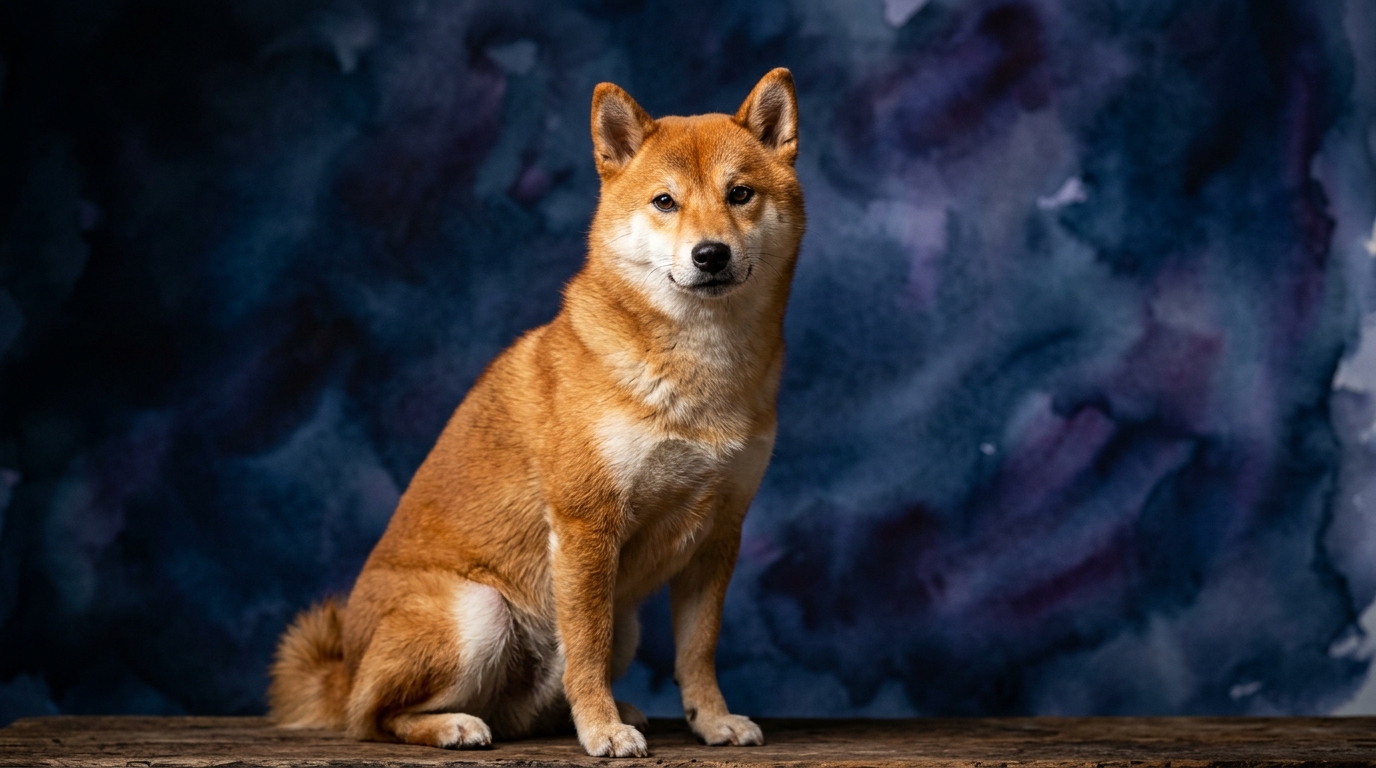
The Cosmic Pet Pet IQ Lab employs a five-dimensional framework to assess canine cognition, offering a granular view beyond traditional rankings. For the Shiba Inu, a breed hailing from Japan's mountainous regions, its profile reflects a creature of independent thought and deep-seated instincts. Its Problem Solving is rated at 4/5, indicating a strong capacity for figuring things out, often on its own terms. Training Speed, however, stands at a moderate 2/5, suggesting a less immediate desire to comply with human commands. Social Intelligence is a balanced 3/5, meaning they can navigate social cues but aren't excessively people-pleasing. A towering Instinctive Drive of 5/5 highlights their profound natural urges, be it hunting, guarding, or exploring, while Memory at 4/5 points to a strong ability to retain learned experiences and spatial information.
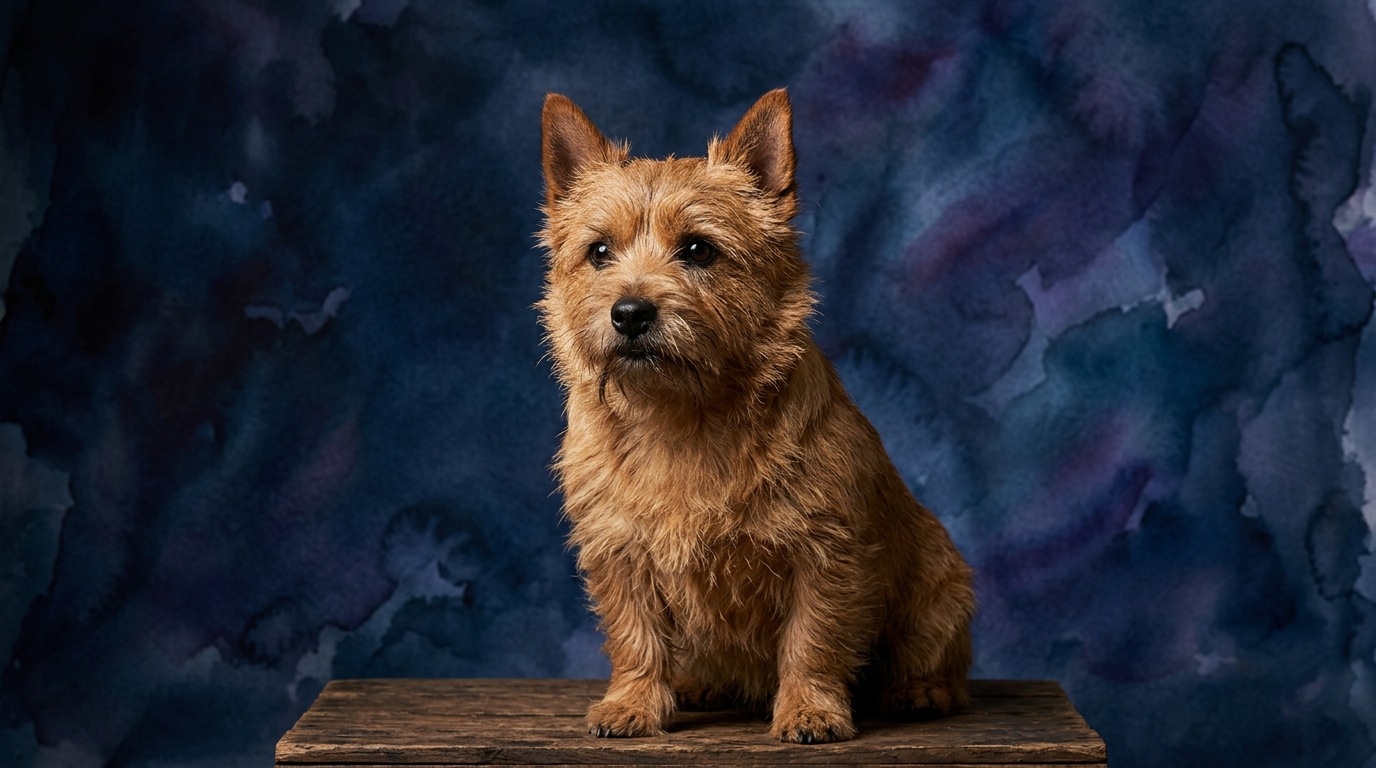
In contrast, the Norwich Terrier, a plucky earthdog from England, presents a more uniformly balanced cognitive profile, characteristic of its working terrier heritage. Its Problem Solving score is 3/5, showing a practical intelligence focused on immediate tasks rather than abstract challenges. Training Speed is 3/5, indicating a reasonable receptiveness to learning commands, though still with a terrier's characteristic independence. Social Intelligence also registers at 3/5, much like the Shiba, reflecting a capacity for connection without being overly dependent. Its Instinctive Drive is 3/5, a moderate level that still encompasses prey drive and curiosity but is less intense than the Shiba's. Finally, Memory is 3/5, suggesting a solid ability to recall information pertinent to its daily life and training.
Where the Shiba Inu Shows Cognitive Strengths
The Shiba Inu distinctively outshines the Norwich Terrier in several cognitive domains, most notably in its Problem Solving ability (4/5 versus 3/5), Instinctive Drive (5/5 versus 3/5), and Memory (4/5 versus 3/5). A Shiba's superior problem-solving manifests in their remarkable independence and cunning; they are adept at strategizing to achieve their goals, whether it's opening a gate, escaping a yard, or finding ways to obtain treats. This isn't just about simple tasks; it involves a sophisticated understanding of cause and effect, often leading to creative, sometimes mischievous, solutions.
Their exceptionally high Instinctive Drive means Shibas are deeply connected to their ancestral behaviors. This translates to an intense prey drive, a strong desire to explore, and often a keen sense of territory and vigilance. This isn't merely a preference; it's a fundamental part of their being, requiring outlets for expression. Coupled with their robust memory, a Shiba will remember past experiences, both positive and negative, with clarity, influencing their future responses to similar situations or individuals. This combination makes them highly self-sufficient animals who learn from their environment deeply, even if they don't always align with human expectations.
Where the Norwich Terrier Excels Cognitively
While the Shiba Inu might boast higher scores in certain areas, the Norwich Terrier’s cognitive strength lies in its balanced and practical intelligence, particularly evident in its Training Speed (3/5 versus Shiba's 2/5). This seemingly small difference indicates a greater readiness to engage with and respond to human instruction. Norwich Terriers, while still possessing a terrier's characteristic tenacity and self-reliance, generally exhibit a more cooperative spirit during training sessions. They are often keen to understand what is asked of them and perform it, making them more amenable to learning new commands and routines within a reasonable timeframe.
Their moderate Instinctive Drive (3/5) also contributes to their overall manageability compared to the Shiba's intense drive. While they certainly retain their terrier instincts for digging and chasing small prey, these urges are often less overwhelming and easier to redirect or manage through training. This balance means a Norwich is typically less consumed by primal urges, allowing for a more focused and less distracted approach to learning and daily interactions. Their cognitive profile suggests a dog that is present and engaged in its immediate environment without being overly driven by complex, internal agendas.
Training Receptiveness: Shiba Inu vs. Norwich Terrier
When it comes to ease of training, the Norwich Terrier generally presents a more straightforward experience than the Shiba Inu. The Norwich's Training Speed score of 3/5, coupled with its moderate instinctive drive, suggests a dog that is more inclined to work with its human companion. They possess an eagerness to please that, while not as pronounced as some other breeds, makes them receptive to positive reinforcement methods. Their practical problem-solving skills mean they can quickly grasp the connection between a command and a reward, even if they occasionally test boundaries with typical terrier persistence.
The Shiba Inu, with its 2/5 Training Speed and powerful 5/5 Instinctive Drive, offers a more considerable training challenge. Their strong problem-solving ability often means they are less interested in following commands if they perceive a more efficient or self-serving alternative. They are famously independent, sometimes described as cat-like in their demeanor, and can quickly become bored or resistant to repetitive drills. Training a Shiba requires immense patience, creativity, and consistency, often focusing on making the dog believe that compliance was its own idea. Their high drive can override learned behaviors if a strong instinct, like chasing a squirrel, takes over, making off-leash reliability particularly demanding.
Lifestyle Suitability: Active vs. Relaxed Owners
The cognitive profiles of these two breeds paint clear pictures for owner suitability. The Shiba Inu, with its high Problem Solving, intense Instinctive Drive, and strong Memory, thrives with active, experienced owners who can consistently provide both physical exercise and significant mental stimulation. These dogs require owners who understand and appreciate their independent nature, are prepared for creative problem-solving (often aimed at outsmarting their humans), and can channel their powerful instincts into constructive activities like scent work, advanced obedience, or agility. A relaxed owner might find a Shiba's self-directed nature and high mental demands overwhelming, potentially leading to behavioral issues stemming from boredom or lack of appropriate outlets for their keen minds.
The Norwich Terrier, with its balanced cognitive scores, is adaptable to a broader range of lifestyles, but still benefits greatly from active engagement. Their moderate instinctive drive and more amenable training speed make them suitable for owners who enjoy regular walks, playful interactions, and consistent, positive training. While they certainly enjoy activity and thrive with mental puzzles, they are often content with a slightly less intense daily schedule than a Shiba. They can be wonderful companions for owners who appreciate a spirited, affectionate dog that is generally more biddable, but still retains a terrier's charming assertiveness. They fit well into families that enjoy outdoor activities but also value quiet companionship indoors.
The Verdict
Choose the Shiba Inu if you are an experienced, active owner seeking a highly independent, clever companion who will challenge you mentally and you are prepared to engage with their strong instincts and unique problem-solving abilities.
Opt for the Norwich Terrier if you desire a spirited, affectionate dog with a more balanced cognitive profile, offering a more cooperative training experience and adaptability to a slightly less demanding activity schedule, while still appreciating a terrier's spunk.
🧠 Find Your Pet's IQ Score
Our Pet IQ Lab assessment covers 25+ tests across 5 cognitive dimensions — personalized to your breed.
Take the Full IQ Test →Frequently Asked Questions
Are Shiba Inus difficult to train due to their independence?
Yes, Shiba Inus can be challenging to train due to their significant independence and strong problem-solving skills, often preferring to make their own decisions rather than follow commands. Consistency, positive reinforcement, and making training feel like their idea are crucial for success.
Do Norwich Terriers have a strong prey drive?
Norwich Terriers have a moderate instinctive drive (3/5), which includes a natural prey drive typical of terrier breeds, making them inclined to chase small animals. While present, it's generally less intense than a Shiba Inu's and can often be managed with consistent training and redirection.
Which breed is better for first-time dog owners?
Given their more balanced cognitive profile and slightly better training speed, the Norwich Terrier is generally considered a more manageable choice for first-time dog owners, though they still require dedication. The Shiba Inu's intense independence and strong instincts often demand more experience and specialized handling.