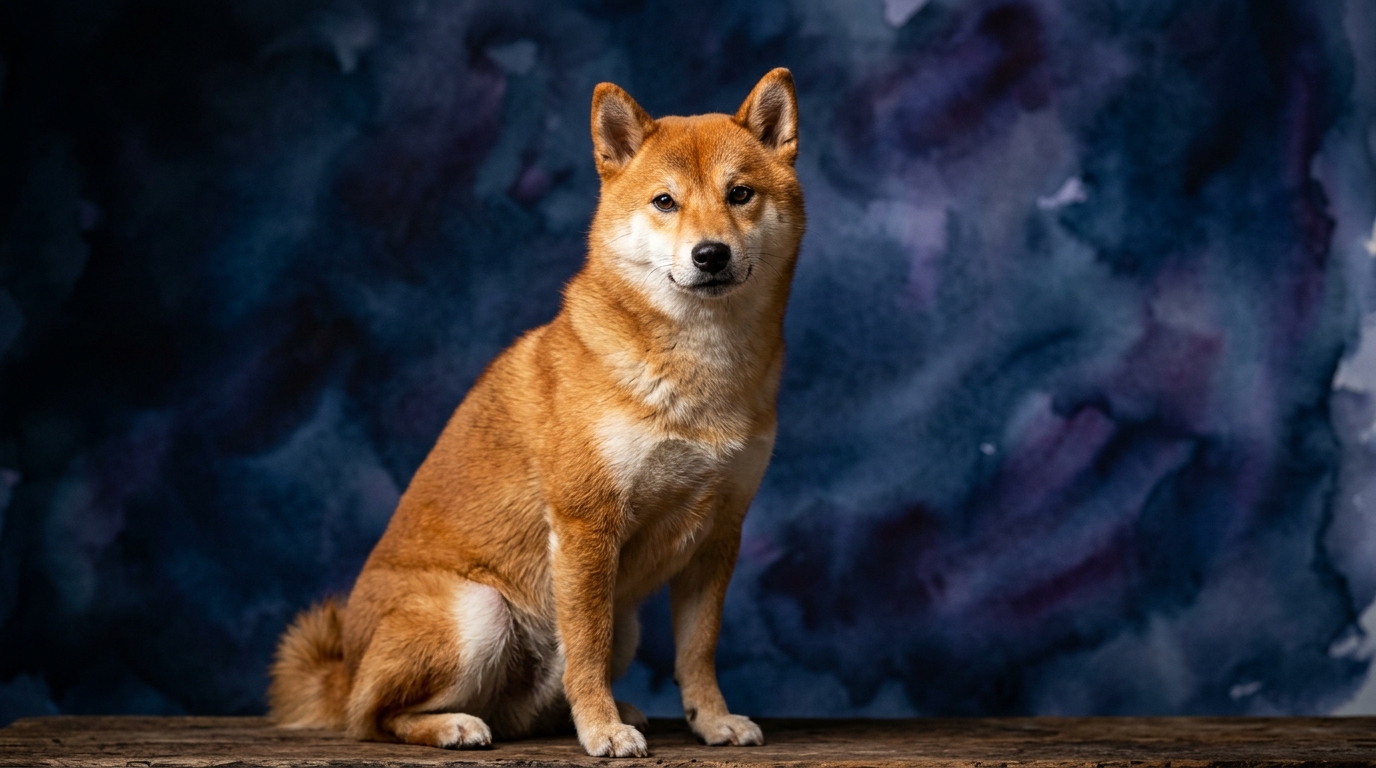
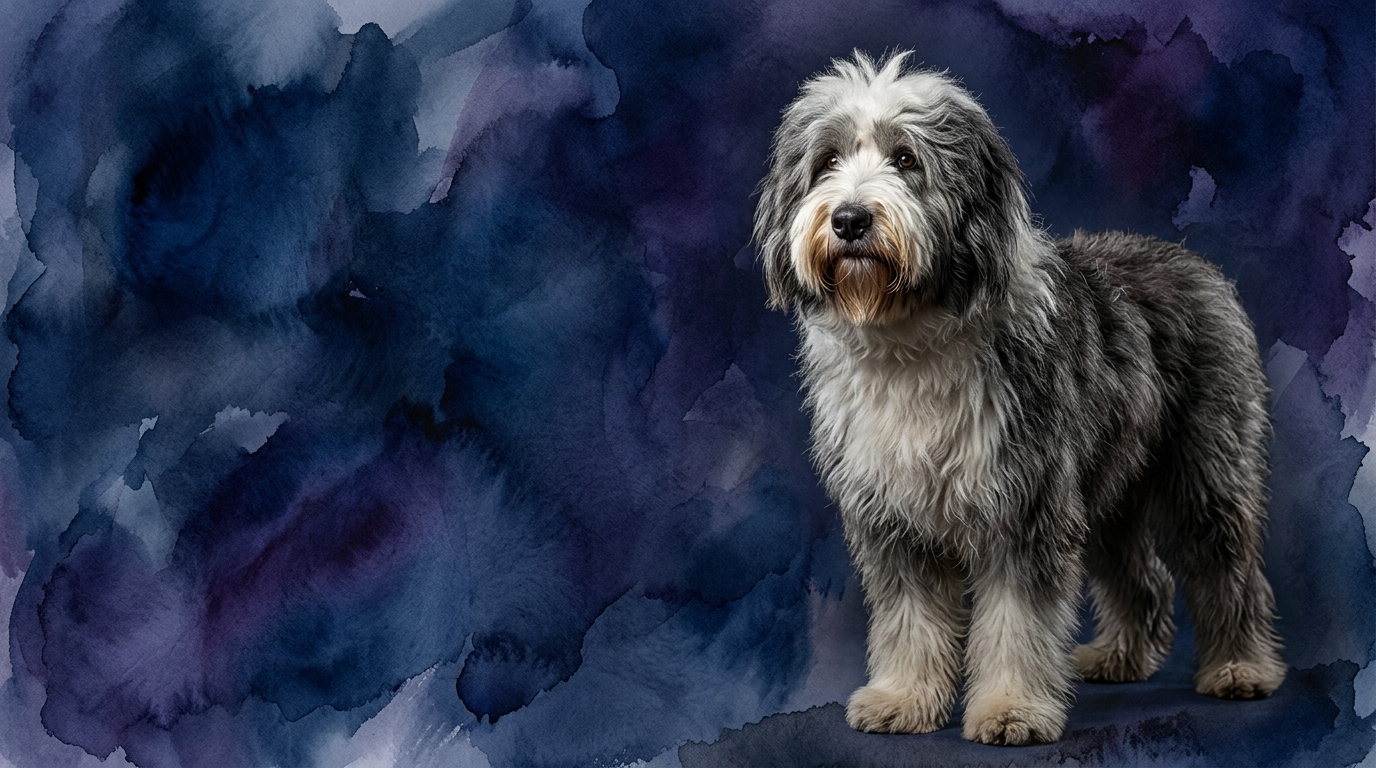
Side-by-Side IQ Profile: Shiba Inu vs. Old English Sheepdog
The Shiba Inu presents a fascinating cognitive profile, marked by high self-reliance. Their Problem Solving rates at a strong 4/5, reflecting a resourceful nature adept at navigating challenges independently, often with a clever, sometimes mischievous, approach. Training Speed, however, stands at a moderate 2/5; these dogs are not inherently eager to please and require consistent, engaging methods to learn. Social Intelligence is 3/5, as Shibas are observant of their environment and human cues but typically reserved, forming deep bonds with a select few rather than seeking broad interaction. A powerful Instinctive Drive of 5/5 underscores their strong prey drive, territoriality, and ancient hunting heritage. Their Memory is also robust at 4/5, allowing them to recall routines, boundaries, and past experiences with precision.
In contrast, the Old English Sheepdog, ranked #44 by Coren for working and obedience intelligence, showcases a different set of cognitive strengths. Their Problem Solving is rated 3/5, indicating a practical, adaptable mind that excels in structured tasks but might not exhibit the same independent ingenuity as the Shiba. Training Speed scores 3/5; OES are generally willing learners, though their playful nature can sometimes lead to distractions. Social Intelligence is 3/5, reflecting a generally amiable and sensitive disposition, capable of reading family dynamics and responding with affection and gentle interaction. An Instinctive Drive of 3/5 highlights their herding legacy, often manifesting as a gentle desire to keep their 'flock' (family) together, rather than a strong prey drive. Like the Shiba, their Memory is solid at 4/5, enabling them to retain commands, routines, and family member recognition effectively.
Where the Shiba Inu Wins Cognitively
The Shiba Inu's cognitive architecture truly shines in areas demanding independent thought and self-reliance. Their superior Problem Solving score of 4/5, compared to the Old English Sheepdog's 3/5, means a Shiba is more likely to devise novel solutions to obstacles, whether it's figuring out how to open a cabinet, escape a yard, or manipulate a situation to their benefit. This isn't about obedience, but raw, adaptive intelligence geared towards achieving personal goals.
Furthermore, their Instinctive Drive, rated 5/5 against the OES's 3/5, signifies a profound connection to primal survival instincts. This manifests as acute awareness of their surroundings, formidable territoriality, and a strong prey drive, making them exceptionally self-sufficient and capable of independent action in challenging environments. While these traits can present training challenges, they represent a high degree of innate, self-preserving cognitive function.
Where the Old English Sheepdog Wins Cognitively
The Old English Sheepdog's cognitive strengths lean towards cooperation and biddability, making them particularly adept in human-centric learning environments. Their Training Speed, at 3/5, surpasses the Shiba Inu's 2/5, indicating a quicker readiness to absorb and execute commands. This is further supported by their Coren ranking of #44 in working and obedience intelligence, a testament to their capacity for structured learning and responsiveness to human instruction.
Unlike the Shiba's independent problem-solving, the OES excels at understanding and fulfilling tasks set by their human companions. While both breeds score 3/5 in Social Intelligence, the OES often applies this intelligence in a more outwardly cooperative and family-oriented manner. They are generally more attuned to human emotions and desires for interaction, translating their social understanding into a more companionable and responsive demeanor, which is a significant cognitive advantage for a family dog.
Which is Easier to Train and Why
When it comes to trainability, the Old English Sheepdog generally offers a less challenging experience compared to the Shiba Inu. The OES's background as a herding dog instilled a natural inclination to work alongside humans, making them more receptive to commands and eager to please. Their moderate Training Speed (3/5) reflects a willingness to learn, often requiring patience but responding well to positive reinforcement and consistent methods. They are typically less prone to the independent decision-making that can frustrate trainers.
Conversely, the Shiba Inu's training speed is lower at 2/5, largely due to their profound independence and "what's in it for me?" attitude. Their strong problem-solving skills often mean they're evaluating whether a command serves their own interests before complying. This breed requires an experienced, highly consistent trainer who can make learning a rewarding and engaging game, rather than simply issuing directives. Shibas are not typically biddable; their obedience is often a choice, making them a significant challenge for novice owners seeking a dog that readily follows instructions.
Which Suits Active Owners vs. Relaxed Owners
The choice between these two breeds also depends significantly on an owner's lifestyle and activity levels. The Shiba Inu, despite its smaller size, is better suited for active owners who appreciate a dog with a strong, independent spirit and can provide ample mental and physical engagement. Their high instinctive drive (5/5) and problem-solving ability mean they thrive with consistent challenges, long, varied walks, and secure environments that prevent them from exercising their escape artist tendencies. Owners must be proactive in managing their strong prey drive and ensuring their need for intellectual stimulation is met.
The Old English Sheepdog, while requiring regular exercise, can adapt to a more relaxed pace than the Shiba Inu, making them suitable for owners who enjoy moderate activity. Their herding background means they appreciate family involvement in their activities, whether it's a stroll in the park or playtime in the yard. They are generally content to be part of the family's daily rhythm, offering a balance of playful energy and relaxed companionship. For truly relaxed owners, the OES can be a good fit, provided they receive daily walks and mental stimulation appropriate for their cooperative nature, and owners are prepared for their significant grooming needs.
The Verdict
For those seeking a canine companion with a sharp, independent mind, exceptional resourcefulness, and a unique, ancient spirit, the Shiba Inu is an excellent choice, provided the owner is experienced and ready for a consistent training journey.
If you desire a biddable, cooperative, and amiable family dog that is generally easier to train and loves to be involved in family life, the Old English Sheepdog will likely be the more rewarding companion.
🧠 Find Your Pet's IQ Score
Our Pet IQ Lab assessment covers 25+ tests across 5 cognitive dimensions — personalized to your breed.
Take the Full IQ Test →Frequently Asked Questions
Is the Shiba Inu truly stubborn?
Shiba Inus are often perceived as stubborn due to their independent nature and tendency to prioritize their own interests. They are not inherently disobedient but make choices based on their own assessment of a situation, requiring highly motivating and consistent training.
Do Old English Sheepdogs need a lot of exercise?
Old English Sheepdogs require regular, moderate exercise to stay healthy and happy, such as daily walks and playtime. While they are adaptable, they are not couch potatoes and benefit from activities that engage their herding instincts and social nature.
Which breed is better with children?
The Old English Sheepdog is generally known for its gentle and patient demeanor with children, making them a suitable family dog. Shiba Inus can be good with respectful children, but their independent nature means they may tolerate less rough play and prefer to interact on their own terms, requiring careful supervision.