The Cosmic Pet Pet IQ Lab: Shiba Inu vs. Portuguese Water Dog Profiles
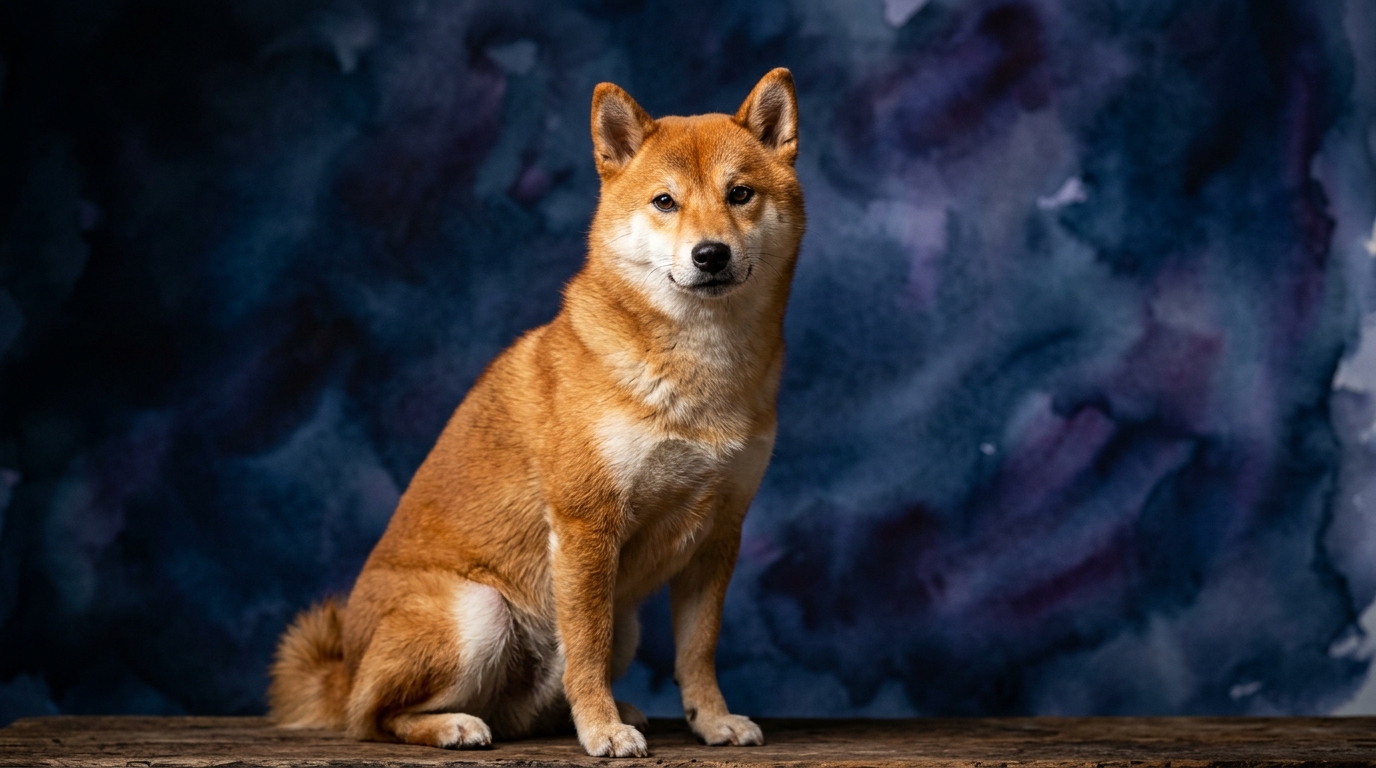
The Cosmic Pet Pet IQ Lab employs five key dimensions to map a breed's cognitive architecture, and applying this framework to the Shiba Inu and Portuguese Water Dog uncovers their unique mental blueprints. For the Shiba Inu, we observe a Problem Solving score of 4/5, indicating a capacity for clever, independent thought and the ability to devise solutions to challenges, sometimes in ways that surprise their human companions. Their Training Speed registers at a 2/5, suggesting a more deliberate and often self-motivated approach to learning, requiring consistent and patient engagement rather than eager compliance. Social Intelligence for the Shiba Inu is rated 3/5, reflecting their discerning nature and often selective bonding, while their Instinctive Drive soars at 5/5, highlighting strong innate behaviors like hunting, guarding, and a robust sense of self-preservation. Finally, their Memory stands at 4/5, meaning they retain learned information and experiences with considerable accuracy, for better or worse.
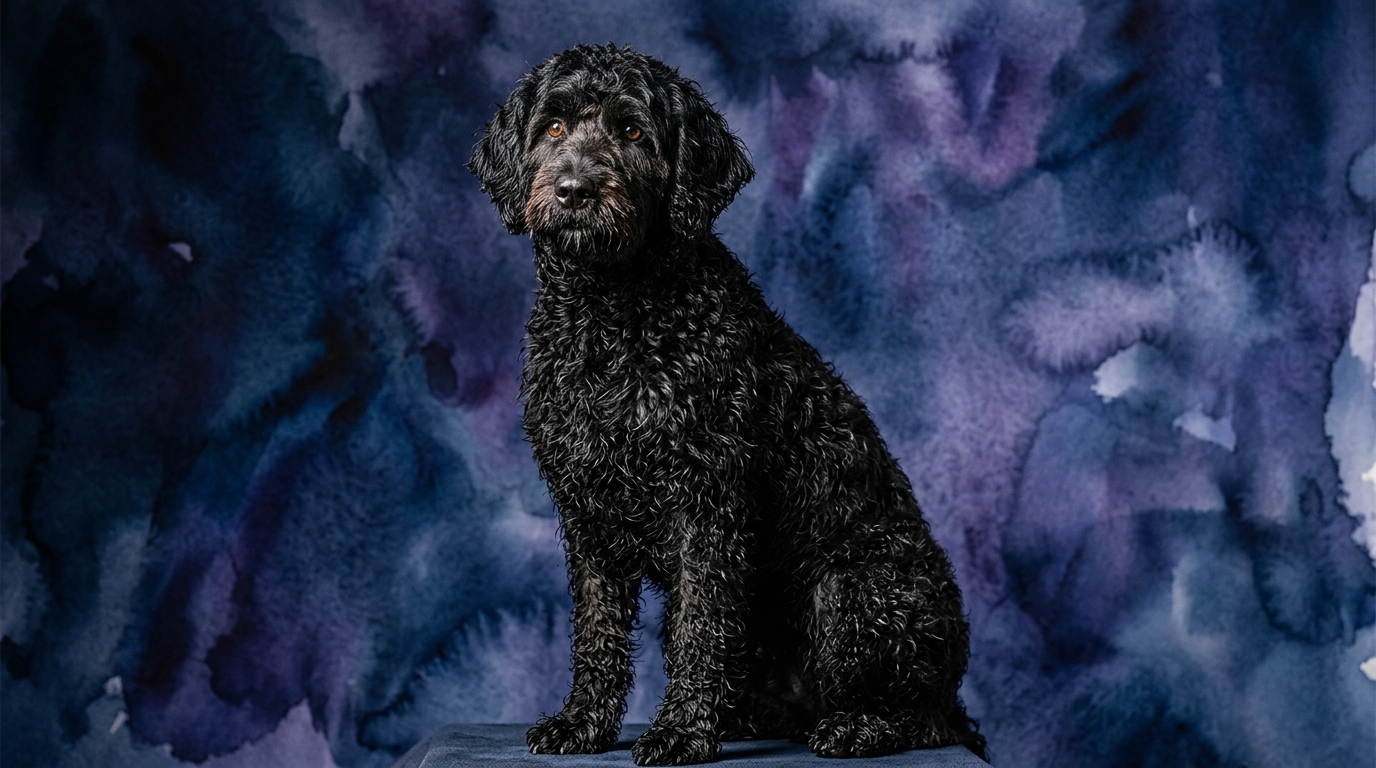
In contrast, the Portuguese Water Dog presents a more balanced, task-oriented cognitive profile. Their Problem Solving ability is rated 3/5, demonstrating competence in understanding and executing complex tasks, particularly those involving their environment or human collaboration, without the same level of independent strategic thinking seen in the Shiba. Training Speed for the Portuguese Water Dog is 3/5, indicating a willingness to learn and a responsiveness to instruction, making them generally cooperative students. Their Social Intelligence also scores 3/5, reflecting an ability to form strong bonds with their family while often being more reserved with strangers, a trait shared with the Shiba but expressed differently. Instinctive Drive for the PWD is 3/5, signifying a moderate drive for work and engagement, focused more on purposeful activity rather than intense, independent pursuits. Their Memory is also 3/5, sufficient for retaining a wide array of commands and routines, supporting their trainable nature.
Where the Shiba Inu's Cognition Shines Brighter
The Shiba Inu demonstrates a clear cognitive advantage in two distinct areas: problem-solving and instinctive drive, alongside a stronger memory. Their Problem Solving score of 4/5 indicates a breed that is adept at navigating complex situations independently, often finding creative, albeit sometimes mischievous, ways to achieve their goals. This can manifest as figuring out how to open cabinets, escape enclosures, or manipulate situations to their advantage, showcasing a nuanced understanding of cause and effect without direct human instruction. This cognitive flexibility means they are not simply following commands but actively assessing and strategizing within their environment.
Furthermore, the Shiba Inu's Instinctive Drive at 5/5 is a powerful cognitive engine, fueling their natural behaviors with intense focus and determination. This manifests as a strong prey drive, a keen awareness of their territory, and an innate sense of independence. While this drive can present training challenges, it also means Shibas possess an unparalleled self-reliance and environmental awareness, often reacting to stimuli with a primal intelligence that is highly efficient for survival. Their 4/5 Memory score complements this, ensuring they remember past successes in problem-solving and retain the consequences of their actions, which is crucial for their independent learning style.
Cognitive Strengths of the Portuguese Water Dog
While the Portuguese Water Dog's individual cognitive scores might not reach the Shiba Inu's peaks in every category, their balanced profile and specific strengths make them cognitively distinct. The PWD's Training Speed of 3/5, compared to the Shiba's 2/5, means they generally exhibit a greater willingness and capacity to absorb and apply human directives. This isn't just about obedience; it reflects a cognitive framework that is more attuned to collaboration and receiving instruction, making the learning process smoother and often more enjoyable for both dog and owner. They are more inclined to work alongside their human counterparts to achieve a goal, rather than devising their own independent strategies.
Their more moderate Instinctive Drive (3/5) allows for a cognitive focus that is less dominated by independent, primal urges. This means their problem-solving (3/5) and memory (3/5) are often channeled towards tasks and activities that involve human interaction and specific goals, such as retrieving, agility, or performing complex sequences. Their cognitive resources are readily available for directed learning and cooperative work, making them excellent candidates for advanced training and dog sports where sustained focus and responsiveness are paramount. The PWD's cognitive strengths lie in their capacity for sustained engagement and their readiness to integrate human guidance into their mental processes.
Navigating Trainability: Shiba Inu vs. Portuguese Water Dog
When it comes to ease of training, the Portuguese Water Dog generally presents a more straightforward experience due to their balanced cognitive profile. Their Training Speed of 3/5 signifies a cooperative learner who is typically eager to please and responsive to positive reinforcement, making the acquisition of new commands and behaviors a relatively smooth process. PWDs thrive on engagement and purpose, and their moderate Instinctive Drive (3/5) means their focus can be more easily directed towards structured learning tasks rather than being constantly pulled by independent impulses. For instance, a PWD is less likely to abandon a 'stay' command to chase a squirrel compared to a Shiba.
The Shiba Inu, with a Training Speed of 2/5, often requires a different approach. Their strong Problem Solving (4/5) and high Instinctive Drive (5/5) mean they are independent thinkers who may question the necessity of a command or find alternative, often less desirable, ways to achieve their own objectives. A Shiba might understand a command perfectly but choose not to execute it if they perceive no immediate benefit or if a stronger instinct takes over. Their keen memory (4/5) means they also remember negative associations, requiring a consistently positive and engaging training environment. Training a Shiba often feels like negotiating rather than instructing, demanding immense patience, creativity, and a deep understanding of canine psychology to motivate their compliance.
Matching Canine Cognition to Owner Lifestyles
The distinct cognitive profiles of the Shiba Inu and Portuguese Water Dog naturally align with different owner lifestyles. For active owners seeking a highly engaged and collaborative canine partner, the Portuguese Water Dog is often an ideal match. Their moderate Instinctive Drive (3/5) and solid Training Speed (3/5) mean they thrive on purposeful activity, whether it's agility, retrieving games, or long hikes, and they genuinely enjoy working alongside their humans. Their problem-solving skills (3/5) are best utilized in structured activities that challenge their intellect while reinforcing their bond with their owner, making them excellent companions for those who enjoy consistent, interactive engagement and a dog that is eager to participate.
Conversely, the Shiba Inu's cognitive makeup often suits owners who appreciate independence, subtle communication, and are prepared for a more nuanced relationship. Their high Instinctive Drive (5/5) and strong Problem Solving (4/5) mean they require mental stimulation that respects their self-sufficient nature, often involving puzzle toys, scent work, or secure environments where they can explore safely. Relaxed owners, or those who prefer a dog that isn't constantly seeking direction, might find the Shiba's independence appealing, provided they are experienced with managing a breed that excels at self-determination. Owners must be prepared to offer consistent, clear boundaries and mental challenges that satisfy the Shiba's clever mind without stifling their unique spirit, understanding that their companionship is earned and cherished on different terms.
The Verdict
Choose the Shiba Inu if you appreciate a clever, independent canine with a strong sense of self, and are prepared for a training journey that demands patience, creativity, and a deep understanding of their unique motivations.
Opt for the Portuguese Water Dog if you desire an engaged, cooperative partner for activities and training, who thrives on collaborative tasks and offers a more straightforward path to learning and companionship.
🧠 Find Your Pet's IQ Score
Our Pet IQ Lab assessment covers 25+ tests across 5 cognitive dimensions — personalized to your breed.
Take the Full IQ Test →Frequently Asked Questions
Is a Shiba Inu good for first-time dog owners?
Due to their strong independent streak, high instinctive drive, and lower training speed, Shiba Inus are generally not recommended for first-time dog owners. They require consistent, experienced handling and a deep understanding of their unique cognitive and behavioral needs to thrive.
How much exercise does a Portuguese Water Dog need?
Portuguese Water Dogs are an active working breed with a moderate instinctive drive, meaning they require a significant amount of daily exercise and mental stimulation. At least 60-90 minutes of vigorous activity, such as swimming, running, or structured play, is typically needed to keep them content and prevent boredom-related behaviors.
Can Shiba Inus and Portuguese Water Dogs live together peacefully?
While individual personalities vary, their cognitive differences suggest potential compatibility challenges. The Shiba's independent nature and strong instinctive drive might clash with the PWD's more social and task-oriented temperament, requiring careful introductions, management, and consistent supervision to ensure a harmonious multi-dog household.