Side-by-Side IQ Profile: Shiba Inu vs. Puli
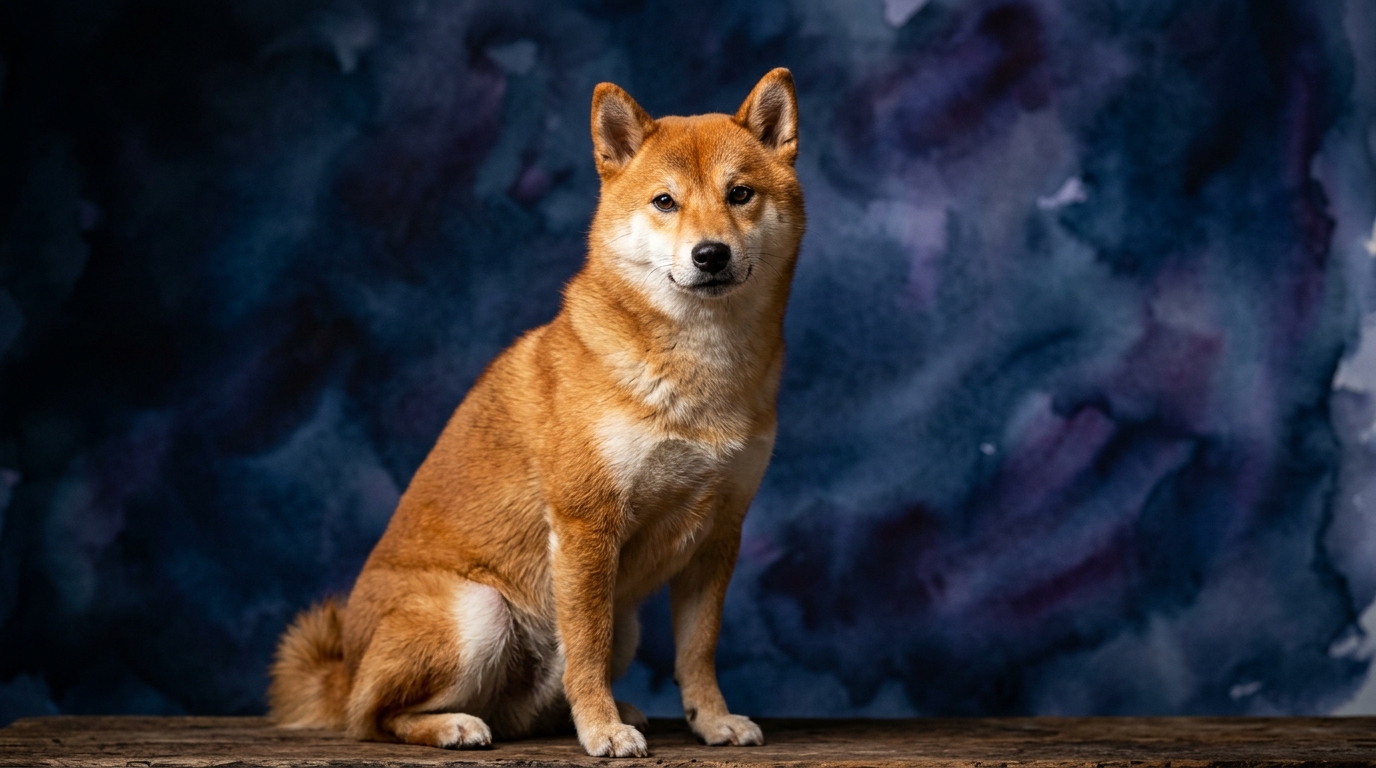
The Cosmic Pet Pet IQ Lab provides a nuanced framework for understanding canine cognition, moving beyond simple labels to specific dimensions. For the Shiba Inu, categorized in the Non-Sporting group, its profile reveals a breed with a robust capacity for independent thought. Its Problem Solving score of 4/5 indicates a strong ability to navigate complex situations and devise solutions, often without direct human guidance. However, its Training Speed at 2/5 suggests a slower uptake of new commands, not due to a lack of comprehension, but often stemming from a preference for self-directed action over eager compliance. Social Intelligence, rated at 3/5, points to a moderate understanding of human cues and social dynamics, though they may not always prioritize pleasing their handler. A dominant Instinctive Drive of 5/5 highlights a powerful internal motivation, often linked to their primitive hunting heritage, making them highly goal-oriented in their pursuits. Finally, a Memory score of 4/5 signifies a strong ability to retain learned information and experiences, meaning once they learn something, it tends to stick.
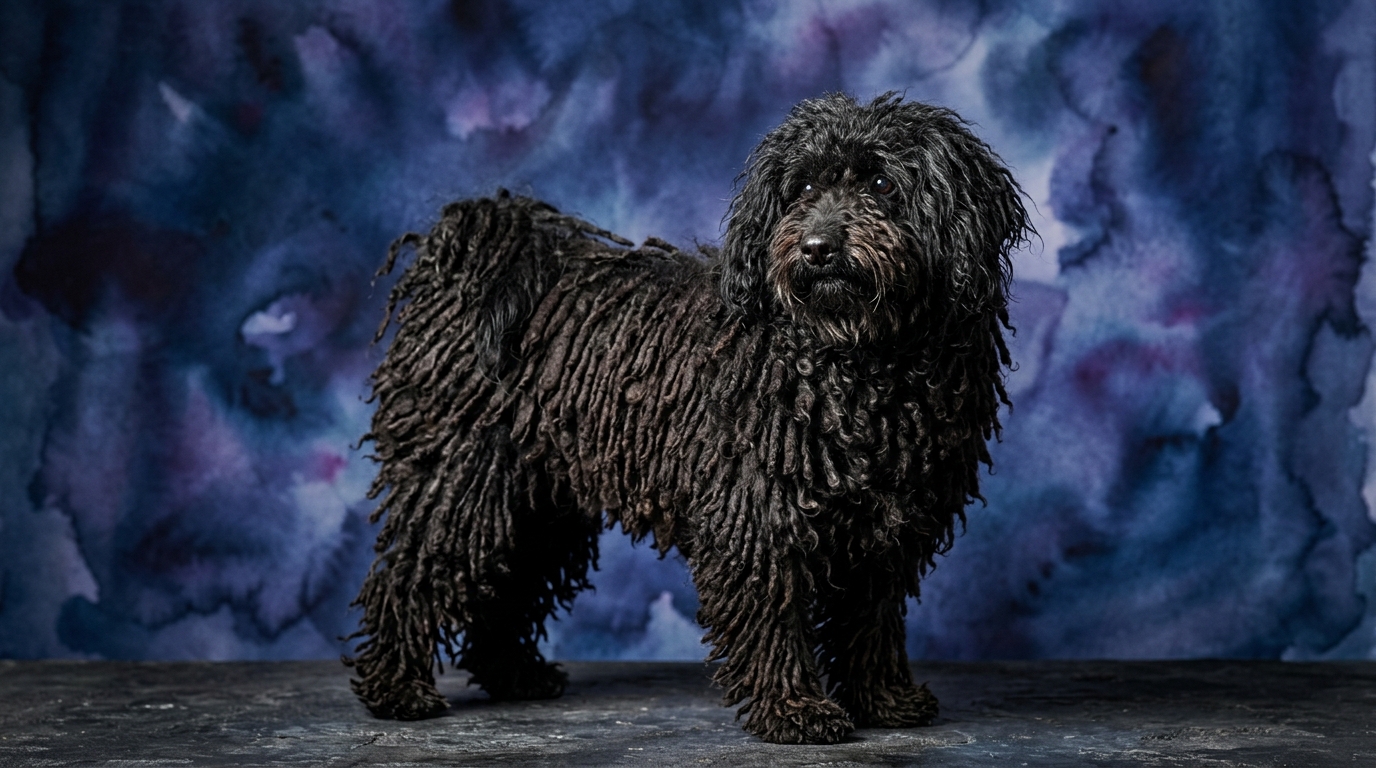
In contrast, the Puli, a member of the Herding group and ranked #25 in Coren's broader intelligence scale, presents a different cognitive landscape. Its Problem Solving score also stands at 4/5, indicating an equally strong capacity for tackling challenges, though likely with a greater inclination towards collaborative solutions within a working context. Where the Puli truly diverges is in its Training Speed, scoring an impressive 4/5, suggesting a quick grasp of new commands and a generally more responsive nature to instruction. Like the Shiba, its Social Intelligence is rated 3/5, implying a similar moderate ability to read and respond to human social signals, balanced by its own working dog focus. The Puli's Instinctive Drive is 3/5, which, while present, is less overwhelming than the Shiba's, typically manifesting as a strong desire to herd or work alongside humans rather than a purely self-serving drive. Its Memory, matching the Shiba at 4/5, confirms a solid capacity for long-term retention of training and experiences.
Where the Shiba Inu Wins Cognitively
The Shiba Inu's cognitive strengths truly shine in areas demanding self-reliance and an unwavering focus on an objective. Its 4/5 Problem Solving score, coupled with a formidable 5/5 Instinctive Drive, means a Shiba possesses an exceptional capacity to independently strategize and execute plans, particularly when motivated by an inherent desire. This manifests in their ability to outwit perceived obstacles, whether it's figuring out how to open a gate or navigating complex environments to pursue a scent. Their decision-making process is often internal and driven by what *they* perceive as beneficial, making them adept at independent action. Furthermore, their 4/5 Memory ensures that lessons learned, whether positive or negative, are firmly etched, contributing to their consistent behavior patterns and ability to recall solutions to past challenges.
Where the Puli Wins Cognitively
The Puli's cognitive edge lies in its collaborative spirit and adaptability within a structured learning environment. While also scoring 4/5 in Problem Solving, the Puli's higher 4/5 Training Speed suggests a greater willingness to engage with human instruction to solve problems, rather than solely relying on innate instinct. This means they are often quicker to understand and implement human-directed solutions to new challenges. Their 3/5 Instinctive Drive, while still significant for a working breed, is more readily channeled into cooperative tasks, making them highly receptive to learning complex sequences of commands. This responsiveness, combined with a 4/5 Memory, allows them to build an extensive repertoire of learned behaviors and apply them effectively in various situations, making them excellent partners for intricate tasks.
Which is Easier to Train and Why
Based on their Cosmic Pet Pet IQ Lab scores, the Puli will generally be easier to train than the Shiba Inu. The Puli's Training Speed of 4/5 indicates a quicker absorption of commands and a more eager disposition to respond to human direction. This stems from their herding background, where quick comprehension and immediate obedience were crucial for working alongside shepherds. They tend to be more focused on their handler during training sessions and are often motivated by the opportunity to engage in a shared activity.
Conversely, the Shiba Inu's Training Speed of 2/5 reflects a more independent and often discerning approach to learning. While certainly capable of understanding, their strong 5/5 Instinctive Drive means they frequently weigh whether a command aligns with their own immediate desires or perceived benefits. This can lead to what some perceive as 'stubbornness,' as they might choose to ignore a command if they don't see the point or if a more compelling instinct (like chasing a squirrel) takes precedence. Training a Shiba requires immense patience, creativity, and a deep understanding of their motivations, focusing on making training highly rewarding from their perspective rather than expecting inherent compliance.
Which Suits Active Owners vs. Relaxed Owners
For owners seeking an active, engaged partner, the Puli is often the more suitable choice. Their 4/5 Training Speed and 3/5 Instinctive Drive mean they thrive on mental and physical challenges that involve working with their human. Activities like agility, obedience, herding trials, or even long, brisk walks with purpose are ideal for channeling their energy and satisfying their desire for cooperative engagement. They appreciate having a job to do and are generally more receptive to structured activities, making them a fulfilling companion for those who enjoy consistent training and outdoor adventures.
The Shiba Inu, while possessing a high 5/5 Instinctive Drive, might appeal to owners who appreciate a more independent companion, perhaps those with a more relaxed approach to structured activities but who can still provide ample opportunities for exploration and instinctual fulfillment. Their exercise needs are moderate to high, but they are often content with self-directed play or walks where they can explore scents and observe their surroundings on their own terms. Owners must be prepared for their strong prey drive and independent nature, which means off-leash activities require careful consideration. They suit owners who enjoy a challenge, appreciate a dog's distinct personality, and are comfortable with a companion that isn't always seeking to please.
The Verdict
Choose the Shiba Inu if you appreciate an independent, resourceful companion with a strong personality and are prepared for a more challenging, but ultimately rewarding, training journey.
Opt for the Puli if you desire an intelligent, responsive partner eager for cooperative activities and structured learning, thriving on a consistent, engaging routine with their human.
🧠 Find Your Pet's IQ Score
Our Pet IQ Lab assessment covers 25+ tests across 5 cognitive dimensions — personalized to your breed.
Take the Full IQ Test →Frequently Asked Questions
Is the Shiba Inu truly difficult to train?
The Shiba Inu isn't necessarily difficult to train in terms of understanding, but rather in terms of compliance. Their 2/5 Training Speed and high Instinctive Drive mean they often choose whether or not to obey, requiring consistent, positive reinforcement and a strong bond to motivate them.
Do Pulik require extensive grooming due to their corded coats?
Yes, the Puli's unique corded coat requires specific grooming. While they don't shed much, their cords need to be separated regularly to prevent matting and maintain skin health, which is a time commitment but not necessarily a difficult one.
How do these breeds typically interact with strangers or other pets?
Both breeds score 3/5 in Social Intelligence, meaning they are generally capable of understanding social cues but may not be overly effusive. Shibas can be reserved and sometimes aloof with strangers and may have a strong prey drive towards smaller animals. Pulik are typically watchful and can be reserved with strangers but are often more amenable to other dogs if properly socialized, though their herding instincts might manifest with smaller pets.