
Side-by-Side IQ Profile: Unpacking Cognitive Dimensions
To understand the cognitive essence of any breed, The Cosmic Pet Pet IQ Lab employs a five-dimensional framework: Problem Solving, Training Speed, Social Intelligence, Instinctive Drive, and Memory. These metrics offer a granular view beyond generic labels, allowing us to appreciate the specific ways each breed navigates its world and interacts with humans.
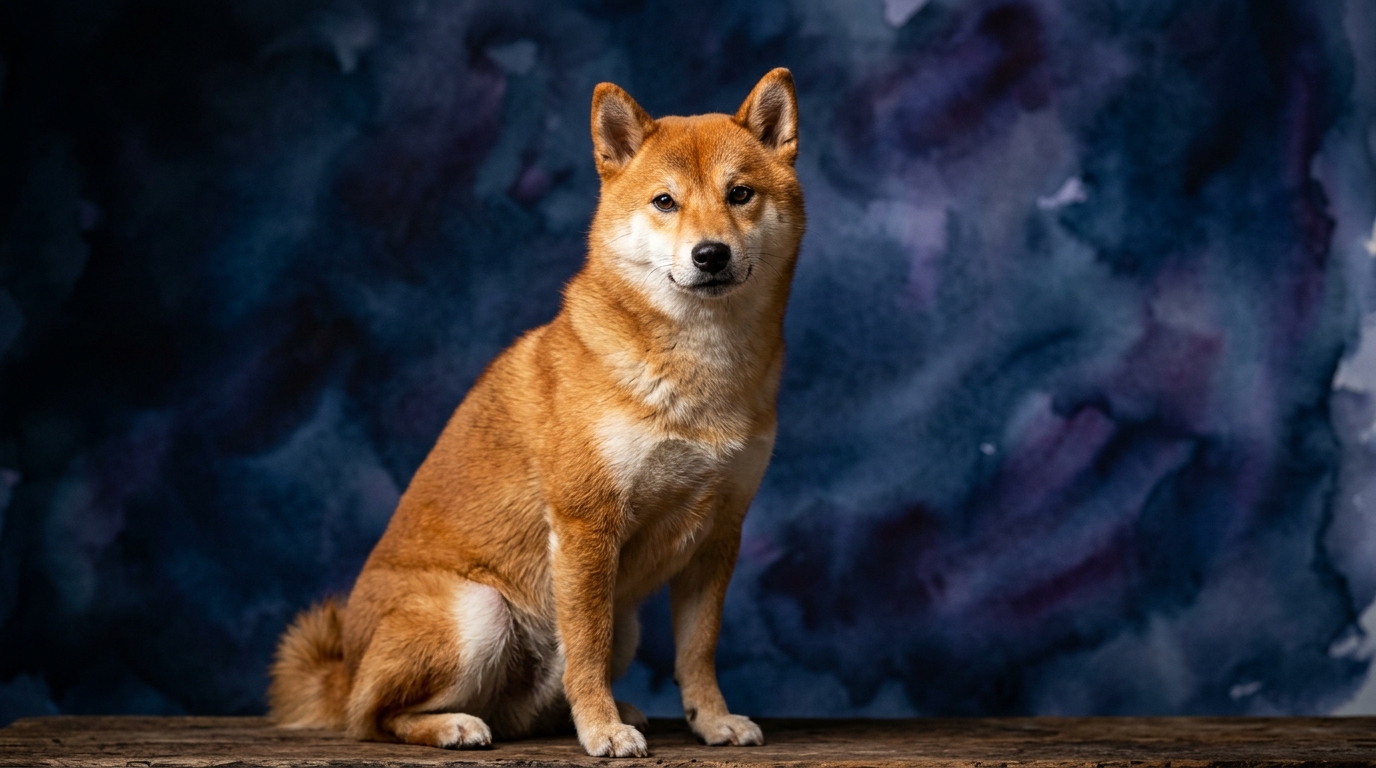
The Shiba Inu, a member of the Non-Sporting group, presents a fascinating cognitive profile. Their Problem Solving is rated at 4/5, indicating a strong capacity for independent thought and figuring out complex situations, often in ways that surprise or challenge their human companions. Training Speed, however, stands at a more deliberate 2/5, suggesting a breed that processes commands and learns new behaviors on its own terms, requiring patience and consistency. Social Intelligence is assessed at 3/5; while observant of human cues, Shibas are not typically driven by an overwhelming desire to please, maintaining a degree of self-possession. A striking 5/5 for Instinctive Drive highlights their deep-seated prey drive, territorial awareness, and ancient survival instincts, making them highly attuned to their environment. Finally, their Memory is strong at 4/5, enabling them to retain experiences, routines, and lessons, for better or worse.
In contrast, the Russian Toy, a charming member of the Toy group, offers a different cognitive blueprint. Their Problem Solving ability is rated 3/5, demonstrating competence in navigating their immediate environment and learning patterns, though perhaps with less independent strategizing than a Shiba. Training Speed comes in at a balanced 3/5, indicating a generally amenable and responsive learner who can pick up commands at a moderate pace. Social Intelligence also scores 3/5, reflecting a capacity for connection and emotional attunement, particularly with their primary caregiver, often thriving on companionship. Their Instinctive Drive is moderate at 3/5; while they may exhibit some chasing behaviors, it is less intense and less central to their overall disposition compared to the Shiba. Memory for the Russian Toy is rated 3/5, allowing them to adequately retain learned information and routines, contributing to their adaptability within a household.
Where the Shiba Inu Shows Cognitive Edge
The Shiba Inu's cognitive architecture reveals distinct advantages, particularly in areas demanding independent thought and deep-seated awareness. Their superior Problem Solving score of 4/5 compared to the Russian Toy's 3/5 points to a more ingenious and resourceful mind. Shibas are adept at assessing situations and devising their own solutions, whether that involves escaping an enclosure, figuring out how to reach a forbidden treat, or manipulating their environment to their benefit. This isn't merely about obedience; it's about a capacity for strategic thinking and adaptability that can be both impressive and challenging for owners. Coupled with their powerful Instinctive Drive (5/5 vs. 3/5), Shibas possess a heightened sense of their surroundings and an innate self-reliance, translating into quick, decisive responses in situations triggering their ancestral urges, such as spotting small prey or defending their perceived territory.
Furthermore, the Shiba Inu's robust Memory, rated 4/5 against the Russian Toy's 3/5, contributes significantly to their cognitive profile. A Shiba vividly recalls past lessons, whether positive reinforcement or perceived injustices, and remembers routines with precision. This can be a double-edged sword: they will remember every command they've ever learned, even if they choose not to comply at a given moment, and they can hold onto experiences, shaping their future interactions. This strong recall makes them consistent in their habits but also means they are less likely to forget negative associations or inconsistent training.
Where the Russian Toy Excels Cognitively
While the Shiba Inu shines in independent resourcefulness, the Russian Toy exhibits its own unique cognitive strengths, particularly in areas related to cooperative learning and social harmony. Their slightly higher Training Speed of 3/5 compared to the Shiba's 2/5 indicates a more malleable and cooperative disposition towards learning. Russian Toys are generally more inclined to engage in training activities, motivated by interaction and a desire to understand what is expected of them, making the training process a more collaborative experience.
The Russian Toy's Social Intelligence, while scoring the same 3/5 as the Shiba, manifests differently, often with a greater emphasis on emotional attunement and companionship. This breed is typically sensitive to human moods and thrives on close bonds, frequently adapting their behavior to maintain positive social dynamics within the household. Their cognitive efforts are often directed towards understanding and responding to their primary caregiver's emotional state, fostering a deep, empathetic connection that defines their role as a companion.
Even in Problem Solving, where they score 3/5 to the Shiba's 4/5, the Russian Toy often applies their cognitive abilities to social challenges or navigating their immediate human environment. Rather than purely physical obstacles, they might 'solve' the problem of getting attention, comfort, or a preferred spot on the sofa through charming persistence or subtle cues. This form of problem-solving is less about independent strategy and more about achieving social goals within their family unit.
Training Dynamics: A Tale of Two Temperaments
The training experience with a Shiba Inu is distinct, largely due to their unique blend of high Problem Solving (4/5), low Training Speed (2/5), and powerful Instinctive Drive (5/5). Shibas are not 'difficult' because they lack the capacity to learn; rather, they often choose not to comply if a command doesn't align with their immediate interests or perceived value. Their independence means they constantly weigh the benefits of obedience against their own desires, using their problem-solving skills to find loopholes or alternative paths. Successful training requires immense patience, unwavering consistency, and creative use of positive reinforcement, making every training session inherently rewarding and engaging for the Shiba, rather than relying on rote obedience.
In contrast, the Russian Toy's moderate Training Speed (3/5) and Social Intelligence (3/5) generally make them more amenable students. They are typically eager to please their human companions and respond well to consistent, gentle training methods that prioritize positive reinforcement and connection. Their lower Instinctive Drive (3/5) means fewer deeply ingrained urges distracting them from training, allowing them to focus more readily on human instruction. Russian Toys thrive on praise, attention, and the bond formed during training sessions, which often serves as a primary motivator.
These cognitive differences translate into real behavioral distinctions during training. A Shiba Inu might repeatedly 'test' boundaries, using their ingenuity to see what they can get away with, often requiring handlers to be one step ahead. For example, a Shiba's strong prey drive might override a recall command if an interesting scent or movement captures their attention, demanding a bulletproof recall built on consistent, high-value rewards. A Russian Toy, on the other hand, is generally more likely to accept boundaries once understood, seeking to maintain harmony and connection. While they might have their moments of stubbornness, their motivation is more often rooted in pleasing their person, making them more receptive to gentle guidance and less prone to outright defiance.
Lifestyle Match: Engaged Independence vs. Devoted Companionship
Understanding the cognitive profiles of the Shiba Inu and Russian Toy is crucial for matching them with the right owner lifestyle. For the Shiba Inu, their high instinctive drive (5/5) and strong problem-solving skills (4/5) mean they thrive with owners who appreciate and can channel their independent spirit. These are not dogs content to be mere accessories; they need outlets for their energy and cunning. Owners who enjoy engaging in consistent training challenges, exploring varied environments, or participating in activities like scent work or agility will find a Shiba's spirit invigorating. They require mental stimulation as much as physical activity, often needing complex puzzles and opportunities for structured exploration to prevent boredom-driven behaviors. This breed is best suited for individuals who are prepared to be active participants in their dog's mental and physical world, rather than passive observers.
The Russian Toy, with its moderate drives and sociable nature, aligns beautifully with owners seeking a more relaxed, yet deeply interactive, home life. Their desire for closeness and their sensitivity make them excellent companions for those who cherish a constant, gentle presence. While they certainly enjoy daily walks and engaging playtime, their primary contentment often comes from being near their human family. They are well-suited to individuals or families who desire a devoted lap dog capable of accompanying them on errands, enjoying quiet evenings at home, and providing affectionate companionship.
It's important to distinguish between types of 'activity.' For a Shiba, 'active' often implies a need for diverse mental challenges and opportunities for independent exploration, not necessarily marathon running. Their independence means they might prefer to investigate a new trail on their own terms rather than strictly heel. For a Russian Toy, 'active' typically means consistent, gentle interaction, regular walks, and engaging in play within familiar settings, thriving on the intimacy of shared experiences with their owner. Their needs are more about consistent companionship and less about channeling intense, independent drives. The choice between these breeds truly depends on whether an owner seeks a spirited, resourceful partner who requires active management of their strong will, or a sensitive, devoted companion who thrives on close human connection and gentle guidance.
The Verdict
Choose the Shiba Inu if you appreciate an independent, resourceful companion who offers intellectual challenges and a strong, spirited presence, and you are prepared for consistent, patient training tailored to their unique will.
Opt for the Russian Toy if you seek a devoted, sensitive companion who thrives on close human interaction and responds well to gentle, positive training methods, bringing warmth and charm to your home.
🧠 Find Your Pet's IQ Score
Our Pet IQ Lab assessment covers 25+ tests across 5 cognitive dimensions — personalized to your breed.
Take the Full IQ Test →Frequently Asked Questions
Is a Shiba Inu difficult to train?
Shiba Inus are not inherently 'difficult' to train in terms of capability, but their independence and strong will mean they often weigh commands against their own desires. This requires owners to be exceptionally patient, consistent, and creative in making training rewarding for the Shiba, rather than expecting immediate compliance.
Do Russian Toys need a lot of exercise?
Russian Toys have moderate exercise needs, enjoying daily walks and indoor play sessions to keep them stimulated and healthy. While they appreciate activity, their smaller size and companion-oriented nature mean they are generally content with regular, gentle exercise rather than intense physical demands.
Which breed is better with children?
Neither breed is universally recommended as a 'first dog' for families with very young children without significant socialization and supervision, due to their distinct temperaments. A well-socialized Russian Toy, being more companion-focused and sensitive, might adapt better to older, respectful children who understand gentle interaction, whereas a Shiba's independent nature might lead to less tolerance for boisterous play.