Side-by-Side Cognitive Profiles
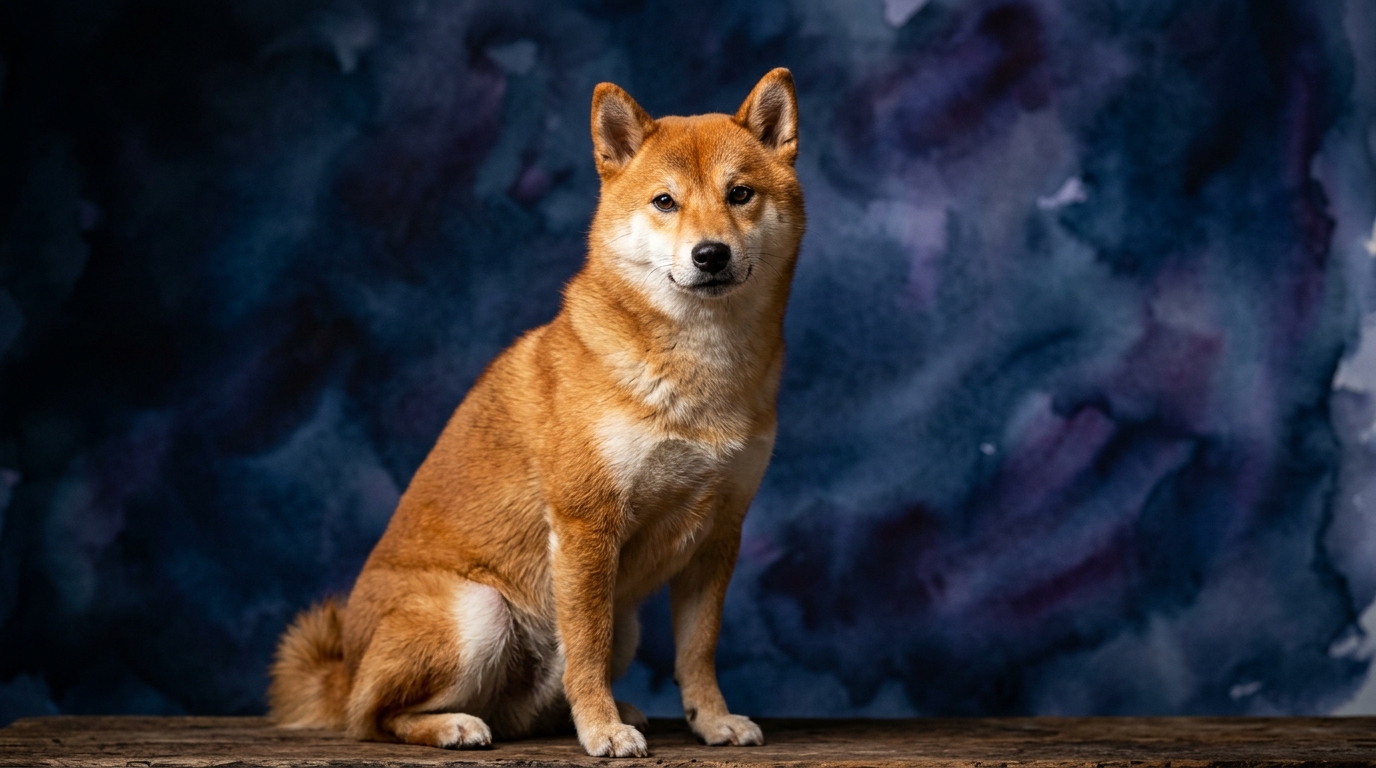
The Shiba Inu, a spirited companion from the Non-Sporting Group, presents a distinct cognitive blueprint according to The Cosmic Pet Pet IQ Lab. Their problem Solving is rated at 4/5, indicating a strong capacity for independent thought and strategic action to overcome obstacles. Training Speed stands at a modest 2/5, suggesting a more deliberate or independent approach to learning commands. Social Intelligence registers at 3/5, reflecting a moderate understanding of social cues and a tendency towards selective engagement. A robust instinctive Drive of 5/5 highlights powerful natural predispositions, often related to hunting or territoriality. Finally, their Memory is strong at 4/5, allowing them to retain learned experiences and routines effectively.
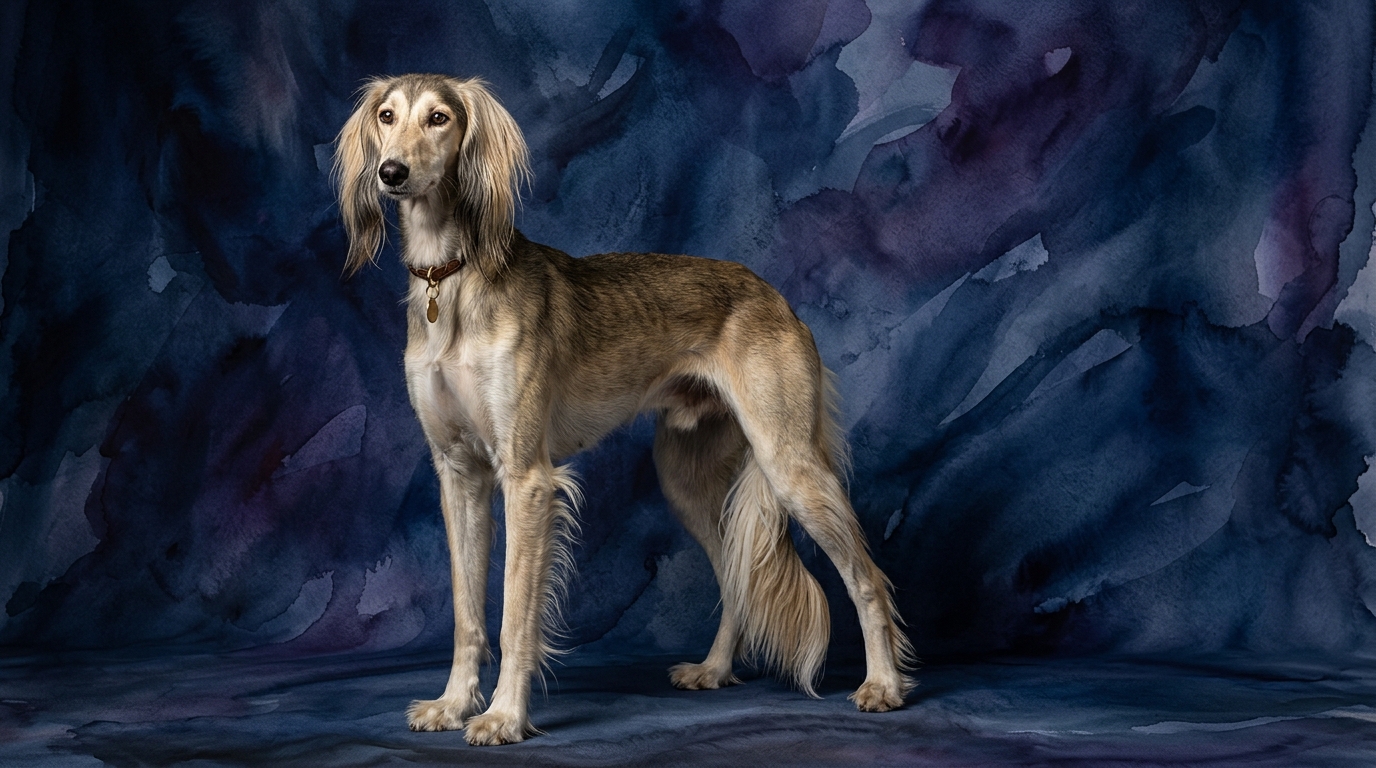
In contrast, the Saluki, a graceful sighthound from the Hound Group, exhibits a different cognitive rhythm. Their problem Solving capability is rated 3/5, showing competence in navigating challenges but perhaps with less innovative flair than the Shiba. Training Speed is an average 3/5, indicating a more amenable learning pace compared to the Shiba's independent streak. Social Intelligence matches the Shiba at 3/5, often manifesting as a reserved yet observant demeanor towards human interaction. Their instinctive Drive is a moderate 3/5, primarily focused on their sighthound pursuit instincts. Memory for the Saluki is rated 3/5, suggesting an average recall of past events and learned behaviors.
Where the Shiba Inu Excels Cognitively
The Shiba Inu's 4/5 problem Solving score distinctly outpaces the Saluki's 3/5, highlighting their superior ability to devise independent solutions. This manifests as a knack for figuring out complex latches, opening doors, or creatively obtaining desired objects, often without direct human instruction. Their strong memory (4/5 compared to Saluki's 3/5) complements this, allowing them to recall successful past strategies and apply them to new situations, making them exceptionally resourceful in achieving their own objectives. Furthermore, the Shiba’s intense instinctive Drive (5/5 vs. Saluki’s 3/5) means they possess an unparalleled determination and focus when pursuing a natural impulse, whether it's tracking a scent, guarding resources, or engaging in a vigorous play session. While this drive requires careful management, it also signifies a profound engagement with their environment and an unwavering commitment to their inner motivations. This combination of high problem-solving, robust memory, and powerful instinct creates a highly self-sufficient and persistent cognitive profile, making them formidable in navigating complex environments on their own terms.
Where the Saluki Shines Cognitively
While the Shiba Inu excels in independent problem-solving, the Saluki often demonstrates a more cooperative cognitive profile in certain aspects. Their Training Speed, rated 3/5, is more favorable than the Shiba's 2/5, suggesting they are generally more receptive to learning new commands and routines with consistent, positive reinforcement. This average learning pace means they are less likely to exhibit the deliberate resistance sometimes seen in Shibas, making the training process smoother for many owners. The Saluki's instinctive Drive, at 3/5, while still significant for a sighthound, is notably lower than the Shiba's 5/5. This suggests their natural impulses, primarily their prey drive, are often more focused and potentially more manageable within a domestic setting, reducing the likelihood of a broad spectrum of highly intense, self-directed behaviors that can challenge owners. Their social Intelligence, at 3/5, often translates into a nuanced sensitivity to their human companions, expressed through a quiet dignity and a deep, if reserved, bond. This allows them to pick up on subtle emotional cues without overt exuberance, fostering a calm, understanding companionship once trust is established.
Training Aptitude: Which is Easier?
Based on their Pet IQ Lab profiles, the Saluki, with its Training Speed of 3/5, generally presents a less challenging training experience compared to the Shiba Inu's 2/5. The Shiba's lower training speed, combined with its high problem Solving (4/5) and powerful instinctive Drive (5/5), means they often approach training as a negotiation rather than simple compliance. They are exceptionally good at figuring out how to get what *they* want, often independently, and their strong memory (4/5) means they remember what works for them, even if it contradicts a command. This requires immense patience, creative motivation, and an understanding that a Shiba will often choose to comply only if it aligns with their own perceived benefit.
In contrast, the Saluki's average training speed indicates a greater willingness to engage in the learning process. While they retain their sighthound independence and a moderate instinctive drive (3/5), they are often more eager to please their handler once a bond is formed. Their reserved social intelligence (3/5) means they respond best to gentle, consistent methods, valuing a calm and predictable environment. They might not perform with the immediate precision of some working breeds, but their generally cooperative nature and lower resistance make them a more straightforward candidate for foundational obedience and manners training for most owners.
Matching Breeds to Lifestyles: Active vs. Relaxed Owners
Both the Shiba Inu and the Saluki require owners who are actively engaged, though their needs diverge significantly. The Shiba Inu, with its 4/5 problem Solving and 5/5 instinctive Drive, thrives with owners who can provide consistent mental stimulation and structured physical activity. They aren't simply 'exercised' into submission; their minds need to be challenged with puzzle toys, trick training, and engaging walks that allow them to explore and use their keen senses. Owners who are 'relaxed' in the sense of providing minimal engagement or inconsistent boundaries will likely find a Shiba creating their own, often undesirable, forms of entertainment or escape attempts.
The Saluki, a quintessential sighthound, demands an owner who can satisfy their intense physical need for speed and running, driven by their 3/5 instinctive drive. They require regular opportunities for sustained, high-speed sprints in a securely fenced area, making them ideal for owners who enjoy active pursuits like running, cycling, or who have access to large, safe spaces. While they are famously calm and quiet indoors, their 'relaxed' indoor demeanor is contingent upon their outdoor exercise needs being fully met. A truly 'relaxed' owner who cannot provide these outlets will likely face a restless, potentially destructive, or anxious Saluki. Neither breed is suitable for a genuinely passive owner; both require consistent, thoughtful engagement tailored to their unique cognitive and physical demands.
The Verdict
Choose the Shiba Inu if you are prepared for a companion with a strong, independent will, exceptional resourcefulness, and a distinctive approach to life, valuing their clever problem-solving and powerful instincts over immediate obedience.
Opt for the Saluki if you seek an elegant, sensitive sighthound companion who flourishes with ample opportunities for high-speed exercise and responds well to calm, consistent training, appreciating their refined demeanor and cooperative spirit.
🧠 Find Your Pet's IQ Score
Our Pet IQ Lab assessment covers 25+ tests across 5 cognitive dimensions — personalized to your breed.
Take the Full IQ Test →Frequently Asked Questions
Are Shiba Inus or Salukis better for first-time dog owners?
Neither breed is typically recommended for novice dog owners due to their independent natures and specific needs. Shiba Inus require exceptional patience for their strong will, while Salukis need dedicated outlets for their sighthound instincts.
Do Shiba Inus and Salukis get along with other pets?
Shiba Inus can be selective and may not always tolerate other dogs or small pets due to their high instinctive drive, often preferring to be the sole canine. Salukis, while generally amiable with other dogs, possess a strong prey drive that makes cohabitation with small, non-canine pets challenging and risky.
How do their problem-solving abilities manifest in daily life?
A Shiba Inu's 4/5 problem-solving often appears as clever escapes from enclosures, figuring out complex food puzzles, or manipulating situations to their advantage to get what they want. A Saluki's 3/5 problem-solving might involve finding comfortable, strategic resting spots or efficiently navigating familiar environments, but less often involves innovative, self-directed mischief.