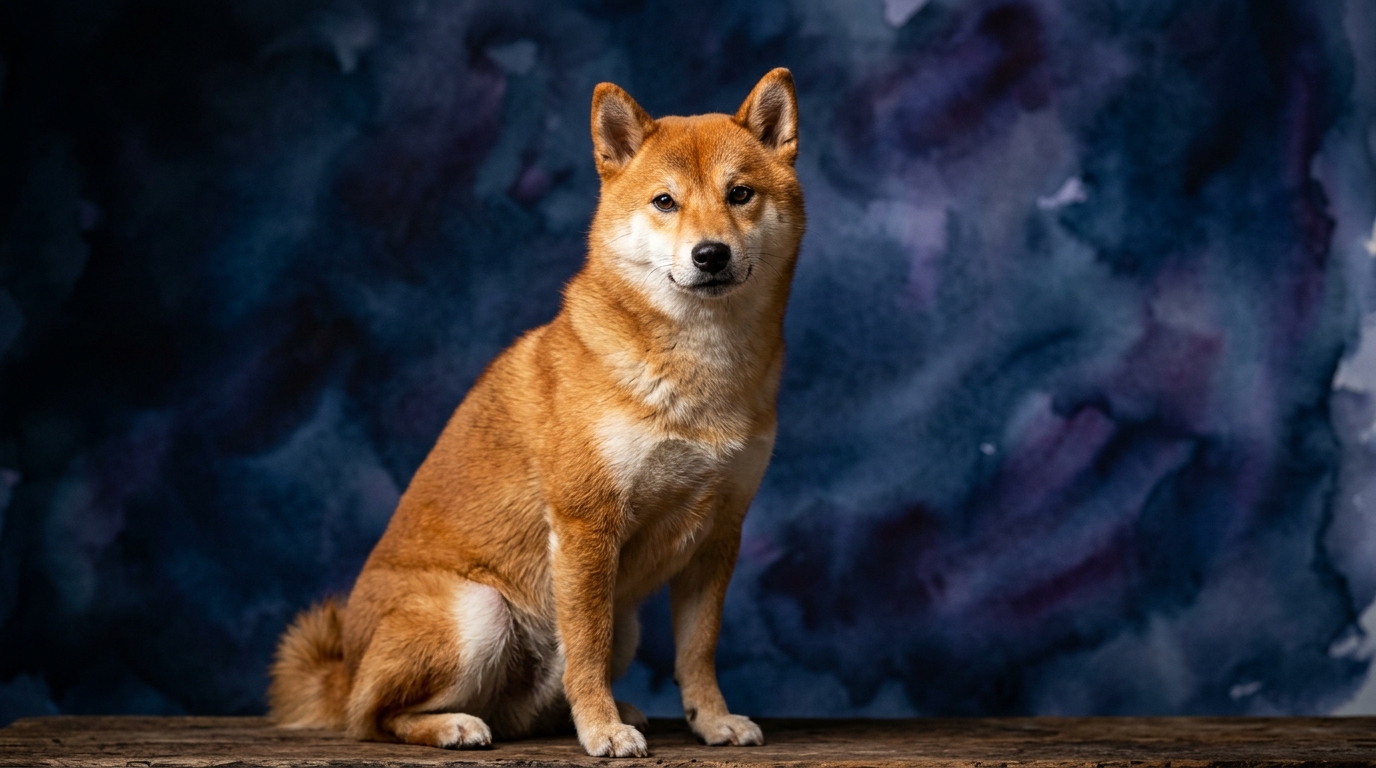
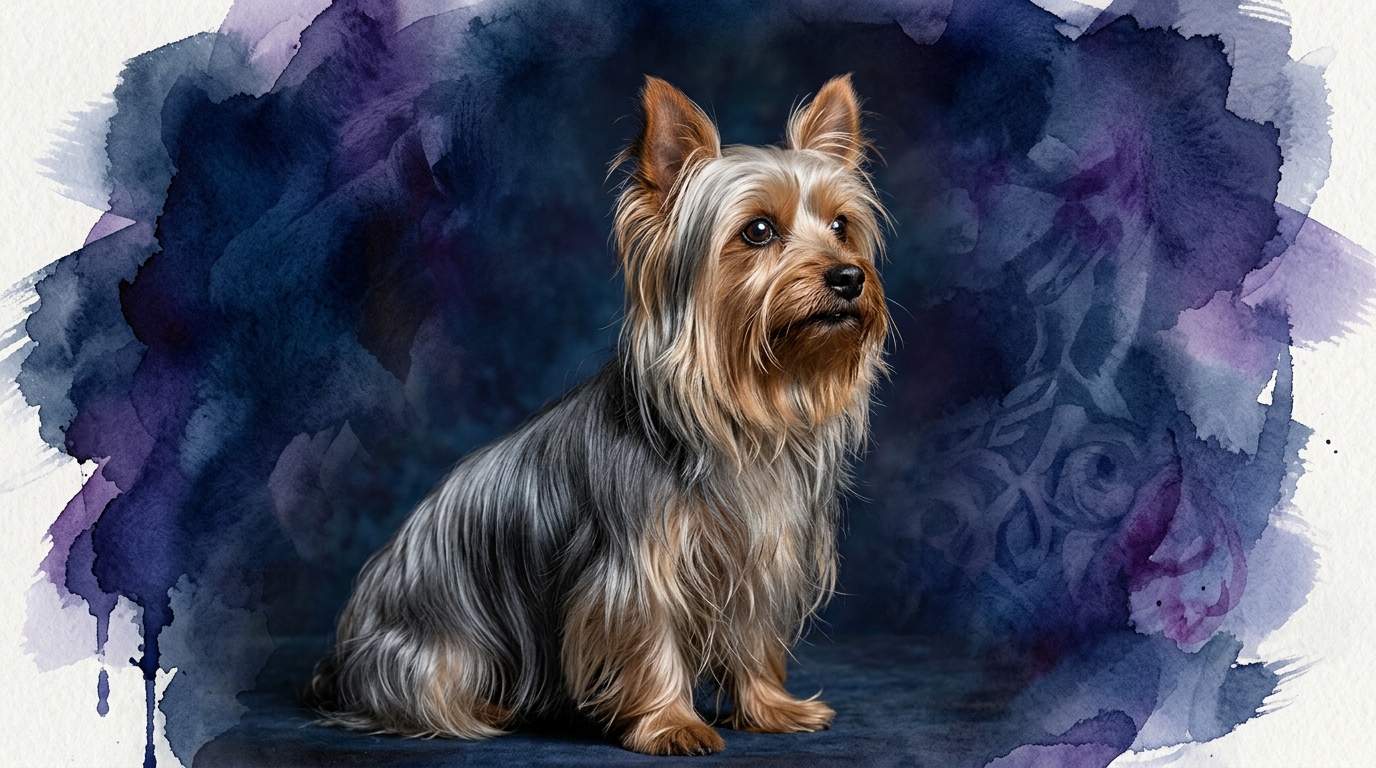
Side-by-Side IQ Profile: Shiba Inu vs. Silky Terrier
The Cosmic Pet Pet IQ Lab employs a five-dimensional framework to assess canine intelligence, moving beyond simplistic notions to reveal the nuanced cognitive strengths of each breed. For the Shiba Inu and Silky Terrier, their scores paint a vivid picture of their inherent capabilities and learning styles.
The Shiba Inu, a breed with ancient Japanese origins, presents a cognitive profile indicating strong independence and primal instincts. Their Problem Solving score of 4/5 suggests a highly resourceful mind, capable of devising effective strategies to achieve their own goals, often without direct human instruction. Training Speed, however, is rated at 2/5, reflecting their independent nature and a tendency to evaluate whether a command aligns with their own self-interest before complying. Social Intelligence stands at 3/5, meaning they can understand human cues but often choose selective engagement rather than overt people-pleasing. A prominent feature is their Instinctive Drive at 5/5, showcasing a powerful innate prey drive, territoriality, and a deep connection to their primitive heritage. Finally, their Memory at 4/5 indicates a strong capacity for retaining complex information, remembering past experiences, and learning from outcomes, both positive and negative.
In contrast, the Silky Terrier, originating from Australia as a companion dog with terrier roots, exhibits a cognitive makeup more geared towards interactive engagement. Their Problem Solving score is 3/5, demonstrating practical intelligence for navigating their environment and learning routines, though perhaps less inclined towards highly novel or complex self-directed solutions. Training Speed is rated at 3/5, indicating a moderate ability to grasp and retain human commands with consistent positive reinforcement, generally showing more biddability than the Shiba. Social Intelligence is also 3/5, reflecting an awareness of human emotions and a desire for interaction, though they can be discerning about who they engage with. Their Instinctive Drive is 3/5, a notable score for a Toy breed, highlighting their terrier heritage with an alert nature and a moderate prey drive, yet less intense than the Shiba. Memory for the Silky Terrier is 3/5, meaning they effectively remember commands, routines, and associations, contributing to their adaptability as companions.
Where the Shiba Inu Wins Cognitively
The Shiba Inu's superior scores in Problem Solving (4/5) and Instinctive Drive (5/5), coupled with their robust Memory (4/5), grant them a distinct cognitive advantage in specific areas. Their problem-solving prowess manifests in their ability to independently figure out how to access desired resources, such as manipulating latches to open doors or devising elaborate plans to reach a treat. This isn't about following instructions; it's about strategic thinking for personal gain, making them incredibly resourceful when motivated. Owners often report instances of Shibas outsmarting them to achieve a goal, demonstrating a sophisticated understanding of cause and effect.
Furthermore, their exceptional Instinctive Drive is not merely about chasing squirrels; it encompasses a profound awareness of their environment, an innate sense of self-preservation, and a deep connection to their primal instincts. This high drive means they are acutely attuned to changes in their surroundings, possess strong territorial instincts, and exhibit behaviors rooted in their ancestral hunting heritage. Their impressive memory enables them to retain these complex strategies and environmental observations, learning from past successes and failures with a lasting recall that can sometimes translate into stubbornness or a long memory for perceived slights, as well as positive associations. This combination makes them formidable independent thinkers, capable of navigating complex situations on their own terms.
Where the Silky Terrier Wins Cognitively
The Silky Terrier's cognitive strengths shine in areas that emphasize cooperation and responsiveness, particularly evident in their Training Speed (3/5) and their comparable Social Intelligence (3/5). While their problem-solving might not involve the intricate, independent schemes of a Shiba, the Silky Terrier demonstrates a practical intelligence that makes them highly adaptable to a human household. Their moderate training speed means they are generally more receptive to learning commands and routines, often showing a willingness to engage in cooperative tasks with their owners. They are quicker to form associations between cues and actions, making them more straightforward to guide through basic obedience and trick training.
Their social intelligence, while matching the Shiba's numerical score, often manifests differently in practice due to their higher biddability. Silky Terriers are typically more attuned to their owners' moods and desires, and generally more eager to please, translating into a greater willingness to participate in shared activities. This makes them excellent candidates for various dog sports and activities that require teamwork, such as agility or obedience trials, where their quick learning and desire to interact are assets. Their memory, while rated 3/5, is perfectly adequate for remembering a wide repertoire of commands and routines, making them reliable companions in day-to-day life and capable of retaining learned behaviors over time.
Which is Easier to Train and Why?
When it comes to ease of training, the Silky Terrier generally holds an advantage over the Shiba Inu, primarily due to their respective scores in Training Speed and the fundamental differences in their motivational drivers. The Silky Terrier's Training Speed of 3/5 suggests a moderate capacity for learning human-directed commands, coupled with a typically more cooperative disposition. Their terrier heritage imbues them with spirit, but their companion breeding means they are often more inclined to work with their owners. They tend to respond well to positive reinforcement, eager to earn praise and treats, and are generally less prone to the independent decision-making that can make training more challenging.
The Shiba Inu, with a Training Speed of 2/5, requires a different approach. Their independent nature and strong self-serving motivations mean they are not inherently driven to please their human companions. A Shiba will learn, but only if they perceive a significant benefit for themselves. This often translates into a need for highly motivating rewards, short and engaging training sessions, and an owner with immense patience and creativity. Behavioral differences are stark: a Silky Terrier might eagerly repeat a new trick for a small reward, whereas a Shiba might perform it once, assess its value, and then decide if it's worth their continued effort. Training a Shiba is less about compliance and more about negotiation, understanding their unique personality, and consistently proving that cooperation is the most rewarding path.
Which Suits Active Owners vs. Relaxed Owners?
The choice between a Shiba Inu and a Silky Terrier based on owner activity levels hinges significantly on how their cognitive profiles translate into daily needs and energy output. The Shiba Inu, with its high Instinctive Drive (5/5) and independent Problem Solving (4/5), thrives with owners who are prepared for an active, mentally stimulating, and often challenging companion. They require consistent mental engagement to prevent boredom, which can lead to destructive behaviors or escape attempts driven by their cleverness. Their strong prey drive necessitates secure environments and diligent leash training. Owners who appreciate a dog with a mind of its own, who enjoys outdoor adventures, and who can provide structured mental challenges will find a rewarding partnership with a Shiba. They are not for the faint of heart or those seeking a passively compliant dog; they need an owner who is actively engaged in understanding and managing their primitive instincts.
The Silky Terrier, while energetic and spirited due to its terrier lineage, generally suits a broader range of owner activity levels. Their moderate Instinctive Drive (3/5) means they enjoy regular walks and playtime, but are often content to relax indoors with their family after their exercise needs are met. Their higher Training Speed (3/5) and social nature make them more adaptable to various household routines. They thrive on companionship and interaction, making them suitable for owners who enjoy engaging with their dog through play, training, and cuddles. While they certainly aren't couch potatoes, they are typically less demanding in terms of requiring constant, intense mental and physical outlets compared to the Shiba. They fit well with owners who are active but also enjoy periods of relaxed, affectionate companionship.
The Verdict
Choose a Shiba Inu if you are an experienced, active owner who appreciates an independent, resourceful, and mentally stimulating companion, prepared for consistent training challenges and a strong-willed personality.
Opt for a Silky Terrier if you desire a spirited, trainable, and affectionate companion who enjoys regular activity but is equally content with engaging family time, and you appreciate a dog more eager to collaborate in training.
🧠 Find Your Pet's IQ Score
Our Pet IQ Lab assessment covers 25+ tests across 5 cognitive dimensions — personalized to your breed.
Take the Full IQ Test →Frequently Asked Questions
Are Shiba Inus difficult to train?
Shiba Inus can be challenging to train due to their independent nature and lower training speed score (2/5). They are intelligent and capable of learning, but they often require highly motivating rewards, consistent effort, and an owner who understands their self-serving motivations rather than expecting eager compliance.
Do Silky Terriers have a strong prey drive?
Silky Terriers possess a moderate instinctive drive (3/5), which includes a notable prey drive inherited from their terrier ancestry. While not as intense as a Shiba Inu's, they will often chase small animals and require secure leash handling and supervision in unfenced areas.
Which breed is better for first-time dog owners?
For most first-time dog owners, the Silky Terrier might be a more suitable choice due to their higher training speed and generally more biddable nature. Shiba Inus, with their strong independence and complex training needs, often thrive with owners who have prior experience with primitive or strong-willed breeds.