Side-by-Side Cognitive Profiles
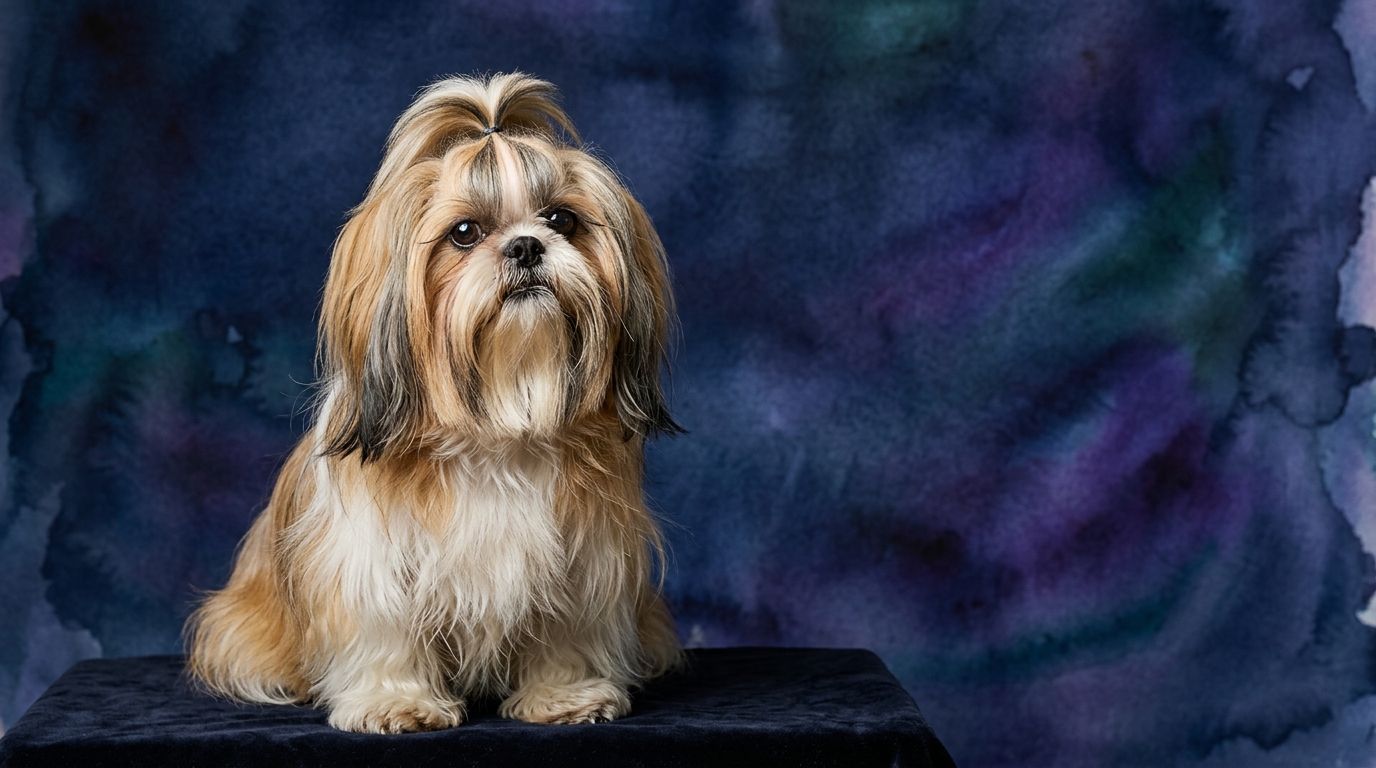
At The Cosmic Pet Pet IQ Lab, we evaluate canine cognition across five key dimensions. For the Shih Tzu, we observe a Problem Solving score of 3/5, indicating they can navigate moderate challenges but aren't driven by complex puzzles. Their Training Speed is 2/5, suggesting a need for patience and consistent reinforcement in learning new commands. Social Intelligence shines at 5/5, reflecting their exceptional ability to read and respond to human emotions. Instinctive Drive is a modest 2/5, meaning they are less inclined towards activities like hunting or intense exploration, prioritizing companionship instead. Memory stands at 3/5, sufficient for daily routines and recognizing familiar faces and places.
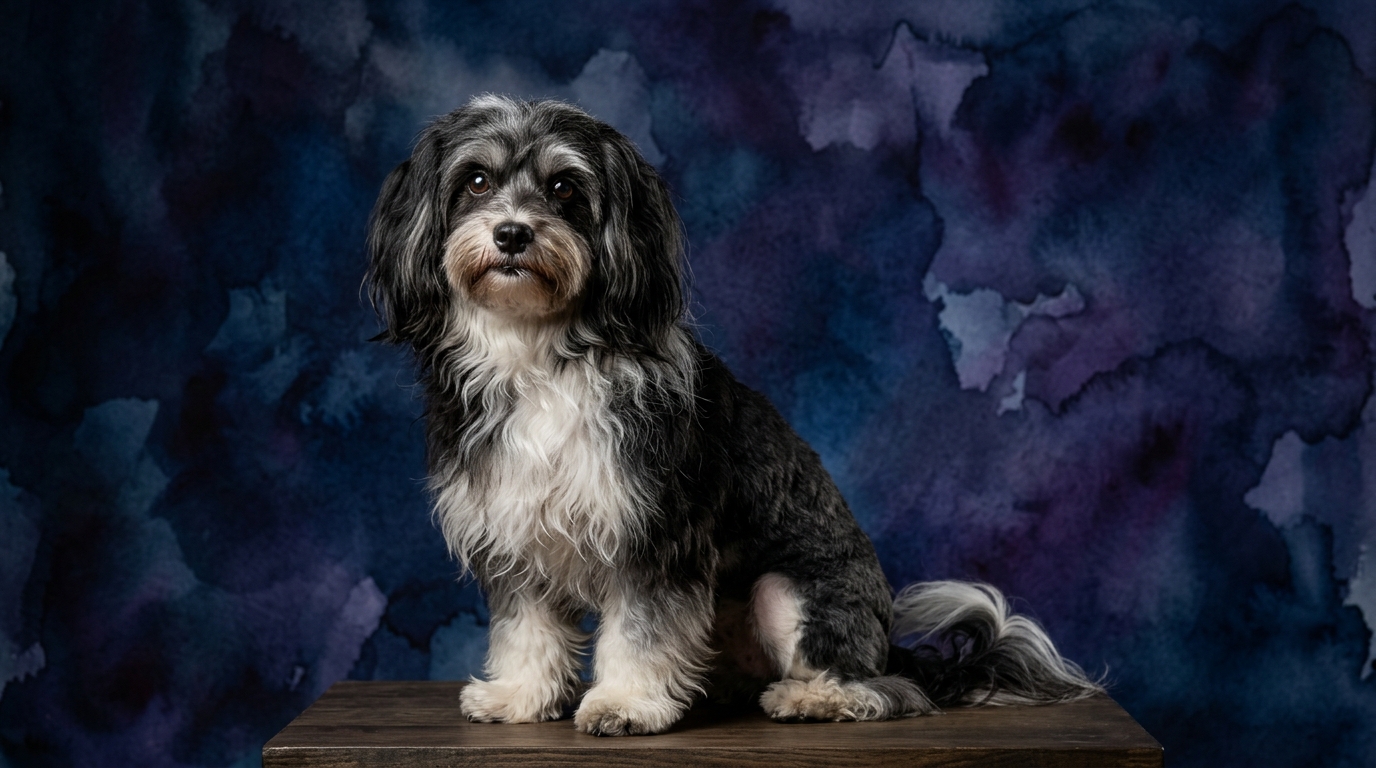
The Löwchen presents a slightly different cognitive fingerprint. Their Problem Solving ability matches the Shih Tzu at 3/5, capable of moderate cognitive tasks but not excelling in highly intricate ones. Where they diverge is Training Speed, scoring 3/5, suggesting a quicker grasp of new cues compared to the Shih Tzu. Social Intelligence is rated at 3/5, indicating they are friendly and engaged but perhaps less intensely attuned to human emotional subtleties than their Shih Tzu counterparts. Instinctive Drive is 3/5, pointing to a more active curiosity and willingness to engage with their environment. Their Memory is also 3/5, enabling them to retain learned behaviors and routines effectively.
Where the Shih Tzu Excels Cognitively
The Shih Tzu's standout cognitive strength lies unequivocally in their Social Intelligence, scoring an impressive 5/5. This isn't merely about being friendly; it reflects a profound capacity to interpret and respond to human emotional states. A Shih Tzu often seems to anticipate their owner's moods, offering comfort during distress or joining in moments of joy with an intuitive understanding. They are masters of adapting their behavior to the family's emotional climate, seamlessly integrating into the household's social fabric. This high social intelligence translates into an almost symbiotic bond, where they are not just pets but deeply empathetic companions, capable of forming intense, reciprocal emotional connections. Their cognitive framework is geared towards harmonious interaction and emotional attunement, making them exceptionally skilled at navigating the nuances of human relationships.
Where the Löwchen Holds the Cognitive Edge
The Löwchen demonstrates its cognitive advantages primarily in Training Speed and Instinctive Drive. With a Training Speed of 3/5 compared to the Shih Tzu's 2/5, Löwchens generally show a quicker aptitude for learning new commands and routines. This means fewer repetitions are typically needed for a Löwchen to grasp a concept, making training sessions potentially more efficient and rewarding for both dog and owner. Their Instinctive Drive, rated at 3/5 versus the Shih Tzu's 2/5, signifies a more pronounced curiosity and a greater inclination towards exploring their surroundings and engaging in varied activities. This moderate drive translates into a more active and inquisitive nature, making them more receptive to interactive games, structured play, and exploring new environments. They possess a balanced cognitive profile that encourages engagement with their world beyond just intimate companionship, fostering a readiness to learn and participate in more diverse activities.
Training Dynamics: Shih Tzu vs. Löwchen
When considering which breed might be easier to train, the Löwchen generally presents a smoother path due to its higher Training Speed (3/5) and Instinctive Drive (3/5). Löwchens tend to pick up new cues with less repetition and are often more motivated by the process of learning and exploration. Their moderate drive means they are more likely to be engaged by novel tasks and interactive training methods, finding satisfaction in mental stimulation. This translates into a dog that can be more readily guided through basic obedience and even some trick training, often eager to participate.
The Shih Tzu, with a Training Speed of 2/5, typically requires more patience and creative motivation. While they are eager to please their beloved humans, their primary drive is often social connection and comfort, not task-oriented learning. They may be more easily distracted by their desire for physical closeness or by an interesting scent, requiring owners to make training highly rewarding and consistently engaging. Success with a Shih Tzu often hinges on leveraging their high social intelligence and desire for attention, making training feel like a shared, positive interaction rather than a chore. Their lower instinctive drive also means they might be less naturally inclined to 'work' for a reward, preferring cuddles over complex commands.
Suitability for Active vs. Relaxed Lifestyles
For owners with a relaxed lifestyle, the Shih Tzu often proves to be an ideal companion. Their exceptional Social Intelligence (5/5) means they thrive on close human interaction and are content with a less demanding physical routine. They are perfectly happy to spend their days in their owner's lap or nearby, offering emotional support and enjoying quiet companionship. Their lower Instinctive Drive (2/5) means they don't have a strong inherent need for extensive physical activity or complex mental challenges, making them well-suited to apartment living and a generally calm pace.
Conversely, the Löwchen is better suited for owners who appreciate a more active and interactive companion. Their moderate Instinctive Drive (3/5) means they enjoy engaging in varied activities, short walks, and playful interactions. While not requiring marathon runs, they benefit from regular mental stimulation through games, learning new tricks, and exploring different environments. Their balanced Social Intelligence (3/5) ensures they are affectionate and connected, but their slightly higher cognitive drive means they will appreciate an owner who can provide opportunities for both physical and mental engagement beyond just cuddles, making them a good match for owners seeking a lively, curious small dog.
The Verdict
Opt for a Shih Tzu if your priority is an emotionally intuitive companion who thrives on close physical presence and offers unparalleled comfort, content with a relaxed lifestyle.
Select a Löwchen if you seek an engaging, curious companion who enjoys interactive play and moderate activity, offering a balance of affection and independent exploration.
🧠 Find Your Pet's IQ Score
Our Pet IQ Lab assessment covers 25+ tests across 5 cognitive dimensions — personalized to your breed.
Take the Full IQ Test →Frequently Asked Questions
Are Shih Tzus difficult to train?
Shih Tzus are not inherently difficult, but their training speed score of 2/5 suggests they require more patience and consistent positive reinforcement. Their primary motivation often stems from social connection rather than task completion, so engaging their desire for companionship is key.
Do Löwchens need a lot of mental stimulation?
With a problem-solving score of 3/5 and an instinctive drive of 3/5, Löwchens benefit from moderate mental stimulation. They enjoy engaging in games, learning new tricks, and exploring their environment, making interactive toys and short training sessions beneficial.
Which breed is better with other pets or children?
Both breeds can adapt well to families, but the Shih Tzu's higher social intelligence (5/5) might make them more adept at navigating complex household dynamics, including interactions with gentle children and other calm pets. Löwchens, with a 3/5 social intelligence, are generally friendly but may be slightly less intuitive about social cues in a multi-pet or child-filled home.