Side-by-Side IQ Profile: Shih Tzu vs. Shiba Inu
To understand the cognitive strengths and inclinations of these two breeds, we break down their intelligence across five key dimensions. These scores provide a nuanced view beyond simplistic labels, highlighting where each breed naturally excels.
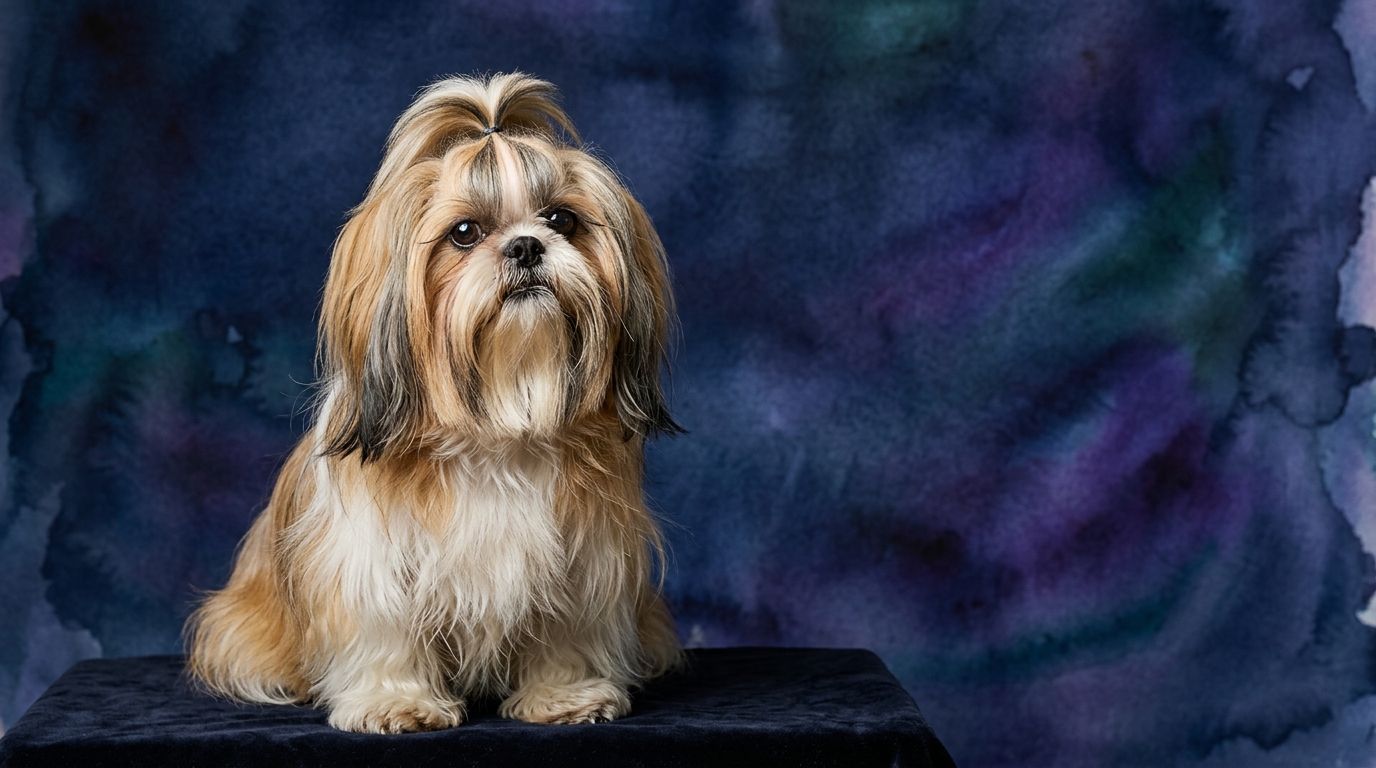
The **Shih Tzu**, a charming Toy breed ranked #70 by Coren, exhibits a problem-solving capacity of 3/5, indicating they are adept at navigating familiar routines but may seek human guidance for novel challenges. Their training speed is rated 2/5, suggesting that while they can learn, it often requires patient, consistent methods due to a charmingly independent streak. Where the Shih Tzu truly shines is in social intelligence, scoring a perfect 5/5, making them exceptionally attuned to human emotions and social cues. Their instinctive drive is low at 2/5, meaning they are generally content within a domestic setting with minimal prey or territorial impulses. Finally, their memory is rated 3/5, allowing them to retain learned behaviors and routines effectively.
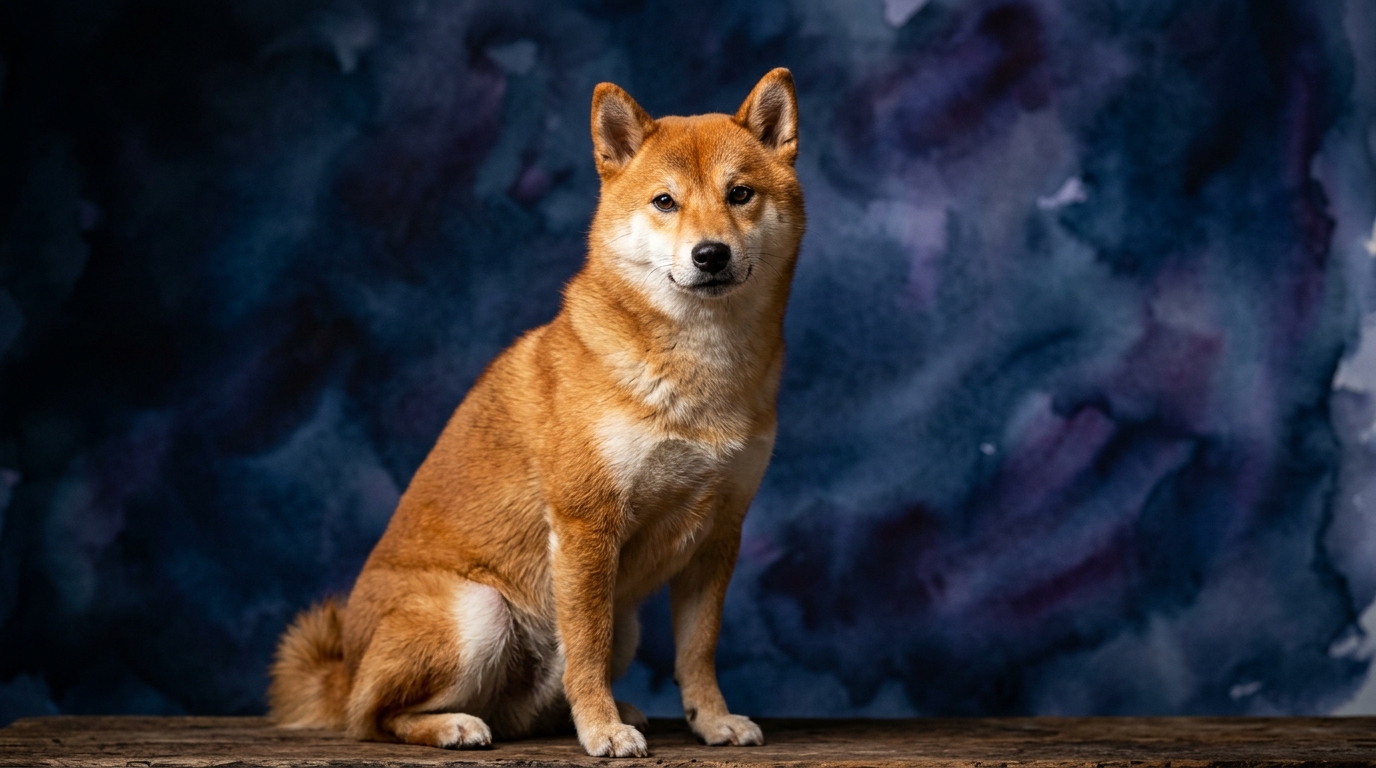
The **Shiba Inu**, a spirited Non-Sporting breed not specifically Coren-ranked, presents a different cognitive blueprint. Their problem-solving ability scores a robust 4/5, demonstrating considerable ingenuity in figuring out how to achieve desired outcomes. Like the Shih Tzu, their training speed is 2/5, highlighting a strong independent nature that makes them challenging for purely obedience-based training. Their social intelligence is 3/5, indicating they are observant but often express affection and connection on their own terms, less overtly people-pleasing. A defining characteristic is their high instinctive drive, scoring 5/5, which manifests as a pronounced prey drive and strong self-preservation instincts. Their memory is rated 4/5, enabling them to retain information efficiently, contributing to their independent decision-making and learning from past experiences.
Where the Shih Tzu Wins Cognitively
The Shih Tzu's standout strength lies in their exceptional social intelligence, scoring 5/5 compared to the Shiba Inu's 3/5. This profound capacity allows them to effortlessly read human emotions, anticipate needs, and seek out connection, making them profoundly empathetic companions. They excel at mirroring their owner's mood and providing comfort, demonstrating a remarkable responsiveness to subtle social cues. This strong social drive means Shih Tzus are often more eager to engage in cooperative tasks that involve human interaction, even if the task itself isn't complex, deriving immense satisfaction from shared activity and affection.
Where the Shiba Inu Wins Cognitively
The Shiba Inu demonstrates a clear cognitive advantage in problem-solving (4/5 vs. Shih Tzu's 3/5), memory (4/5 vs. Shih Tzu's 3/5), and instinctive drive (5/5 vs. Shih Tzu's 2/5). This combination enables them to navigate complex environments and situations with greater self-reliance and ingenuity. They often devise their own clever solutions to obstacles, such as figuring out how to open gates, escape enclosures, or retrieve out-of-reach items. Their strong instinctive drive fuels their curiosity and exploration, leading to more independent learning and efficient retention of spatial information or successful strategies, allowing them to adapt and overcome challenges with less direct human intervention.
Training Aptitude: Which Breed is Easier?
When it comes to training, the 'easier' designation depends heavily on the owner's approach and expectations. The Shih Tzu, despite a 2/5 training speed, often proves more amenable to traditional obedience training due to their high social intelligence (5/5). They are motivated by pleasing their owners and receiving affection and praise, making them more likely to repeat desired behaviors when positive reinforcement and a strong bond are present. While they can exhibit stubbornness, their fundamental desire for companionship typically outweighs this, making them responsive to patient, consistent methods. Their lower instinctive drive also means fewer distractions from external stimuli, allowing them to focus more intently on the trainer and the task at hand.
The Shiba Inu, also rated 2/5 for training speed, presents a different, often more challenging, training dynamic. Their independence, combined with lower social intelligence (3/5) and a very high instinctive drive (5/5), means they are less inherently driven to please their owner and more motivated by their own interests or internal drives. Training a Shiba Inu requires highly engaging, varied sessions that appeal to their problem-solving nature and strong will, often needing a compelling "what's in it for me?" incentive. Their keen memory means they remember past training attempts and can become resistant if methods are inconsistent or perceived as unfair. Furthermore, their high instinctive drive means they are easily distracted by environmental stimuli like scents or moving objects, making recall and sustained focus particularly challenging in busy or open settings.
Ideal Lifestyles: Active vs. Relaxed Owners
For **active owners**, the Shiba Inu is often a more suitable companion. Their high instinctive drive and superior problem-solving skills mean they thrive on consistent mental and physical stimulation. They enjoy exploring new environments, engaging in scent work, agility, or other activities that challenge their intellect and allow them to utilize their natural instincts. An active owner can provide the varied experiences, consistent training, and boundary setting needed to channel their energy and independence constructively. Shiba Inus are not content to be purely decorative; they require an owner who understands and can manage their strong will, exploratory nature, and need for purpose.
Conversely, the **Shih Tzu** typically aligns better with **relaxed owners**. Their exceptional social intelligence and lower instinctive drive make them ideal companions for those seeking a calmer, more companion-oriented pet. While they certainly enjoy play and gentle walks, their primary need is for close human interaction, comfort, and a sense of belonging within the family unit. They are generally content with a more relaxed pace of life, often enjoying cuddles on the couch as much as a stroll around the block. Their strong desire to be involved in family life, without demanding constant strenuous activity, fits well with a less active or more sedentary lifestyle, providing affectionate companionship with a relatively low-maintenance exercise requirement.
The Verdict
Choose a Shih Tzu if you prioritize a deeply empathetic companion who thrives on close social connection and is content with a more relaxed daily routine, offering comfort and unwavering companionship above all else.
Opt for a Shiba Inu if you are an experienced, active owner prepared to engage a clever, independent spirit with stimulating activities and consistent, creative training, appreciating their self-reliant nature and strong personality.
🧠 Find Your Pet's IQ Score
Our Pet IQ Lab assessment covers 25+ tests across 5 cognitive dimensions — personalized to your breed.
Take the Full IQ Test →Frequently Asked Questions
Are Shih Tzus difficult to train due to their Coren rank?
The Shih Tzu's Coren rank of #70 places them lower on traditional obedience scales, primarily due to their independent streak and motivation by companionship over strict command. However, their high social intelligence means they respond well to positive reinforcement and bond-based training, making them trainable with patience and consistency, focusing on the relationship.
Why isn't the Shiba Inu Coren-ranked, and what does that imply for their intelligence?
The absence of a Coren rank for the Shiba Inu doesn't signify a lack of intelligence; rather, Coren's methodology primarily focused on breeds with a history of working obedience. Their high problem-solving and instinctive drive scores suggest a keen, independent intellect that often prefers to follow its own motivations rather than human commands, making them challenging for traditional obedience metrics but highly capable in other cognitive domains.
Which breed is more prone to separation anxiety based on their IQ profiles?
Given their exceptional social intelligence (5/5) and strong need for constant companionship, Shih Tzus are generally more prone to developing separation anxiety if left alone for extended periods. Shiba Inus, with their greater independence and lower social intelligence score (3/5), tend to handle solitude more readily, though individual personalities and early experiences always play a significant role.