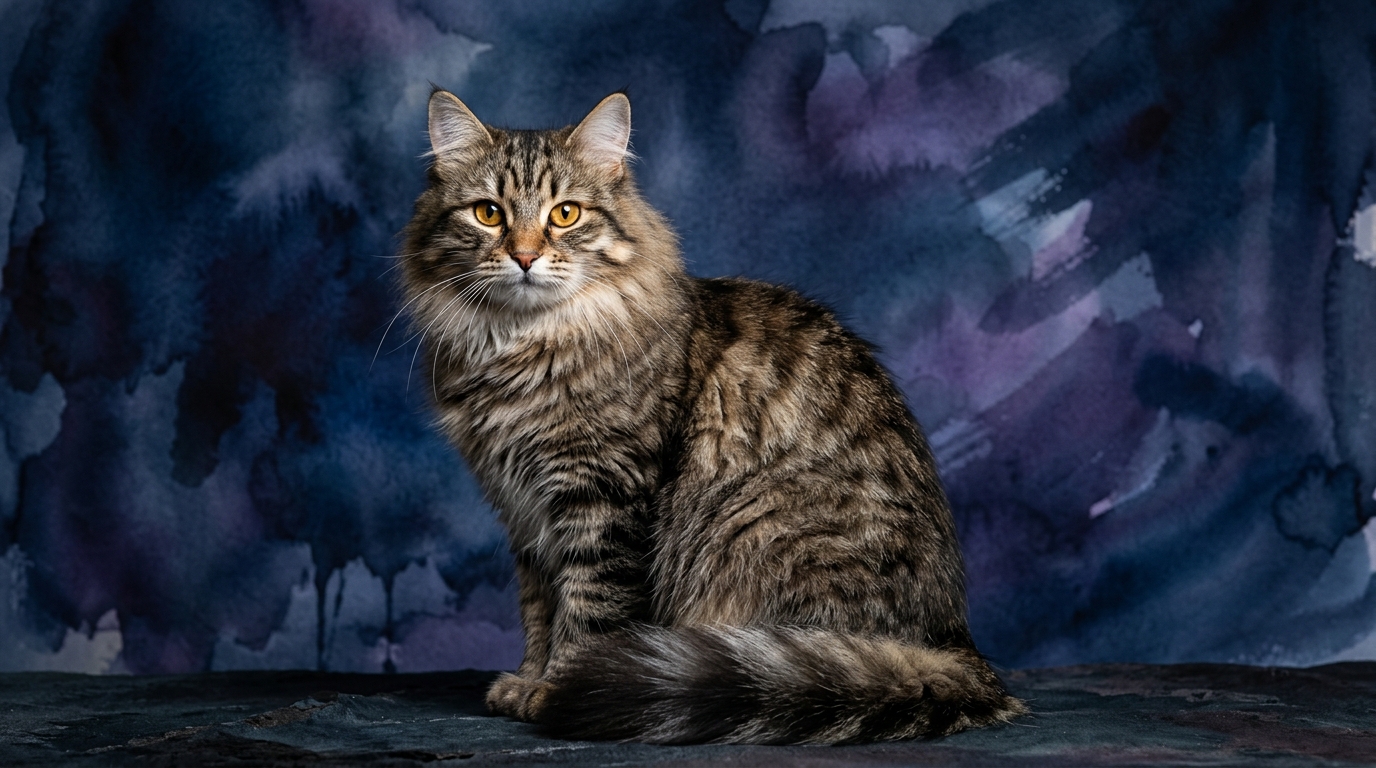
Siberian: A Robust and Curious Intellect
The Siberian cat, a natural breed, demonstrates a practical and exploratory approach to cognitive challenges. Their intelligence is often expressed through active engagement with their environment, coupled with a genuine interest in their surroundings.
Problem Solving (3/5): Siberians exhibit a hands-on problem-solving approach, often driven by their inherent curiosity. They might figure out how to manipulate door latches, open cabinets to investigate contents, or strategically climb to access desired high perches, demonstrating a clear understanding of spatial relationships and cause and effect. Their solutions are direct and geared towards achieving a tangible goal, whether it’s finding a hidden treat or securing a better vantage point.
Training Speed (3/5): These cats respond well to positive reinforcement, showing a willingness to engage in learning when sessions are enjoyable and rewarding. They can learn basic commands like “sit” or “come” with consistent, engaging methods that leverage their playful nature. Their receptiveness to new concepts is often tied to their motivation for treats, interactive play, or direct human interaction, making training a shared, fun activity.
Social Intelligence (3/5): Siberians are known for their affable disposition, forming strong bonds with their human families and often interacting positively with children and other pets. Their social intelligence allows them to read cues from their environment and adapt their behavior to fit different social dynamics, often seeking out companionship and engaging in reciprocal play. They frequently demonstrate an understanding of household routines and the emotional states of their family members, adjusting their presence accordingly.
Instinctive Drive (3/5): Possessing a healthy hunting instinct, Siberians are adept at stalking, pouncing, and playing with toys that mimic prey, showcasing their natural predatory behaviors. This drive translates into a need for environmental enrichment, including puzzle toys, climbing structures, and interactive play sessions that satisfy their innate urges. Their cognitive engagement is often heightened when these instincts are appropriately stimulated, leading to a more content and well-adjusted cat.
Memory (3/5): Siberians demonstrate good recall for routines, people, and specific locations within their territory. They reliably remember where their favorite toys are stashed, the daily schedule for meals and play, and the faces and voices of those who regularly interact with them. This strong memory contributes significantly to their adaptability and comfort in a stable home environment, allowing them to anticipate events and navigate their surroundings with confidence.
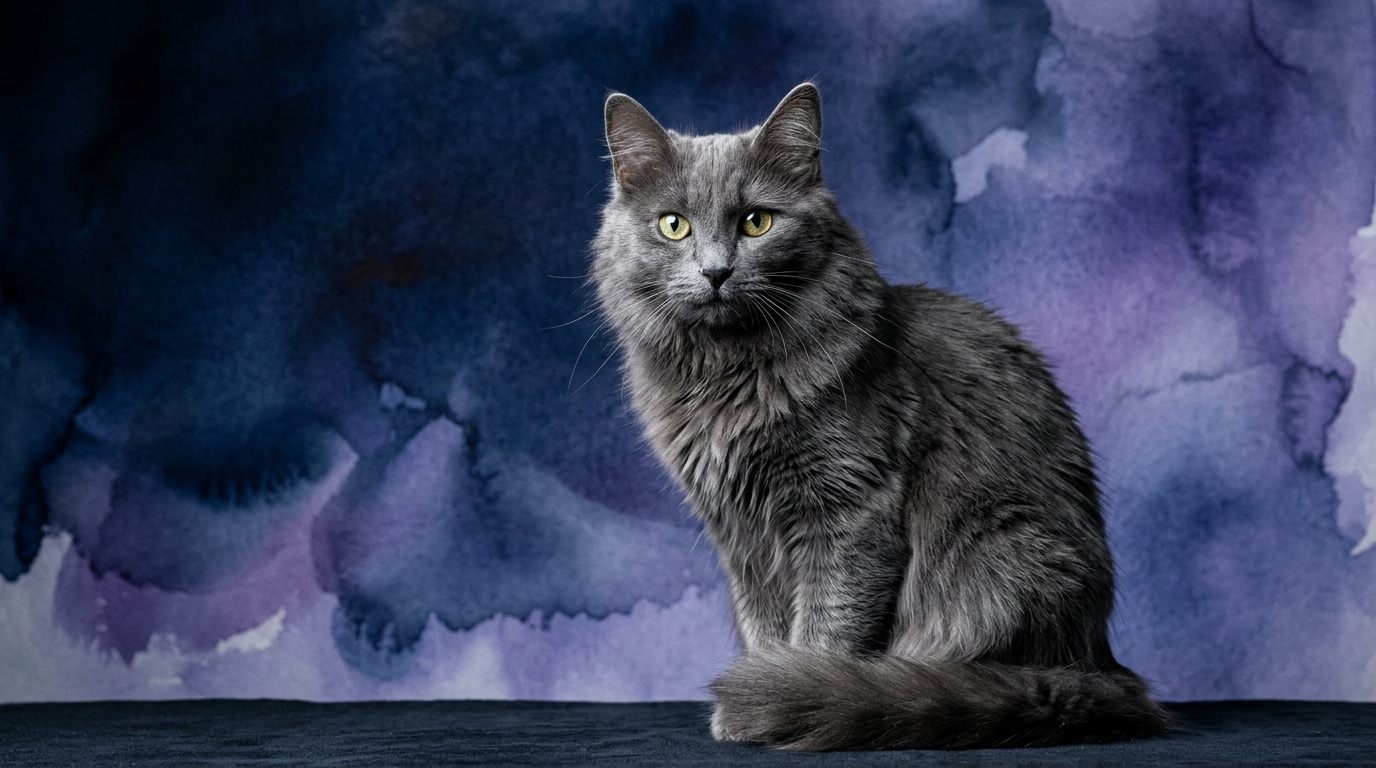
Nebelung: A Graceful and Observant Intellect
The Nebelung, with its elegant demeanor, approaches cognitive tasks with a thoughtful and often reserved style. Their intelligence is characterized by keen observation and a methodical approach to understanding their world.
Problem Solving (3/5): Nebelungs often employ a more observant and methodical problem-solving style, preferring to assess situations thoroughly before acting. They might spend time watching how a door handle operates or carefully evaluating a new obstacle before attempting to overcome it. Their solutions tend to be refined and less overtly boisterous, often seeking the most efficient and least disruptive path, reflecting a thoughtful approach rather than impulsive action.
Training Speed (3/5): While capable of learning, Nebelungs often require a quieter, more patient approach to training. They excel with consistent, gentle reinforcement and can pick up tricks, leash training, or even complex routines when a strong bond of trust is established with their trainer. Their sensitive nature means that harsh methods are counterproductive, emphasizing the need for positive, encouraging interactions to foster their learning and confidence.
Social Intelligence (3/5): Nebelungs display a deep, selective social intelligence, forming profound attachments with their chosen few human companions. They often demonstrate intense loyalty and a remarkable sensitivity to their owners' moods and emotional states, responding with comforting presence or quiet companionship. While reserved with strangers and preferring a calm environment, their social acumen within their trusted circle is significant, allowing for subtle communication and a strong emotional resonance.
Instinctive Drive (3/5): Their instinctive drive manifests as a graceful, almost balletic hunting style during play, characterized by elegant pounces and focused stalking. They enjoy chasing and interacting with toys, but often with a quieter intensity than some breeds. Their predatory drive is satisfied through interactive games that stimulate their natural behaviors without overwhelming their sensitive disposition, ensuring they remain engaged and mentally stimulated.
Memory (3/5): Nebelungs exhibit excellent memory for their established routines, the specific preferences of their family members, and the layout of their safe spaces. They remember preferred sleeping locations, the timing of daily interactions, and the gentle voices of their loved ones. This strong memory contributes significantly to their sense of security and comfort within their familiar environment, helping them to thrive in a stable and predictable home.
Where the Siberian's Cognition Shines Brighter
Despite identical scores, the Siberian's more outgoing and physically robust nature can give them an edge in certain cognitive applications. Their greater willingness to experiment and explore means they might more readily adapt to novel or slightly chaotic environments, quickly assessing new situations and formulating solutions through trial and error. This broad curiosity allows them to integrate swiftly into diverse social settings, interpreting a wider range of human and animal cues.
Their Problem Solving (3/5) often manifests as a more overt, physical engagement with their surroundings. For an owner seeking a cat that actively participates in exploring new spaces or figuring out complex puzzle toys through direct manipulation, the Siberian’s approach might appear more dynamic and immediately responsive to changing stimuli.
Where the Nebelung's Cognition Takes the Lead
The Nebelung's reserved disposition, coupled with its observant nature, highlights its unique cognitive strengths. Their Problem Solving (3/5) often involves a more calculated, less impulsive approach, allowing them to subtly navigate complex household dynamics or identify optimal, low-stress environments within the home. They might excel at finding the quietest escape routes or consistently utilizing preferred, secure resting spots with remarkable consistency, demonstrating an efficient use of their cognitive mapping.
Their Social Intelligence (3/5), while selective, allows for a profound emotional acuity within their trusted circle. This deep attunement means they can be remarkably sensitive to their primary caregivers' subtle emotional shifts, often responding with comforting presence or by gracefully retreating to offer space precisely when needed. This nuanced understanding of human emotion can make them incredibly empathetic companions.
Training Them: Different Paths to Success
Both breeds score 3/5 in Training Speed, indicating a solid capacity for learning, but their inherent temperaments dictate different training methodologies. The Siberian, with its playful and outgoing nature, is often easier to engage in training sessions that feel like an extension of play. Their curiosity and "dog-like" tendency to follow their humans make them more amenable to learning commands or tricks, especially when kept fun, interactive, and reward-based. They are generally less easily deterred by minor distractions, maintaining focus through enthusiasm.
The Nebelung, conversely, requires more patience and a quieter, consistent environment for optimal training. Their sensitivity means they respond poorly to anything perceived as harsh or overwhelming. While capable learners, they thrive on routine and trust, making gentle, consistent reinforcement crucial. Training should focus on building confidence and strengthening the bond, often with a motivation rooted in pleasing their trusted human rather than just the joy of the game. They might take slightly longer to warm up to new exercises but will retain them exceptionally well once mastered.
Matching Intellect to Lifestyle: Active vs. Relaxed Owners
For active owners who enjoy interactive play, frequent engagement, and perhaps even outdoor adventures on a leash, the Siberian is an excellent match. Their robust nature, higher energy levels, and broad curiosity mean their cognitive engagement thrives on variety and stimulation. They appreciate puzzle toys, climbing opportunities, and owners who are eager to involve them in household activities, making them a vibrant and participatory member of the family.
Relaxed owners who appreciate a calm, predictable environment will find a wonderful companion in the Nebelung. While they certainly enjoy play, their cognitive needs are met through consistent routines, quiet companionship, and gentle, focused interaction. They are excellent for owners who value a devoted, observant feline who may not always be in the thick of boisterous activity but is deeply present and highly attuned to the subtle rhythms of a serene home, offering a graceful and sensitive intellectual partnership.
The Verdict
If you seek a cognitively adaptable companion who thrives on diverse interactions, enjoys playful engagement, and can readily adjust to a bustling household, the Siberian offers a robust and curious intellect.
If your lifestyle values a deeply bonded, observant feline who excels in a serene environment and offers subtle emotional attunement, the Nebelung will provide a graceful and sensitive intellectual partnership.
🧠 Find Your Pet's IQ Score
Our Pet IQ Lab assessment covers 25+ tests across 5 cognitive dimensions — personalized to your breed.
Take the Full IQ Test →Frequently Asked Questions
Do Siberians and Nebelungs learn tricks?
Yes, both breeds are capable of learning tricks and commands, scoring 3/5 in training speed. Siberians often respond well to playful, high-energy sessions, while Nebelungs benefit from calm, consistent, and trust-based training methods. Positive reinforcement is key for both to encourage their learning.
How do these breeds show their problem-solving skills?
Siberians often demonstrate problem-solving through active exploration and manipulation, like opening cabinets to investigate or strategically climbing. Nebelungs typically approach challenges with more observation and subtlety, assessing situations before making a calculated, less overt attempt to solve them, often finding the most efficient path.
Are either of these breeds good with children or other pets?
Both breeds score 3/5 in social intelligence, but their expression differs. Siberians are generally more outgoing and adaptable, often integrating well into active family environments with children and other pets. Nebelungs are devoted to their chosen family but tend to be reserved with strangers and may prefer a quieter household, though they can bond well with gentle children and calm pets.