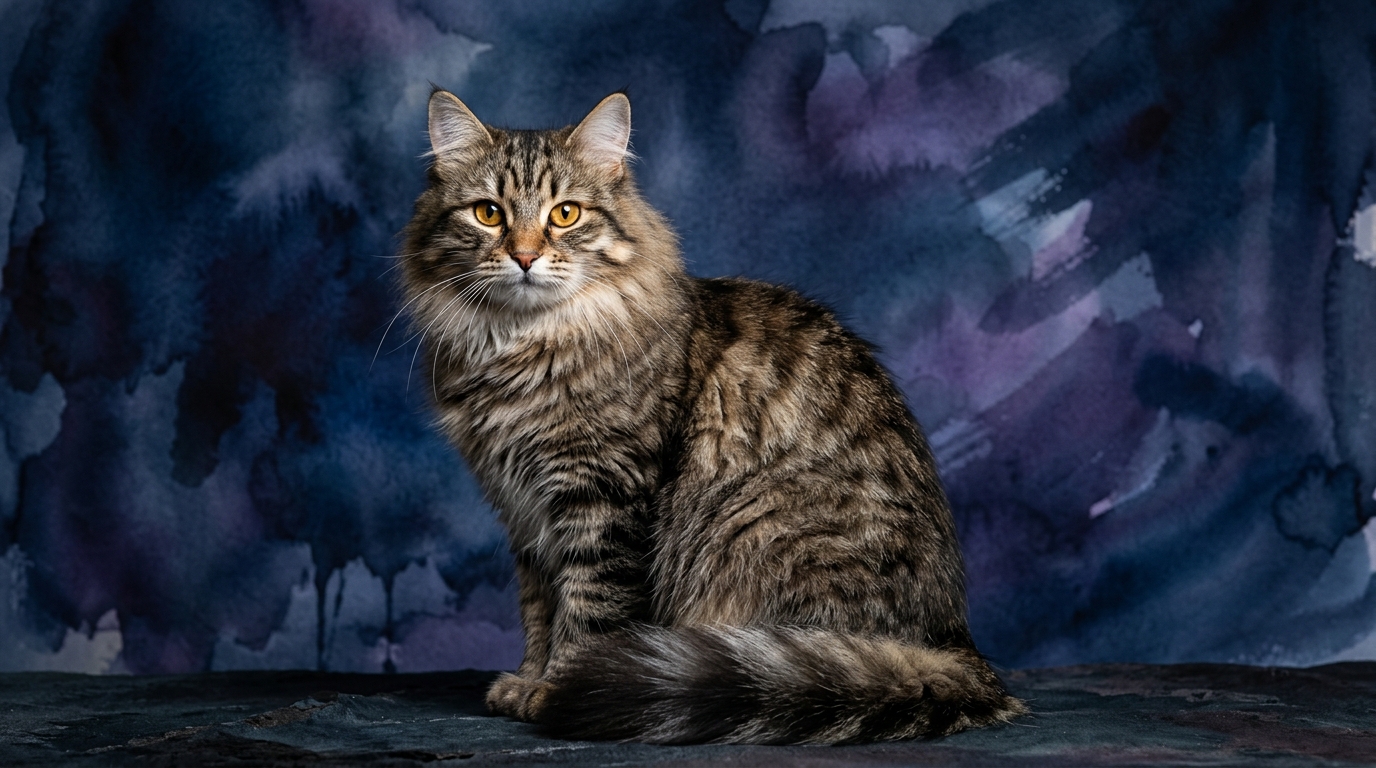
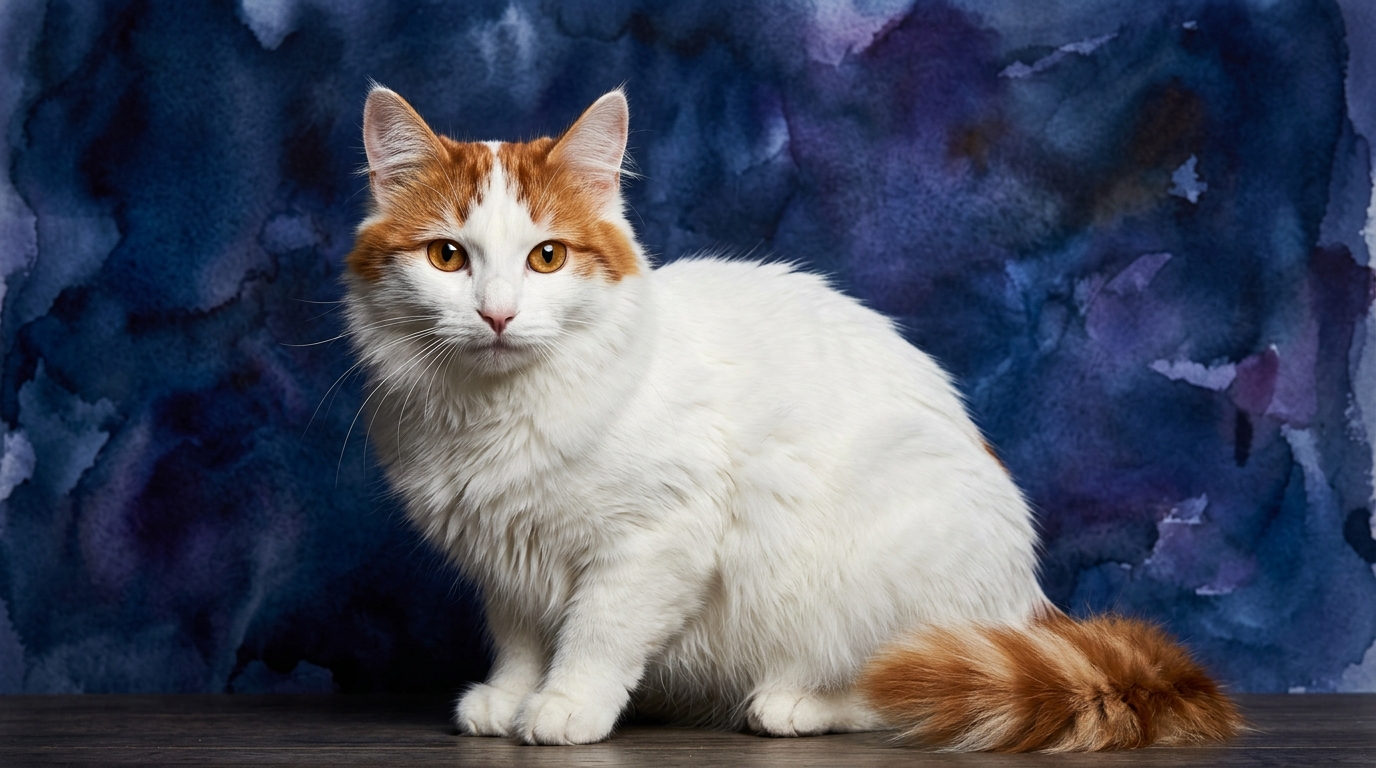
Side-by-Side IQ Profile
The Cosmic Pet IQ Lab's assessment offers a detailed look into the cognitive dimensions of these two captivating breeds:
**Siberian:**
**Problem Solving (3/5):** The Siberian approaches challenges with a thoughtful, often observational strategy, preferring to assess a situation before acting. They excel at practical puzzles like navigating complex household layouts or figuring out how to access a desired treat within their known environment, demonstrating a patient, methodical approach rather than impulsive trial-and-error. They might methodically observe a human opening a door before attempting to mimic the action, or patiently work at a puzzle feeder.
**Training Speed (3/5):** Siberians respond readily to positive reinforcement, showing a good capacity for learning routines and basic commands when engaged. Their willingness to please their chosen humans, combined with a generally calm demeanor, facilitates teaching tricks like fetch or leash training, though they may require consistent, gentle repetition for complex tasks to solidify the learning.
**Social Intelligence (3/5):** Siberians form deep bonds with their family members, often displaying an intuitive understanding of human emotions and comfort needs. They enjoy interactive play and will seek out companionship, integrating well into multi-pet households. They often 'read the room,' choosing to approach a distressed family member for comfort or subtly inviting play when energy levels are high, showing a nuanced understanding of social dynamics within their household.
**Instinctive Drive (3/5):** Possessing a strong natural hunting instinct, Siberians enjoy chasing toys, climbing, and exploring their territory with a keen sense of curiosity. Their ancestral roots in varied climates contribute to a robust exploratory nature and a healthy interest in their surroundings, including a notable, though not universal, fascination with water or running taps.
**Memory (3/5):** Siberians exhibit excellent recall for routines, preferred play objects, and the individuals they interact with regularly. They remember past positive and negative experiences, which influences their future interactions and learning, making consistency in training and environment beneficial for their long-term cognitive retention.
**Turkish Van:**
**Problem Solving (3/5):** The Turkish Van is a highly resourceful and curious problem-solver, often employing an experimental, hands-on approach, particularly when their curiosity about new objects or spaces is piqued. They might quickly figure out how to open cabinets or manipulate toys, especially if water is involved, favoring active exploration over passive observation. Their approach often involves batting at objects, pawing at closures, or attempting to splash water to dislodge something.
**Training Speed (3/5):** Turkish Vans can learn commands and tricks swiftly, especially if the training incorporates their natural playfulness, high energy, and affinity for water. They require engaging, stimulating sessions to maintain focus, as their independent spirit means they can become bored or stubborn if not adequately motivated by fun or reward, but respond enthusiastically to positive reinforcement.
**Social Intelligence (3/5):** Turkish Vans typically form strong, often singular bonds with one or two primary caregivers, displaying a highly communicative and affectionate nature with their chosen people. They enjoy being central to family activities and can be quite vocal. Their bond is often expressed through intense vocalizations, head-butts, and a persistent desire to be in the same room or on the shoulder of their chosen person, displaying a more direct, almost demanding, form of affection and engagement.
**Instinctive Drive (3/5):** With a pronounced prey drive and an extraordinary, well-documented fascination with water, Turkish Vans possess a high instinctive drive for hunting, climbing, and exploring. Their energetic nature demands outlets for these instincts, making interactive play and access to stimulating environments crucial for their well-being and mental satisfaction.
**Memory (3/5):** Turkish Vans demonstrate excellent spatial memory, remembering layouts of their territory, hidden toys, and the locations of interesting objects or water sources. They recall specific interactions and learn from experiences quickly, adapting their behavior based on remembered outcomes, particularly regarding their preferred activities and exploratory successes.
Where Siberian Wins Cognitively
While both breeds score identically in problem-solving, the Siberian often displays a slightly more sustained focus on complex, non-immediate reward tasks. Their patient, observational problem-solving style can make them adept at puzzles requiring a thoughtful sequence of actions rather than impulsive experimentation, excelling in situations that reward methodical progression. Furthermore, their social intelligence, also rated 3/5, often translates to a broader adaptability within a diverse household. Siberians can integrate more smoothly with multiple family members, children, and other pets, discerning and responding to a wider range of social cues from various individuals, fostering a harmonious multi-species environment.
Where Turkish Van Wins Cognitively
The Turkish Van’s cognitive strengths shine in areas demanding innovative exploration and resourcefulness, particularly when their profound curiosity is engaged. Their problem-solving, also a 3/5, leans towards active, hands-on experimentation, making them exceptionally quick to master tasks that involve manipulation or discovery, especially those related to water. For instance, they might quickly learn to turn on a faucet or open a cupboard if they suspect an interesting item inside. Their memory, while rated similarly, often exhibits a superior spatial recall, allowing them to map and remember complex environments or the locations of interesting features with remarkable precision, a testament to their exploratory drive and adventurous spirit.
Which is Easier to Train and Why
For general obedience and routine-based learning, the Siberian might present as marginally easier to train. Their generally calmer disposition and desire to please their primary caregivers mean they often respond well to consistent, positive reinforcement, readily integrating commands into their daily life. They are less prone to the independent streaks that can sometimes challenge training efforts, making them good candidates for learning tricks like fetch or walking on a leash with patient guidance. The Turkish Van, while equally capable of learning quickly, requires training sessions that are consistently engaging, fun, and tap into their high energy and natural curiosity. Their independent spirit means an unstimulating training approach can lead to disinterest, but when motivated, perhaps by water play or agility courses, they can excel, demonstrating rapid acquisition of complex behaviors.
Which Suits Active Owners vs Relaxed Owners
The Siberian cat adapts well to a variety of owner lifestyles, making them suitable for both active and moderately relaxed households. They appreciate interactive play and mental stimulation but are equally content to enjoy quiet companionship, adapting their energy levels to their environment. This flexibility means they can thrive with owners who enjoy play sessions but also value periods of calm, offering a balanced companionship. The Turkish Van, conversely, is an ideal match for highly active owners who can provide ample mental and physical stimulation. Their high energy, intense curiosity, and need for engagement mean they require frequent interactive play, opportunities for exploration, and possibly even leash training or access to water activities to truly flourish. They are not content to be mere decorative companions and will actively seek engagement.
The Verdict
Choose the Siberian if you seek a thoughtful, adaptable companion who integrates smoothly into diverse family dynamics and appreciates a balance of play and calm interaction. They offer a steady, affectionate presence without constant demands.
Opt for the Turkish Van if you are an active owner eager to engage with a highly curious, energetic, and resourceful feline who thrives on stimulating play, exploration, and unique water-centric interactions.
🧠 Find Your Pet's IQ Score
Our Pet IQ Lab assessment covers 25+ tests across 5 cognitive dimensions — personalized to your breed.
Take the Full IQ Test →Frequently Asked Questions
Are Siberians generally good with other pets in the household?
Siberians typically possess a good-natured temperament that allows them to integrate well with other cats and even cat-friendly dogs. Their adaptable social intelligence means they often form harmonious relationships, especially when introduced thoughtfully and given time to adjust.
Do Turkish Vans truly enjoy water, or is it an exaggeration?
The Turkish Van's affinity for water is a genuine and defining breed characteristic, earning them the nickname 'swimming cats.' Many will actively seek out water, whether it's a running tap, a shallow bath, or even a pool, often playing in it with enthusiasm and skill.
How much daily interaction and play do these two breeds typically require?
Siberians need regular interactive play sessions, perhaps 30-60 minutes spread throughout the day, coupled with companionship and environmental enrichment. Turkish Vans, however, demand more intense and frequent engagement, often requiring an hour or more of stimulating play and mental challenges daily to satisfy their high energy and curiosity.