Side-by-Side IQ Profile
The Cosmic Pet Pet IQ Lab employs a five-dimensional framework to assess feline cognitive abilities, offering a nuanced perspective beyond simple generalizations. For the Siamese, these dimensions reveal a feline mind built for engagement and complex interaction.
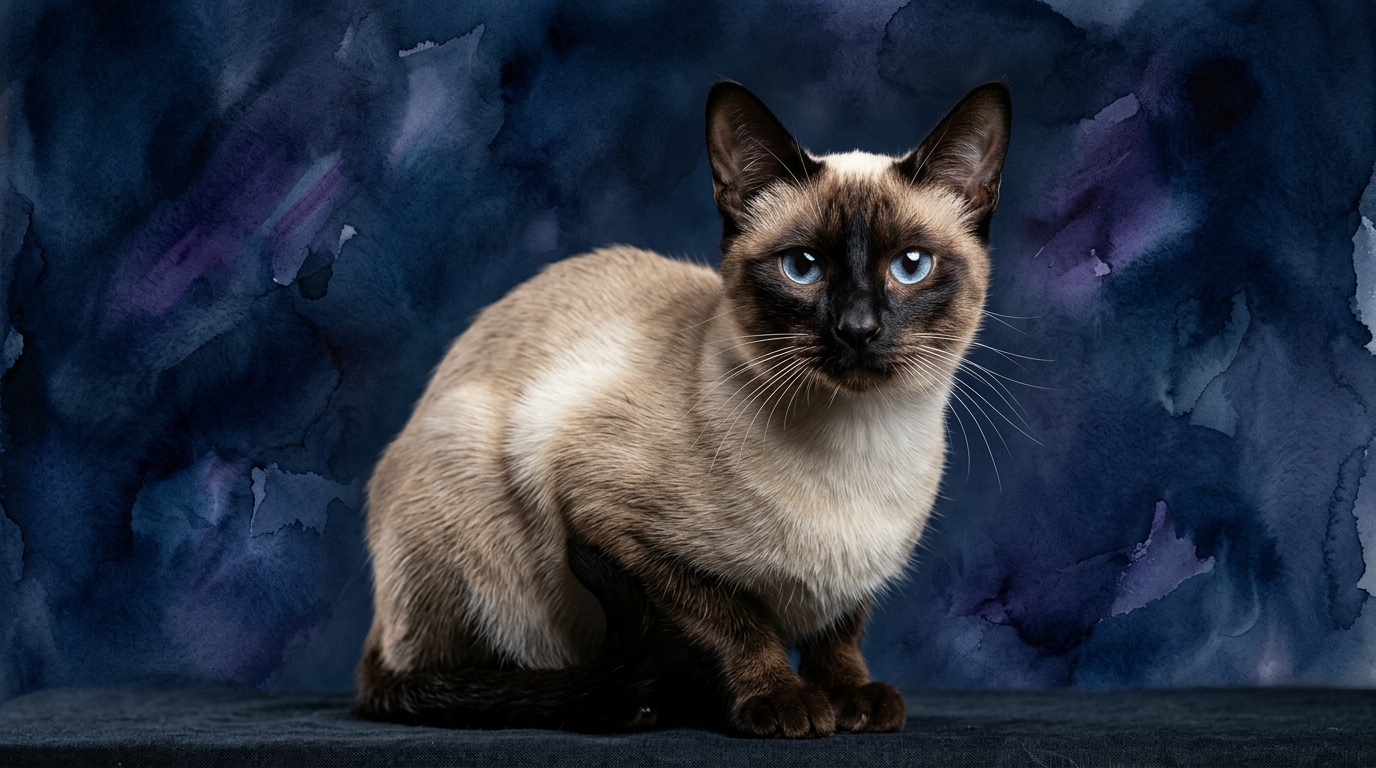
Siamese (Cat): Problem Solving 5/5 – This breed demonstrates exceptional cognitive flexibility, often strategizing to reach desired objects, navigate complex environments, or even manipulate household items like door handles. Their high score indicates a remarkable ability to understand cause and effect. Training Speed 4/5 – Siamese cats pick up new commands and routines with impressive swiftness. Their readiness to learn stems from a desire for interaction and mental engagement, making them responsive to consistent, positive reinforcement. Social Intelligence 5/5 – Exhibiting a profound connection with their human companions, Siamese cats are adept at reading subtle cues and expressing their needs. They often form deep, vocal bonds, actively participating in household activities and seeking out social interaction. Instinctive Drive 4/5 – Their natural hunting instincts are pronounced, manifesting in enthusiastic play involving chasing and pouncing. This drive also fuels their curiosity and desire to explore, often leading them to investigate new sights and sounds. Memory 5/5 – A superior memory allows Siamese cats to recall specific routines, people, and past experiences with remarkable accuracy. They remember where things are kept, who provides treats, and even past interactions, both positive and negative.
In contrast, the Turkish Van presents a profile of more measured, yet still distinct, cognitive attributes, often marked by their unique independence and specific interests.
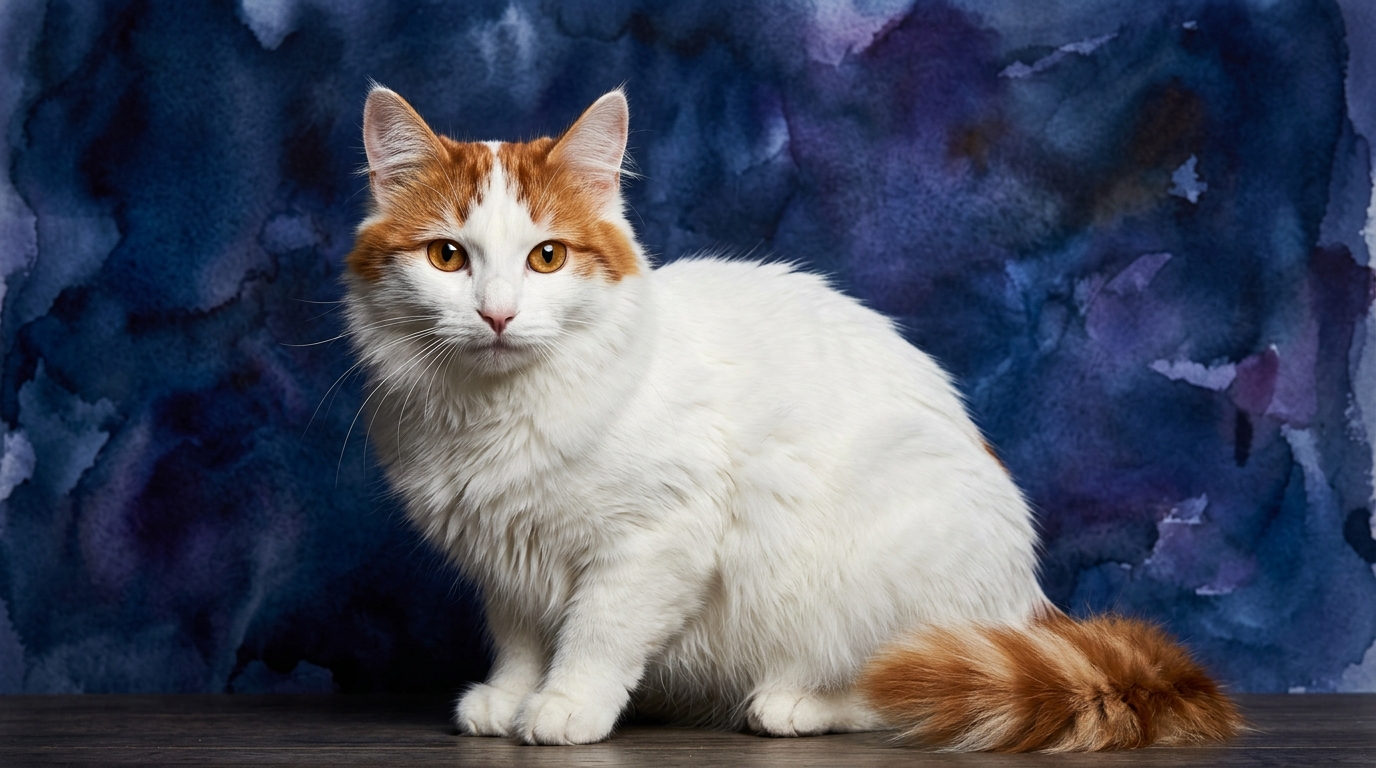
Turkish Van (Cat): Problem Solving 3/5 – Turkish Vans approach challenges with a more straightforward method. While capable of figuring out basic puzzles, they may require more direct guidance or repeated exposure to master complex problem-solving tasks, preferring simpler solutions. Training Speed 3/5 – While capable of learning, Turkish Vans typically require more patience and consistency during training sessions. Their independent nature means they respond best to engaging, reward-based methods, but progress might be slower than more collaborative breeds. Social Intelligence 3/5 – Turkish Vans are affectionate and enjoy companionship, but tend to be less overtly demanding of attention than some other breeds. They form strong bonds with their chosen family members but often express their affection in a more reserved, less communicative manner. Instinctive Drive 3/5 – Their instinctive drives are present but generally moderate. They enjoy interactive play, particularly those involving water, but may not exhibit the same relentless prey drive or constant need for stimulation as breeds with higher scores in this dimension. Memory 3/5 – Turkish Vans possess a functional memory, recalling familiar faces, routines, and preferred comfort spots. They remember pleasant interactions and can anticipate regular events, though perhaps without the intricate detail or long-term recall seen in breeds with higher scores.
Where Siamese Wins Cognitively
The Siamese truly shines in its cognitive agility and intricate communication, making them stand out in problem-solving and social intelligence. Their 5/5 problem-solving score means they are adept at strategizing, often observing and learning how to open doors, access cabinets, or retrieve hidden toys with a cunning that can surprise owners. This isn't merely about curiosity; it's a sophisticated application of learned sequences and an understanding of object permanence. Furthermore, their 5/5 social intelligence indicates an almost human-like capacity for understanding and interacting, often anticipating their owner's moods or intentions. They are masters of vocalization, employing a wide range of meows, chirps, and 'conversations' to communicate their desires, a testament to their deep engagement with their human family. This combination of mental nimbleness and communicative prowess allows them to integrate deeply into the fabric of a home, often becoming central figures who not only understand but actively participate in household dynamics.
Where Turkish Van Wins Cognitively
While the Turkish Van's IQ scores are generally more moderate, their unique cognitive strengths lie in their self-sufficiency and focused, often singular, interests, particularly their renowned affinity for water. Their 3/5 instinctive drive, while not as high as the Siamese, is channeled into specific, often delightful, behaviors. For example, their natural inclination towards water play isn't just a quirky habit; it represents a distinct cognitive pathway, a specialized form of engagement that many other breeds lack. This focused interest means they derive profound satisfaction from activities like splashing in a sink or bathtub, or playing with running water, demonstrating a unique form of environmental interaction. Their moderate social intelligence (3/5) allows for a comfortable, less demanding companionship; they form strong, loyal bonds but don't require constant cognitive engagement from their humans to feel content. This independence can be a 'win' for owners seeking a pet that is affectionate without being overtly reliant on constant intellectual stimulation, offering a balanced presence that values both interaction and personal space.
Which Is Easier to Train and Why
When it comes to training, the Siamese cat generally presents a swifter, more receptive experience due to their higher scores in training speed (4/5), memory (5/5), and problem-solving (5/5). Their quick grasp of concepts means they can learn complex tricks, respond to name calls, and even walk on a leash with comparative ease, often enjoying the mental stimulation that training provides. Their superior memory ensures that once a command is learned, it's retained, building upon previous successes. They connect actions with rewards efficiently, making positive reinforcement highly effective. In contrast, the Turkish Van, with a 3/5 in training speed and memory, requires more patience and a different approach. While they are trainable, their independent streak means they might not always see the 'point' of a command unless it aligns with their immediate interests or a clear, high-value reward. Training a Turkish Van often involves breaking tasks into smaller steps, utilizing their love for play (especially water-related activities) as motivation, and accepting that progress may be slower but still achievable with consistent effort and positive reinforcement.
Which Suits Active Owners vs. Relaxed Owners
For active owners seeking a pet that thrives on constant interaction and mental challenge, the Siamese cat is an ideal match. Their high social intelligence (5/5) means they crave companionship and will actively seek out engagement, whether through conversation, interactive play, or even following their owner from room to room. Their superior problem-solving (5/5) and instinctive drive (4/5) demand an environment rich with puzzles, climbing opportunities, and regular play sessions to prevent boredom and channel their considerable energy. These cats are not content to merely observe; they want to be part of every activity. Conversely, the Turkish Van, with its more moderate scores across the board, is better suited for owners who appreciate a slightly more relaxed, yet still affectionate, companion. While they enjoy playtime and can be quite active in bursts, particularly if water is involved, their independence and lower demand for constant mental stimulation (3/5 problem solving, 3/5 social intelligence) mean they are often content with periods of self-directed activity or quiet companionship. They offer a loving presence without the intense, often vocal, demands for attention that a Siamese might exhibit, making them a good fit for those who enjoy a calm home life but still want a bond with a unique feline personality.
The Verdict
Opt for a Siamese if you desire a highly interactive, communicative, and cognitively demanding companion who will actively engage in all aspects of your life and thrive on mental challenges.
Select a Turkish Van if you prefer an affectionate yet more independent cat, one that offers unique charm like a love for water, and is content with a balanced level of interaction without constant intellectual stimulation.
🧠 Find Your Pet's IQ Score
Our Pet IQ Lab assessment covers 25+ tests across 5 cognitive dimensions — personalized to your breed.
Take the Full IQ Test →Frequently Asked Questions
Are Siamese cats easy to live with given their high intelligence?
Siamese cats are incredibly engaging and form deep bonds, but their high intelligence and social needs mean they require significant mental stimulation and interaction to prevent boredom or destructive behaviors. They thrive in active homes where their cognitive prowess is regularly challenged and their communicative nature is appreciated.
Do Turkish Vans make good family pets despite their lower IQ scores?
Absolutely, Turkish Vans make wonderful family pets, known for their affectionate nature and loyalty to their chosen humans. Their moderate IQ scores simply suggest they are less demanding of constant mental engagement, offering a more relaxed companionship while still enjoying play and interaction, particularly their unique love for water.
How can I provide adequate mental stimulation for a Siamese cat?
For a Siamese, provide a variety of puzzle toys, regular interactive play sessions with wand toys, climbing structures, and opportunities for 'conversation.' Consider clicker training to teach tricks or even leash walking, as they enjoy learning and engaging their keen minds.