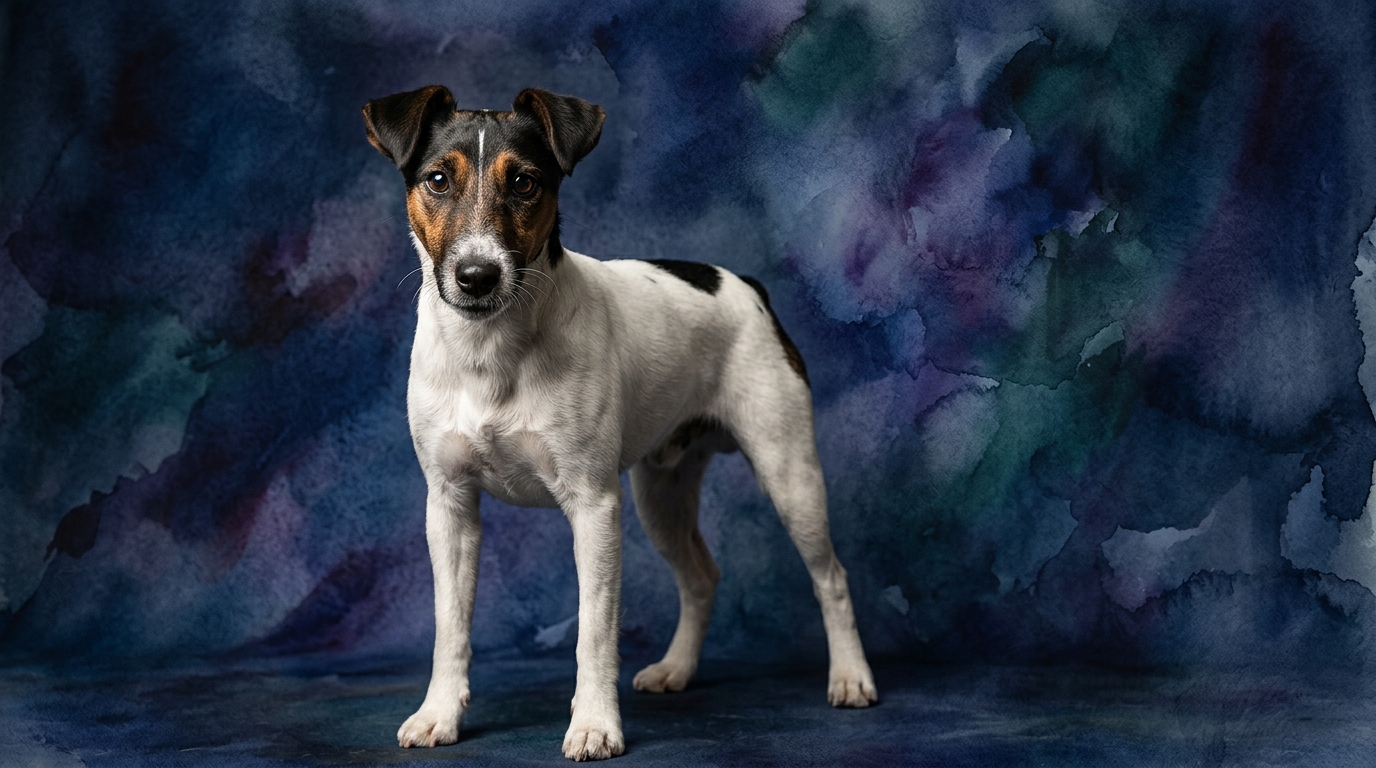
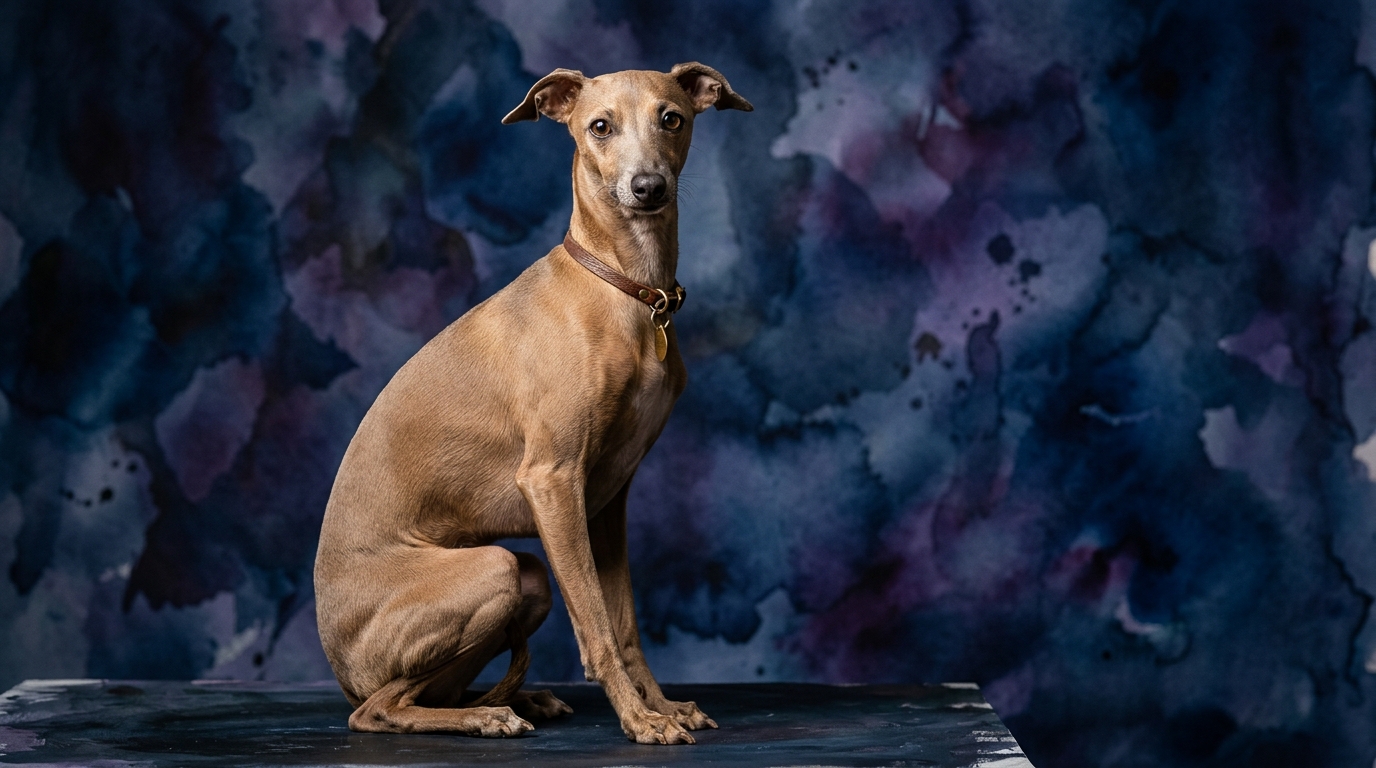
Side-by-Side IQ Profile: Interpreting Identical Scores
While both breeds register a 3/5 for Problem Solving, the nature of their challenges and solutions diverges significantly. The Smooth Fox Terrier, a breed historically tasked with independent hunting, typically demonstrates problem-solving through tenacious pursuit, strategic digging, and figuring out how to access small prey or objects of interest. Their ingenuity often involves overcoming physical barriers or outsmarting their environment. The Italian Greyhound, primarily a companion animal with sighthound instincts, typically applies their 3/5 problem-solving acumen to navigating complex domestic environments, understanding human routines to secure comfort, or subtly manipulating situations for desired outcomes like an extra cuddle or a prime napping spot. Their solutions are often more social and observational.
When it comes to Training Speed, both breeds score 3/5, indicating a moderate pace of learning. For the Smooth Fox Terrier, this means they can quickly grasp commands and tricks, but their independent spirit and strong instinctive drives often require consistent, engaging, and firm methods to maintain focus and compliance. They learn, but they also evaluate if what you're asking is more interesting than their own agenda. The Italian Greyhound's 3/5 in training speed reflects their capacity to learn new behaviors efficiently, provided the training is positive, gentle, and highly rewarding. They can be sensitive to harsh corrections and easily distracted by visual stimuli or a desire for comfort, making patience and positive reinforcement key to their learning success.
Social Intelligence, rated 3/5 for both, manifests differently. The Smooth Fox Terrier often exhibits social intelligence through their ability to read human cues in a more task-oriented way, understanding what's expected of them during activities, and forming strong, often protective bonds with their immediate family. They can be discerning with strangers and assertive in their social interactions with other dogs, displaying a confident awareness of their place. The Italian Greyhound's 3/5 social intelligence leans towards a profound attunement to human emotions and moods. They excel at forming deeply empathetic connections with their primary caregivers, often seeking close physical contact and offering comfort. They are adept at picking up on subtle non-verbal communication, though they can be reserved or even shy around unfamiliar people or situations.
Instinctive Drive, another 3/5 score for both, highlights their core motivations. The Smooth Fox Terrier possesses a robust 3/5 instinctive drive rooted in their terrier heritage: a potent prey drive for small animals, a propensity for digging, and a readiness to bark at perceived intruders or interesting scents. This drive is often expressed through intense focus and determination. The Italian Greyhound's 3/5 instinctive drive is characterized by their sighthound legacy: an intense desire to chase fast-moving objects, often with incredible speed and agility. While they typically lack the digging or persistent barking instincts of a terrier, their visual hunting drive is powerful and can lead to sudden, swift pursuits if not managed.
Finally, Memory at 3/5 for both breeds suggests a solid capacity to retain information. The Smooth Fox Terrier's memory often serves their independent nature, recalling locations of interesting smells, past successful hunts or escapades, and the routines associated with exciting activities. They remember commands and boundaries, though their willingness to adhere might fluctuate. The Italian Greyhound's 3/5 memory is typically excellent for routines, the specific people they trust and love, comfort spots within the home, and past positive or negative experiences with people or places. They often remember intricate household patterns and can anticipate events based on learned sequences.
Where the Smooth Fox Terrier Wins Cognitively
The Smooth Fox Terrier often demonstrates a cognitive edge in situations demanding independent resourcefulness and tenacity. Their problem-solving at 3/5 is frequently applied to overcoming physical obstacles or pursuing a goal with unyielding determination, such as figuring out how to retrieve a buried toy or navigate a complex outdoor environment. This breed exhibits a distinctive mental toughness, allowing them to remain focused on a task even when faced with distractions or setbacks. Their memory (3/5) supports this by recalling past successes or strategies, enabling them to adapt and persist. This cognitive resilience makes them particularly adept at activities requiring sustained mental engagement and a degree of self-reliance, distinguishing their application of intelligence from the more comfort-oriented problem-solving of the Italian Greyhound.
Where the Italian Greyhound Wins Cognitively
The Italian Greyhound often excels cognitively in areas of emotional attunement and subtle social navigation within a human household. Their 3/5 social intelligence makes them highly perceptive of human moods, vocal tones, and body language, allowing them to adapt their behavior to maintain harmony and closeness. They are masters of anticipating routines and understanding the subtle cues that precede walks, meals, or cuddle sessions, often using their 3/5 memory to recall these patterns with precision. Their problem-solving (3/5) frequently involves finding the warmest sunbeam, the softest blanket, or the most opportune moment for affection. This breed's intelligence is often expressed through a delicate balance of observation, empathy, and a gentle art of persuasion, making them exceptionally skilled at integrating seamlessly into their human family's emotional landscape.
Which Is Easier to Train and Why
Determining which breed is 'easier' to train is less about raw learning capacity (both score 3/5 for Training Speed) and more about managing their inherent temperaments and drives. The Smooth Fox Terrier, with its strong 3/5 instinctive drive and independent nature, can be a challenge. They learn quickly but may choose to follow their nose or their own agenda over a command, especially if not consistently motivated with high-value rewards and engaging training methods. Their tenacity means they won't easily give up on a perceived 'game' like chasing a squirrel. Training requires a firm, consistent, and creative handler who can channel their drive and maintain their interest, making it rewarding but demanding.
The Italian Greyhound, while also scoring 3/5 for Training Speed, presents a different set of considerations. They are sensitive and respond best to positive reinforcement, gentle handling, and a calm environment. Harsh corrections can shut them down or make them fearful. Their social intelligence (3/5) means they are often eager to please their beloved owners, which can aid in training, but their sighthound instincts can lead to quick distractions outdoors. House training can be a particular hurdle due to their small bladders and aversion to cold or wet weather, requiring diligent and patient management. Overall, while both require commitment, the Italian Greyhound might be perceived as 'easier' for owners who prefer a more gentle, positive, and less confrontational training approach, whereas the Smooth Fox Terrier demands a more assertive and creatively engaging style.
Which Suits Active Owners vs. Relaxed Owners
For active owners seeking a dynamic companion, the Smooth Fox Terrier is often the more suitable choice. Their 3/5 instinctive drive fuels a need for consistent physical and mental stimulation. They thrive on activities like agility, earthdog trials, long hikes, and engaging play sessions. Their problem-solving (3/5) is invigorated by new environments and challenges, making them excellent partners for exploring or participating in dog sports. An owner who enjoys an active lifestyle and can provide structured outlets for their terrier's energy and curiosity will find a highly engaged and enthusiastic companion.
Relaxed owners who prioritize companionship and comfort will likely find the Italian Greyhound a more fitting match. While they possess a 3/5 instinctive drive for short, exhilarating sprints in a safe, enclosed area, they are primarily companion dogs who cherish warmth and close proximity to their humans. Their social intelligence (3/5) means they are content to curl up on a lap or snuggle under a blanket for extended periods. They enjoy daily walks and bursts of play, but their energy levels are generally lower and more easily satisfied than a terrier's. An owner who enjoys quiet evenings at home, gentle strolls, and abundant affection will appreciate the Italian Greyhound's calm demeanor and devoted companionship.
The Verdict
Choose the Smooth Fox Terrier if you seek an assertive, tenacious, and independently-minded companion for an active lifestyle, ready to engage in mentally stimulating activities and outdoor adventures.
Opt for the Italian Greyhound if you desire an affectionate, sensitive, and emotionally attuned companion who thrives on close human interaction and a more relaxed, cozy home environment.
🧠 Find Your Pet's IQ Score
Our Pet IQ Lab assessment covers 25+ tests across 5 cognitive dimensions — personalized to your breed.
Take the Full IQ Test →Frequently Asked Questions
Are Smooth Fox Terriers good apartment dogs?
Smooth Fox Terriers can adapt to apartment living if their significant exercise and mental stimulation needs are consistently met. Their strong instinctive drive (3/5) means they require daily vigorous walks, playtime, and engaging activities to prevent boredom and destructive behaviors. Without sufficient outlets, an apartment may feel too confining for their energetic nature.
Do Italian Greyhounds get along with other pets?
Italian Greyhounds generally get along well with other calm, gentle pets, especially other IGs or similar-sized dogs, due to their social intelligence (3/5). However, their strong sighthound instinctive drive (3/5) means they may view very small, fast-moving animals like hamsters or birds as prey, so careful introductions and supervision are crucial.
What are the key differences in their exercise needs?
Smooth Fox Terriers require substantial, varied exercise daily, including vigorous play, long walks, and mentally stimulating activities like digging or scent work, to satisfy their high instinctive drive (3/5). Italian Greyhounds need daily walks and opportunities for short, intense sprints in a securely fenced area, but are also content with extended periods of rest and indoor comfort.