Side-by-Side IQ Profile: Unpacking Cognitive Dimensions
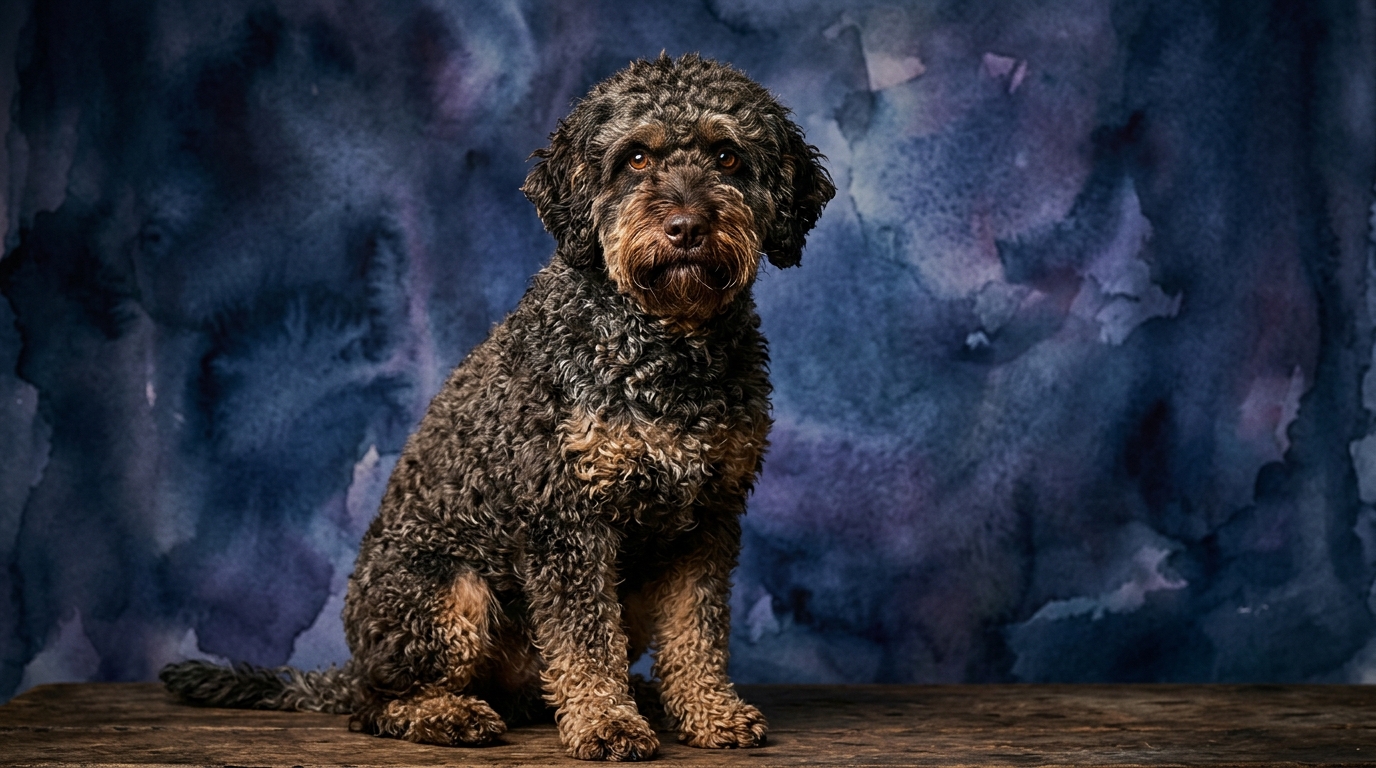
**Spanish Water Dog (SWD):** Originating from Spain as versatile herders, the SWD's cognitive profile reflects their historical role. Their **Problem Solving (3/5)** typically involves practical, dynamic challenges, such as figuring out how to gather stray sheep or navigate varied terrain. This isn't about abstract puzzles, but rather quick, adaptable solutions to real-time environmental shifts. **Training Speed (3/5)** indicates a moderate pace for learning new commands, often excelling when tasks align with their natural herding instincts or provide a clear purpose. They thrive on engagement and can become bored with repetitive, meaningless drills. Their **Social Intelligence (3/5)** is geared towards reading subtle cues from livestock and their human handler, fostering a partnership built on mutual understanding during work. They assess social situations with a keen eye for hierarchy and cooperation within a working group. The **Instinctive Drive (3/5)** is profoundly rooted in herding, manifesting as a strong desire to gather, control, and protect their “flock,” whether it be sheep or family members. Finally, their **Memory (3/5)** supports remembering complex sequences of commands and routines associated with their tasks, allowing them to recall specific actions needed for different scenarios.
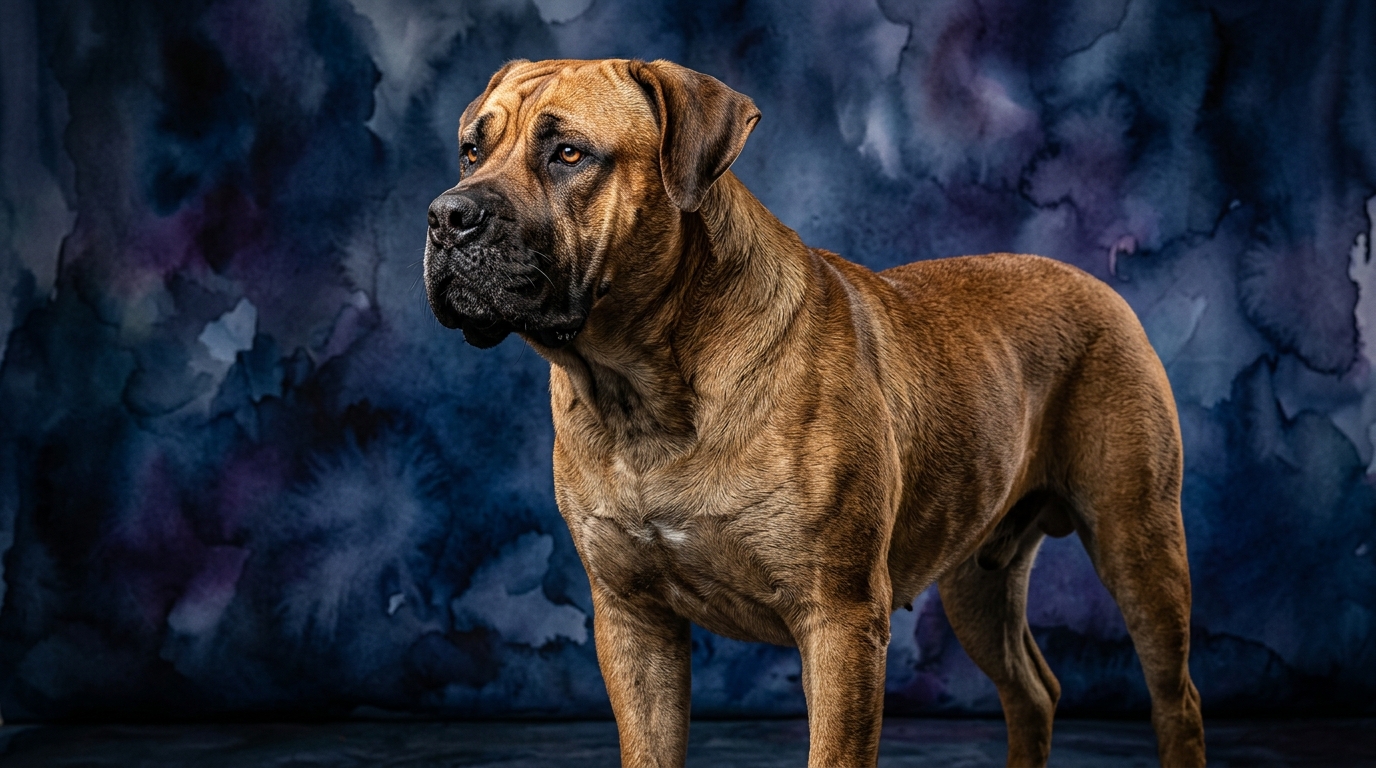
**Boerboel (BB):** Hailing from South Africa as powerful farm guardians, the Boerboel's identical 3/5 scores are expressed through a different lens. Their **Problem Solving (3/5)** focuses on assessing potential threats and strategizing protection. This might involve discerning friend from foe, identifying vulnerabilities in their territory, or understanding complex household dynamics to maintain order. It's less about agility and more about strategic assessment. **Training Speed (3/5)** for a Boerboel implies they learn commands effectively, particularly those related to guarding, obedience, and protection, provided the training is consistent, fair, and establishes clear leadership. They possess a strong will and may require more motivation for tasks they perceive as unnecessary or lacking in purpose. Their **Social Intelligence (3/5)** is primarily directed towards discerning intentions and maintaining boundaries within their social structure. They are adept at reading human body language and moods, particularly regarding security and territory. The **Instinctive Drive (3/5)** is overwhelmingly protective and territorial, manifesting as a powerful urge to guard their family and property with unwavering loyalty. Their **Memory (3/5)** is robust for remembering people, places, routines, and past experiences, especially those related to security and family interactions, contributing to their reliable guardianship.
Where the Spanish Water Dog Wins Cognitively
While both breeds share a similar baseline cognitive capacity, the Spanish Water Dog’s mental strengths lean towards adaptability and dynamic problem-solving within fluid, fast-paced environments. Their herding background imbues them with a unique brand of practical ingenuity. A SWD often demonstrates superior **Problem Solving** when faced with tasks requiring quick adjustments, such as navigating an agility course with unexpected changes, or figuring out how to retrieve an object from a challenging spot without direct human instruction. This isn't about brute force but rather mental agility and creative application of learned behaviors. Their **Social Intelligence** shines in cooperative ventures where reading subtle human cues and working in tandem is paramount, making them excellent partners in dog sports like rally or obedience. They are often more attuned to the nuances of human emotion and intent in a collaborative context, allowing them to anticipate and respond to their handler's needs with precision. This collaborative spirit, combined with their moderate **Training Speed**, allows them to excel in activities that require a blend of physical and mental engagement, where they are actively involved in the decision-making process alongside their handler. Their memory supports these complex, multi-stage activities.
Where the Boerboel Wins Cognitively
The Boerboel, with its guardian lineage, demonstrates cognitive strengths centered around discernment, strategy, and unwavering loyalty in protection. Their **Problem Solving** capabilities are often more deliberate and analytical, particularly when it comes to assessing threats or understanding complex household routines. A Boerboel might excel at determining the most effective way to patrol a property, or discerning the difference between a harmless visitor and a potential intruder based on subtle cues. This involves a more measured, strategic approach compared to the SWD's agile responses. Their **Social Intelligence** is finely tuned for discerning intentions and maintaining boundaries; they are adept at reading people, identifying those who belong versus those who pose a risk. This translates into a sophisticated understanding of who is “in” their inner circle and who is not, and how to appropriately react to each. The Boerboel's moderate **Training Speed** is often paired with a deep-seated commitment to tasks they deem important, especially those related to their protective instincts. Their **Memory** is particularly strong for recalling specific individuals, territorial boundaries, and established routines, which is crucial for their role as a reliable and consistent guardian.
Which is Easier to Train and Why
When considering ease of training, the distinction lies not in raw ability but in motivation and approach. The Spanish Water Dog, with its Herding background, often possesses a strong desire to work *with* their handler. Their moderate **Training Speed** means they can pick up new commands efficiently, especially when the training is engaging, varied, and taps into their natural instincts for herding or problem-solving. They respond well to positive reinforcement and thrive on a clear purpose. However, their independent streak, characteristic of herding breeds, means training needs to be consistent and firm, preventing them from developing their own “rules.” They are generally more eager to please in a collaborative sense.
The Boerboel, while equally capable of learning with a **Training Speed** of 3/5, requires a different training philosophy. Their Working breed heritage means they are often more independent and possess a strong will. Training a Boerboel demands a confident, consistent, and patient handler who can establish clear leadership. They learn best when they respect their trainer and understand the purpose behind the command, particularly if it relates to their innate protective drives. They might be less inclined to perform repetitive tasks without perceived value, and their training often focuses on impulse control, obedience, and socialization to channel their powerful guarding instincts appropriately. While not “harder” to train” in terms of cognitive capacity, their temperament necessitates a more experienced and dedicated approach.
Which Suits Active Owners vs. Relaxed Owners
The choice between a Spanish Water Dog and a Boerboel largely depends on an owner's lifestyle and their capacity to meet specific breed needs.
For **active owners**, the Spanish Water Dog is often the more suitable companion. Their Herding background means they possess significant energy and a strong drive for physical and mental engagement. They thrive on activities like hiking, swimming, agility, dock diving, or even participating in actual herding trials. An SWD needs daily vigorous exercise and consistent mental challenges to prevent boredom and potential destructive behaviors. Their moderate problem-solving and social intelligence make them excellent partners for owners who enjoy dynamic, interactive activities and want a dog actively involved in their adventures. They adapt well to varied environments and enjoy being a constant part of family outings.
Conversely, for owners who might be described as **relaxed**, the Boerboel could be a more appropriate, albeit still demanding, choice, provided their idea of “relaxed” isn't entirely sedentary. While they require regular exercise to maintain their physical conditioning and mental well-being, their energy expenditure is often more about structured walks, controlled play, and patrolling their territory rather than constant, high-intensity activity. Their deep-seated protective **Instinctive Drive** means they are content to be near their family, observing and guarding, rather than constantly seeking an outlet for boundless energy. They are not necessarily a dog for spontaneous, high-energy excursions, but rather appreciate a predictable routine and a clear sense of purpose within their home environment. However, a “relaxed” owner must still be capable of providing consistent leadership, thorough socialization, and proper management of their powerful physique and protective instincts. A truly sedentary owner would struggle with either breed.
The Verdict
Choose the Spanish Water Dog if you seek an agile, collaborative partner for dynamic activities and can provide consistent mental and physical engagement for a dog eager to work alongside you.
Opt for the Boerboel if you need a steadfast, discerning guardian for your home and family, and are prepared to offer firm, consistent leadership and structured exercise to channel their protective instincts.
🧠 Find Your Pet's IQ Score
Our Pet IQ Lab assessment covers 25+ tests across 5 cognitive dimensions — personalized to your breed.
Take the Full IQ Test →Frequently Asked Questions
Do Spanish Water Dogs require a lot of grooming?
Yes, Spanish Water Dogs have a unique corded or curly coat that requires specific grooming to prevent matting, though they do not shed much. Regular brushing or professional grooming is essential.
Are Boerboels good with children?
Boerboels can be good with children in their own family when properly socialized and raised with clear boundaries, often showing a protective instinct towards them. However, their size and strength necessitate careful supervision, especially with very young children.
Can either of these breeds live in an apartment?
Neither breed is ideally suited for apartment living due to their size, energy levels, and inherent drives. Both require space, a secure yard, and consistent mental and physical stimulation to thrive.