Side-by-Side IQ Profile: Herding Instinct vs. Terrier Tenacity
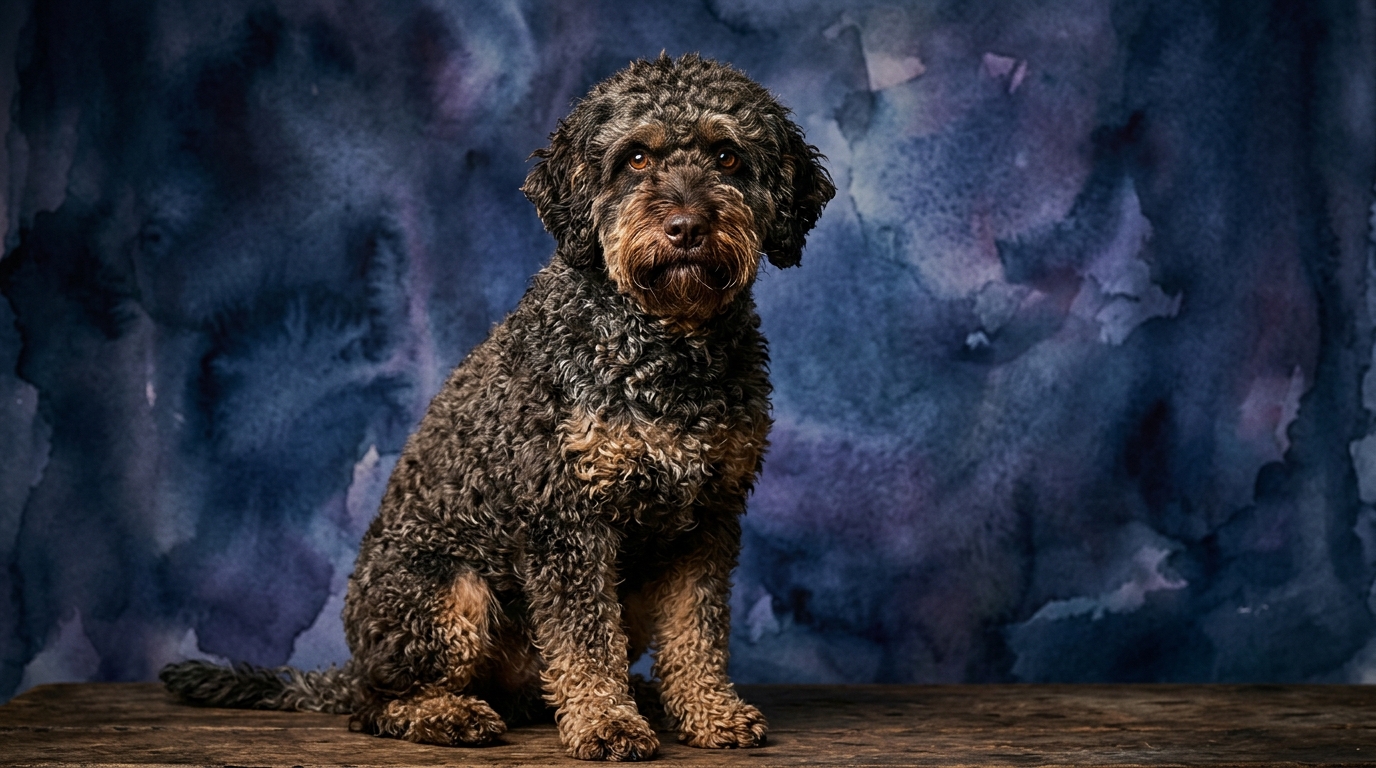
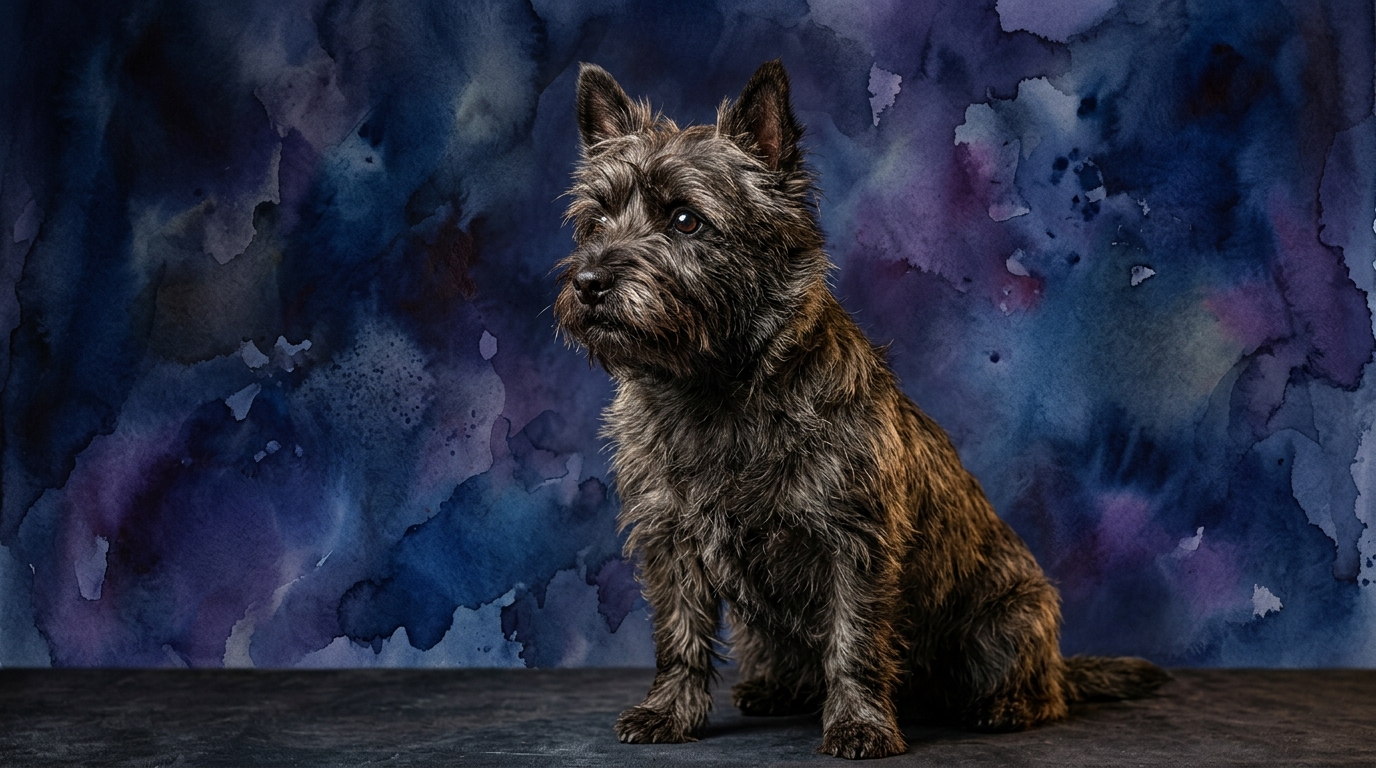
The Cosmic Pet's IQ Lab evaluates canine cognition across five key dimensions, offering a nuanced view of how different breeds process the world. The Spanish Water Dog (SWD), a versatile herding breed, and the Cairn Terrier (CT), a spirited terrier, present distinct profiles.
The Spanish Water Dog scores 3/5 in Problem Solving, indicating a capability for sequential logic and task execution often seen in working breeds. Their Training Speed is also 3/5, suggesting a responsive but sometimes independent learner. Social Intelligence sits at 3/5, reflecting their ability to read human cues and form strong bonds, though they can be reserved with strangers. Their Instinctive Drive, at 3/5, is largely channeled into their herding heritage, seeking purpose and management. Memory is rated 3/5, meaning they retain learned information well but may benefit from consistent reinforcement.
In contrast, the Cairn Terrier achieves a higher 4/5 in Problem Solving, showcasing their remarkable ability to independently devise solutions, often fueled by curiosity or a desired outcome. Their Training Speed is 4/5, indicating quick absorption of information, though their application can be selective. Social Intelligence is 3/5, similar to the SWD, adept at understanding family dynamics but potentially assertive with others. Instinctive Drive is 3/5, primarily manifesting as a strong prey and digging instinct that drives exploration. Memory scores 4/5, highlighting their excellent recall of experiences and learned behaviors, both positive and negative.
Where the Spanish Water Dog's Cognition Shines
While the Cairn Terrier boasts higher numerical scores in some areas, the Spanish Water Dog's cognitive strengths lie in specific applications rooted in their herding background. Their Problem Solving, rated 3/5, excels in tasks requiring a structured approach, such as guiding livestock or mastering complex agility sequences that demand precision and adherence to a handler's directives. An SWD's intelligence is geared towards understanding and executing multi-step routines, demonstrating a deep comprehension of spatial relationships and the flow of a task within a defined environment, rather than inventing novel solutions from scratch.
The SWD's Social Intelligence, also 3/5, manifests as a profound attunement to their primary human's moods and intentions. They exhibit a strong desire to be an integral part of their 'flock' and collaborate on shared goals. This makes them exceptional partners in activities demanding close communication and responsiveness to subtle cues, fostering a sense of joint purpose. Their cognitive framework supports cooperative effort and a willingness to engage in a working partnership.
Furthermore, their Instinctive Drive (3/5) is uniquely channeled towards control, organization, and partnership. This translates into a natural inclination to have a 'job,' often one that involves their human. This drive can be effectively harnessed for complex tasks, dog sports, or service roles, where their desire for purpose and collaborative effort becomes a significant cognitive asset. They thrive when given a role, making them dedicated and focused when engaged in meaningful activities with their handler.
Cairn Terrier: The Independent Problem-Solver
The Cairn Terrier's cognitive profile highlights a different set of strengths, particularly their independent spirit and tenacity. Their Problem Solving, a robust 4/5, is where they truly excel. Cairns demonstrate a remarkable ability to figure things out on their own, especially when motivated by their own goals, such as accessing a hidden treat or navigating a tricky obstacle. Their persistence is a key cognitive asset, enabling them to cycle through multiple approaches until they achieve success. They are less reliant on human direction to initiate solutions, often preferring to experiment and innovate.
In terms of Training Speed, their 4/5 rating reflects a rapid capacity to absorb new information, commands, and associations. Cairns pick up on new concepts with impressive swiftness, provided the motivation is compelling and consistent. This quick learning ability means they can master a wide array of tricks and behaviors in relatively short order, making training sessions efficient and engaging for owners who enjoy teaching new things.
The Cairn Terrier's Memory, scoring 4/5, is formidable. They retain learned behaviors, environmental details, and cause-and-effect relationships for extended periods. This means they quickly learn what actions yield desired results (and which do not), and they remember past training sessions, requiring less frequent refreshers on established concepts. This strong memory also means that early positive experiences and consistent training are crucial, as negative associations or bad habits can be equally well ingrained and challenging to modify later on.
Training Dynamics: Willing Partner vs. Quick-Witted Individualist
When considering ease of training, the distinction between these breeds is less about raw 'intelligence' and more about their inherent behavioral predispositions. The Cairn Terrier, with its 4/5 training speed, can learn commands and concepts rapidly. However, their independent terrier nature means they often 'know' a command but may choose not to execute it if a more compelling scent, sound, or personal agenda presents itself. Training a Cairn requires creativity, strong motivation (often food or play), and a deep understanding of their tenacious, self-directed spirit to ensure consistent compliance. They quickly learn how to manipulate situations to their advantage, demanding an owner who can stay a step ahead.
The Spanish Water Dog, while having a 3/5 training speed, often feels 'easier' to train for many owners due to their cooperative temperament. Their herding background instills a desire to work *with* their handler, viewing their human as a partner or 'flock leader.' They thrive on structure and routine, which greatly aids in establishing consistent training habits and responsiveness. While they might not pick up every concept as quickly as a Cairn, their willingness to please and engage in a shared activity can lead to a more harmonious and less challenging training journey, especially in environments where compliance and teamwork are prioritized. Early socialization is crucial for SWDs to ensure their moderate social intelligence doesn't manifest as shyness in novel training settings.
Lifestyle Match: Active Engagement for Both
Both the Spanish Water Dog and the Cairn Terrier are breeds that demand active and engaged owners, though their energy manifests in different ways. A truly 'relaxed' owner seeking a low-maintenance companion would likely find both breeds challenging.
The Spanish Water Dog is unequivocally suited for active owners. Their instinctive drive (3/5) and herding heritage mean they require a substantial outlet for their physical and mental energies. They thrive when given a 'job,' whether it's through dog sports like agility, dock diving, or herding trials, or simply long, engaging hikes and interactive play sessions. Without adequate mental and physical stimulation, an SWD can become bored, potentially leading to destructive behaviors or excessive vocalization. Their cognitive profile demands purpose and engagement, making them unsuitable for a sedentary lifestyle.
The Cairn Terrier also requires an active owner, but their activity often revolves around their problem-solving (4/5) and strong instinctive drives (3/5) for scent and chase. Daily walks are a must, but they also benefit immensely from opportunities to 'work' their brains, such as puzzle toys, designated digging areas, and scent games. While they can be content to cuddle after a vigorous play session, their bursts of energy and tenacious curiosity mean they are not content to be mere couch ornaments. Owners must be prepared to engage their clever minds and robust bodies to prevent boredom-driven mischief. Their need for mental stimulation is as significant as their need for physical exercise.
The Verdict
Choose the Spanish Water Dog if you seek a highly cooperative, athletic partner for structured activities and appreciate a dog whose intelligence manifests in teamwork and sequential task execution. They excel with owners who can provide a clear purpose and consistent engagement.
Opt for the Cairn Terrier if you are captivated by an independent, tenacious problem-solver with a quick wit and a strong sense of self, and you are prepared to engage their sharp memory and cleverness with creative, consistent training methods.
🧠 Find Your Pet's IQ Score
Our Pet IQ Lab assessment covers 25+ tests across 5 cognitive dimensions — personalized to your breed.
Take the Full IQ Test →Frequently Asked Questions
Are Spanish Water Dogs good with children?
Spanish Water Dogs can be good with respectful, older children, especially if raised with them and properly socialized. Their inherent herding instinct might lead them to 'herd' younger children, so supervision and training are essential to ensure positive and safe interactions.
Do Cairn Terriers shed a lot?
Cairn Terriers have a double coat that sheds minimally compared to many other breeds. Regular brushing helps manage loose hair, and hand-stripping their coat a few times a year is often recommended to maintain its health, texture, and natural weather resistance.
Which breed is more vocal?
Both breeds can exhibit vocal tendencies. Spanish Water Dogs might bark to alert their family or when engaged in herding-like activities, while Cairn Terriers, true to their terrier heritage, are often quick to bark at perceived intruders, unusual sounds, or when expressing excitement, acting as vigilant little watchdogs.