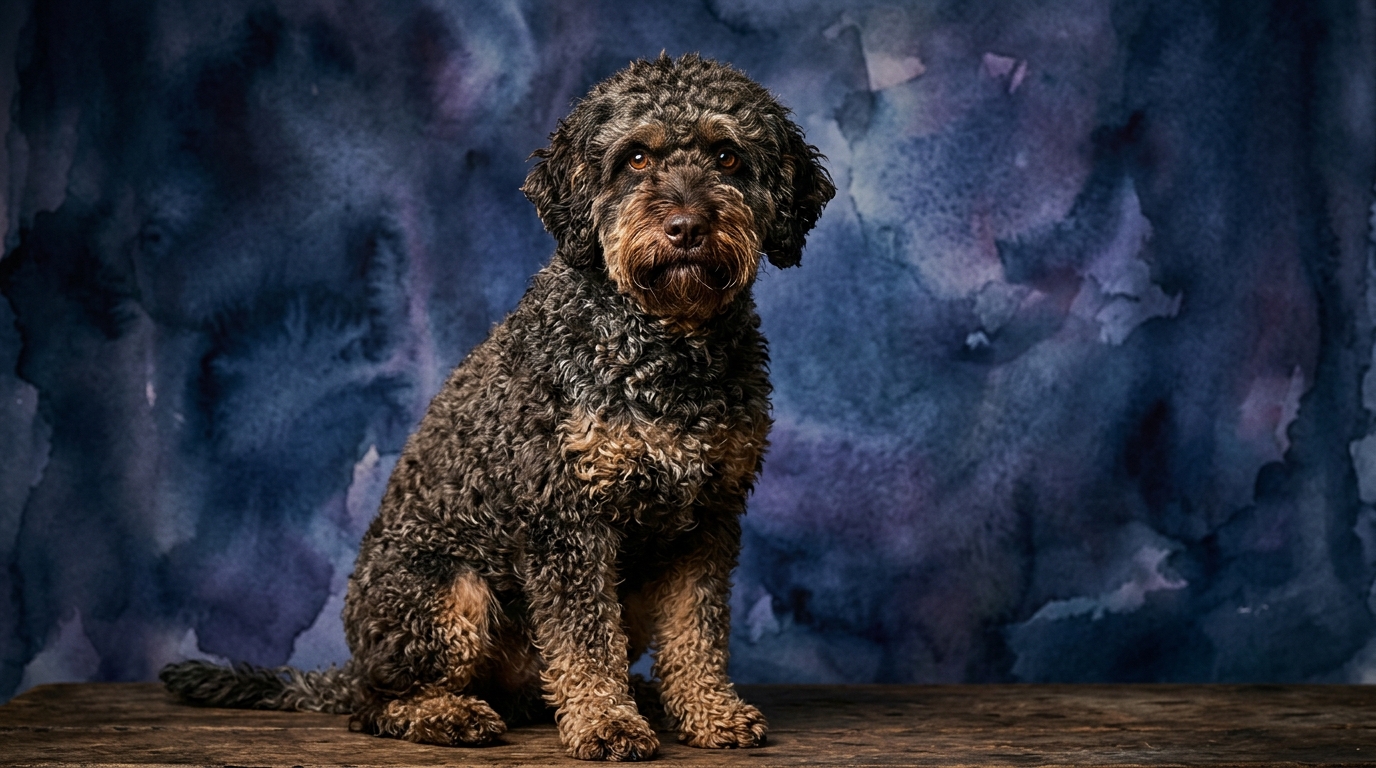
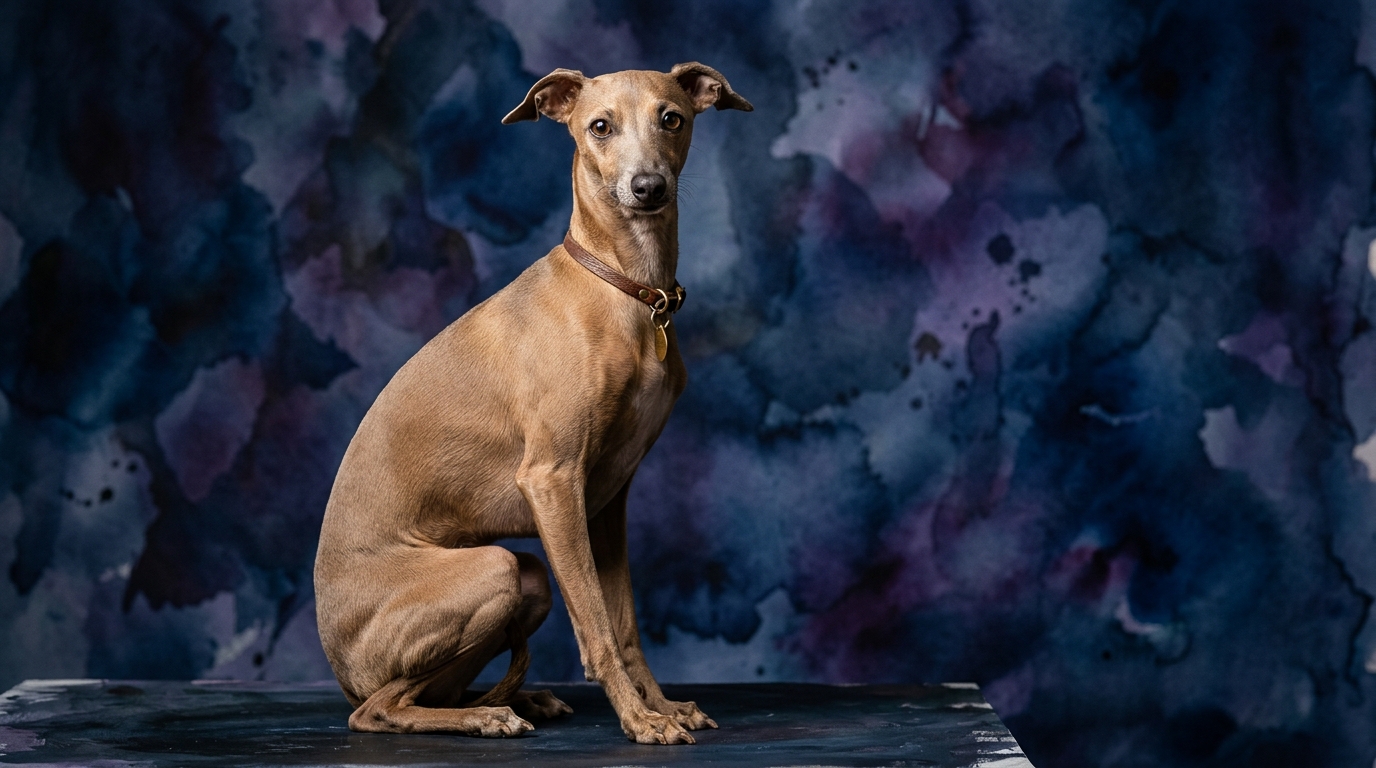
Side-by-Side: Unpacking Their IQ Profiles
Despite identical numerical scores from The Cosmic Pet Pet IQ Lab, the expression of cognitive traits in a Spanish Water Dog (SWD) versus an Italian Greyhound (IG) is profoundly shaped by their breed heritage and physical attributes. Understanding these nuances is key to appreciating their individual brilliance.
For the Spanish Water Dog, a Herding breed, a '3/5' in **Problem Solving** often translates to practical, task-oriented ingenuity. This might involve figuring out how to navigate challenging terrain to gather livestock, or opening a tricky gate to reach a desired location. Their problem-solving is typically driven by purpose and a desire to complete a job, demonstrating a robust, physical approach to overcoming obstacles. Their **Training Speed** at '3/5' reflects an eagerness to learn complex sequences and respond to commands, especially when engaged in activities that mimic their working roots. However, their independent spirit, typical of many herding breeds, means training requires clarity, consistency, and a strong partnership. **Social Intelligence** at '3/5' for the SWD indicates a keen awareness of their human handler’s cues and the dynamics of a group, essential for cooperative work. They are adept at reading intentions and responding to subtle shifts in human mood, though they can also be assertive in expressing their own needs. Their **Instinctive Drive** at '3/5' is powerful, manifesting as a strong urge to herd, chase, and be actively involved. This drive, if not channeled through appropriate activities, can lead to self-employment, sometimes in ways owners might not prefer. Finally, their **Memory** score of '3/5' suggests excellent retention of commands, routines, and spatial information, crucial for remembering complex routes or learned tasks over time, reinforcing their capacity for sustained work.
The Italian Greyhound, a graceful Toy sighthound, interprets these same '3/5' scores through a very different lens. Their '3/5' in **Problem Solving** is less about practical labor and more about navigating their human-centric world for comfort and affection. An IG might ingeniously figure out how to access a forbidden cozy blanket on a high shelf or subtly manipulate their owner for an extra treat, demonstrating a cleverness focused on personal gain and comfort rather than task completion. Their **Training Speed** at '3/5' means they can absorb new commands quickly, particularly with positive reinforcement and a strong bond with their trainer. However, this speed is often paired with the sighthound's independent streak; they might choose to comply only if it suits them, or if a more compelling distraction (like a distant squirrel) doesn't capture their attention. The IG's **Social Intelligence** at '3/5' is deeply intertwined with their bond to their human family. They are exquisitely sensitive to human emotions, often mirroring their owners' moods and seeking to provide comfort or solicit attention. Their social acumen shines in close, personal interactions, though they can be reserved or shy with strangers. Their '3/5' **Instinctive Drive** is dominated by their sighthound heritage: a powerful urge to chase small, fast-moving objects, combined with an equally strong drive for warmth, comfort, and close physical contact with their chosen people. This is a drive for companionship and occasional, exhilarating bursts of speed. Their **Memory** score of '3/5' reflects a strong recall of routines, favorite people, and experiences, particularly those associated with comfort, play, or perceived threats, allowing them to quickly learn who provides the best cuddles or where the sunniest nap spot is.
Where the Spanish Water Dog Wins Cognitively
The Spanish Water Dog excels in cognitive areas demanding sustained focus and physical application within a dynamic environment. Their herding lineage means they often display superior **persistence in problem-solving** related to a goal, such as retrieving an object from a complex setup or figuring out how to navigate a series of obstacles. This isn't just about quick wit, but a deep-seated drive to complete a task once started. Their **adaptability to varied environmental challenges** is also a cognitive strength, as they are accustomed to thinking on their feet in different terrains and weather conditions, a skill that translates well into dog sports or outdoor adventures. Furthermore, their cognitive strengths lean towards **practical application of learned skills**, meaning they are adept at taking a command learned in one context and applying it effectively in a slightly different scenario, demonstrating a robust understanding of underlying principles rather than rote memorization.
Where the Italian Greyhound Wins Cognitively
The Italian Greyhound's cognitive strengths lie in their nuanced understanding of social dynamics and their refined sense of self-preservation and comfort. They often display a keen **subtle social manipulation**, using charming glances, gentle nudges, or soft whimpers to achieve their desired outcome – be it an extra treat or a coveted spot on the sofa. This isn't deceptive, but rather an efficient use of their endearing qualities. Their '3/5' in social intelligence truly shines in their **ability to read human emotional states** with remarkable accuracy. An IG can often sense their owner's stress or sadness and respond with comforting proximity, acting as a highly sensitive emotional barometer. They also demonstrate an impressive **efficiency in seeking comfort and attention**, quickly learning which behaviors elicit the most positive human responses, making them masters of their domestic domain. Their problem-solving, while rated the same as the SWD, is often more about elegant solutions for personal well-being within a home environment.
Which is Easier to Train and Why?
Determining which breed is 'easier' to train is less about raw intelligence and more about matching training style to inherent breed characteristics. The Spanish Water Dog, with its Herding background, tends to be more straightforward to train for obedience and task-oriented commands. They thrive on having a 'job' and respond well to clear, consistent instructions delivered with purpose. Their drive to work cooperatively and their physical robustness mean they can handle longer, more challenging training sessions focused on agility, herding, or advanced obedience. However, their independence means they require a trainer who can maintain engagement and assert leadership without being overly harsh.
The Italian Greyhound, while equally capable of learning, often requires a more nuanced and motivational approach. Their sighthound independence means they might quickly grasp a command but choose not to perform it if a more compelling distraction arises, or if they simply aren't in the mood. Training an IG is often about building a strong, trusting relationship and making learning fun and rewarding, appealing to their desire for comfort and positive attention. They are sensitive and respond poorly to harsh corrections, which can make them shut down. Their training might be 'faster' in terms of initial acquisition of simple commands, but achieving reliable, consistent compliance in varied environments often requires more patience and creative motivation due to their selective listening and strong prey drive.
Active Owners vs. Relaxed Owners: A Lifestyle Match
The Spanish Water Dog is an ideal companion for active owners who relish outdoor adventures and mental engagement. Their '3/5' instinctive drive and problem-solving translate into a need for regular, vigorous exercise and stimulating activities such as hiking, swimming, dog sports like agility, or even simulated herding tasks. Owners who enjoy training, providing consistent mental challenges, and integrating their dog into a bustling, active lifestyle will find the SWD a cooperative and enthusiastic partner. Without sufficient outlets for their energy and cognitive abilities, SWDs can become restless or develop undesirable behaviors born from boredom and a need to 'do something.'
Conversely, the Italian Greyhound thrives with owners who appreciate a more relaxed, but still engaged, companionship. While they possess a '3/5' instinctive drive for bursts of speed and play, their overall energy needs are moderate, making them suitable for owners who enjoy gentle walks, short play sessions, and plenty of cozy indoor time. Their strong social intelligence and memory make them excellent at bonding deeply with their human family, finding joy in quiet cuddles and shared routines. They are well-suited for individuals or families who can provide a warm, secure environment, enjoy their subtle charms, and understand their need for comfort and close proximity, while still offering opportunities for safe, off-leash running in a secure area.
The Verdict
Choose the Spanish Water Dog if you seek an intelligent, robust partner for an active lifestyle, eager to engage in challenging tasks and outdoor adventures.
Opt for the Italian Greyhound if you desire a sensitive, charming companion who excels in close bonds and a more relaxed, yet loving, home environment.
🧠 Find Your Pet's IQ Score
Our Pet IQ Lab assessment covers 25+ tests across 5 cognitive dimensions — personalized to your breed.
Take the Full IQ Test →Frequently Asked Questions
Do Spanish Water Dogs make good family pets?
Yes, Spanish Water Dogs can be excellent family pets, particularly for active families who understand their need for mental stimulation and consistent training. They form strong bonds and can be protective, but require early socialization to ensure they are comfortable with various people and situations.
Are Italian Greyhounds difficult to housetrain?
Italian Greyhounds can sometimes be challenging to housetrain due to their delicate build, which makes them sensitive to cold, and their independent nature. Consistent, positive reinforcement, frequent potty breaks, and a warm, sheltered outdoor spot are key to successful housetraining.
What kind of exercise do these breeds need?
The Spanish Water Dog requires significant daily exercise, including vigorous activities like running, swimming, or dog sports, alongside mental challenges. The Italian Greyhound needs regular, moderate exercise, consisting of daily walks and opportunities for safe, short bursts of running in a securely fenced area, balanced with plenty of indoor rest.