Side-by-Side IQ Profile: Spanish Water Dog vs. Kooikerhondje
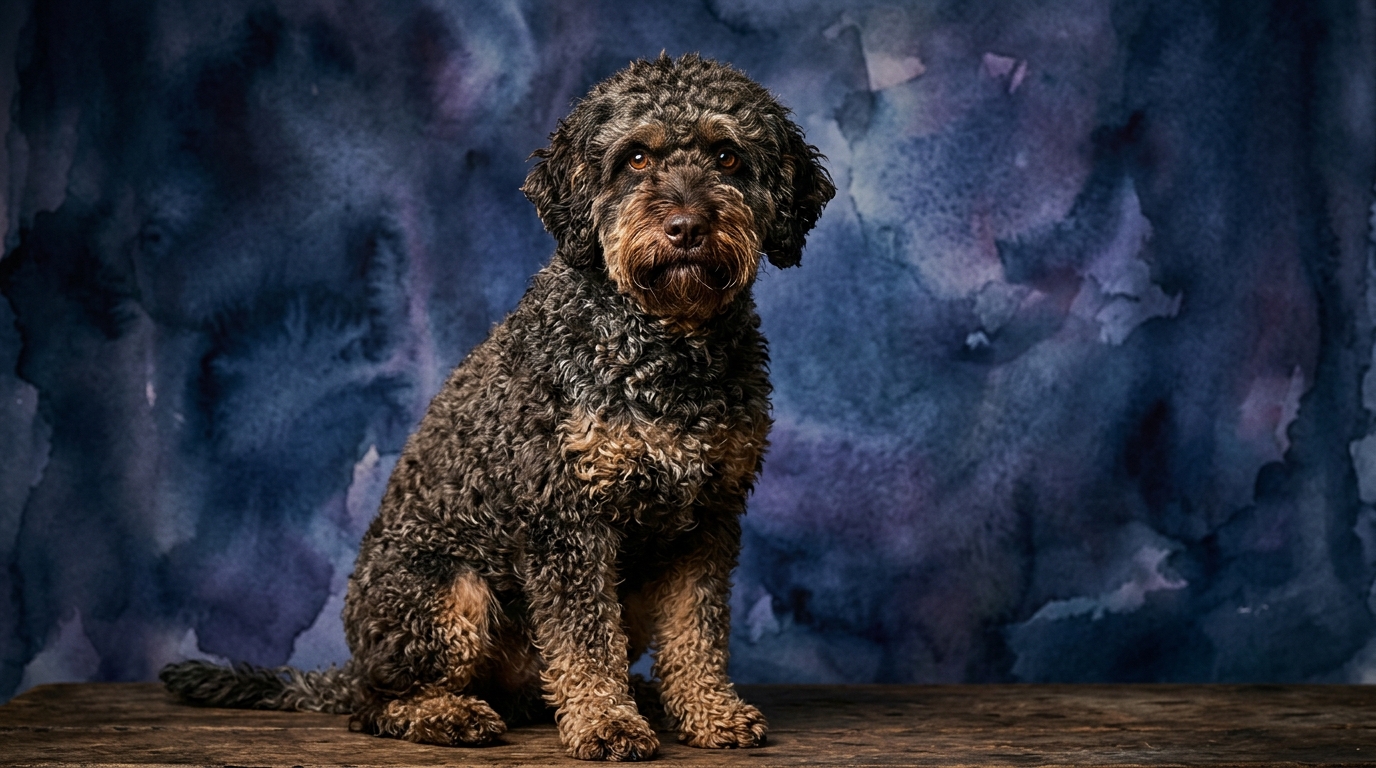
**Spanish Water Dog (SWD)**: Originating as a versatile herding and water dog in Spain, the SWD exhibits a robust intellect shaped by its demanding historical roles. Their Problem Solving (3/5) manifests as an adaptable resourcefulness, allowing them to independently assess and navigate complex situations, whether it's figuring out how to open a gate or devise a strategy for gathering livestock. In Training Speed (3/5), they are quick learners, absorbing new commands and routines with efficiency, though their independent spirit means consistency and engaging methods are paramount to prevent stubbornness from surfacing. Their Social Intelligence (3/5) is characterized by a strong bond with their human family, demonstrating an acute awareness of emotional states, while often maintaining a reserved or cautious demeanor towards strangers. The SWD's Instinctive Drive (3/5) is powerful, rooted in their herding and retrieving heritage, requiring ample outlets for mental and physical exertion to prevent boredom or destructive behaviors. Finally, their Memory (3/5) is solid, enabling them to retain a vast repertoire of commands, remember past experiences, and recognize individuals and environments over time.
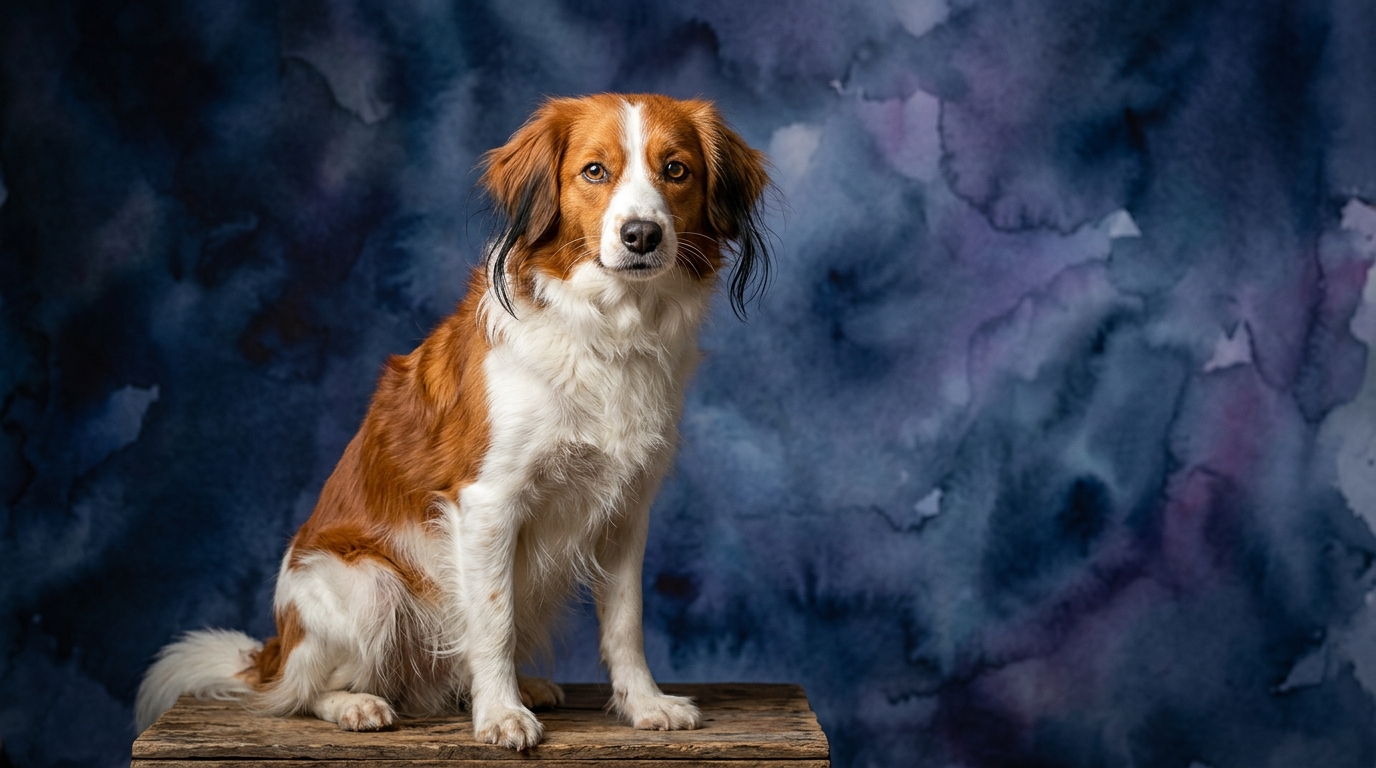
**Kooikerhondje (Kooiker)**: Hailing from the Netherlands, where they were developed for decoying ducks, the Kooiker presents a cognitive makeup that reflects their specialized past. Their Problem Solving (3/5) often involves cleverness and strategy, particularly in tasks requiring focus and manipulation to achieve a desired outcome, such as figuring out puzzle toys or navigating agility courses. Regarding Training Speed (3/5), Kooikers are typically eager to please and highly responsive to positive reinforcement, quickly grasping new concepts and commands, though their sensitive nature means harsh methods are counterproductive and can lead to shutdown. Their Social Intelligence (3/5) is marked by a deep sensitivity and perceptiveness, allowing them to tune into subtle human cues and form strong, affectionate bonds with their chosen people, though they can be quite reserved and initially shy with unfamiliar individuals. The Kooiker's Instinctive Drive (3/5) is focused on their decoying heritage, manifesting as a strong prey drive, enthusiasm for retrieving, and a natural affinity for scent work, all of which require appropriate outlets to satisfy their intrinsic motivations. Their Memory (3/5) is excellent, enabling them to recall intricate sequences of behaviors, remember specific locations, and retain experiences with impressive clarity.
Where the Spanish Water Dog Wins Cognitively
The Spanish Water Dog's cognitive strengths often shine in dynamic, fluid environments that demand quick, independent decision-making. Their herding background has honed an ability to process rapidly changing information and react effectively without constant human direction. When faced with an unstructured problem involving multiple variables, such as navigating an obstacle course that isn't pre-defined or managing a group of animals, the SWD's adaptable problem-solving and robust instinctive drive allow them to improvise and take charge. They possess a certain mental toughness and resilience, making them less prone to being flustered by unexpected challenges or chaotic situations where a more sensitive breed might falter. This means they might excel in complex search and rescue scenarios or advanced agility courses that require on-the-fly adjustments.
Where the Kooikerhondje Wins Cognitively
The Kooikerhondje's cognitive advantages tend to emerge in tasks requiring precision, focus, and a keen sensitivity to subtle cues. Their history as duck decoys instilled a capacity for sustained attention and the ability to work in close partnership with a handler, interpreting nuanced signals. They often excel in activities like competitive obedience, rally, or scent work, where accuracy, attention to detail, and a willingness to perform repetitive tasks flawlessly are paramount. Their heightened social intelligence, expressed as a deep sensitivity to their handler's emotions and body language, means they can anticipate and respond to cues that a less perceptive dog might miss. This makes them exceptional partners for intricate training routines where subtle communication is key, allowing them to achieve a high degree of refinement in their performance.
Which is Easier to Train and Why?
Determining which breed is “easier” to train depends significantly on the handler's style and expectations, as both possess a 3/5 training speed. The Kooikerhondje, with its eager-to-please nature and high sensitivity, often responds very well to positive reinforcement and gentle, consistent methods. They are typically keen to learn and genuinely enjoy working collaboratively, making them quite receptive to new commands and routines when the training environment is supportive and engaging. However, their sensitivity means they can easily become overwhelmed or shut down if training is harsh, inconsistent, or involves too much pressure, requiring a patient and understanding approach.
In contrast, the Spanish Water Dog's independence, while contributing to their problem-solving prowess, can also manifest as a degree of stubbornness during training. While they learn quickly, their strong will means they might question commands or try to find their own way if they don't perceive the value or if the training isn't stimulating enough. They require a confident, consistent handler who can establish clear boundaries and make training feel like a collaborative game rather than a strict imposition. For an experienced owner who can navigate their independent streak with creative, reward-based methods, the SWD can be a joy to train, but a novice might find their assertiveness more challenging than the Kooiker's cooperative spirit. Therefore, while both learn at a similar pace, the Kooikerhondje might feel “easier” for those who prefer a more compliant, sensitive partner, while the SWD demands a more assertive yet engaging approach.
Which Suits Active Owners vs. Relaxed Owners?
Neither the Spanish Water Dog nor the Kooikerhondje are suitable for truly relaxed, sedentary owners. Both breeds possess a 3/5 instinctive drive and require substantial mental and physical stimulation to thrive.
The **Spanish Water Dog** is unequivocally a match for highly active owners. Their herding and working background means they possess boundless energy and a profound need for purposeful activity. They excel in dog sports such as agility, flyball, dock diving, or advanced obedience, and thrive when given a job to do, whether it's hiking, running, or engaging in complex puzzle games. Owners who enjoy long, vigorous outdoor adventures, have a keen interest in canine sports, or can integrate their dog into a busy, active lifestyle will find the SWD an ideal, robust companion. Without adequate outlets, their intelligence and drive can lead to boredom, destructive behaviors, or excessive demand for attention.
The **Kooikerhondje**, while also energetic and requiring daily exercise, might be a slightly better fit for active owners whose activities are more structured or focused rather than constantly high-intensity. They enjoy long walks, retrieving games, and are excellent candidates for scent work, rally obedience, or smaller-scale agility. Their drive is often satisfied by engaging mental challenges and consistent, quality interaction rather than purely endless physical exertion. Owners who appreciate structured training, enjoy puzzle toys, and can provide regular, stimulating outings without necessarily needing an extreme athlete will find the Kooiker a rewarding partner. While still active, their needs might be met with a slightly less intense, though still dedicated, commitment to activity compared to the SWD's robust demands.
The Verdict
Choose the Spanish Water Dog if you are an experienced, active owner seeking a resilient, adaptable working companion who thrives on dynamic challenges and possesses a confident, independent spirit. This breed excels with handlers who can provide consistent leadership, engage them in vigorous physical and mental activities, and appreciate a dog that can think on its own in varied environments.
Opt for the Kooikerhondje if you are a dedicated owner who values a sensitive, intelligent, and eager-to-please partner for structured activities, and who can commit to gentle, consistent positive reinforcement training. This breed flourishes with owners who appreciate nuanced communication, can provide ample mental stimulation, and are prepared for a dog that forms deep bonds but may be reserved with strangers.
🧠 Find Your Pet's IQ Score
Our Pet IQ Lab assessment covers 25+ tests across 5 cognitive dimensions — personalized to your breed.
Take the Full IQ Test →Frequently Asked Questions
Are Spanish Water Dogs good with children?
Spanish Water Dogs can be good with children, especially when raised with them and properly socialized from a young age. Their inherent herding instincts might lead them to "herd" children by nipping at heels, so supervision and training are crucial to teach appropriate interactions.
Do Kooikerhondjes bark a lot?
Kooikerhondjes can be quite vocal, often using their barks to alert owners to strangers or unusual sounds, and sometimes in excitement during play. While early training can help manage excessive barking, their natural watchdog tendencies mean they will likely remain communicative.
Which breed is better for first-time dog owners?
Both breeds require dedicated and knowledgeable owners due to their energy levels and cognitive needs, making neither an ideal "easy" first-time dog. However, the Kooikerhondje's eager-to-please nature and responsiveness to positive reinforcement might make them slightly more manageable for a first-timer committed to consistent, gentle training.