Side-by-Side Cognitive Profiles: Herding Dog vs. Toy Terrier
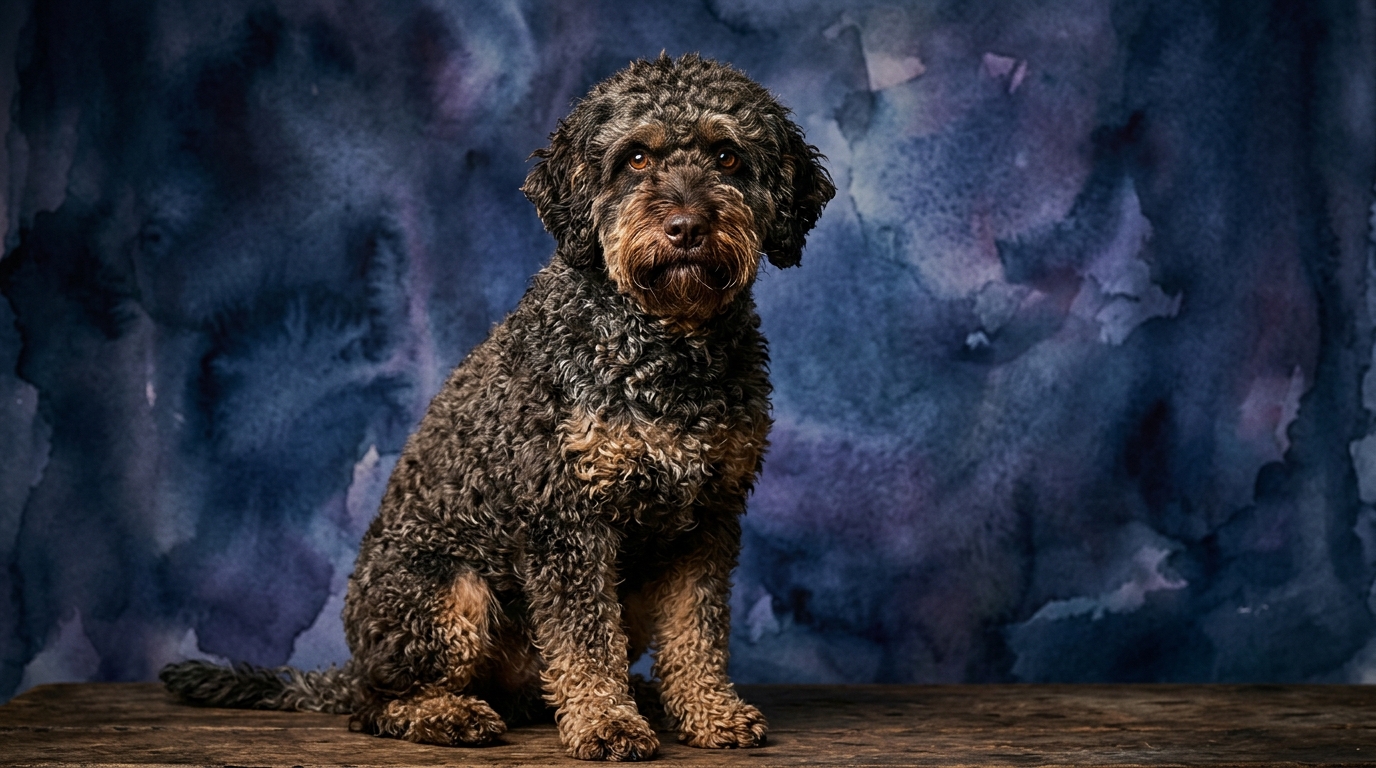
At first glance, the Spanish Water Dog (SWD) and the Toy Fox Terrier (TFT) present identical scores across all five dimensions of our Pet IQ Lab assessment: Problem Solving 3/5, Training Speed 3/5, Social Intelligence 3/5, Instinctive Drive 3/5, and Memory 3/5. However, these identical numerical values mask a rich tapestry of qualitative differences rooted in their distinct breed histories and functional purposes. For the Spanish Water Dog, a breed steeped in herding and water retrieval, a 3/5 in Problem Solving often translates to an aptitude for navigating complex environments to manage livestock or figure out how to retrieve objects from challenging aquatic settings. Their cognitive efforts are frequently directed towards collaborative tasks, requiring an understanding of spatial relationships and the movement of others.
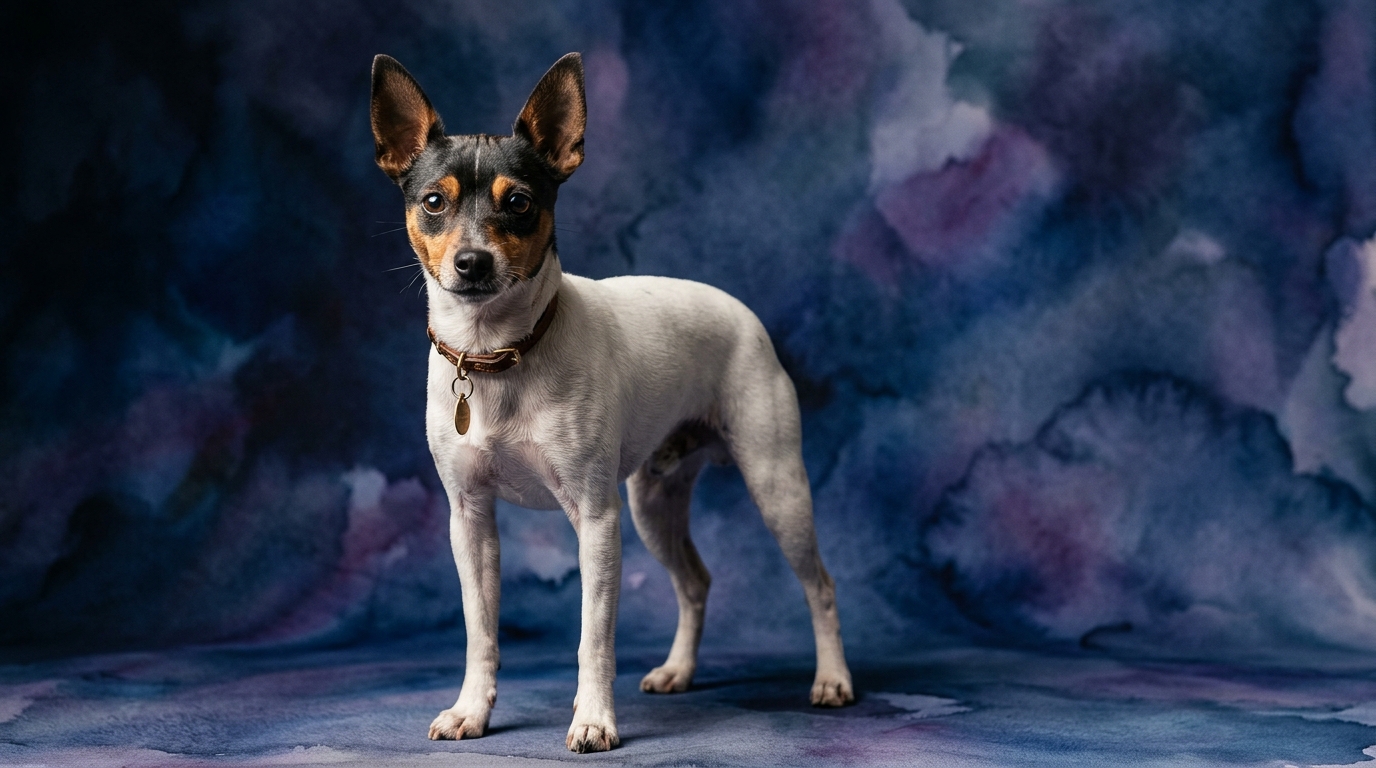
The Toy Fox Terrier, originating as a nimble vermin hunter and companion, also scores 3/5 in Problem Solving, but this manifests differently. Their cognitive strengths lie in quick, independent analysis, such as strategizing how to corner a small pest or figuring out how to access a forbidden treat. Their solutions are often self-directed and driven by immediate curiosity or reward. Similarly, a 3/5 in Training Speed for the SWD indicates a willingness to learn and respond to a handler, often motivated by a desire to work and please. For the TFT, the same score means they grasp concepts quickly, but their independent terrier spirit might lead to selective hearing if the task isn't engaging or if a more stimulating distraction arises.
Social Intelligence at 3/5 for the SWD points to their ability to form strong bonds with their core family and read their handler's cues, though they can be reserved with strangers, characteristic of a protective working dog. The TFT's 3/5 in Social Intelligence reflects a deep devotion to their chosen people, often displaying an acute awareness of household dynamics and human emotions, yet they can be assertive or even wary with unfamiliar individuals or other dogs if not properly socialized, a trait stemming from their self-reliant nature. Instinctive Drive at 3/5 for the SWD is predominantly expressed through their potent herding and retrieving instincts, a deep-seated urge to gather and work. For the TFT, this 3/5 score is dominated by a robust prey drive, a keen sense of territory, and a watchful nature, reflecting their historical role as guardians and hunters.
Finally, Memory at 3/5 for the Spanish Water Dog typically means they retain commands, routines, and learned tasks efficiently, particularly those associated with their working roles, allowing them to perform intricate sequences. The Toy Fox Terrier's 3/5 Memory score demonstrates their ability to recall locations of interest (like hidden toys or treat stashes), past experiences (both positive and negative), and the habits of their human companions, often leveraging this memory for their own advantage or amusement.
Where the Spanish Water Dog Excels Cognitively
The Spanish Water Dog truly shines in cognitive scenarios demanding sustained focus, collaborative problem-solving, and a strong partnership with a human. Their herding background imbues them with a nuanced understanding of group dynamics and movement, making them adept at tasks requiring precise control and direction. For instance, an SWD will likely excel at complex obedience routines, agility courses that require multiple sequential commands, or even scent work where they must methodically clear an area under guidance. Their problem-solving, while rated 3/5, is particularly geared towards practical, goal-oriented tasks that benefit from a handler's input, like figuring out the most efficient way to move a flock or retrieving an object from a difficult-to-reach spot in water.
Their social intelligence, also 3/5, is tailored for reading human intent and responding to subtle cues, fostering an exceptional working relationship. This makes them particularly adept at anticipating their owner's next move during a task or adjusting their behavior based on verbal and non-verbal commands. The SWD's memory at 3/5 is robust for operational procedures and sequences, meaning they reliably remember the steps involved in a learned task or the routine of a working day. This cognitive strength makes them highly dependable in roles where consistency and adherence to learned protocols are crucial, such as service work or competitive dog sports.
Where the Toy Fox Terrier Excels Cognitively
The Toy Fox Terrier's cognitive strengths lie in areas requiring quick, independent thought, sharp observational skills, and adaptability in diverse, often unpredictable, environments. Despite the identical 3/5 problem-solving score, a TFT often demonstrates a knack for creative, self-serving solutions, like discovering how to manipulate a latch to open a gate or finding a clever way to access a treat puzzle. Their small size and terrier heritage foster a mindset of resourcefulness and tenacity, crucial for outsmarting small prey or navigating complex indoor spaces with minimal human direction.
Their 3/5 in instinctive drive is a powerful asset for tasks demanding vigilance, quick reaction times, and a keen sense of their surroundings. This manifests in their excellent watchdog abilities, alerting their owners to anything unusual, and their persistent pursuit of small moving objects. While their social intelligence is also 3/5, the TFT excels at discerning household routines and the emotional states of their immediate family, often using this understanding to their advantage in seeking comfort or attention. Their memory, also 3/5, is particularly sharp for spatial awareness and the recall of specific events or locations, which assists their independent exploration and their ability to remember where a dropped crumb might be found hours later.
Which Is Easier to Train and Why?
When comparing trainability, despite both breeds scoring 3/5 in Training Speed, their underlying motivations and behavioral tendencies create distinct experiences. The Spanish Water Dog generally presents as easier to train for obedience and complex tasks due to their strong desire to work collaboratively and their inherent 'people-pleasing' aspect. They respond well to positive reinforcement and clear, consistent instruction, often thriving on having a job to do alongside their handler. Their herding instinct, while powerful, can be channeled into productive training, making them eager participants in learning new commands and routines. They typically enjoy the process of learning and the mental engagement it provides, which contributes to a smoother training journey for an owner willing to provide consistent direction.
The Toy Fox Terrier, while certainly capable of learning quickly, can be more challenging to train for consistent obedience due to their independent, spirited terrier nature. Their 3/5 training speed means they grasp concepts rapidly, but their instinctive drive (also 3/5), particularly their prey drive and tendency towards self-direction, can make them easily distracted or prone to deciding if a command aligns with their immediate interests. Training a TFT often requires more creativity, variety, and an understanding that their compliance might be conditional on their engagement. They need training to feel like a game or a rewarding challenge, rather than a repetitive chore, to maintain their focus and cooperation. While both breeds learn, the SWD is often more inclined to follow a human's lead, whereas the TFT might prefer to negotiate.
Which Suits Active Owners vs. Relaxed Owners?
The Spanish Water Dog is unequivocally better suited for active owners. Their cognitive profile, particularly their problem-solving and instinctive drive scores, demands consistent mental stimulation and physical exertion. An SWD thrives when given a 'job,' whether it's participating in dog sports like agility, dock diving, or herding trials, or simply engaging in long, varied walks and puzzle games. Owners who enjoy outdoor activities, have a dynamic lifestyle, and are prepared to integrate their dog into these pursuits will find the SWD a rewarding companion. Their cognitive need for partnership and purpose means a relaxed, sedentary owner will likely find their SWD developing undesirable behaviors out of boredom or unmet intrinsic drives.
The Toy Fox Terrier, while possessing a vibrant personality and a 3/5 instinctive drive, is more adaptable to a range of owner activity levels, making them a better fit for moderately active or even somewhat relaxed owners. They certainly enjoy playtime, short walks, and mental games, but their physical demands are less intense than those of a working herding breed. A TFT is content with regular opportunities for play and interaction within the home or yard, combined with daily walks that allow for sniffing and exploration. While they need mental engagement to satisfy their problem-solving and memory, this can often be achieved through interactive toys, short training sessions, and being included in household activities, rather than requiring extensive outdoor adventures. Their cognitive need is more about engaging their sharp wit and loyal companionship than continuous physical exertion.
The Verdict
Choose the Spanish Water Dog if you are an active individual or family seeking a devoted working partner for outdoor adventures, dog sports, and collaborative training challenges.
Opt for the Toy Fox Terrier if you desire a spirited, sharp-witted companion who thrives on close family interaction, enjoys moderate activity, and appreciates clever mental stimulation within the home.
🧠 Find Your Pet's IQ Score
Our Pet IQ Lab assessment covers 25+ tests across 5 cognitive dimensions — personalized to your breed.
Take the Full IQ Test →Frequently Asked Questions
Do Spanish Water Dogs or Toy Fox Terriers bark a lot?
Both breeds can be vocal, but for different reasons. Spanish Water Dogs may bark to alert or when herding, while Toy Fox Terriers often bark as watchdogs or when excited, leveraging their instinctive drive for alertness. Training and proper socialization can help manage excessive barking in both.
Are Spanish Water Dogs good with children and other pets?
Spanish Water Dogs can be excellent with children and other pets if properly socialized from a young age, displaying their 3/5 social intelligence within their family unit. However, their herding instincts might lead them to 'herd' children or other animals, requiring supervision and training to ensure gentle interactions.
How do their problem-solving skills differ in everyday life?
While both score 3/5 in problem-solving, an SWD might figure out how to open a complex gate to perform a 'task' or retrieve a toy, driven by purpose. A TFT, conversely, might creatively figure out how to sneak food off a counter or escape a crate, driven more by personal curiosity or immediate gratification, reflecting their independent nature.