Side-by-Side Cognitive Profiles
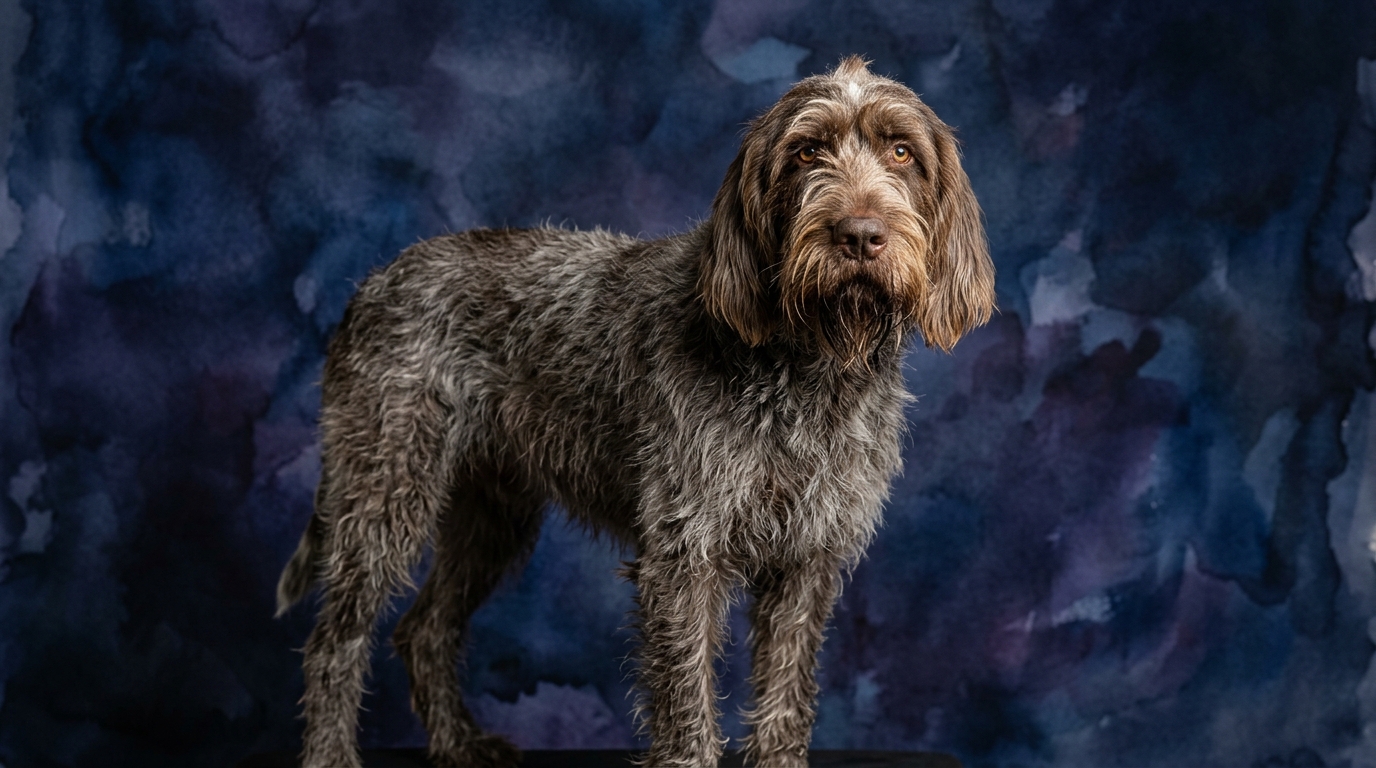
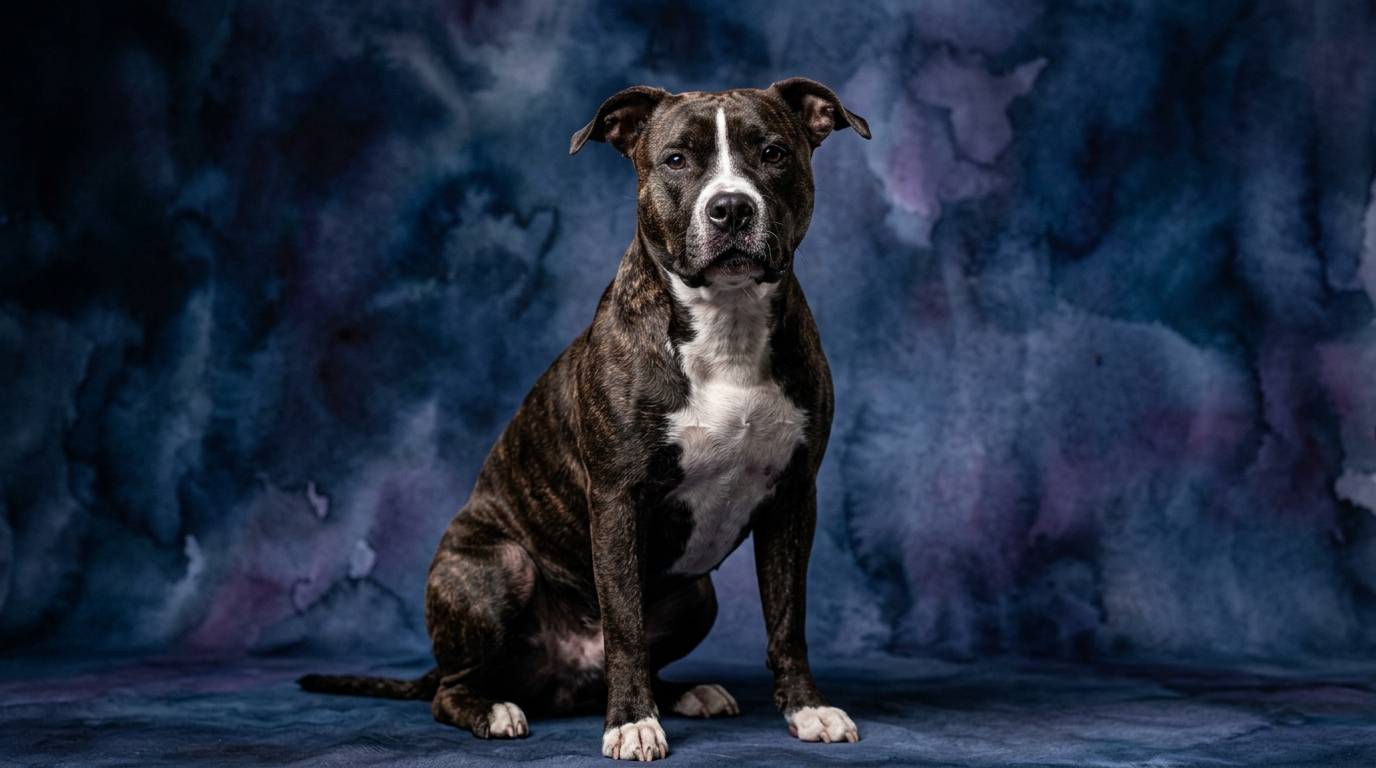
To understand the unique intellectual makeup of these breeds, we turn to The Cosmic Pet Pet IQ Lab's five-dimensional framework, assessing Problem Solving, Training Speed, Social Intelligence, Instinctive Drive, and Memory. The Spinone Italiano, a member of the Sporting group, does not have a Coren rank, reflecting its less common presence in traditional obedience studies, while the American Staffordshire Terrier, from the Terrier group, holds a Coren rank of #48.
The Spinone Italiano exhibits a balanced cognitive profile: Problem Solving (3/5), indicating a capability to figure out tasks, though they might often seek human guidance; Training Speed (3/5), suggesting a moderate pace of learning new commands with consistent reinforcement; Social Intelligence (3/5), showing a good ability to read human cues and form strong bonds; Instinctive Drive (3/5), reflecting a moderate prey drive and desire for cooperative work; and Memory (3/5), meaning they retain learned behaviors reasonably well but benefit from occasional refreshers.
In contrast, the American Staffordshire Terrier also demonstrates a robust set of cognitive skills: Problem Solving (3/5), indicating a similar capacity for tackling challenges, often with a determined focus; Training Speed (3/5), where they learn new concepts at a moderate pace, thriving on engagement and consistency; Social Intelligence (3/5), showing a strong understanding of human emotions and intentions, leading to deep attachments; Instinctive Drive (3/5), exhibiting a moderate drive often channeled into tasks requiring strength and agility; and a notable Memory (4/5), which stands out as a superior capacity for long-term retention of commands and routines.
Where the Spinone Italiano Wins Cognitively
The Spinone Italiano's cognitive strengths often manifest in their collaborative nature and nuanced approach to interactions. While both breeds score 3/5 in social intelligence, the Spinone's inherent gentleness and desire to partner with humans can translate into a more patient and less forceful approach to problem-solving within a family setting. They tend to be more attuned to subtle human body language and vocal tones, seeking to understand and cooperate rather than independently assert.
Furthermore, the Spinone's instinctive drive (3/5), shaped by centuries as a versatile gundog, gives them a unique cognitive advantage in tasks involving scent work, tracking, and retrieving. Their ability to methodically cover ground, process complex scent information, and work independently while remaining responsive to a handler over extended periods in the field showcases a specialized cognitive application that harnesses their focus and moderate drive effectively. This specific type of sustained cognitive engagement for a task is a hallmark of their breed's purpose.
Where the American Staffordshire Terrier Wins Cognitively
The American Staffordshire Terrier holds a clear cognitive edge in one critical area: Memory (4/5) compared to the Spinone's 3/5. This superior capacity for retention means that once an AmStaff grasps a command, a routine, or a boundary, it tends to stick more firmly in their mind. This translates to faster long-term recall and a greater reliability in established behaviors, requiring fewer repetitions over time to maintain proficiency.
This enhanced memory, combined with their 3/5 problem-solving score and characteristic tenacity, means AmStaffs often approach challenges with a determined persistence. They can draw upon past experiences and successful strategies with greater clarity, allowing them to systematically work through puzzles or learn complex sequences of actions more efficiently. Their robust memory underpins their potential for consistency in both desired and, if not properly managed, undesired behaviors.
Ease of Training: Behavioral Differences at Play
When considering ease of training, the American Staffordshire Terrier's superior memory (4/5) offers a distinct advantage. Commands and routines, once learned, are retained effectively, potentially making the long-term reinforcement process smoother. Their eagerness to engage and their focused demeanor, when appropriately motivated, can lead to efficient initial learning. However, this excellent memory also means they can just as readily recall unwanted behaviors or negative experiences, underscoring the critical need for early, consistent, and positive training to shape desirable habits and prevent counterproductive learning.
The Spinone Italiano, with a Training Speed of 3/5 and Memory of 3/5, typically requires a more patient and consistent approach. They learn at a moderate pace and benefit from regular refreshers to solidify commands. Their social intelligence (3/5) means they are highly responsive to their handler's mood and tone, making positive reinforcement and a calm, encouraging training environment particularly effective. While they possess a strong desire to please and work cooperatively, their retention may not be as immediate or long-lasting as the AmStaff's, necessitating more diligent, ongoing practice.
Matching Breeds to Lifestyles: Active vs. Relaxed Owners
Both the Spinone Italiano and the American Staffordshire Terrier are breeds that thrive with engaged, active owners, but their preferred types of activity differ. AmStaffs benefit from structured physical exercise that taps into their strength and agility, alongside mental challenges like advanced obedience, puzzle toys, or even dog sports. Their determined nature means they need outlets for their energy and cognitive engagement to prevent boredom and potential destructive behaviors.
The Spinone Italiano also requires daily activity, excelling in outdoor pursuits such as hiking, scent tracking games, and field work that engage their natural gundog instincts. While they are energetic, their moderate energy levels and desire for companionship might allow them to adapt slightly better to a less intensely structured day compared to the AmStaff, provided they still receive consistent daily walks, mental stimulation, and quality time with their family. Neither breed is suited for a truly sedentary lifestyle.
The Verdict
Choose the Spinone Italiano if you seek a gentle, collaborative working partner for outdoor activities like scenting or retrieving, appreciating a dog sensitive to your mood and desiring engaged, yet moderately paced, companionship.
Choose the American Staffordshire Terrier if you thrive on structured training and consistent routines, valuing a tenacious, loyal companion with excellent long-term memory for commands, and can provide ample physical and mental challenges.
🧠 Find Your Pet's IQ Score
Our Pet IQ Lab assessment covers 25+ tests across 5 cognitive dimensions — personalized to your breed.
Take the Full IQ Test →Frequently Asked Questions
Are Spinone Italianos difficult to train?
Spinone Italianos are not inherently difficult to train, but their moderate training speed and memory mean they benefit greatly from consistent, positive reinforcement methods. Patience and repetition are key to helping them grasp and retain new commands effectively, building on their desire to please.
Does the American Staffordshire Terrier's memory make them easier to live with?
The American Staffordshire Terrier's superior memory certainly aids in their ability to remember household rules and training cues, contributing to a more predictable companion. However, this also means they can remember negative experiences or unwanted behaviors, underscoring the importance of early, consistent, and positive training to shape their habits.
How do their social intelligence scores impact family life?
Both breeds score 3/5 in social intelligence, indicating they are generally good at understanding human cues and forming strong family bonds. The Spinone's gentleness often translates to patient interactions, while the AmStaff's sensitivity means they are attuned to their owner's emotional state, making both capable of being affectionate and integrated family members.