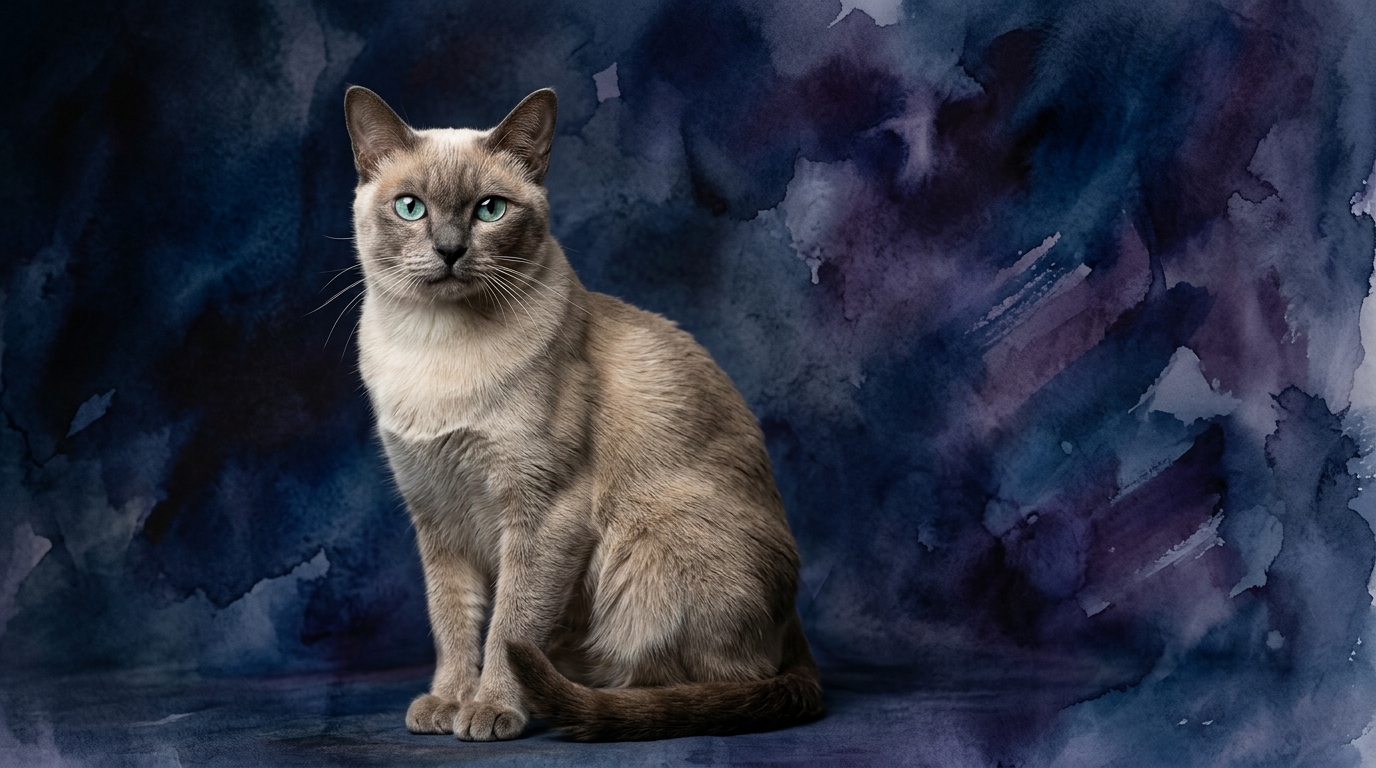
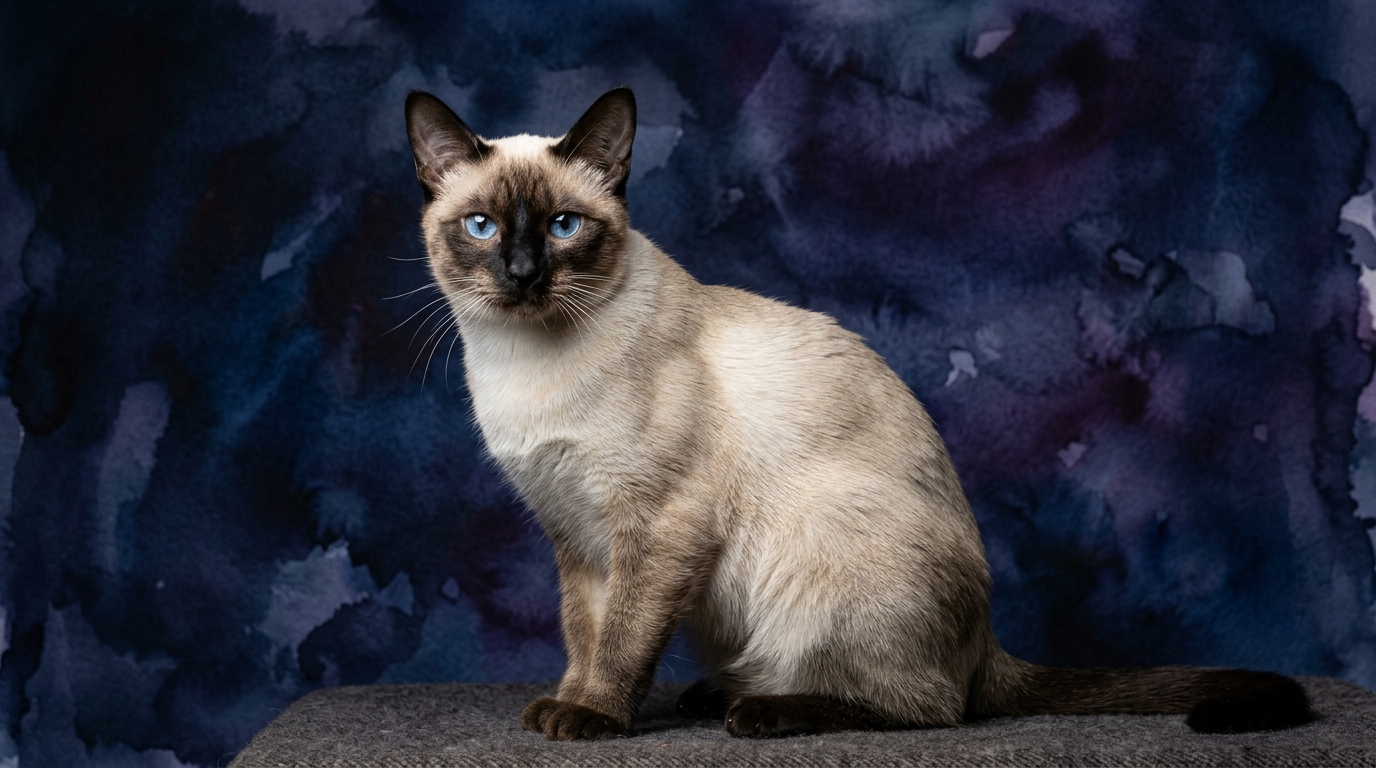
Side-by-Side IQ Profile: Tonkinese vs. Colorpoint Shorthair
The Tonkinese cat presents a truly remarkable cognitive blueprint, excelling across almost every dimension of our IQ assessment. Their Problem Solving score of 5/5 indicates an exceptional capacity to navigate complex environments, figure out puzzles, and devise creative solutions to challenges, often displaying a cunning resourcefulness. This breed doesn't just adapt; it actively manipulates its surroundings to achieve desired outcomes, making them quite engaging companions.
Further solidifying their advanced cognitive standing, the Tonkinese boasts a Training Speed of 5/5, reflecting an unparalleled ability to grasp and execute new commands and routines with astonishing swiftness. Coupled with a Social Intelligence score of 5/5, they demonstrate a profound understanding of human cues, emotions, and social structures within a household, making them highly attuned and interactive pets. Their capacity for intricate communication and bonding is truly noteworthy.
The Tonkinese's Instinctive Drive, rated at 4/5, suggests a strong, yet manageable, predilection for hunting and exploratory behaviors, providing a healthy outlet for their natural feline instincts. Capping off their impressive profile is a Memory score of 5/5, indicating an outstanding ability to recall past events, learned behaviors, and associate specific actions with outcomes over extended periods, contributing to their consistent performance in training and daily interactions.
In contrast, the Colorpoint Shorthair exhibits a more balanced and generally competent cognitive profile, with consistent scores across the board. Their Problem Solving ability, rated at 3/5, suggests a practical approach to challenges; they can figure things out, but may not display the same level of innovative solution-finding or persistent manipulation of their environment as their Tonkinese counterparts. They are capable of navigating their world effectively, just perhaps with less flair.
The Colorpoint Shorthair's Training Speed also sits at 3/5, meaning they are certainly trainable, but owners should anticipate a more gradual learning curve requiring consistent repetition and patience. Their Social Intelligence, likewise at 3/5, indicates they are affectionate and interactive, capable of forming strong bonds and understanding basic human interactions, though perhaps not interpreting subtle emotional nuances with the same depth as a Tonkinese.
With an Instinctive Drive of 3/5, Colorpoint Shorthairs possess a moderate desire for hunting and play, which is generally easy to satisfy through regular interactive sessions. Their Memory, also at 3/5, allows them to retain routines and learned behaviors, ensuring they can be reliably house-trained and follow established household norms, albeit without the exceptional recall seen in breeds with higher scores.
Where the Tonkinese Excels Cognitively
The Tonkinese clearly outshines the Colorpoint Shorthair in areas demanding intricate mental engagement and rapid adaptation. Their superior Problem Solving (5/5) means they are adept at opening complex latches, navigating elaborate puzzle feeders, or even figuring out how to access forbidden spaces. This isn't just curiosity; it's a genuine cognitive drive to understand and manipulate their environment, making them fascinating, albeit sometimes mischievous, companions.
Furthermore, the Tonkinese's combined 5/5 scores in Training Speed, Social Intelligence, and Memory allow them to master a wide array of commands and tricks with remarkable efficiency. They can learn to walk on a leash, play fetch, or even perform agility courses, not just through rote memorization but by understanding the underlying social cues and associating actions with specific human desires. Their ability to remember these complex routines and apply them consistently is a testament to their robust cognitive framework.
Where the Colorpoint Shorthair's Profile Offers Different Advantages
While the Colorpoint Shorthair does not reach the peak scores of the Tonkinese, their consistent 3/5 ratings across all cognitive dimensions present a different kind of advantage for certain owners. Their moderate Instinctive Drive (3/5) means they are less likely to exhibit the intense, persistent hunting behaviors that a breed with a higher drive might display, potentially leading to a more relaxed household dynamic concerning small prey or energetic play demands.
The Colorpoint Shorthair's more balanced cognitive profile can also translate into a pet that is generally less demanding of constant, high-level mental stimulation. While they appreciate interaction and play, their moderate problem-solving and memory scores suggest they are less prone to developing boredom-driven destructive habits if not perpetually challenged with complex puzzles or new tricks. They are content with a comfortable routine and affectionate companionship, making them a wonderful choice for those who appreciate competency without exceptional mental intensity.
Which is Easier to Train and Why
Without question, the Tonkinese is the easier breed to train, largely due to their exceptional Training Speed (5/5), Social Intelligence (5/5), and Memory (5/5). They process information quickly, understand human intent with remarkable clarity, and retain new behaviors with minimal reinforcement. This means they not only pick up basic commands like 'sit' or 'stay' rapidly but are also highly receptive to more complex endeavors such as clicker training, leash walking, or even learning to retrieve specific toys.
The Colorpoint Shorthair, with its 3/5 scores in Training Speed, Social Intelligence, and Memory, requires a more patient and consistent approach to training. They are certainly capable of learning, but the process will involve more repetition and simpler commands. Owners should focus on positive reinforcement and short, engaging sessions, understanding that while the Colorpoint Shorthair can be a well-behaved companion, it will take more dedicated effort to achieve the same level of trained sophistication as a Tonkinese.
Suited for Active vs. Relaxed Owners
For active owners who relish a highly interactive and mentally stimulating companion, the Tonkinese is an ideal match. Their superior problem-solving, rapid learning, and profound social intelligence mean they thrive in environments offering consistent engagement, new challenges, and plenty of interactive play. They require owners who are prepared to dedicate time to mental enrichment, teaching tricks, and providing varied entertainment to prevent boredom and channel their considerable cognitive energy constructively.
Conversely, the Colorpoint Shorthair's balanced cognitive profile makes them an excellent fit for owners seeking a charming and affectionate cat with a more moderate mental demand. While they enjoy play and interaction, they are generally content with a more predictable routine and do not require the same intensity of mental gymnastics as a Tonkinese. They will thrive in a home that offers comfort, companionship, and regular, but not necessarily complex, playtime, making them suitable for individuals who prefer a slightly more relaxed pet dynamic.
The Verdict
Choose the Tonkinese if you desire an intellectually stimulating companion eager to learn complex tasks and engage deeply with your daily life.
Opt for the Colorpoint Shorthair if you seek a loving, competent cat with a balanced temperament and a less demanding need for constant mental challenges.
🧠 Find Your Pet's IQ Score
Our Pet IQ Lab assessment covers 25+ tests across 5 cognitive dimensions — personalized to your breed.
Take the Full IQ Test →Frequently Asked Questions
Do Tonkinese cats get bored easily?
Yes, their exceptional problem-solving and memory scores indicate they require consistent mental engagement and varied enrichment to prevent boredom-related behaviors. Owners should provide puzzle toys, interactive play, and opportunities for learning to keep them stimulated.
Are Colorpoint Shorthairs difficult to train?
While not as quick to learn as some breeds, Colorpoint Shorthairs are trainable with patience and consistency, responding well to positive reinforcement for basic commands. Their moderate training speed means owners should be prepared for a more gradual process.
Which breed is more vocal?
Both breeds can be quite vocal, inheriting conversational traits from their Siamese lineage, often engaging in lively 'chats' with their owners. While individual personalities vary, expect either cat to express themselves audibly.