The Cosmic Pet IQ Profile: Turkish Angora vs. Persian
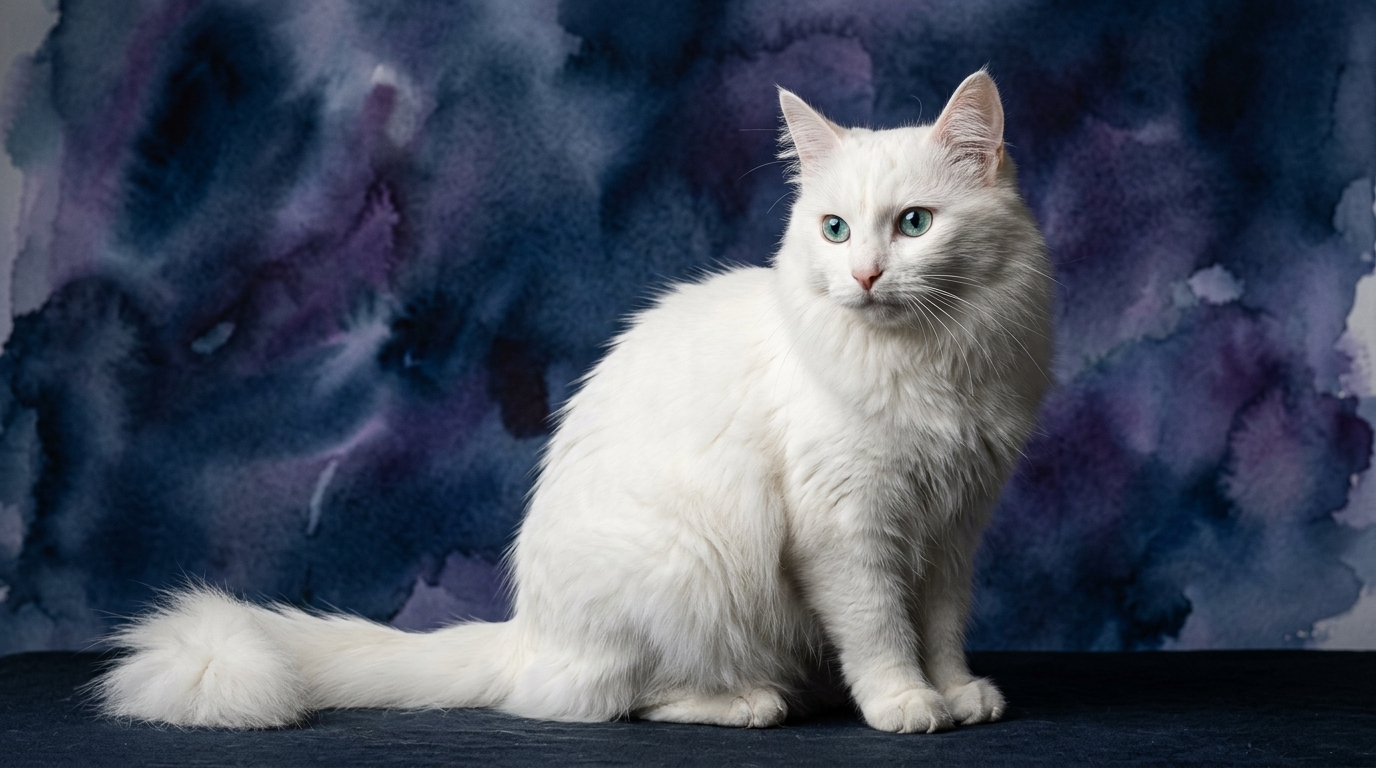
The Cosmic Pet Pet IQ Lab employs a five-dimensional framework to assess feline cognitive abilities, providing a nuanced understanding beyond simple anecdotes. For the Turkish Angora, we observe a cat built for active engagement, scoring 5/5 in Problem Solving, 4/5 in Training Speed, 4/5 in Social Intelligence, 4/5 in Instinctive Drive, and a remarkable 5/5 in Memory. This profile suggests a cat that actively processes its environment, learns efficiently, and retains information over time, driven by an innate curiosity and a desire for interaction.
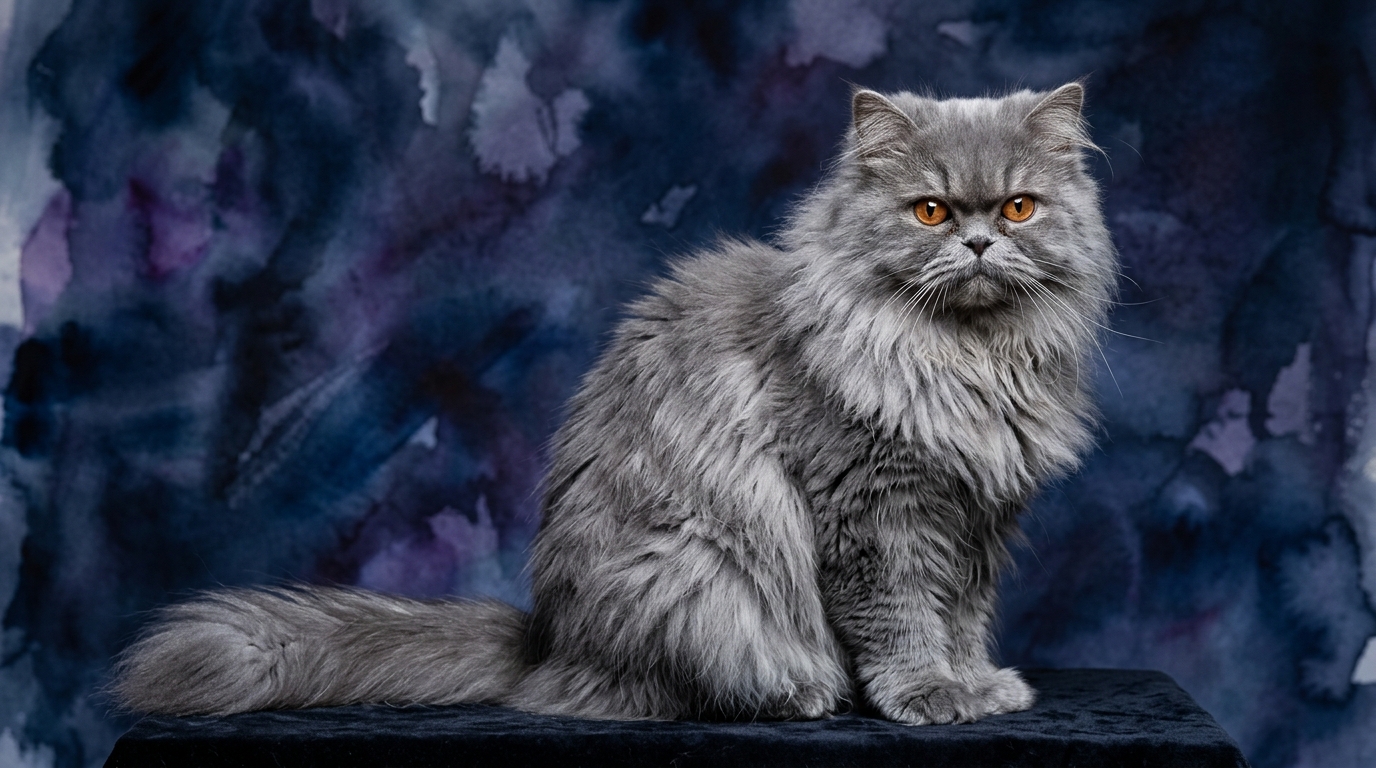
In stark contrast, the Persian cat presents a cognitive profile geared towards a more contemplative existence. Their scores are 2/5 in Problem Solving, 2/5 in Training Speed, 3/5 in Social Intelligence, 2/5 in Instinctive Drive, and 3/5 in Memory. This doesn't imply a lack of mental capacity, but rather a different cognitive emphasis, often prioritizing comfort and routine over complex mental challenges or vigorous exploration. Their social intelligence, while not as high as the Angora's, still indicates a capacity for connection, albeit often in a more reserved manner.
Where the Turkish Angora Excels Cognitively
The Turkish Angora’s cognitive strengths are particularly evident in their capacity for problem-solving and their robust memory. A 5/5 rating in Problem Solving indicates these cats are exceptionally adept at navigating their physical world, figuring out how to access desired items, manipulate objects, or overcome obstacles. This might manifest as learning to open specific cabinets, figuring out complex puzzle toys, or even devising strategies to get an owner's attention. Their quick wits allow them to adapt rapidly to new situations, making them resourceful and often surprising companions.
Coupled with their 5/5 Memory score, the Angora doesn't just solve problems; they remember the solutions and apply them in future scenarios. This means they recall routines, people, and the consequences of their actions with impressive clarity. If they learned a specific path to a sunbeam or a method to get a treat, they are likely to remember and repeat it. Their high Instinctive Drive (4/5) further fuels this exploratory and learning behavior, pushing them to investigate, experiment, and mentally map their surroundings, solidifying their experiences into lasting memories.
Where the Persian's Cognitive Profile Shines
While the Persian’s scores in problem-solving and training speed are lower, their cognitive profile finds its own unique strengths, particularly in fostering a serene and predictable home environment. Their 2/5 Problem Solving and 2/5 Instinctive Drive mean they are less inclined to actively seek out complex mental challenges or engage in extensive exploration. This reduced drive for constant mental stimulation can be a significant advantage for owners seeking a calm companion who is content with routine and a stable environment, rather than one constantly seeking new puzzles or adventures.
The Persian’s 3/5 Social Intelligence, while not reaching the Angora’s active engagement, still signifies a capacity for meaningful, albeit often subtle, connection. They are observers, absorbing the atmosphere of their home and the moods of their human companions without necessarily feeling compelled to intervene or initiate complex interactions. Their cognitive makeup allows them to be a comforting presence, offering quiet companionship and a sense of tranquility, thriving in an environment where their needs for comfort and stability are met without demanding constant intellectual engagement from their humans. This preference for calm can be seen as a cognitive advantage in specific living situations, creating a peaceful dynamic that some owners deeply value.
Ease of Training: Turkish Angora vs. Persian
When it comes to training, the differences between these two breeds become quite pronounced, primarily due to their respective scores in Training Speed, Problem Solving, and Social Intelligence. The Turkish Angora, with its 4/5 Training Speed, 5/5 Problem Solving, and 4/5 Social Intelligence, is generally a more receptive and quicker learner. They tend to enjoy the interactive aspect of training, readily picking up cues and associating actions with rewards. Their ability to figure things out, combined with their strong memory, means they can learn a variety of commands, tricks, and even leash walking with relative ease, responding well to positive reinforcement and consistent engagement.
Conversely, the Persian, scoring 2/5 in Training Speed and 2/5 in Problem Solving, typically presents a greater challenge in formal training scenarios. They require significant patience, more repetition, and a highly consistent approach. Their lower inclination for complex mental tasks means they are less likely to spontaneously 'figure out' what you want them to do. Training often focuses on basic manners and adapting to routines rather than complex trick learning. Success with a Persian relies heavily on an owner’s commitment to gentle, consistent reinforcement, understanding that progress will be slower and may require more creative motivational strategies.
Matching Feline Intellect to Owner Lifestyles
The cognitive profiles of the Turkish Angora and Persian make them suitable for distinctly different owner lifestyles. The Turkish Angora, with its high scores in Problem Solving (5/5), Instinctive Drive (4/5), and Social Intelligence (4/5), thrives with active, engaged owners. These cats benefit immensely from a stimulating environment that includes interactive play, puzzle toys, and opportunities for exploration. They appreciate owners who are willing to teach them tricks, engage in dynamic play sessions, and provide consistent mental enrichment. An Angora will often seek out interaction and stimulation, making them a vibrant companion for those who enjoy an intellectually curious and physically active cat.
The Persian, with its lower scores in Problem Solving (2/5) and Instinctive Drive (2/5), and a more reserved Social Intelligence (3/5), is an ideal match for more relaxed and tranquil owners. These cats are generally content with a quieter home environment, preferring to lounge, observe, and receive gentle affection on their own terms. They do not demand constant mental challenges or vigorous physical activity, making them perfect companions for individuals or families who appreciate a calm, composed, and less demanding feline presence. Their cognitive makeup aligns well with a lifestyle that prioritizes peace and predictability over constant engagement.
The Verdict
Choose the Turkish Angora if you seek an interactive, curious, and highly engaged feline companion who thrives on learning, exploration, and dynamic interaction.
Choose the Persian if you prefer a calm, composed, and aesthetically pleasing cat content with a tranquil home environment and gentle affection, offering a peaceful presence.
🧠 Find Your Pet's IQ Score
Our Pet IQ Lab assessment covers 25+ tests across 5 cognitive dimensions — personalized to your breed.
Take the Full IQ Test →Frequently Asked Questions
Do Turkish Angoras get bored easily?
With their high problem-solving and instinctive drive, Turkish Angoras do require regular mental and physical stimulation to prevent boredom. Providing puzzle toys, interactive play sessions, and opportunities for exploration helps keep them content and engaged.
Can Persians be taught tricks?
While Persians can learn tricks, it often takes more patience and repetition due to their lower training speed and problem-solving scores. Simple commands and consistent positive reinforcement are most effective for teaching them basic behaviors.
How do their social needs differ?
Turkish Angoras, with their 4/5 social intelligence, actively seek interaction and form strong, engaged bonds with their human families. Persians, at 3/5, are affectionate but tend to be more reserved, preferring to observe and bond on their own terms, often content with a quieter presence.