
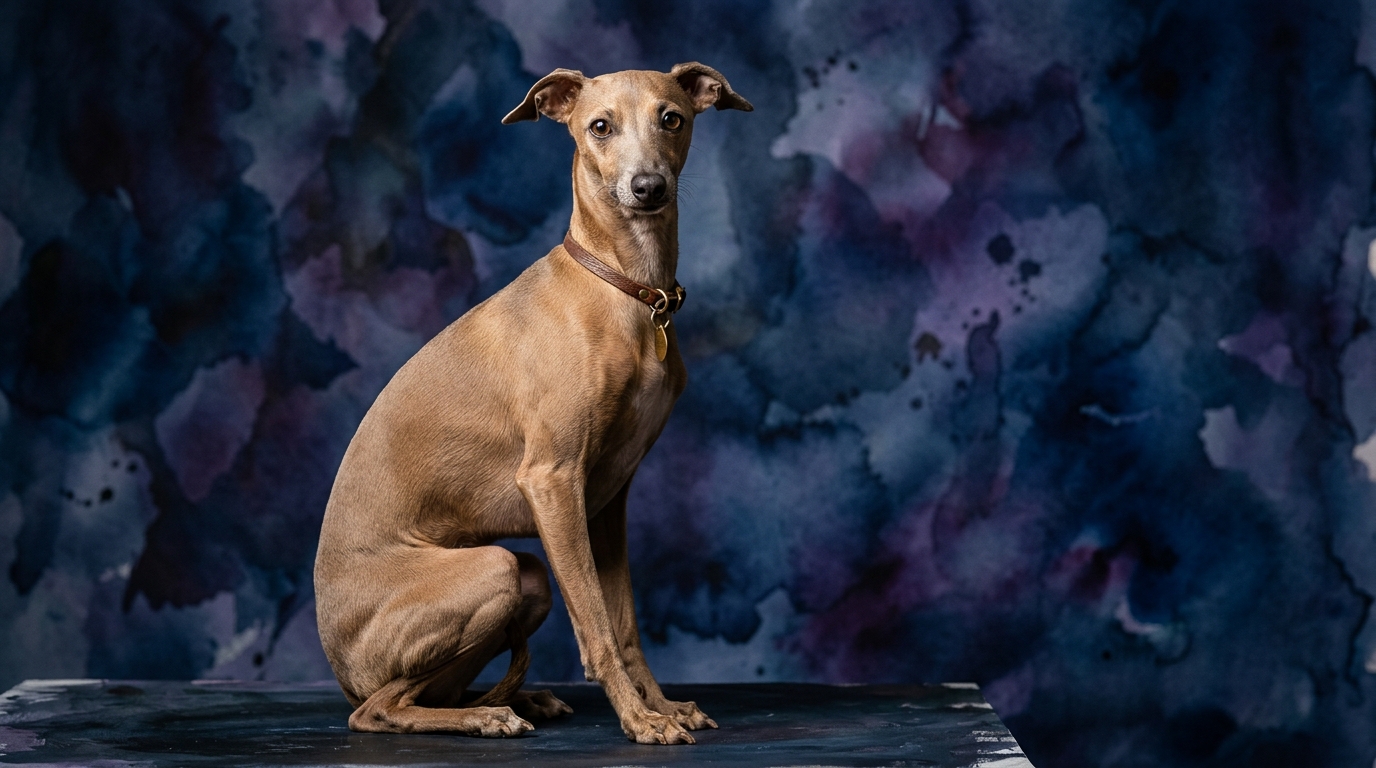
Side-by-Side IQ Profile: Weimaraner vs. Italian Greyhound
Hailing from the Sporting group and securing a respectable Coren rank of #21, the Weimaraner presents a robust cognitive profile. Their Problem Solving (4/5) capabilities are evident in their capacity to decipher complex sequences, such as manipulating latches to open gates or devising routes through new environments, often employing a blend of trial-and-error coupled with a keen memory for successful strategies. Regarding Training Speed (4/5), these dogs typically grasp new commands and routines with impressive alacrity, often requiring fewer repetitions than many other breeds to ingrain learned behaviors firmly. Their Social Intelligence (4/5) allows them to adeptly interpret human cues and intentions, fostering profound bonds and understanding the nuanced social dynamics within a household, making them highly attuned companions. A defining characteristic is their Instinctive Drive (5/5), an exceptionally powerful innate inclination to work, track, and retrieve, directly reflecting their heritage as sophisticated hunting dogs. Finally, their Memory (4/5) is strong, enabling them to retain a broad array of learned commands, intricate routines, and significant experiences over extended periods, which makes cumulative training highly effective.
As a member of the Toy group and not featured on Coren's traditional ranking, the Italian Greyhound offers a distinct, though equally valid, set of cognitive strengths. Their Problem Solving (3/5) skills are generally applied to more straightforward challenges, like locating a treat hidden under a cup, but they might find multi-step or abstract puzzles less intuitive, often relying on established patterns rather than generating novel solutions. In terms of Training Speed (3/5), they learn at a moderate pace, typically thriving with consistent repetition and positive reinforcement to solidify new commands and desired behaviors, valuing a gentle, encouraging approach. Their Social Intelligence (3/5) shines in their deep, often sensitive connections with primary caregivers, displaying an awareness of moods, though they may be more reserved or less overtly communicative with unfamiliar individuals compared to more extroverted breeds. The Instinctive Drive (3/5) in an Italian Greyhound manifests as a sighthound's characteristic urge to pursue small, fast-moving objects, yet this impulse is generally less intense or sustained than that of dedicated working breeds, often satisfied with short, vigorous bursts of play. Their Memory (3/5) supports the recall of basic commands and daily routines, but more complex sequences might necessitate occasional refreshers to remain sharp without regular practice.
Where the Weimaraner Excels Cognitively
The Weimaraner consistently demonstrates cognitive advantages in areas requiring sustained mental effort and a proactive approach. Their superior problem-solving (4/5) is evident when faced with complex environmental challenges, such as figuring out how to open a child-proof gate or systematically disassembling a challenging puzzle toy, often exhibiting a strategic approach. This capacity for intricate thought extends to their remarkable training speed (4/5), allowing them to acquire new skills, from advanced obedience maneuvers to complex agility sequences, with impressive efficiency and fewer repetitions than many other breeds. Furthermore, their highly developed instinctive drive (5/5), rooted in their hunting heritage, provides a powerful internal motivation for structured activities like scent work, tracking, or retrieving, where their natural inclinations are expertly channeled into productive tasks. This combines with a robust memory (4/5), enabling them to retain a vast repertoire of commands, intricate routines, and learned experiences over extended periods, making them exceptional candidates for advanced, long-term training programs and specialized roles.
Where the Italian Greyhound Shines Cognitively
The Italian Greyhound's cognitive strengths often manifest in a more subtle, adaptable manner, aligning well with a companion role. Their moderate problem-solving (3/5), while not geared towards elaborate engineering feats, makes them less likely to 'invent' complex, often unwelcome solutions to household problems, such as attempting to open cabinets or outsmarting pet-proof containers. This often translates into a more straightforward and less demanding household dynamic. Their moderate instinctive drive (3/5) can be a significant advantage for owners who seek a companion less consumed by intense working urges, as they require less constant, high-level mental stimulation to prevent boredom-driven behaviors. Instead of needing a 'job,' their drive is typically satisfied with engaging play and short, focused bursts of activity. While their social intelligence (3/5) might be less outwardly demonstrative than a Weimaraner's, it often translates into a profound, quiet bond with their chosen family members, making them sensitive, empathetic, and often intuitive companions without the demanding need for constant social engagement in complex tasks. This cognitive profile allows Italian Greyhounds to thrive in environments where intricate problem-solving or relentless work isn't a daily necessity, favoring a life of comfortable companionship and gentle interaction over rigorous mental challenges.
Training Dynamics: Which Breed is Easier?
When evaluating ease of training, the Weimaraner generally presents as a more straightforward candidate for a committed and experienced owner, albeit with specific demands. Their impressive training speed (4/5) means they grasp new concepts and commands with remarkable quickness, often requiring fewer repetitions to solidify a behavior. This rapid learning curve is bolstered by their excellent memory (4/5), ensuring that once learned, commands and routines are retained over long periods, allowing for progressive and cumulative training. Crucially, their exceptionally strong instinctive drive (5/5), while requiring significant outlets, translates into an eagerness to work and please when given a task, making them highly motivated participants in training. They respond exceptionally well to consistent, positive reinforcement-based methods that cleverly leverage their natural athleticism and inherent desire for engagement, making them highly capable of advanced obedience, agility, or tracking. However, their high energy and profound drive necessitate a trainer who can channel this enthusiasm constructively, as an unengaged Weimaraner can quickly become a challenge.
The Italian Greyhound, on the other hand, requires a different approach to training, often calling for more patience and understanding from their human companions. Their training speed (3/5) and memory (3/5) are moderate, meaning they typically need more consistent repetition and a longer period to fully embed new commands and behaviors. Owners should not expect the same rapid mastery seen in a Weimaraner. Their moderate instinctive drive (3/5) is less about structured, sustained work and more about short, intense bursts of chase, which means their motivation might be different. Italian Greyhounds can also be quite sensitive, making harsh training methods counterproductive and potentially damaging to their trust and willingness to engage. Training needs to be consistently fun, kept to short sessions to maintain focus, and highly rewarding, ideally using high-value treats or favorite toys. The focus should be on building a positive association with learning rather than expecting strict adherence. Consistency is paramount, and owners must understand their sighthound nature, recognizing that a sudden visual stimulus, like a squirrel, can sometimes temporarily override immediate obedience, requiring extra management and recall training.
Matching Breed Intelligence to Owner Lifestyles
For active owners, the Weimaraner is an almost perfect match. Their inherent high energy levels, powerful instinctive drive (5/5), and significant need for mental engagement, reflected in their problem-solving (4/5) abilities, demand an owner who not only enjoys but actively seeks daily vigorous exercise. This includes long runs, challenging hikes, structured training sessions, and potentially participation in dog sports such as agility, obedience, or tracking, where their natural talents can truly shine. Weimaraners thrive when given a 'job' or a purpose; without sufficient physical and mental outlets, they can quickly become bored, anxious, and prone to destructive behaviors within the home, turning their considerable intelligence toward less desirable pursuits. An active owner understands that a tired Weimaraner is a well-behaved Weimaraner.
Conversely, the Italian Greyhound is a far better fit for relaxed owners who appreciate a more sedate pace of life. While they certainly enjoy playful bursts and short, brisk walks, their overall energy requirements are considerably lower than their larger counterparts. Their moderate instinctive drive (3/5) and problem-solving (3/5) skills mean they are generally content with less intense mental and physical stimulation throughout the day. Italian Greyhounds are typically very happy to curl up on a soft blanket or cuddle on the couch with their human companions, making them wonderfully suitable for individuals or families who prefer a quiet home environment. They still require daily affection, a few short outdoor excursions for potty breaks and a bit of fresh air, and consistent, gentle training, but they do not demand the same level of rigorous activity or constant mental challenges to remain content and well-adjusted.
The Verdict
Select a Weimaraner if you are an experienced, active owner seeking a highly engaged and trainable companion for dog sports, hunting, or extensive outdoor adventures. Be prepared to dedicate significant time to their physical exercise and mental stimulation, leveraging their strong problem-solving and work drive.
Opt for an Italian Greyhound if you desire a gentle, affectionate, and relatively low-maintenance companion who thrives in a cozy home environment. They are best for owners who appreciate their quiet loyalty and can provide consistent, positive training without expecting the same level of rapid skill acquisition or intense work ethic.
🧠 Find Your Pet's IQ Score
Our Pet IQ Lab assessment covers 25+ tests across 5 cognitive dimensions — personalized to your breed.
Take the Full IQ Test →Frequently Asked Questions
Are Weimaraners difficult to live with due to their intelligence?
Weimaraners aren't 'difficult' due to intelligence, but rather due to their high energy and drive which, if not channeled, can lead to problem behaviors. Their cognitive abilities mean they learn quickly, so consistent training and ample mental and physical exercise are crucial for a harmonious household. They need engagement to prevent them from 'inventing' their own entertainment.
Can an Italian Greyhound be trained for advanced obedience?
While an Italian Greyhound may not achieve the same speed or precision as a Weimaraner in advanced obedience, they are certainly capable of learning a wide range of commands and tricks. Success depends on patient, positive reinforcement, short training sessions, and understanding their sighthound nature, which values comfort and chase over strict adherence to commands. Their moderate training speed means owners need more dedication.
Which breed is better for a first-time dog owner?
For a first-time dog owner, the Italian Greyhound might be a more manageable choice due to their lower exercise requirements and less intense working drive. The Weimaraner's significant energy and cognitive needs often require an owner with prior experience in channeling a high-drive breed effectively. However, with commitment to training and understanding breed-specific needs, either can be a rewarding companion.