Side-by-Side Cognitive Profiles: A Deeper Look
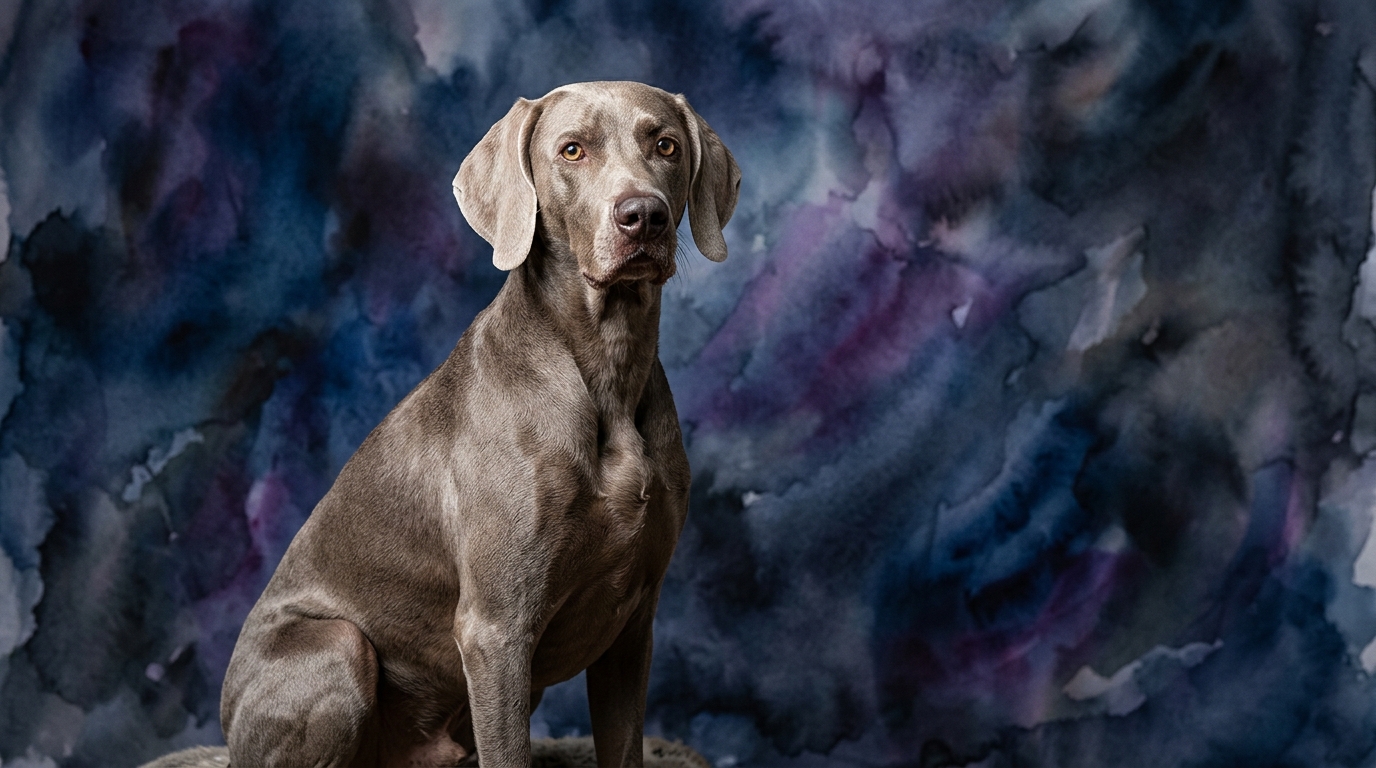
At The Cosmic Pet Pet IQ Lab, we evaluate canine intelligence across five key dimensions, providing a nuanced understanding of each breed’s cognitive strengths. For the Weimaraner, a breed often celebrated for its versatility and striking appearance, its cognitive profile reflects a highly capable and driven mind. Their Problem Solving is rated at 4/5, indicating a strong capacity for independent thought and strategic thinking when faced with obstacles or novel situations. Training Speed scores 4/5, meaning they grasp new commands and concepts with remarkable quickness, often requiring fewer repetitions than many other breeds. Social Intelligence is also 4/5, signifying a keen awareness of human emotions and intentions, enabling them to form deep bonds and navigate complex social dynamics effectively. Their Instinctive Drive stands at an impressive 5/5, pointing to an extremely powerful and persistent urge to hunt, track, and retrieve, often with great independence. Finally, their Memory is rated 4/5, allowing them to retain learned behaviors, complex sequences, and past experiences over considerable periods.
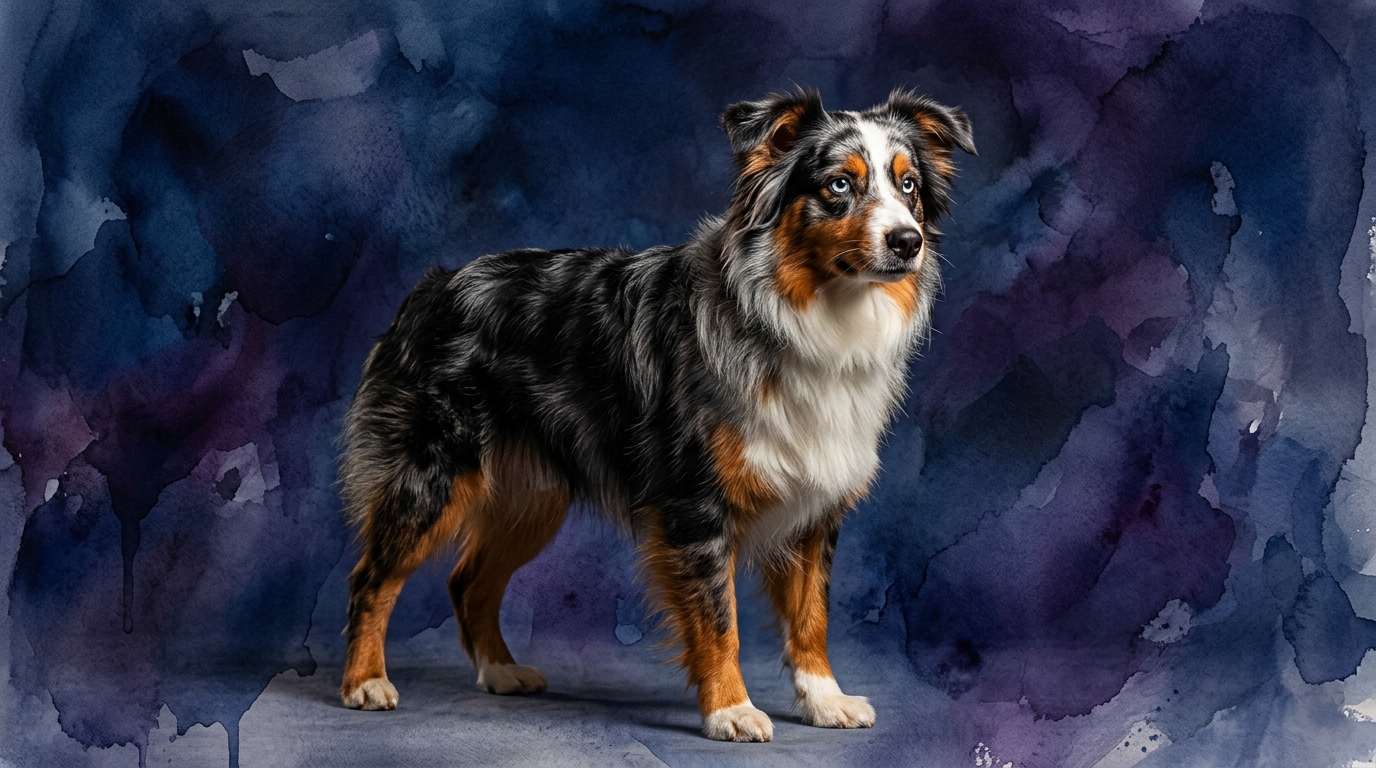
The Miniature American Shepherd, a diligent and agile herding breed, presents a different yet equally functional cognitive blueprint. Their Problem Solving is rated 3/5, suggesting they are competent at sequential problem-solving and learning routines, though they may require more guidance when encountering entirely new or abstract challenges. Training Speed is 3/5, meaning they learn at a steady and consistent pace, benefiting significantly from clear, repetitive instruction and positive reinforcement. Their Social Intelligence is 3/5, indicating an understanding of basic social cues and a strong desire to connect with their primary caretakers, though they might be more reserved than some breeds in broader social settings. Instinctive Drive scores 3/5, reflecting a moderate but focused herding instinct that drives them to work and engage in purposeful activities, without the overwhelming intensity of a high-drive sporting dog. Their Memory is also 3/5, allowing them to retain training and experiences reliably, though less frequently used commands or very intricate sequences might benefit from occasional refreshers.
Where the Weimaraner Excels Cognitively
The Weimaraner's cognitive profile showcases several areas of distinct advantage. Their 4/5 rating in Problem Solving means they don't just react to situations; they often devise solutions. For instance, a Weimaraner might quickly deduce how to manipulate a specific latch to open a gate or strategically move objects to reach a desired toy, demonstrating a sophisticated understanding of cause and effect. This breed’s 5/5 Instinctive Drive is a profound cognitive strength in specific contexts, translating into an almost relentless focus and endurance for tasks involving scent or movement. This isn't merely physical stamina; it's a mental fortitude that allows them to maintain concentration on a task, such as tracking a scent over long distances or retrieving multiple items, with an unwavering intensity that few other breeds can match.
Furthermore, their 4/5 Training Speed and 4/5 Memory work in tandem to make them exceptionally efficient learners. A Weimaraner can often pick up complex multi-step commands after only a few repetitions and reliably recall them weeks or months later. This rapid assimilation and retention of information allow them to progress quickly in advanced obedience, agility, or field trials. Their 4/5 Social Intelligence also gives them an edge in understanding and responding to subtle human cues, often anticipating desires or moods, which can make them seem uncannily perceptive and responsive to their family's needs, often forming very deep, almost intuitive, bonds.
Where the Miniature American Shepherd Shines Cognitively
While the Miniature American Shepherd's scores are generally moderate, their cognitive profile represents a distinct set of advantages, particularly for their intended roles and specific lifestyles. Their 3/5 Instinctive Drive, though lower than a Weimaraner’s, is specifically refined for herding. This means their drive is often more controllable and directed towards working cooperatively with a handler to manage livestock or, in a pet home, to participate in structured activities. This focused drive is a cognitive 'win' because it allows for precision and responsiveness in tasks requiring nuanced control, rather than the broad, independent initiative seen in a high-drive hunting dog.
The Miniature American Shepherd’s 3/5 Social Intelligence, combined with their herding background, equips them with a keen awareness of group dynamics and a strong desire to work in partnership. They are acutely perceptive of their handler's cues and movements, making them highly biddable and attentive companions. This level of social awareness, while perhaps less overtly manipulative than some breeds, fosters a reliable and consistent working relationship. Their moderate scores across Problem Solving (3/5), Training Speed (3/5), and Memory (3/5) also signify a balanced and adaptable intelligence. They are not easily overwhelmed by new situations and approach learning with a methodical, eager-to-please attitude, which can be a significant advantage for owners seeking a consistently reliable and focused companion without the intense cognitive demands of a higher-drive breed.
Trainability: Weimaraner vs. Miniature American Shepherd
When it comes to trainability, the Weimaraner's 4/5 Training Speed means they are exceptionally quick to grasp new concepts and commands. They thrive on challenging, varied training sessions that engage their 4/5 Problem Solving abilities. However, this quick wit can also lead to them becoming bored or 'outsmarting' their owner if training isn't consistent, stimulating, and clear. Their 5/5 Instinctive Drive requires an owner who can channel this intense energy into productive outlets like advanced obedience, tracking, or retrieving, otherwise, it can manifest as independent, sometimes destructive, behaviors. They learn rapidly but demand a handler who is equally sharp and dedicated to providing ample mental and physical engagement.
The Miniature American Shepherd, with a 3/5 Training Speed, learns at a steady, consistent pace, making them very trainable for those who appreciate a more methodical approach. They excel with positive reinforcement, clear communication, and consistent routines. Their 3/5 Problem Solving means they might take a bit longer to generalize commands to entirely new environments, but once they understand a task, they perform it reliably due to their inherent desire to please and work alongside their handler. Their herding background instills a natural responsiveness to cues, making them eager participants in training. While they may not pick up complex sequences as quickly as a Weimaraner, their consistency and focus make them highly rewarding to train for a wide range of activities, from basic obedience to agility and dog sports.
Cognitive Needs for Active vs. Relaxed Owners
For active owners, the Weimaraner is an ideal match. Their 5/5 Instinctive Drive and 4/5 Problem Solving demand extensive physical exercise and constant mental engagement. These dogs thrive when given a 'job,' whether it's advanced obedience, agility, field work, or extended scent games. A Weimaraner needs an owner who can commit to daily rigorous activity and provide intellectual challenges to prevent boredom, which can quickly lead to undesirable behaviors. Their cognitive profile makes them exceptional partners for those seeking a highly capable and driven canine athlete or working companion.
Conversely, the Miniature American Shepherd is better suited for moderately active owners who can provide consistent, but perhaps less intense, daily engagement. With a 3/5 Instinctive Drive and moderate scores across other cognitive dimensions, they enjoy structured activities, regular walks, and learning new tricks, but typically don't require the same level of relentless drive fulfillment as a Weimaraner. They thrive on companionship and routine, making them excellent family dogs for those who enjoy an active lifestyle but don't necessarily have the time or inclination for extreme sports or dedicated working dog pursuits. Their cognitive needs are more manageable, allowing them to adapt well to a comfortable home environment provided they receive regular interaction and moderate activity.
The Verdict
Choose a Weimaraner when you are an active owner seeking a highly driven, quick-thinking partner for advanced training, demanding outdoor activities, or specialized working roles, particularly those involving scent work or retrieving.
Opt for a Miniature American Shepherd when desiring a focused, responsive companion for structured activities, family life, and a moderately active lifestyle, valuing consistent partnership over intense independent drive.
🧠 Find Your Pet's IQ Score
Our Pet IQ Lab assessment covers 25+ tests across 5 cognitive dimensions — personalized to your breed.
Take the Full IQ Test →Frequently Asked Questions
Does a Weimaraner's high instinctive drive make them difficult to manage?
A Weimaraner's 5/5 instinctive drive means they possess a powerful urge to hunt and explore independently, requiring early and consistent training to channel this energy constructively. Without adequate mental and physical outlets, this drive can manifest as restlessness or chasing behaviors, making management challenging for an unprepared owner.
Are Miniature American Shepherds good at learning new tricks?
Miniature American Shepherds, with a 3/5 training speed and problem-solving, are capable and eager learners who enjoy mental engagement and excel at mastering a variety of tricks. They thrive on positive reinforcement and consistent practice, making them delightful partners for trick training, although they might take a bit longer to grasp complex sequences than some higher-ranked breeds.
How does social intelligence differ between these two breeds?
The Weimaraner's 4/5 social intelligence suggests a deep understanding of human social cues and a capacity for forming complex relationships, sometimes even using their charm to get their way. The Miniature American Shepherd's 3/5 social intelligence indicates a responsive, attentive nature focused on their immediate family unit, often expressed through a desire to work alongside and please their handler, though perhaps with less overt social manipulation.