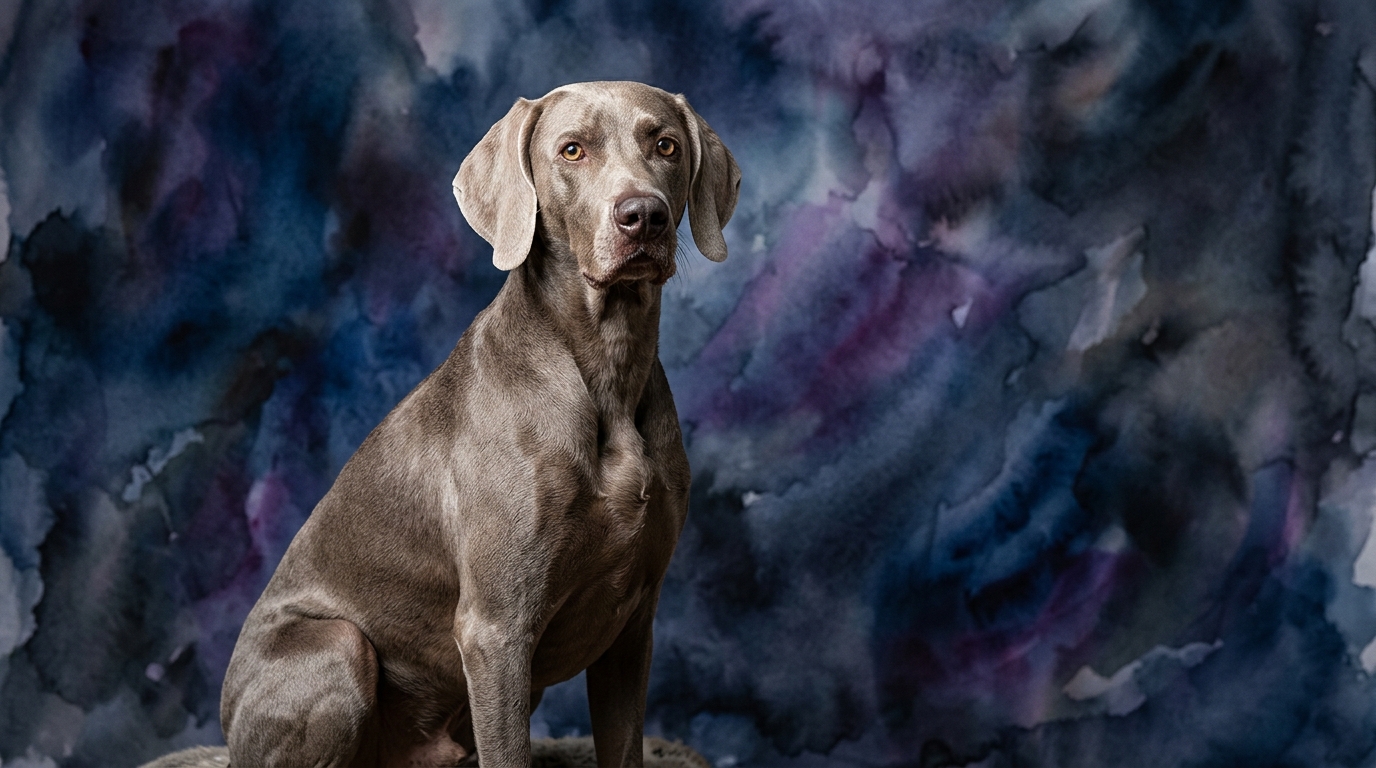
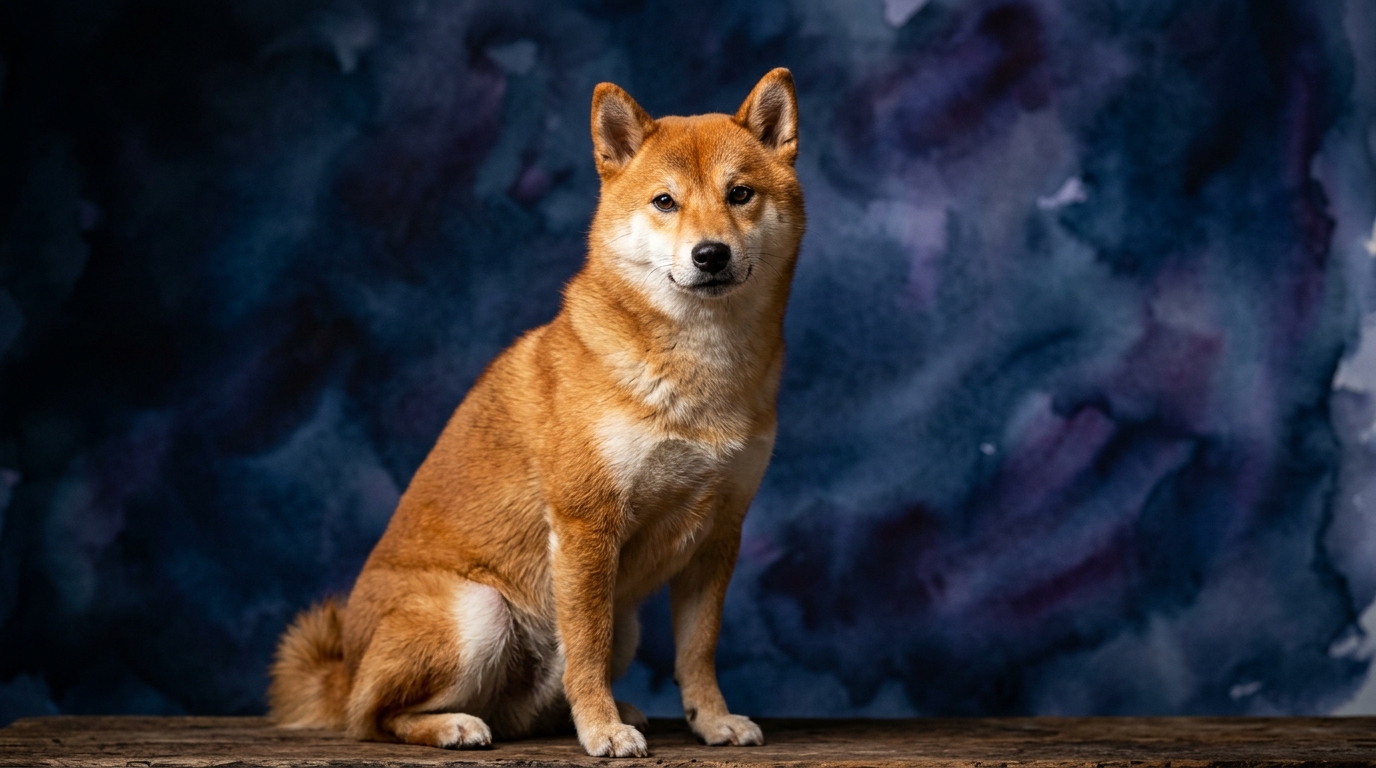
Side-by-Side Cognitive Profile: Weimaraner vs. Shiba Inu
The Weimaraner, a breed developed for hunting, showcases a remarkable cognitive profile. Their Problem Solving at 4/5 indicates a strong aptitude for navigating complex situations and mastering intricate obedience. With a Training Speed of 4/5, they grasp new commands efficiently, often requiring fewer repetitions than many breeds. Their Social Intelligence, also 4/5, highlights their perceptive nature, allowing them to keenly interpret human emotions and foster deep, cooperative bonds. An Instinctive Drive of 5/5 underscores their powerful inherent drive for specific tasks like tracking and retrieving. Finally, their Memory at 4/5 ensures they retain learned information and past experiences effectively.
In contrast, the Shiba Inu, an ancient Japanese breed, presents a distinct set of cognitive strengths. Their Problem Solving, matching the Weimaraner at 4/5, reveals a capable and often independent mind, adept at devising solutions to overcome obstacles. However, their Training Speed of 2/5 suggests they require more repetition, patience, and creative motivation to solidify new behaviors, reflecting their strong-willed nature. A Social Intelligence score of 3/5 means they understand social dynamics but often prefer a more independent stance. Their Instinctive Drive, also a 5/5, fuels powerful primitive urges like hunting small prey and a strong desire for self-preservation. Despite their training speed, their Memory at 4/5 ensures they remember commands and experiences, even if initial learning took dedicated effort.
Where the Weimaraner Wins Cognitively
The Weimaraner's cognitive strengths truly shine in areas demanding rapid skill acquisition and profound social engagement. Their superior Training Speed, rated at 4/5, means they connect actions with consequences quickly, making them exceptionally responsive to instruction. This efficiency facilitates the mastery of complex command sequences and specialized tasks in a relatively short timeframe. This inherent eagerness to learn and please makes them a joy for owners dedicated to progressive training. Furthermore, their Social Intelligence, also at 4/5, allows them to interpret human moods and subtle body language with remarkable nuance. This facilitates a deeper, more cooperative working relationship, enabling them to anticipate owner needs and respond empathetically. They integrate into family dynamics with ease, often seeking to be central to activities and forming incredibly strong, intuitive bonds with their human companions. This blend of quick learning and social attunement makes them highly adaptable to varied human environments.
Where the Shiba Inu Wins Cognitively
While the Shiba Inu's cognitive profile might not feature the same collaborative zeal, their strengths lie in a profound independence and self-reliance. Their Problem Solving score of 4/5, matching the Weimaraner, is often applied with a distinct and cunning autonomy. This breed excels at devising solutions independently, driven by a powerful self-preservation instinct, evident in their 5/5 Instinctive Drive. This combination means they are highly adept at navigating their environment, often finding clever, sometimes mischievous, ways to achieve their own goals, which might not always align with human directives. Their strong instinctive drive fuels a keen awareness of their surroundings and an ability to act decisively without constant human instruction. This unique cognitive approach makes them fascinating companions for those who appreciate a dog with a strong, self-directed inner world.
Which is Easier to Train, and Why?
When evaluating ease of training, the Weimaraner unequivocally holds an advantage due to its integrated cognitive strengths. Their Training Speed of 4/5, coupled with a Social Intelligence of 4/5, creates a dog that is not only quick to understand but also eager to engage in the learning process. Weimaraners thrive on collaborative learning, viewing training as an engaging interaction and a means to strengthen their bond. They typically absorb commands with fewer repetitions and are motivated by praise and the opportunity to work alongside their owner. In contrast, the Shiba Inu's lower Training Speed (2/5) and more independent Social Intelligence (3/5) mean training requires significant patience, consistency, and creative motivation. Shibas often assess whether a command benefits them personally, and their strong-willed nature means they may choose not to comply if they see no immediate reward or personal gain. This isn't a lack of comprehension, but a fundamental difference in motivation. Trainers must be persistent, making sessions engaging, positive, and clear, understanding that a Shiba values its autonomy.
Which Suits Active Owners vs. Relaxed Owners?
The ideal owner profile diverges significantly when considering the activity levels and cognitive engagement each breed requires. The Weimaraner is an ideal companion for highly active owners who enjoy structured outdoor activities and seek a true partner in adventure. Their exceptional Instinctive Drive (5/5) means they thrive with consistent, vigorous exercise, long runs, hiking, and engaging problem-solving tasks that tap into their working dog heritage. They demand a purpose and channel their considerable energy into productive outlets. A relaxed owner might find their persistent need for activity overwhelming, potentially leading to restless behaviors if their cognitive and physical needs are unmet.
The Shiba Inu, while also possessing a comparable Instinctive Drive (5/5), suits owners who appreciate a dog with an independent spirit and moderate, but consistent, activity needs. They enjoy brisk walks, exploring secure environments, and engaging in self-directed play, often with bursts of energy followed by periods of quiet observation. While not a couch potato, their activity often leans towards individual exploration rather than intense, collaborative exertion. A truly relaxed owner might still struggle with their need for mental stimulation and secure boundaries, but the Shiba's activity demands are generally more manageable in terms of shared, high-intensity output compared to the boundless Weimaraner.
The Verdict
Choose a Weimaraner if you seek a highly trainable, socially perceptive companion eager for collaborative tasks, consistent exercise, and a strong partnership in an active lifestyle.
Choose a Shiba Inu if you value an independent, clever, and self-possessed companion who enjoys exploring, requires patience in training, and thrives with an owner who respects their unique, often cat-like, personality.
🧠 Find Your Pet's IQ Score
Our Pet IQ Lab assessment covers 25+ tests across 5 cognitive dimensions — personalized to your breed.
Take the Full IQ Test →Frequently Asked Questions
Are Weimaraners good with children?
Their high social intelligence and desire to be part of the family often make them good companions for older, respectful children who understand how to interact with dogs. Early socialization and training are essential to guide their enthusiastic nature.
Do Shiba Inus bark a lot?
Shiba Inus are not typically excessive barkers, but they are known for the "Shiba scream" – a high-pitched vocalization expressed when excited, distressed, or sometimes just when they don't want to do something. They also use a variety of other sounds to communicate.
How much exercise does a Weimaraner need daily?
Weimaraners require a substantial amount of daily exercise, typically 1-2 hours of vigorous activity, such as running, hiking, or mentally stimulating training sessions. Their high instinctive drive means consistent physical and mental outlets are crucial for their well-being.