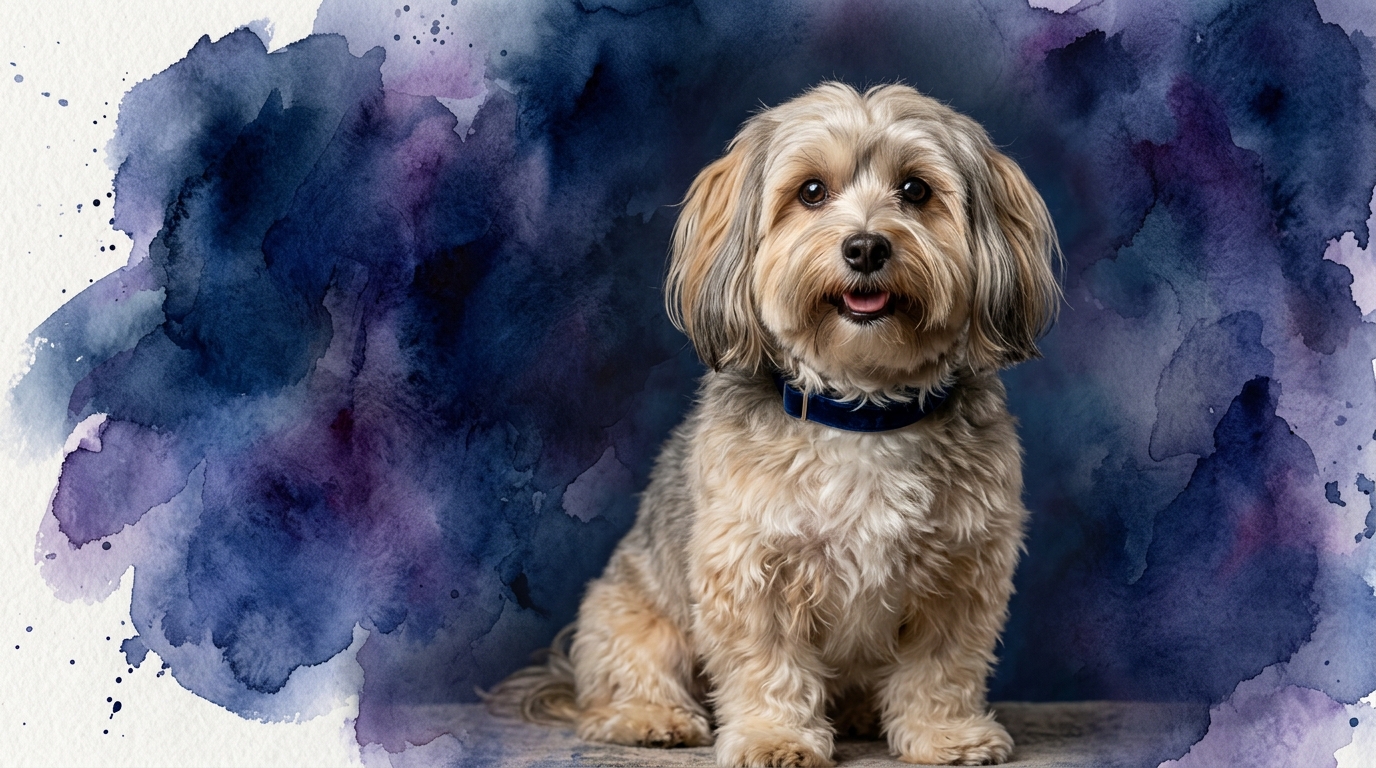
Havanese: A Legacy of Social Connection from Cuba
Originating from Cuba, the Havanese is not just any charming toy breed; they are steeped in a unique history that has shaped their particular brand of cognitive ability. As the national dog of Cuba and the only dog breed native to the island, their very existence speaks to their enduring spirit. These beloved companions were nearly extinct after the Cuban Revolution but were thankfully saved by emigrant Cubans who lovingly brought them to the United States, preserving their lineage and distinct qualities. This history of close human companionship, often in intimate family settings, has undoubtedly fostered their keen observational skills and deep relational intelligence.
While their small stature and plush coats might suggest a purely ornamental role, the Havanese consistently demonstrate an impressive capacity for connection and understanding. Unlike breeds developed for specific hunting or herding tasks, their intelligence evolved within the sphere of human interaction, making them masters of social dynamics and household harmony. They are a Toy group dog, typically small in size, but their mental presence is anything but diminutive.
The Havanese Intelligence Profile: Masters of Social Mapping
When we look at the Havanese through the Pet IQ Lab lens, we see a specific and nuanced intelligence profile that truly shines in a family environment. We often describe their primary intelligence angle as 'social mapping intelligence' — a remarkable ability to memorize the routines, preferences, and even emotional states of every family member. This isn't just general affection; it's a sophisticated internal database of individual human traits. Their Problem Solving rates around 3/5, demonstrating a capacity for navigating household challenges and learning new tasks. Their Training Speed also sits at a solid 3/5, meaning they can pick up commands and routines with moderate repetition and clear guidance.
Where the Havanese truly excels is in Social Intelligence, scoring an impressive 5/5. This high mark reflects their uncanny ability to read and respond to human cues, adapting their behavior individually to each person in their life. Their Instinctive Drive, at 2/5, means they aren't typically driven by strong predatory or territorial urges, making them highly adaptable to varied living situations. Finally, their Memory, at 3/5, supports their social mapping, allowing them to retain complex information about their environment and the people within it over time. They are, in essence, highly perceptive members of your social fabric.
Decoding Havanese Social Mapping Intelligence in Action
What does 'social mapping intelligence' look like in your daily life with a Havanese? It's the subtle dance of a dog who seems to instinctively know when you're busy with a work call and will quietly settle nearby, versus when you're relaxing on the couch and ready for a playful interaction. They might greet one family member with exuberant barks and tail wags, but approach another with a gentle nuzzle, having learned the preferred interaction style of each. This isn't coincidence; it's a finely tuned adaptation based on countless observations.
A Havanese might learn that Dad is the early riser who enjoys a quiet coffee, so they'll gently nudge his hand rather than demand a boisterous play session. Conversely, they might know that the kids are always up for a game of fetch after school, so they'll eagerly bring a toy to the door. This personalized approach to interaction fosters incredibly strong bonds and makes them feel like truly understood companions, as they are actively working to understand you.
Training a Havanese: Beyond Basic Commands
Given their balanced training speed and high social intelligence, training a Havanese can be a rewarding experience that extends far beyond typical obedience. They show a genuine desire to engage and please their people, which often translates into eagerness during training sessions. Their ability to solve problems means they're capable of more complex sequences and tricks, not just rote memorization. Positive reinforcement methods work exceptionally well with Havanese, as they thrive on praise and the satisfaction of a shared accomplishment with their human.
Incorporating their social intelligence into training can yield remarkable results. They often learn quickly when they understand the 'why' behind a command – perhaps it helps their favorite person, or earns them a coveted cuddle. Their observational skills also mean they pick up on subtle cues you might not even realize you're giving, making for highly responsive pets. Think of training as a continuous dialogue, building on their innate desire to connect and understand.
Enriching Your Havanese's Mind
To keep your Havanese mentally engaged and thriving, focus on activities that leverage their natural strengths. Because their social intelligence is so high, consistent, positive interaction with their family is paramount. Daily walks offer not just physical exercise but also opportunities for novel sensory experiences, which can be mentally stimulating. Interactive puzzle toys that require problem-solving to release treats are also excellent for their cognitive development, providing a fun challenge for their minds.
Beyond toys, consider engaging them in simple dog sports like rally obedience or even therapy work. Their calm demeanor and perceptive nature make them excellent candidates for visiting hospitals or nursing homes, offering comfort to others. These activities not only provide mental stimulation but also reinforce their natural inclination towards positive social engagement, making them wonderfully fulfilled companions.
3 At-Home Tests to Measure Your Havanese's IQ
These tests are adapted from peer-reviewed ethology research. No equipment is needed beyond items you have at home. Run each test 5–10 times for reliable results.
The Myth: "Havanese are too small and social to function as working or training dogs."
✅ While not bred for traditional 'work' like herding or guarding, Havanese exhibit problem-solving skills and a strong desire to please their people, making them quite capable training partners. Their keen observational abilities mean they pick up on cues quickly, and they can excel in dog sports like agility, rally, or even perform complex trick routines, proving their intelligence extends well beyond being just a lapdog. Their high social intelligence makes them very attuned to human direction.
Havanese vs. Similar Breeds
🧠 What's Your Dog's IQ Score?
Our full Pet IQ Lab assessment includes 12+ tests across 5 cognitive dimensions, calibrated for Havaneses specifically.
Take the Full IQ Test →Frequently Asked Questions
Are Havanese good at learning tricks?
Yes, Havanese show good training speed and enjoy the mental engagement of learning new tricks and commands. Their desire to please their human companions makes them enthusiastic students, especially when positive reinforcement is used.
Do Havanese need a lot of mental stimulation?
Havanese thrive on consistent social interaction and moderate mental challenges. While they don't require intense 'work,' daily walks, puzzle toys, and engaging training sessions that leverage their social mapping intelligence are crucial for their well-being and happiness.
The Havanese is a prime example of how canine intelligence comes in many fascinating forms, proving that small dogs can possess truly profound cognitive abilities. Their unique social mapping intelligence allows them to weave themselves deeply into the fabric of your family, understanding and adapting to each person with remarkable insight and affection.