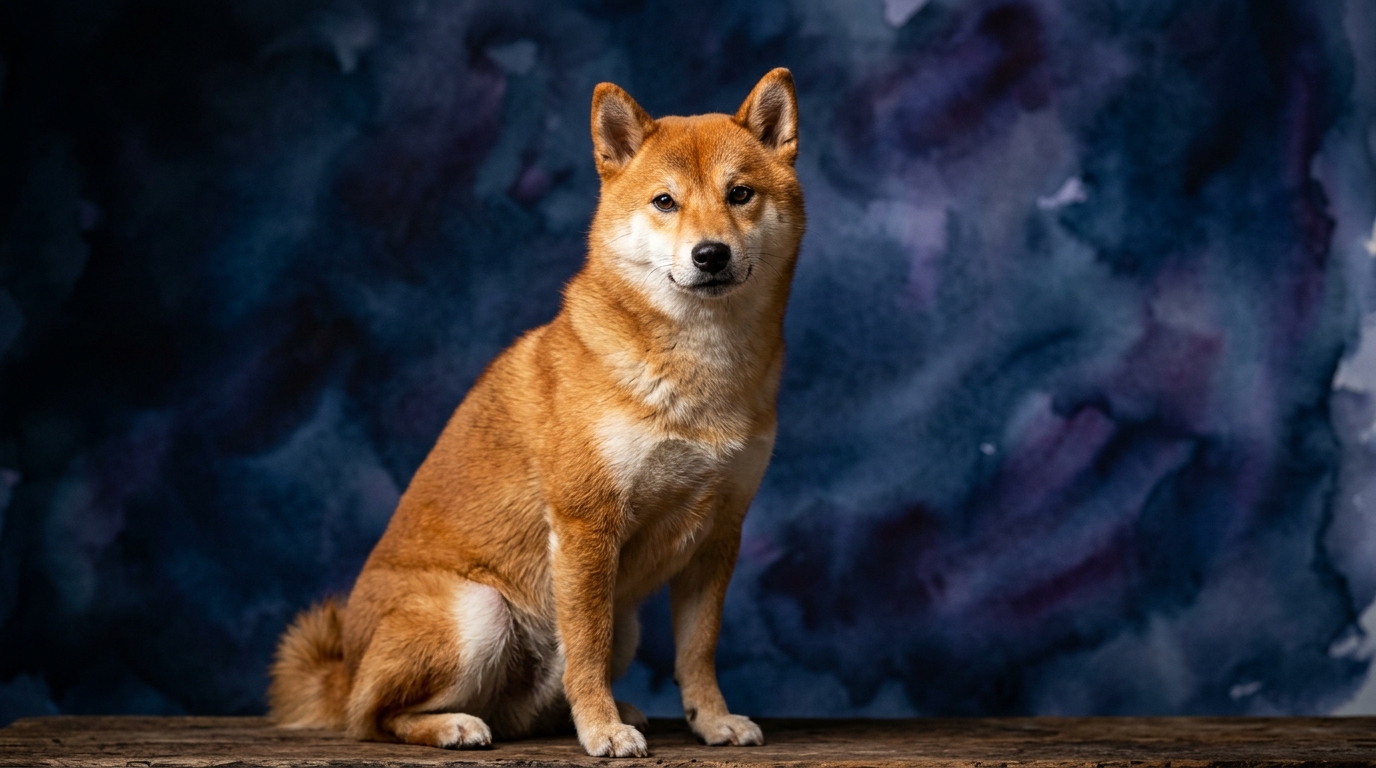
Decoding the Shiba Inu's Ancient Mind
In the realm of canine cognition, the Shiba Inu stands as a fascinating enigma. Unlike many breeds selectively bred for eager cooperation and complex obedience tasks, the Shiba’s intelligence is a reflection of its deep, ancestral roots. Their problem-solving abilities stem from a self-reliant worldview, a distinct intelligence that prioritizes resourcefulness and independent thought.
To understand a Shiba's intellect, we must look beyond conventional metrics that often favor responsiveness to human commands. Their sharp minds are honed by thousands of years of natural selection, resulting in a dog whose cognitive patterns are uniquely suited for observation, strategic action, and a profound understanding of their surroundings, rather than simply seeking approval.
The Shiba Inu Intelligence Profile: A Deeper Look
The Cosmic Pet's Pet IQ Lab assesses canine intelligence across five key dimensions, offering a nuanced view of what makes each breed special. For the Shiba Inu, this profile paints a picture of cunning, independence, and strong instincts:
**Problem Solving (4/5):** Shiba Inus excel at navigating complex situations, often devising inventive, sometimes unexpected, solutions to challenges. This isn't about following a path; it's about creating one. Their ingenuity in figuring out how to open gates, find hidden treats, or outsmart perceived obstacles is a testament to their sharp wits.
**Training Speed (2/5):** This lower score doesn't indicate a lack of intelligence, but rather a strong sense of independence and selective motivation. Shiba Inus will learn quickly if they see the value in it, but they're not naturally inclined towards rote obedience. They weren't formally ranked in Coren's obedience scale, which typically measures compliance-based learning, highlighting their unique approach to training.
**Social Intelligence (3/5):** Shibas are astute observers of social dynamics, both human and canine. They understand hierarchies and intentions but may choose to engage on their own terms, often displaying a reserved elegance rather than overt enthusiasm. Their social awareness is deep, even if their interaction is selective.
**Instinctive Drive (5/5):** This is where the Shiba's ancient lineage truly shines. Their prey drive, territorial awareness, and keen sense of their environment are exceptionally strong. These instincts guide many of their cognitive decisions, making them alert, protective, and highly aware of changes in their surroundings.
**Memory (4/5):** Shiba Inus possess an excellent memory, quickly learning routines, remembering past interactions, and recalling places or people. This contributes to their problem-solving and can be a powerful asset in training, provided lessons are positive and engaging.
Echoes of the Wild: Unpacking the Shiba's Basal Roots
To truly appreciate the Shiba Inu's unique cognitive makeup, one must delve into their ancient heritage. These aren't just old dogs; they are living links to the earliest days of canine domestication. Their intelligence is less about modern human-dog partnership and more about primordial survival.
It's a testament to their endurance that **DNA analysis places the Shiba Inu among the basal dog breeds most closely related to the grey wolf — they diverged from wolves over 9,000 years ago and retain distinctly wolf-like problem-solving patterns.** This profound connection to their wild ancestors explains much of their independent nature, their resourcefulness, and their often-strategic approach to daily life. They are thinkers, not just followers.
Beyond Stubborn: Redefining Shiba Intelligence
What some owners might perceive as stubbornness in a Shiba Inu is, in fact, a sophisticated expression of their independent intelligence. When a Shiba appears to ignore a command, they are often processing the request, evaluating its personal benefit, and then making an informed decision about compliance. This isn't defiance; it's deliberation.
Their 'cat-like' demeanor, often cited for their fastidious self-grooming, reserved interactions, and independent nature, further underscores their unique cognitive style. Unlike many breeds that thrive on constant human interaction and validation, Shibas are comfortable in their own company, observing the world with a calm, discerning eye. This self-sufficiency is a hallmark of their ancient, wolf-like mind, capable of thriving without constant external direction.
3 At-Home Tests to Measure Your Shiba Inu's IQ
These tests are adapted from peer-reviewed ethology research. No equipment is needed beyond items you have at home. Run each test 5–10 times for reliable results.
The Myth: "Shiba Inus are too stubborn and cat-like to be intelligent family dogs"
✅ Shiba Inus possess a sophisticated, self-reliant intelligence rooted in their ancient lineage. While they may not demonstrate intelligence through eager, people-pleasing obedience, their capacity for independent problem-solving, strategic thinking, and profound environmental awareness is substantial. They are exceptionally capable companions for those who appreciate and understand their unique, self-possessed cognitive style, proving they are intelligent in their own distinctive way.
Shiba Inu vs. Similar Breeds
🧠 What's Your Dog's IQ Score?
Our full Pet IQ Lab assessment includes 12+ tests across 5 cognitive dimensions, calibrated for Shiba Inus specifically.
Take the Full IQ Test →Frequently Asked Questions
Are Shiba Inus difficult to train?
Shiba Inus are not necessarily difficult to train, but they require a different approach. Their independent nature means they respond best to positive reinforcement, patience, and making training enjoyable and beneficial for them. They often weigh commands against their own perceived value, so consistency and high-value rewards are key to success.
Do Shiba Inus get along with other pets?
Shiba Inus can get along with other pets, especially if socialized extensively from a young age. However, their strong instinctive drive, including a high prey drive, means careful introductions and supervision are crucial, particularly with smaller animals. They often prefer to be the sole canine focus in the home, or with another dog of a similar assertive energy level.
How do I mentally stimulate my Shiba Inu?
Mental stimulation for a Shiba Inu should focus on activities that engage their problem-solving and instinctive drives. Puzzle toys, scent work, trick training that challenges their cleverness, and controlled outdoor exploration that allows them to use their senses are all excellent ways to keep their sharp minds engaged and prevent boredom.
What makes Shiba Inu intelligence 'ancient feral'?
Shiba Inu intelligence is considered 'ancient feral' because their cognitive patterns closely resemble those of their wild ancestors, having diverged from wolves over 9,000 years ago. This means their minds are hardwired for self-sufficiency, acute environmental awareness, and independent problem-solving, rather than the collaborative, human-dependent intelligence seen in many modern breeds.
The Shiba Inu's intelligence is a compelling blend of ancient wisdom and independent spirit, reminding us that canine brilliance takes many forms. By understanding and respecting their unique cognitive blueprint, owners can forge an incredibly rewarding and insightful bond with these captivating dogs.