Side-by-Side Cognitive Profiles
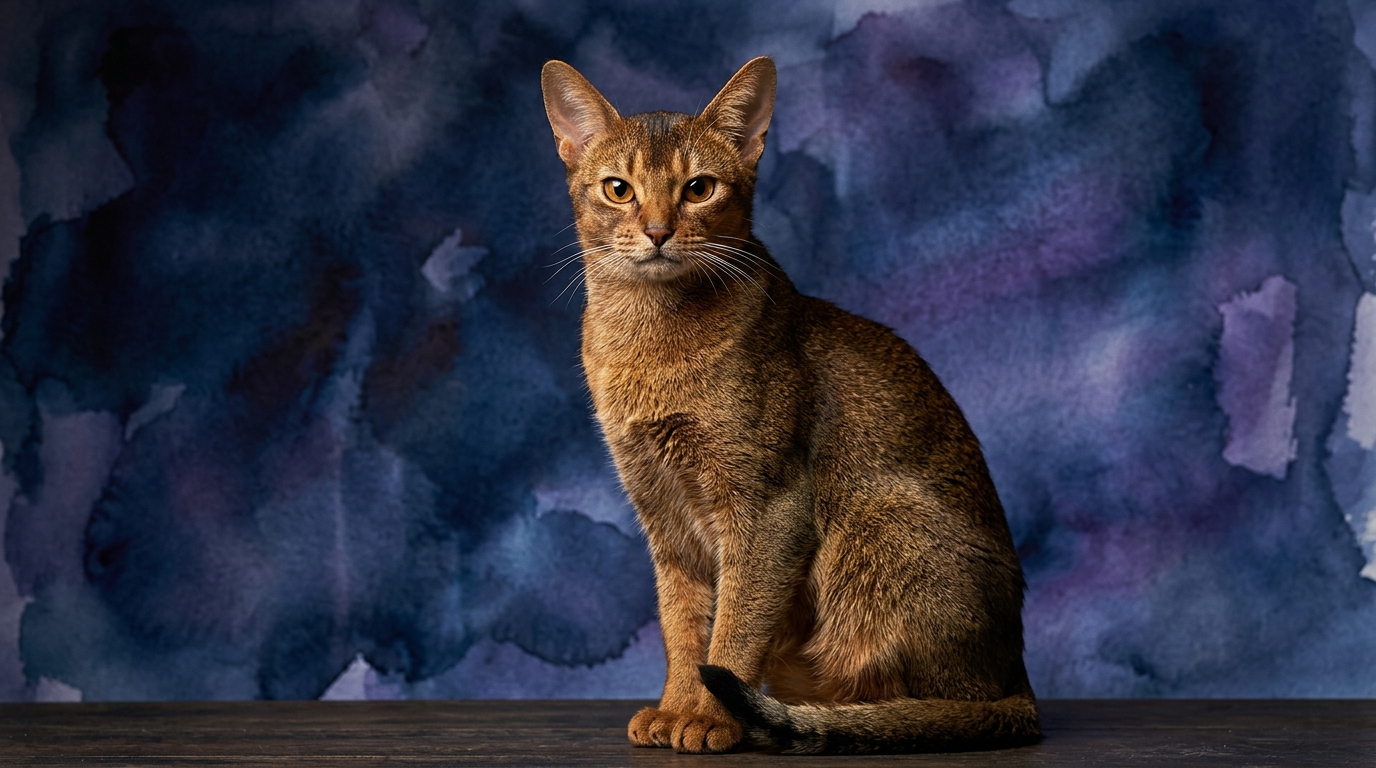
The Cosmic Pet Pet IQ Lab provides a detailed framework for understanding the unique mental architectures of our feline companions. For the Abyssinian, we observe a robust set of cognitive strengths: Problem Solving 5/5, Training Speed 5/5, Social Intelligence 4/5, Instinctive Drive 5/5, and Memory 5/5. This profile paints a picture of a cat with exceptional mental capabilities, consistently engaging with its environment and learning at an impressive pace.
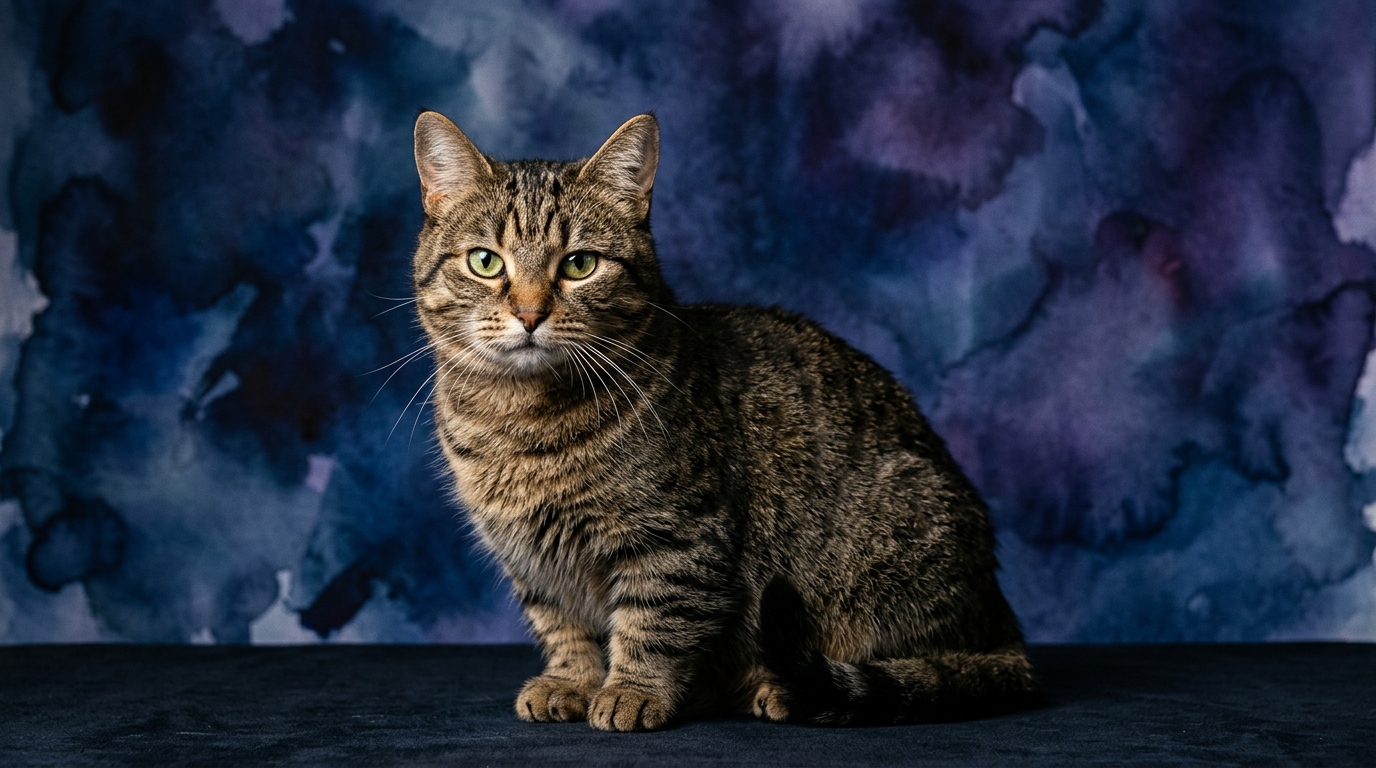
In contrast, the Munchkin's cognitive profile presents a more moderate, yet equally charming, set of abilities: Problem Solving 3/5, Training Speed 3/5, Social Intelligence 3/5, Instinctive Drive 3/5, and Memory 3/5. These scores indicate a cat that is capable, adaptable, and affectionate, but without the intense cognitive demands or rapid-fire learning style of its high-scoring counterpart. Understanding these differences is key to appreciating each breed's individual charm and suitability for various lifestyles.
Where the Abyssinian Excels Cognitively
The Abyssinian's cognitive superiority is particularly evident in its remarkable problem-solving capabilities. Unlike many felines who might give up on a complex puzzle, an Abyssinian will methodically experiment with different approaches, demonstrating a profound capacity for logical deduction and strategic thinking to achieve its goals, whether it's accessing a treat dispenser or navigating a novel environment. This breed's instinctive drive, rated at a perfect 5/5, fuels this intellectual curiosity, compelling them to constantly explore and interact with their surroundings in a mentally stimulating way. This isn't mere restlessness; it's an active mental engagement with their world, seeking out new stimuli and challenges. Furthermore, their superior memory allows them to retain these problem-solving strategies and environmental layouts, building a rich internal map of their world and learning from past experiences with exceptional recall. This means once an Abyssinian figures something out, they rarely forget it, making successive challenges easier to overcome and contributing to their reputation for being exceptionally clever and resourceful.
Where the Munchkin's Profile Shines
While the Munchkin's cognitive scores are generally more moderate compared to the Abyssinian, their particular blend of intelligence presents its own unique advantages, especially for certain living situations. Their 3/5 in social intelligence suggests a delightful adaptability without the intense demands for constant, complex interaction that some more cognitively driven breeds might exhibit. Munchkins are typically good-natured and enjoy company, offering affectionate companionship that is straightforward and undemanding, fostering a harmonious household dynamic. Their moderate instinctive drive means they are less likely to engage in the high-energy, constant exploration that could lead to mischievous behaviors in a less stimulating environment. This translates to a more placid and predictable presence in the home, where their curiosity is satisfied with simpler play and exploration, rather than a relentless pursuit of new intellectual challenges. Furthermore, their 3/5 in training speed and memory, while not exceptionally rapid, indicates a capacity for learning and retaining basic commands and routines. This means they are perfectly capable of being litter-trained, leash-trained, and taught household manners with consistent, patient reinforcement, without the potential for outsmarting their owners or boredom-driven mischief that can sometimes accompany higher cognitive faculties.
Trainability: Abyssinian vs. Munchkin
Based on The Cosmic Pet Pet IQ Lab's metrics, the Abyssinian unequivocally presents as the easier breed to train. Their perfect 5/5 rating in training speed means they grasp new concepts and commands with exceptional rapidity, often requiring fewer repetitions to solidify a learned behavior. This is further amplified by their 5/5 problem-solving ability; an Abyssinian isn't just memorizing a trick, they are often understanding the underlying mechanics or intent, which allows for more adaptable and robust learning. For instance, an Abyssinian might quickly generalize a 'fetch' command from one toy to another, or figure out how to operate a treat puzzle after only a few demonstrations. Their superior memory ensures that once learned, these behaviors are retained long-term, reducing the need for constant re-training.
In contrast, the Munchkin, with its 3/5 training speed, requires a more patient and consistent approach. While certainly trainable, they benefit from shorter, more frequent training sessions and clear, unambiguous cues. A Munchkin might need more consistent practice to reliably perform a trick, and their problem-solving approach is more direct, less inclined to complex deduction. For example, teaching a Munchkin to 'sit' might involve physically guiding them into position more often initially, whereas an Abyssinian might pick up the verbal cue and associated gesture almost immediately. The Abyssinian's inherent drive to engage and explore also translates into a greater enthusiasm for interactive training, viewing it as a stimulating mental exercise rather than a mere chore.
Matching Feline Intelligence to Owner Lifestyles
For owners seeking an active, intellectually engaged companion, the Abyssinian stands out as an ideal match. Their 5/5 instinctive drive means they thrive on constant mental and physical stimulation, making them perfect for households that enjoy interactive play, puzzle toys, and even leash training for outdoor adventures. An Abyssinian will actively seek out engagement, often initiating play or 'helping' with household tasks, requiring an owner who is willing and able to provide consistent mental enrichment to prevent boredom. Their sharp problem-solving skills mean they will appreciate challenging toys and new experiences, making them excellent companions for those who enjoy teaching complex tricks or engaging in agility-like activities.
Conversely, the Munchkin, with its moderate 3/5 instinctive drive and more relaxed cognitive profile, is better suited for owners who prefer a more placid and low-key feline companion. While they enjoy play and interaction, their demands for constant stimulation are less intense. A Munchkin will happily cuddle on the couch, engage in gentle play sessions, and generally adapt well to a quieter home environment. Their curiosity is present but typically satisfied with simpler forms of entertainment, making them a wonderful choice for individuals or families who appreciate a friendly presence without the need for an elaborate schedule of intellectual activities.
The Verdict
Choose an Abyssinian if you are an active owner seeking a highly interactive and mentally stimulating companion who thrives on complex challenges and rapid learning. This breed flourishes with consistent engagement and opportunities to exercise its exceptional problem-solving and memory skills.
Opt for a Munchkin if you prefer a more relaxed, affectionate companion whose cognitive demands are moderate, fitting seamlessly into a quieter home where straightforward play and gentle companionship are valued above intense intellectual pursuits.
🧠 Find Your Pet's IQ Score
Our Pet IQ Lab assessment covers 25+ tests across 5 cognitive dimensions — personalized to your breed.
Take the Full IQ Test →Frequently Asked Questions
Are Abyssinians good with children?
Abyssinians, with their 4/5 social intelligence, are generally adaptable and can be good with respectful children who understand how to interact gently with cats. Their playful and curious nature means they often enjoy engaging with family members, but supervision is always recommended to ensure positive interactions for both cat and child.
Do Munchkins require special care due to their short legs?
Munchkins are generally healthy cats, and their short legs do not typically require special care beyond ensuring easy access to elevated areas like beds or litter boxes. While they can jump, they might appreciate ramps or steps to reach higher spots, and their activity levels are naturally a bit lower.
Can Munchkins be trained to do tricks?
Absolutely, Munchkins can certainly be trained to perform tricks, though their 3/5 training speed means it may take more patience and consistent repetition compared to some other breeds. Positive reinforcement methods work best, and their affectionate nature often makes them eager to please their owners during training sessions.