A Side-by-Side Look at Cognitive Profiles
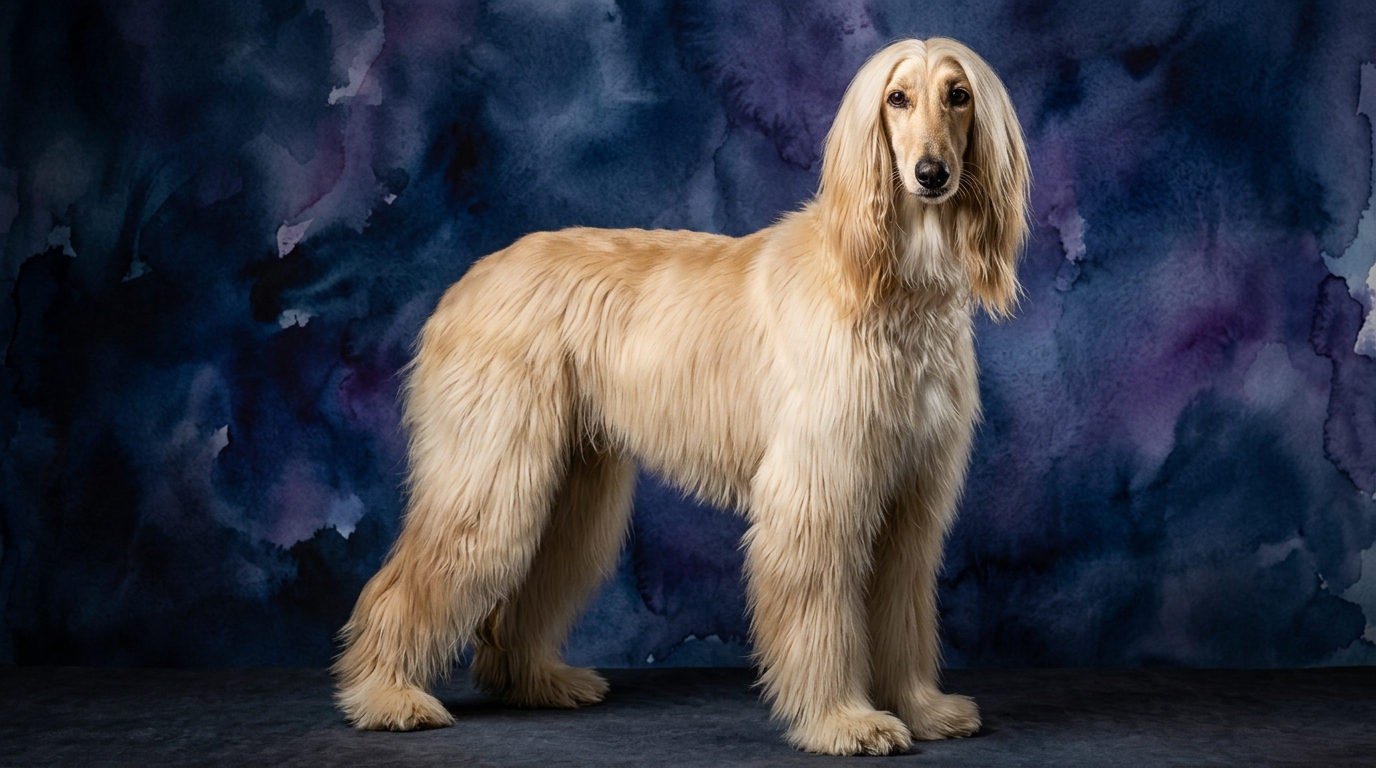
To truly understand the mental makeup of these two distinct breeds, we delve into five key dimensions of intelligence, offering a granular view beyond simple labels. The Afghan Hound, with its long lineage as a hunter in challenging terrains, presents a profile geared towards autonomous action and visual acuity. Its problem-solving capacity registers at a notable 4/5, indicating a strong ability to independently figure out complex situations, particularly those related to pursuit and navigation in varied environments. However, its training speed is a low 1/5, reflecting a strong independent streak and a tendency to prioritize self-directed pursuits over human-initiated commands. Social intelligence for the Afghan Hound is rated at 2/5, suggesting a reserved nature; they form deep bonds with their immediate family but can be aloof with strangers, often preferring their own company. Their instinctive drive is exceptionally high at 5/5, dominated by a powerful prey drive and an inherent need to run and chase. Memory is an average 3/5, sufficient for recalling routines and significant events, but perhaps not for a vast repertoire of complex obedience commands.
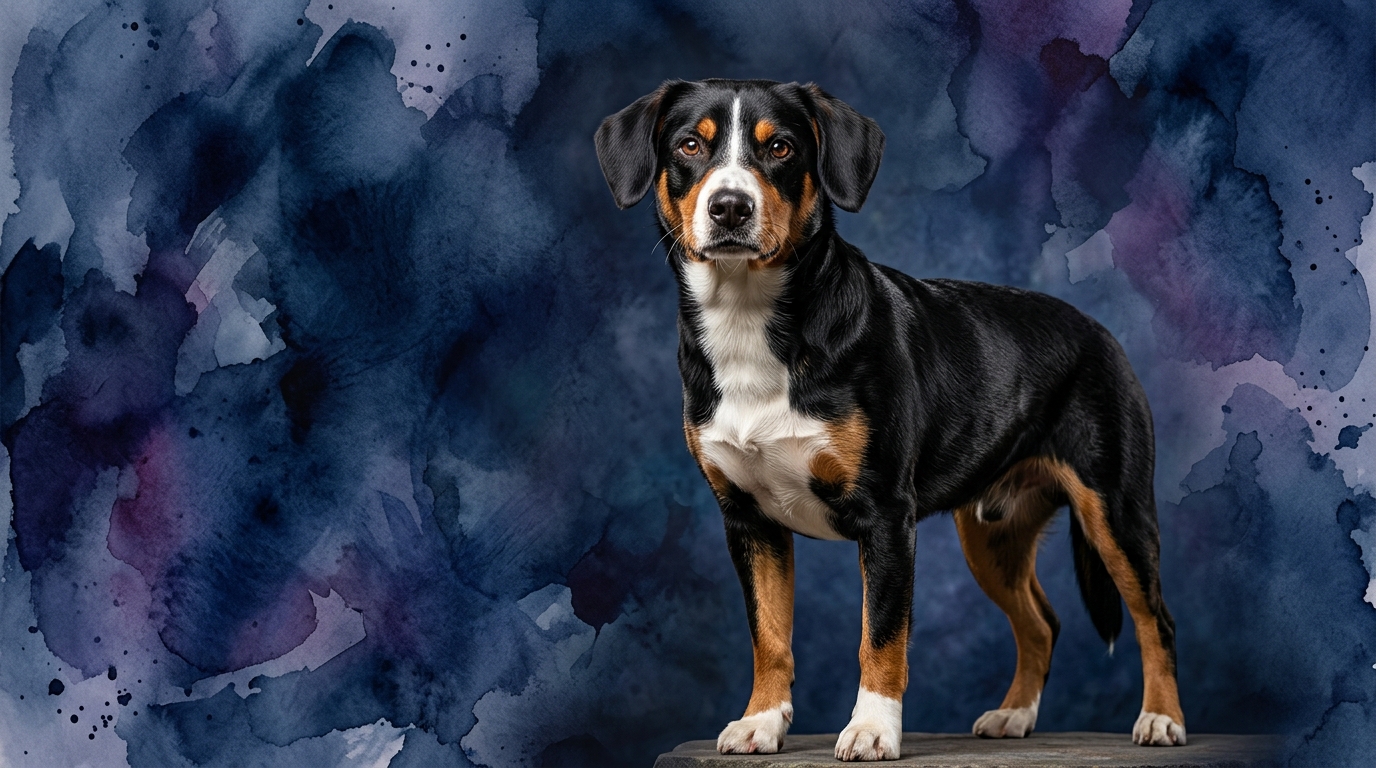
The Entlebucher Mountain Dog, a robust herding and farm dog from the Swiss Alps, showcases a more balanced and collaborative cognitive set, shaped by centuries of working alongside humans. Its problem-solving ability stands at 3/5, demonstrating practical intelligence for tasks like managing livestock or navigating familiar territories, often seeking solutions within a defined context rather than purely independent exploration. The Entlebucher’s training speed is a moderate 3/5, indicating a reasonable aptitude for learning and retaining commands when motivated and consistently engaged. Social intelligence is also a balanced 3/5; they are loyal and attentive to their families, capable of reading human cues, and generally watchful but not overly outgoing with unfamiliar individuals. Their instinctive drive is 3/5, encompassing a strong desire to herd, guard, and protect their family and territory, though not with the singular focus of a sighthound's prey drive. Memory for the Entlebucher is also rated at 3/5, allowing them to recall learned tasks, social interactions, and routines effectively for their working and companion roles.
Where the Afghan Hound Cognitively Excels
The Afghan Hound’s cognitive strengths lie in its exceptional capacity for independent problem-solving and its unparalleled instinctive drive, particularly in visual hunting scenarios. Their 4/5 rating in problem-solving isn't about solving human-devised puzzles, but about making rapid, autonomous decisions in dynamic, open environments. Imagine an Afghan Hound navigating complex terrain, identifying a distant moving object, and calculating the most efficient pursuit path—this requires sophisticated spatial reasoning and quick, self-directed tactical adjustments, all without human input. Their 5/5 instinctive drive means they are supremely focused on their primal purpose; this singular intensity allows for incredible endurance and persistence when engaged in a chase. This cognitive specialization means they are masters of their ancestral craft, demonstrating a profound understanding of their environment from a sighthound's perspective, relying on sight and speed to achieve their goals. This keen observational ability and capacity for independent action are their true mental advantages, allowing them to thrive in roles where self-reliance is paramount.
Where the Entlebucher Mountain Dog Cognitively Shines
The Entlebucher Mountain Dog’s cognitive advantages are rooted in its balanced and adaptable intellect, making it a versatile and reliable partner. Its moderate 3/5 scores across problem-solving, training speed, social intelligence, and memory signify a well-rounded mental profile suited for collaborative work and family integration. The Entlebucher excels in practical, task-oriented problem-solving, such as figuring out how to move a flock or alerting its family to unusual activity within its territory. Unlike the Afghan Hound's independent solutions, the Entlebucher's problem-solving often involves understanding and reacting to its human handler's intentions or the dynamics of its 'flock.' Their 3/5 training speed means they are receptive to learning and enjoy having a purpose, which translates into a dog that is generally more willing to engage in structured activities and follow commands. This adaptability, combined with their moderate social intelligence, allows them to integrate smoothly into a family structure, understanding social cues and forming strong, responsive bonds. Their balanced instinctive drive for herding and guarding provides a purposeful framework for their cognitive functions, making them excellent watchdogs and devoted companions.
Which Breed is Easier to Train, and Why?
Between these two breeds, the Entlebucher Mountain Dog is demonstrably easier to train due to significant differences in their cognitive makeup and motivational drives. The Entlebucher's training speed is rated 3/5, indicating a reasonable willingness and capacity to learn and comply with human direction. They possess a moderate social intelligence (3/5) which means they are generally attuned to their owner's moods and intentions, making them more receptive to positive reinforcement and collaborative learning. Their instinctive drive (3/5) for herding and guarding often translates into a desire for purpose and structure, which can be channeled effectively into training exercises. They are motivated by working alongside their human companions and appreciate having a 'job' to do, even if that job is learning obedience commands.
Conversely, the Afghan Hound's training speed is a challenging 1/5. This isn't due to a lack of capacity to learn, but rather a profound independence and a strong preference for self-directed actions over human commands. Their superior instinctive drive (5/5) is focused on pursuit and visual hunting, making them less interested in traditional obedience. An Afghan Hound often sees little intrinsic value in performing repetitive tasks for human approval, especially when a squirrel or interesting scent presents itself. Their social intelligence (2/5) further compounds this, as they are less inclined to look to humans for constant direction or validation, preferring to make their own decisions. Training an Afghan Hound requires immense patience, creativity, and an understanding that their motivations are deeply rooted in their sighthound heritage, often demanding a different approach than conventional reward-based methods.
Suitability for Active vs. Relaxed Owners
When considering lifestyle compatibility, both the Afghan Hound and the Entlebucher Mountain Dog are best suited for active owners, though their specific needs differ. The Afghan Hound, with its 5/5 instinctive drive for chasing and its history as a sighthound, requires significant outlets for intense physical exercise. They need opportunities for long, safe sprints in securely fenced areas or off-leash in appropriate environments where their prey drive won't lead them astray. Their independent nature also means they benefit from owners who appreciate a dog that thinks for itself and isn't constantly seeking interaction. A relaxed, sedentary owner would likely find the Afghan Hound's exercise demands and independent spirit challenging, potentially leading to frustration for both dog and human. They thrive with owners who can provide consistent, high-energy activity that taps into their natural instincts.
The Entlebucher Mountain Dog also demands an active lifestyle, though perhaps with a different emphasis. Their moderate instinctive drive (3/5) for herding and guarding means they need not only physical exercise but also mental engagement and a sense of purpose. They excel in activities like agility, obedience, hiking, or even herding trials, which satisfy their need to work and collaborate. While they enjoy vigorous walks and runs, they also thrive on structured training and consistent mental stimulation. A relaxed owner who cannot provide regular physical activity and purposeful engagement would find an Entlebucher prone to boredom and potentially destructive behaviors. They require owners who are committed to integrating them into an active family life, providing both physical outlets and consistent mental challenges.
The Verdict
Choose the Afghan Hound if you are drawn to a uniquely independent, visually driven companion who excels in autonomous problem-solving and you are prepared for a distinctive, often challenging, training journey.
Opt for the Entlebucher Mountain Dog if you seek a loyal, trainable, and versatile partner for an active family life, appreciating a balanced intellect that thrives on collaboration, purpose, and moderate social engagement.
🧠 Find Your Pet's IQ Score
Our Pet IQ Lab assessment covers 25+ tests across 5 cognitive dimensions — personalized to your breed.
Take the Full IQ Test →Frequently Asked Questions
Which breed is better for first-time dog owners?
The Entlebucher Mountain Dog is generally a better choice for first-time dog owners due to its more balanced cognitive profile, moderate trainability, and greater willingness to collaborate. The Afghan Hound's extreme independence and challenging training speed require an experienced hand.
Do Afghan Hounds or Entlebucher Mountain Dogs need more exercise?
Both breeds require active owners, but their exercise needs differ. Afghan Hounds need intense, high-speed sprints to satisfy their sighthound instincts, while Entlebuchers need a combination of physical activity and structured mental engagement, like training or dog sports, to fulfill their working drive.
Are Afghan Hounds or Entlebucher Mountain Dogs better with children?
The Entlebucher Mountain Dog, with its moderate social intelligence and protective instincts, tends to be more tolerant and involved with children within its family unit, especially when well-socialized. Afghan Hounds can be more aloof and may prefer a quieter environment, though individual temperament always plays a role.