Side-by-Side Cognitive Profiles
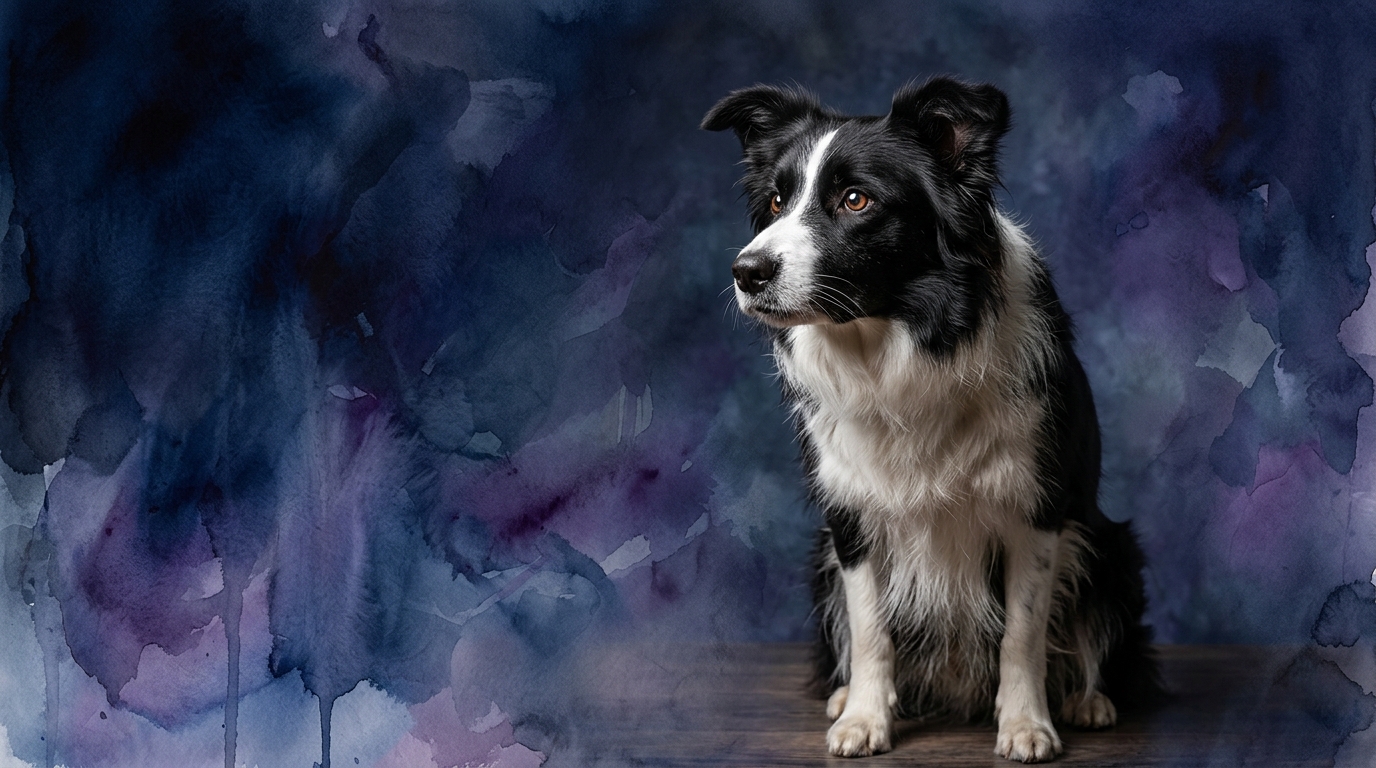
The Cosmic Pet Pet IQ Lab categorizes canine intelligence across five key dimensions, providing a nuanced view beyond simple ranking. For the Border Collie, often cited at Coren rank #1, its profile is a testament to extraordinary cognitive flexibility and drive for cooperation. Their Problem Solving is rated 5/5, indicating an exceptional capacity to analyze novel situations, strategize, and adapt to achieve desired outcomes, often in collaboration with a human. Training Speed is also 5/5, reflecting their rapid associational learning, eagerness to comply, and ability to generalize commands across contexts. Social Intelligence stands at 4/5, showcasing a profound understanding of human cues, intentions, and emotional states, which fuels their collaborative work ethic. Their Instinctive Drive is a powerful 5/5, channeled primarily into herding, an intricate dance of control and precision. Finally, Memory is 5/5, allowing them to retain vast repertoires of commands, routines, and complex sequences of tasks over extended periods.
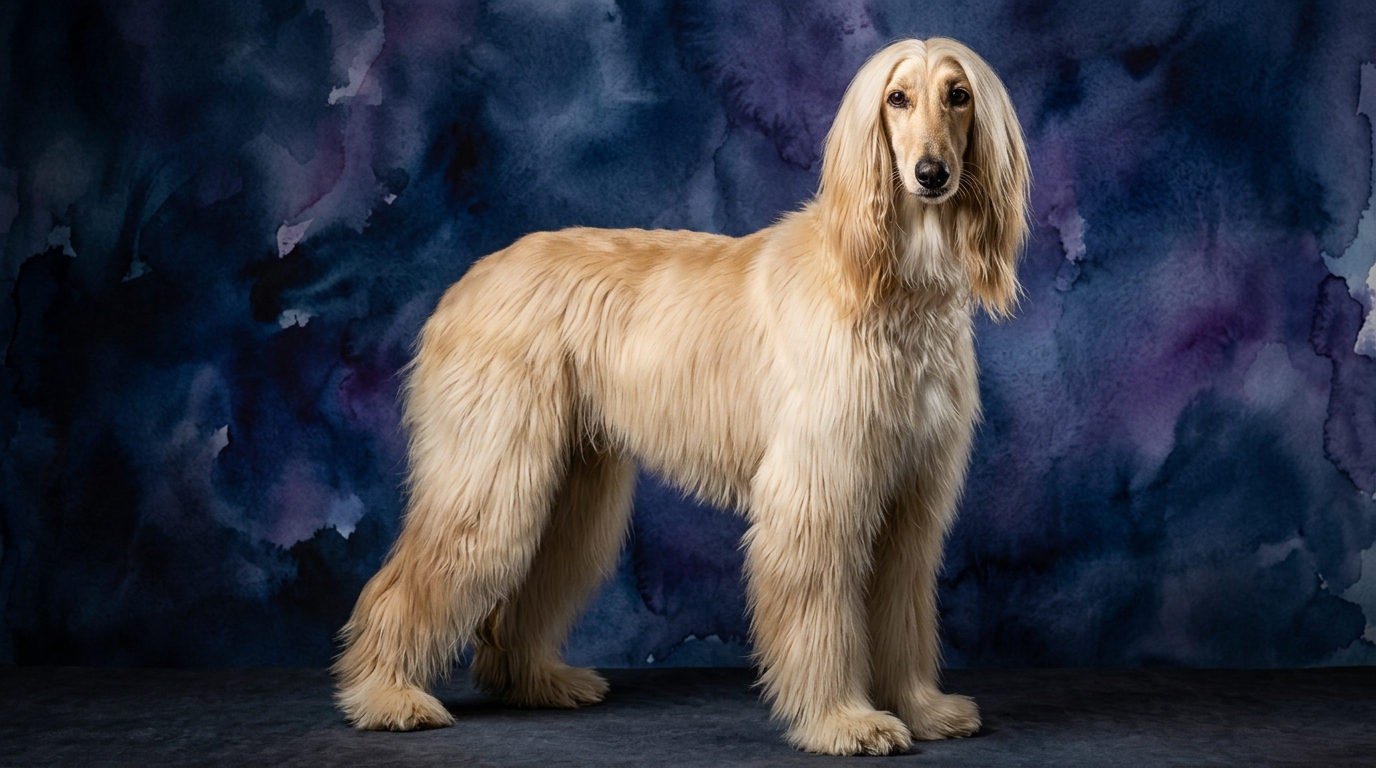
In stark contrast, the Afghan Hound, positioned at Coren rank #79, presents a cognitive profile built for independence and specialized sensory hunting. Its Problem Solving is rated 4/5, indicating a strong capacity to overcome obstacles and navigate complex environments, primarily for self-directed goals rather than human-assigned tasks. Training Speed, however, is 1/5, reflecting a deep-seated independence and a selective attention to human directives, often prioritizing their own sensory input and motivations. Social Intelligence is 2/5, meaning while they can form bonds, their cognitive processing is less geared towards interpreting subtle human social cues for task execution; they are not inherently driven by human approval in the same way. Their Instinctive Drive is a commanding 5/5, focused intensely on sight-hunting, requiring immense stamina and autonomous decision-making. Memory is 3/5, sufficient for recalling familiar territories, past encounters, and critical hunting information, but perhaps less for an extensive human-directed command vocabulary.
Where the Border Collie Excels Cognitively
The Border Collie’s cognitive strengths lie in its unparalleled capacity for collaborative problem-solving and rapid, intricate learning. Their 5/5 problem-solving isn't just about figuring things out; it's about figuring them out *with* a human, often anticipating human intentions. For instance, a Border Collie can learn complex multi-step tasks, like retrieving specific objects by name from a pile, or navigating an agility course based on subtle handler signals, demonstrating sophisticated executive function and working memory. Their exceptional social intelligence allows them to read subtle body language and vocal inflections, translating these into precise actions, which is pivotal in dynamic herding scenarios where a fraction of a second can change the outcome. This breed can generalize learned behaviors to new situations with remarkable ease, applying a previously learned 'stay' command in a noisy park just as effectively as in a quiet living room, showcasing robust cognitive transfer.
Where the Afghan Hound Excels Cognitively
While not excelling in human-centric cooperative tasks, the Afghan Hound possesses a distinct cognitive brilliance rooted in its ancient purpose. Their 5/5 instinctive drive is a profound cognitive strength, manifesting as an almost singular focus and determination in pursuit of prey by sight. This involves sophisticated visual tracking, rapid assessment of terrain, and autonomous decision-making—cognitive processes vital for a sighthound operating often far from its human companion. Their 4/5 problem-solving, though not always directed by humans, is highly effective in their domain; an Afghan Hound can independently navigate complex landscapes, find routes around obstacles, or strategize to cut off quarry during a chase. This requires significant spatial reasoning and adaptive thinking. Their lower social intelligence and training speed, rather than deficits, can be seen as components of a cognitive architecture designed for self-reliance and independent action, making them less prone to distraction by human directives when engaged in their primary, self-motivated tasks.
Ease of Training: A Tale of Two Mindsets
The disparity in Training Speed (Border Collie 5/5, Afghan Hound 1/5) directly reflects their fundamental behavioral differences and cognitive motivations. Border Collies are often described as having an innate desire to work and please their human partners. Their high social intelligence means they are constantly observing and interpreting human cues, and their rapid associational learning allows them to connect a command to an action and a reward almost instantly. This creates a positive feedback loop where learning is intrinsically rewarding, leading to quick mastery of complex commands and advanced behaviors. They thrive on mental engagement and structured tasks, making them highly responsive to training efforts.
The Afghan Hound, conversely, presents a unique training challenge due to its profound independence and self-directed nature. Their low training speed isn't a lack of ability to learn, but rather a lack of inherent motivation to perform for human approval or a treat when their own instincts are calling. They process information and make decisions based on their own sensory input and internal drives, which often supersedes human commands. This means training requires immense patience, creativity, and a deep understanding of their sighthound mentality, often relying on high-value rewards and making training feel like a suggestion rather than an imperative. They learn, but at their own pace and often on their own terms, making rapid, consistent obedience a rare achievement.
Matching Breeds to Lifestyles: Active vs. Relaxed Owners
The Border Collie is unequivocally suited for active owners who are prepared to provide extensive mental and physical stimulation. Their 5/5 instinctive drive and problem-solving capacities mean they require constant engagement; without a job, whether herding, agility, or complex puzzle-solving, they can become bored and develop destructive behaviors. Owners must be prepared for daily, vigorous exercise combined with structured training sessions that challenge their cognitive abilities, fostering their desire for collaborative work. They thrive in environments where they are partners in activities, making them ideal for individuals or families dedicated to dog sports, advanced obedience, or even working roles.
The Afghan Hound, while possessing a 5/5 instinctive drive, suits a different kind of active owner—one who appreciates their independence and provides ample space for self-directed physical activity. Their need for exercise is immense, often requiring large, securely fenced areas where they can run at full speed, indulging their sighthound instincts. However, their mental stimulation needs are less about human-directed tasks and more about environmental enrichment and allowing them to explore with their senses. A 'relaxed' owner for an Afghan Hound isn't someone who skips exercise, but rather someone who is relaxed about formal obedience and enjoys a companion whose cognitive life is often internally focused. They are best for owners who appreciate a dog's majestic presence and independent spirit, providing freedom for physical expression rather than constant mental challenges through training.
The Verdict
Choose the Border Collie if you are an engaged, active owner seeking a highly cooperative, cognitively flexible partner for complex tasks, dog sports, or a working role, thriving on deep collaboration and mutual understanding.
Opt for the Afghan Hound if you appreciate an independent, majestic companion with a profound sighthound drive, capable of autonomous action, and if you can provide extensive space for self-directed physical exercise without the expectation of rapid, precise obedience.
🧠 Find Your Pet's IQ Score
Our Pet IQ Lab assessment covers 25+ tests across 5 cognitive dimensions — personalized to your breed.
Take the Full IQ Test →Frequently Asked Questions
Does an Afghan Hound's low training speed mean it cannot learn anything?
Not at all; it means they learn differently and at their own pace, prioritizing their innate drives. Afghan Hounds can learn commands, but they often require more repetition, higher motivation, and a trainer who understands their independent nature, making training a patient, rewarding journey rather than a quick one.
Are Border Collies prone to anxiety if not mentally stimulated?
Yes, Border Collies possess such a high problem-solving capacity and instinctive drive that without adequate mental and physical stimulation, they can become anxious, bored, or develop unwanted behaviors. Their cognitive architecture demands a 'job' to feel fulfilled, making consistent engagement crucial for their well-being.
Can an Afghan Hound participate in dog sports like agility?
While their athleticism makes them physically capable, their independent nature and lower social intelligence for human-directed tasks mean they typically don't excel in sports requiring precise, rapid obedience like agility. Some may enjoy it, but it's often on their terms, and they are less likely to achieve the consistent, high-level performance seen in breeds like the Border Collie.