Side-by-Side Cognitive Profiles
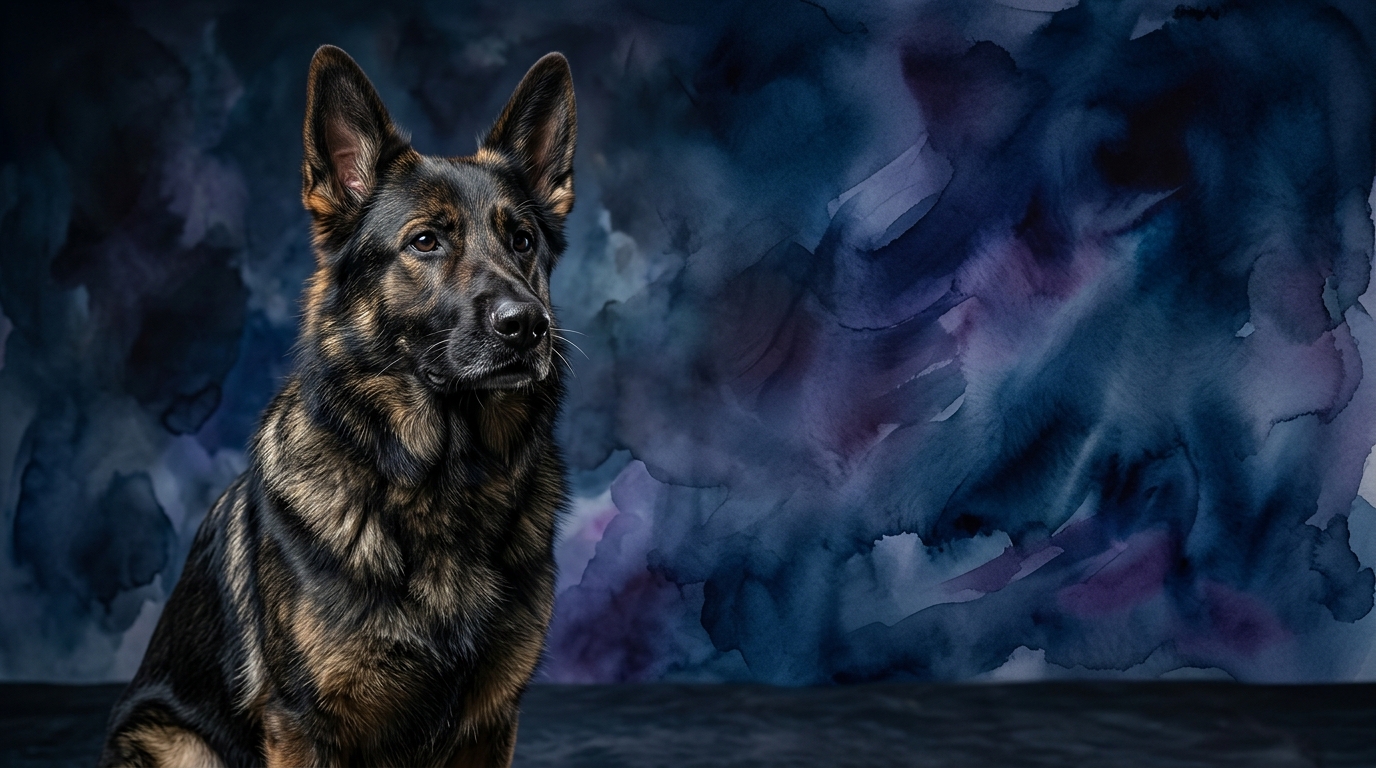
The Cosmic Pet Pet IQ Lab provides a detailed framework for understanding canine cognition across five crucial dimensions. For the German Shepherd, a Herding group member, the scores are consistently at the maximum: Problem Solving 5/5, Training Speed 5/5, Social Intelligence 5/5, Instinctive Drive 5/5, and Memory 5/5. This breed exhibits a cognitive makeup optimized for complex tasks, rapid learning, and close collaborative work with humans, alongside an inherent drive to perform.
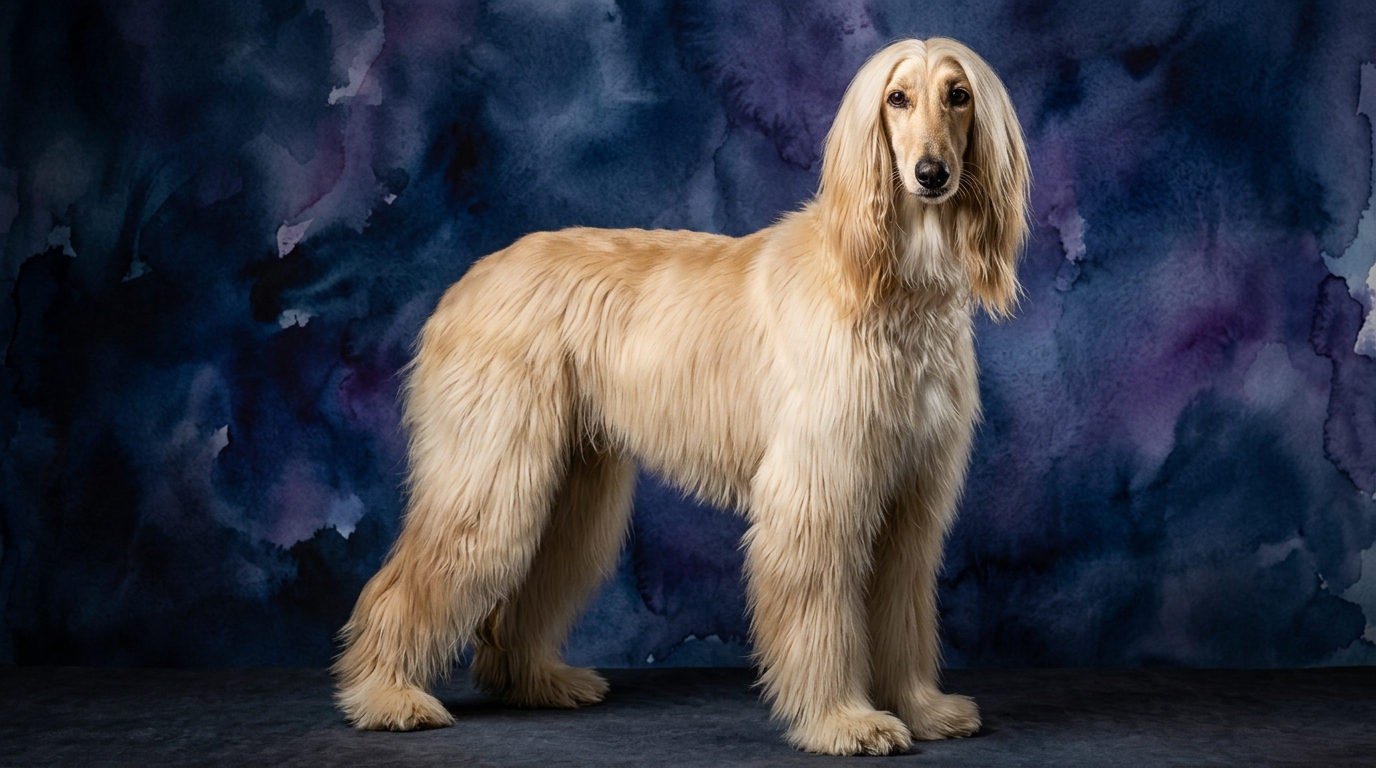
In contrast, the Afghan Hound, a member of the Hound group, presents a different cognitive landscape. While its Problem Solving is a respectable 4/5, its Training Speed is 1/5, and Social Intelligence stands at 2/5. Its Instinctive Drive mirrors the German Shepherd's at 5/5, but its Memory is rated 3/5. These scores paint a picture of a breed with strong independent problem-solving skills and potent instinct, yet a less pronounced inclination towards human-directed training or social engagement in the same way a German Shepherd exhibits.
Where the German Shepherd Excels Cognitively
The German Shepherd's cognitive strengths are evident across nearly every metric. Its 5/5 Problem Solving indicates an exceptional capacity to analyze novel situations and devise effective solutions, whether it's navigating complex obedience courses or understanding intricate multi-step commands. This is complemented by a 5/5 Training Speed, meaning new behaviors are absorbed and executed with remarkable alacrity. Their perfect 5/5 Social Intelligence underscores a profound understanding of human cues, intentions, and emotional states, making them highly responsive and attuned companions.
Furthermore, the German Shepherd's 5/5 Memory contributes significantly to its ability to retain vast repertoires of commands, routines, and experiences over time, forming a reliable foundation for consistent performance. Its 5/5 Instinctive Drive, deeply rooted in its herding origins, translates into a strong desire to work, protect, and engage in purposeful activities, channeling its cognitive prowess towards tangible outcomes. This combination of attributes positions the German Shepherd as a highly adaptable and capable canine partner in diverse roles.
Cognitive Strengths of the Afghan Hound
While often perceived differently, the Afghan Hound possesses distinct cognitive strengths, particularly in areas aligning with its sighthound heritage. Its 5/5 Instinctive Drive is a paramount feature, reflecting an unyielding impulse to pursue and react to visual stimuli with incredible speed and focus. This drive is a specialized form of intelligence, enabling rapid, independent decision-making in pursuit scenarios, where hesitation could mean failure.
The Afghan Hound’s 4/5 Problem Solving score, while not a perfect 5, still indicates a significant capacity for independent thought and effective navigation of challenges, especially those related to its primary instincts like finding the most efficient path during a chase or circumventing obstacles. This breed's cognition is less about collaborative problem-solving with humans and more about autonomous, efficient action based on its innate drives. Their cognitive profile prioritizes independent action and environmental awareness over a desire for human-directed tasks, which can be a strength for owners who appreciate a less handler-dependent companion.
Ease of Training: A Clear Distinction
The difference in training ease between these two breeds is stark and directly reflects their IQ Lab scores. The German Shepherd, with a 5/5 Training Speed and 5/5 Social Intelligence, learns new commands and routines with impressive speed and a clear desire to cooperate. They are eager to please and highly receptive to instruction, making them a consistently rewarding breed for training. Their strong memory (5/5) ensures that learned behaviors are retained effectively, fostering a sense of reliability and predictability in their responses.
Conversely, the Afghan Hound's 1/5 Training Speed and 2/5 Social Intelligence suggest a much greater challenge in traditional obedience training. This breed is not necessarily incapable of learning, but rather possesses a deeply independent nature and a lower intrinsic motivation to perform human-directed tasks. Their strong instinctive drive (5/5) often overrides the desire for social engagement or compliance. Training an Afghan Hound requires immense patience, understanding of their sighthound mentality, and often a creative approach that respects their independent spirit rather than trying to force compliance, referencing their natural inclination to follow their nose or eyes rather than a command.
Matching Breeds to Lifestyles
The German Shepherd is an ideal match for active owners who seek a canine partner deeply involved in their daily lives. Their robust cognitive profile thrives on mental stimulation, structured training, and engaging activities like obedience, agility, protection work, or even just complex puzzle toys. These dogs benefit from consistent guidance and a clear role within the family, flourishing when given purpose and opportunities to utilize their problem-solving and social intelligence. They are perfect for those who want a responsive, interactive companion.
The Afghan Hound, conversely, suits owners who appreciate a more independent and somewhat aloof companion. While they require significant physical exercise to satisfy their powerful instinctive drive, their cognitive needs are less about constant human-directed engagement and more about opportunities for independent exploration and occasional bursts of speed. Relaxed owners, in the sense of not needing a dog constantly at their side or demanding interaction, but still committed to providing daily outlets for their running instincts, will find the Afghan Hound a graceful and unique presence in their home. They are best for those who understand and respect a dog’s autonomous nature.
The Verdict
Choose the German Shepherd if you desire a highly trainable, responsive partner eager to engage in complex activities and form a deeply collaborative bond.
Choose the Afghan Hound if you appreciate an independent, elegant companion whose cognitive strengths lie in autonomous action and powerful instinctive drive, requiring consistent exercise but less intense human-directed interaction.
🧠 Find Your Pet's IQ Score
Our Pet IQ Lab assessment covers 25+ tests across 5 cognitive dimensions — personalized to your breed.
Take the Full IQ Test →Frequently Asked Questions
Does the Afghan Hound's lower training speed mean it cannot be trained?
No, a lower training speed indicates that the Afghan Hound learns at a slower pace and often requires more repetition and motivation than a breed like the German Shepherd. Training is possible but demands exceptional patience, consistency, and an understanding of their independent sighthound nature, often focusing on positive reinforcement and respecting their unique personality.
How does 'Instinctive Drive' differ between the two breeds if both are 5/5?
While both breeds score 5/5 for Instinctive Drive, the nature of that drive differs significantly based on their heritage. For the German Shepherd, it's a drive to herd, protect, and work collaboratively. For the Afghan Hound, it's an intense drive to chase and pursue visual stimuli, often independently, reflecting its sighthound origins. Both are powerful, but directed differently.
Can an Afghan Hound excel at dog sports despite its training speed score?
An Afghan Hound can certainly participate and even excel in certain dog sports, particularly those that align with their natural instincts like lure coursing, which directly taps into their powerful instinctive drive and speed. While traditional obedience or agility might be more challenging due to their lower training speed and social intelligence, their physical prowess and problem-solving abilities can shine in appropriate venues.