Side-by-Side Cognitive Profiles
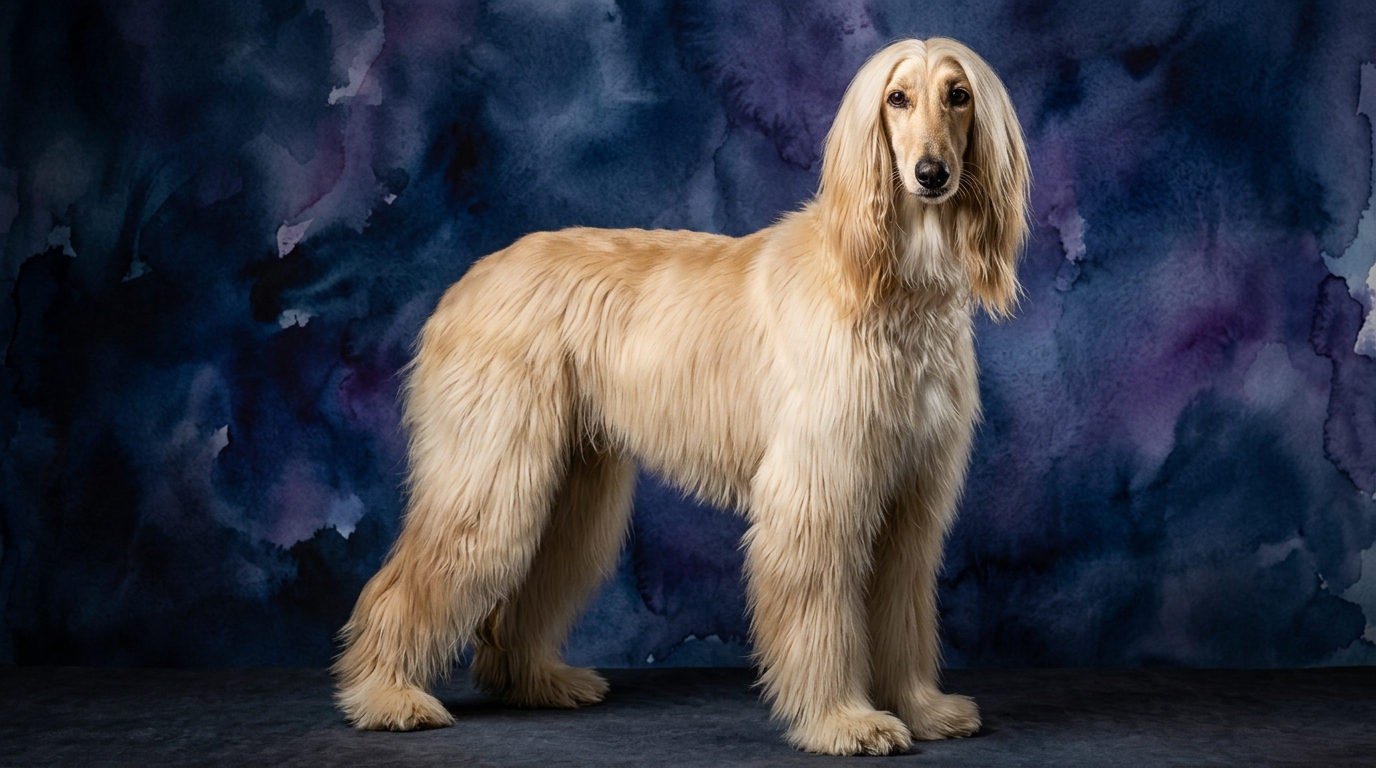
At The Cosmic Pet Pet IQ Lab, we evaluate canine cognition across five key dimensions. The Afghan Hound, a dignified Hound breed ranked #79 by Coren, presents a unique cognitive blueprint. Its Problem Solving ability scores 4/5, indicating a strong capacity for independent thought and devising solutions, particularly when pursuing a goal without direct human intervention. However, its Training Speed is 1/5, reflecting a significant challenge in quickly learning and consistently performing human-initiated commands. Social Intelligence sits at 2/5, suggesting a more reserved and less people-pleasing disposition, often preferring its own counsel. A powerful Instinctive Drive of 5/5 highlights its profound urge to chase and hunt, a core aspect of its being. Finally, its Memory is rated 3/5, sufficient for recalling trails and past experiences but not necessarily for complex sequences of learned behaviors.
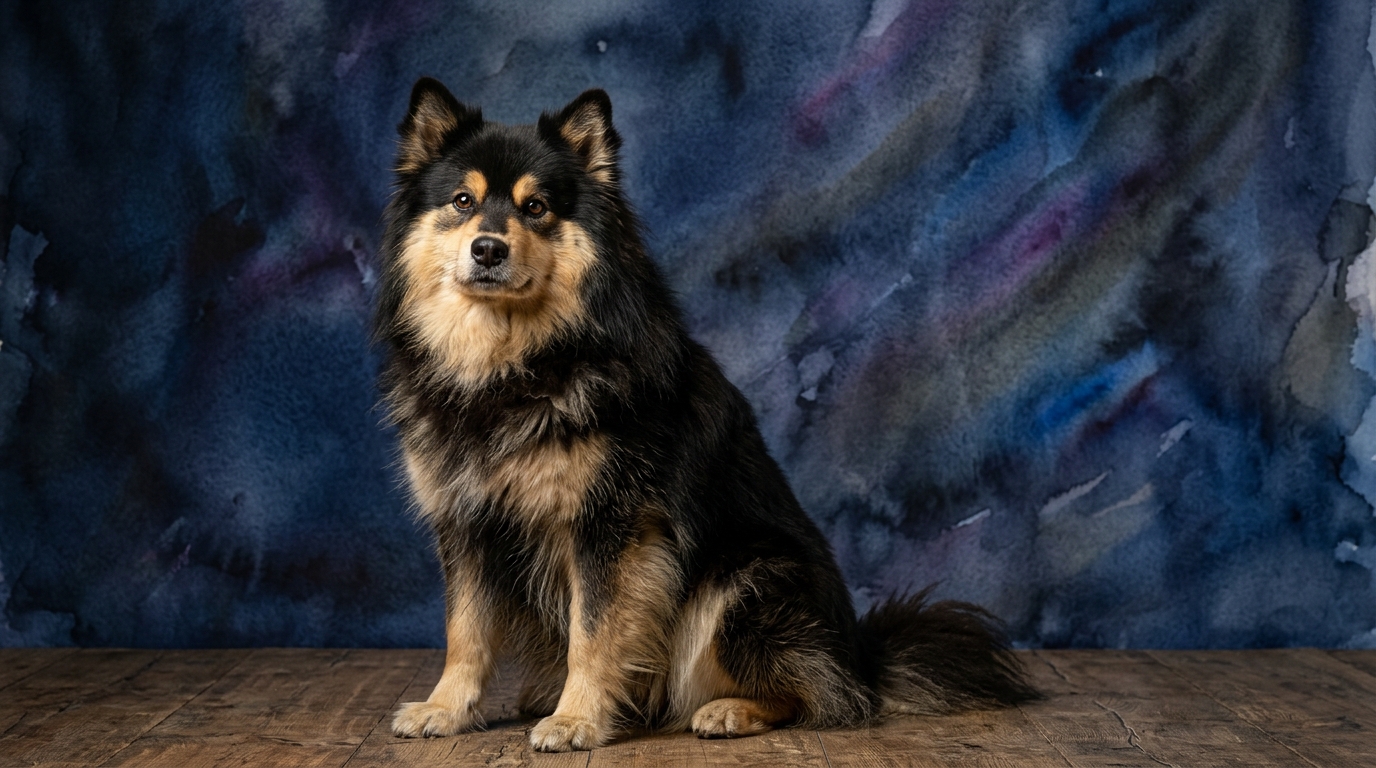
In contrast, the Finnish Lapphund, a Herding breed not ranked by Coren, offers a different set of cognitive strengths. Its Problem Solving is 3/5, indicating a competent ability to navigate challenges and find solutions, especially within familiar contexts or when managing livestock. With a Training Speed of 3/5, the Lapphund demonstrates a moderate pace for learning new commands, generally showing a willingness to engage with instruction. Its Social Intelligence is also 3/5, suggesting a balanced capacity for reading human cues and forming cooperative bonds. The Lapphund’s Instinctive Drive is 3/5, a moderate herding instinct focused on gathering and controlling rather than pursuing prey. Its Memory, like the Afghan Hound, is 3/5, adequate for remembering routines, boundaries, and learned tasks.
Where the Afghan Hound Excels Cognitively
The Afghan Hound’s cognitive strengths are deeply rooted in its heritage as a sighthound. Its 4/5 Problem Solving score shines in scenarios demanding independent thought and initiative, such as navigating complex, varied terrain during a chase or strategically cornering prey. This isn't about solving puzzle toys for a treat, but rather about sophisticated, real-time decision-making in dynamic environments where human input is minimal.
Furthermore, its unparalleled 5/5 Instinctive Drive for pursuit is a profound cognitive advantage in its original role. This drive isn't just physical speed; it’s a deep, unwavering focus and a complex internal program that allows them to process visual stimuli at high speeds, anticipate prey movements, and execute intricate chase patterns with remarkable precision and endurance. This intense, singular focus on a moving target represents a distinct cognitive specialization, demonstrating a powerful, unshakeable mental commitment to their primary instinct.
Where the Finnish Lapphund Excels Cognitively
The Finnish Lapphund’s cognitive advantages lie in its cooperative nature and adaptability, refined through generations of herding. Its 3/5 Training Speed indicates a more receptive mind for learning and retaining human-initiated instructions. This means they process new commands more readily and are generally more inclined to engage in structured learning, making them more pliable for various tasks and activities.
Equally important is its 3/5 Social Intelligence. This balanced capacity allows the Lapphund to more effectively interpret subtle human cues, body language, and vocal tones. This nuanced understanding fosters stronger communication and a deeper partnership, crucial for cooperative endeavors like herding or participating in canine sports where working in sync with their handler is paramount. They are more attuned to their human companions' intentions, facilitating smoother interactions and shared activities.
Trainability: A Tale of Two Temperaments
When it comes to ease of training, the Finnish Lapphund generally presents a more straightforward path. Their 3/5 Training Speed, coupled with a 3/5 Social Intelligence, means they are typically more eager to please and more responsive to instruction. They understand the concept of working with a human and are motivated by praise and rewards, making positive reinforcement highly effective. Their moderate 3/5 Instinctive Drive is also more manageable and can be channeled into productive activities like agility or obedience, rather than overriding commands.
The Afghan Hound, conversely, poses a significant training challenge. Its 1/5 Training Speed reflects an independent spirit that often views human commands as suggestions rather than directives. They are not inherently motivated by human approval (2/5 Social Intelligence) and can find repetitive training tedious. Their powerful 5/5 Instinctive Drive is a constant factor; a compelling scent or sight can instantly override any learned command, demanding exceptional patience, creative motivation, and consistency from their owner. Training an Afghan Hound requires understanding their unique, self-directed mind and finding ways to make learning intrinsically rewarding for them, often by tapping into their natural drives.
Matching Canine Minds to Lifestyles
For owners seeking an active lifestyle with a cooperative partner, the Finnish Lapphund is an excellent fit. They thrive on engaging in structured activities like hiking, agility, or obedience, where they can work alongside their human companions. Their desire for companionship and moderate energy means they are also content with daily walks and indoor play, making them adaptable to both active and somewhat more relaxed owners who still prioritize mental and physical engagement. They appreciate having a 'job' to do, even if it's just being a well-behaved family member.
The Afghan Hound, while requiring immense physical activity, suits a specific type of active owner who values an independent spirit and can manage a powerful prey drive. These dogs need significant outlets for their explosive speed and pursuit instinct, such as lure coursing, long gallops in secure areas, or extensive, exploratory walks. They are not content with casual strolls or solely indoor entertainment. Owners must appreciate their aloofness and self-sufficiency, understanding that a relaxed evening might mean the Afghan Hound prefers to observe from a distance rather than engage in constant cuddles. A truly relaxed owner might struggle to meet their deep-seated needs for freedom and vigorous exercise, potentially leading to frustration for both dog and human.
The Verdict
Choose the Afghan Hound if you admire profound independence and elegant athleticism, are prepared for a companion that thinks for itself, and can dedicate yourself to understanding and motivating a truly self-directed canine mind.
Opt for the Finnish Lapphund if you seek a cooperative, biddable companion capable of learning readily and engaging deeply in family life, offering a balanced blend of physical activity and affectionate partnership.
🧠 Find Your Pet's IQ Score
Our Pet IQ Lab assessment covers 25+ tests across 5 cognitive dimensions — personalized to your breed.
Take the Full IQ Test →Frequently Asked Questions
Is the Afghan Hound truly 'unintelligent' due to its low Coren rank?
No, the Coren rank primarily assesses obedience and working intelligence, which heavily relies on a dog's willingness to comply with human commands. The Afghan Hound's low rank reflects its independent nature and low training speed, not a lack of problem-solving ability or keen sensory perception relevant to its original purpose.
How does a Finnish Lapphund's herding drive manifest in a home environment?
A Finnish Lapphund's moderate herding drive might lead them to 'herd' family members, especially children, by gently nudging or circling them. This instinct can be channeled positively through structured games, training, or canine sports like herding trials, providing both mental and physical stimulation.
Can an Afghan Hound be trained for advanced obedience or sports?
While challenging, Afghan Hounds can achieve success in advanced obedience and sports like lure coursing, agility, or even therapy work. It requires immense patience, consistent positive reinforcement, and understanding their unique motivations, often relying on their instinctive drive rather than eager compliance.