Side-by-Side IQ Profile: Afghan Hound vs. Kooikerhondje
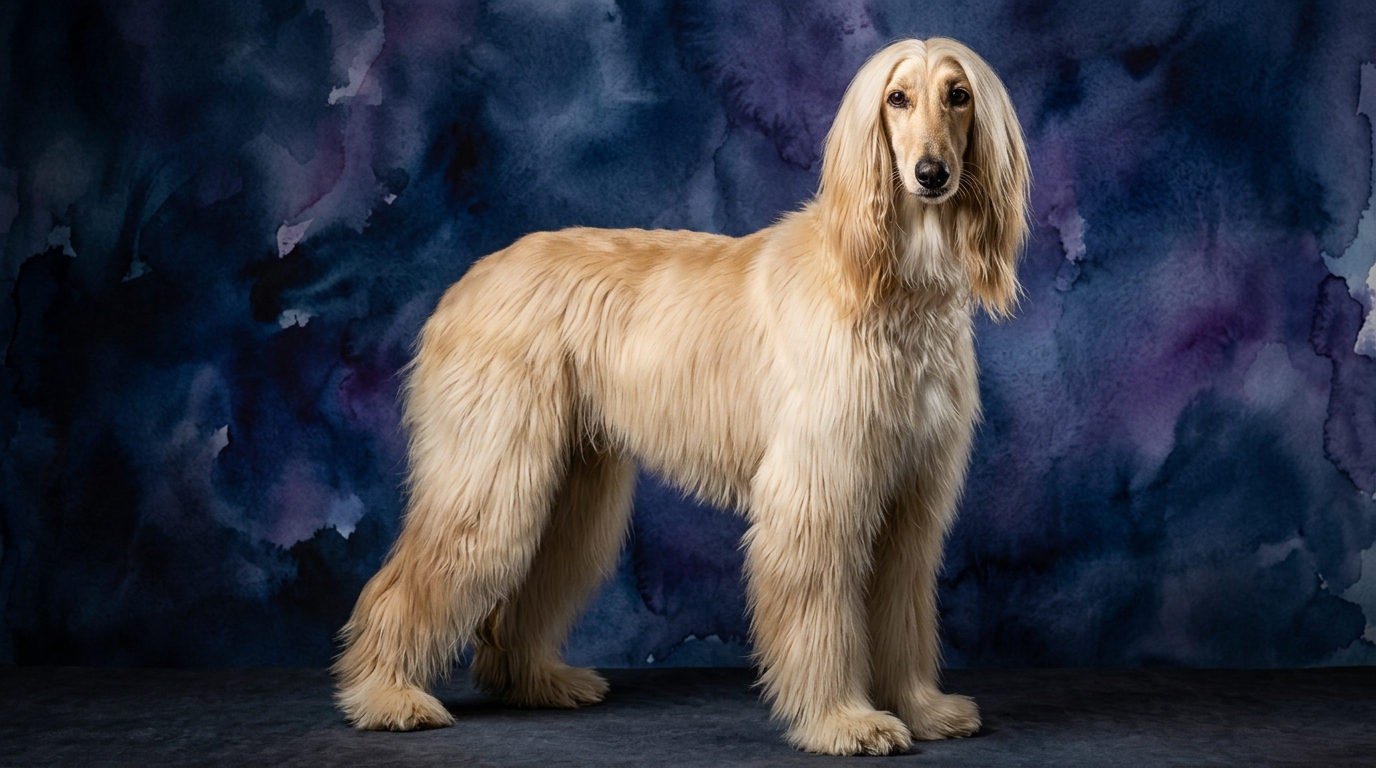
Understanding a breed's cognitive makeup requires examining specific dimensions, revealing strengths and challenges. The Afghan Hound, with its ancient lineage as a sighthound, presents a unique cognitive blueprint that prioritizes self-reliance and keen observation over eager cooperation. Their problem-solving ability scores a respectable 4/5, often employed to achieve their own objectives. However, their training speed is a challenging 1/5, indicating a strong independent streak that makes them slow to adopt new commands. Social intelligence is rated 2/5; they are reserved, forming deep bonds but often choosing their own counsel over constant human direction. Their instinctive drive, a powerful 5/5, is overwhelmingly geared towards spotting and chasing, a hardwired program that dominates their focus. Memory stands at 3/5, meaning they recall experiences and commands, but often weigh compliance against their current motivation.
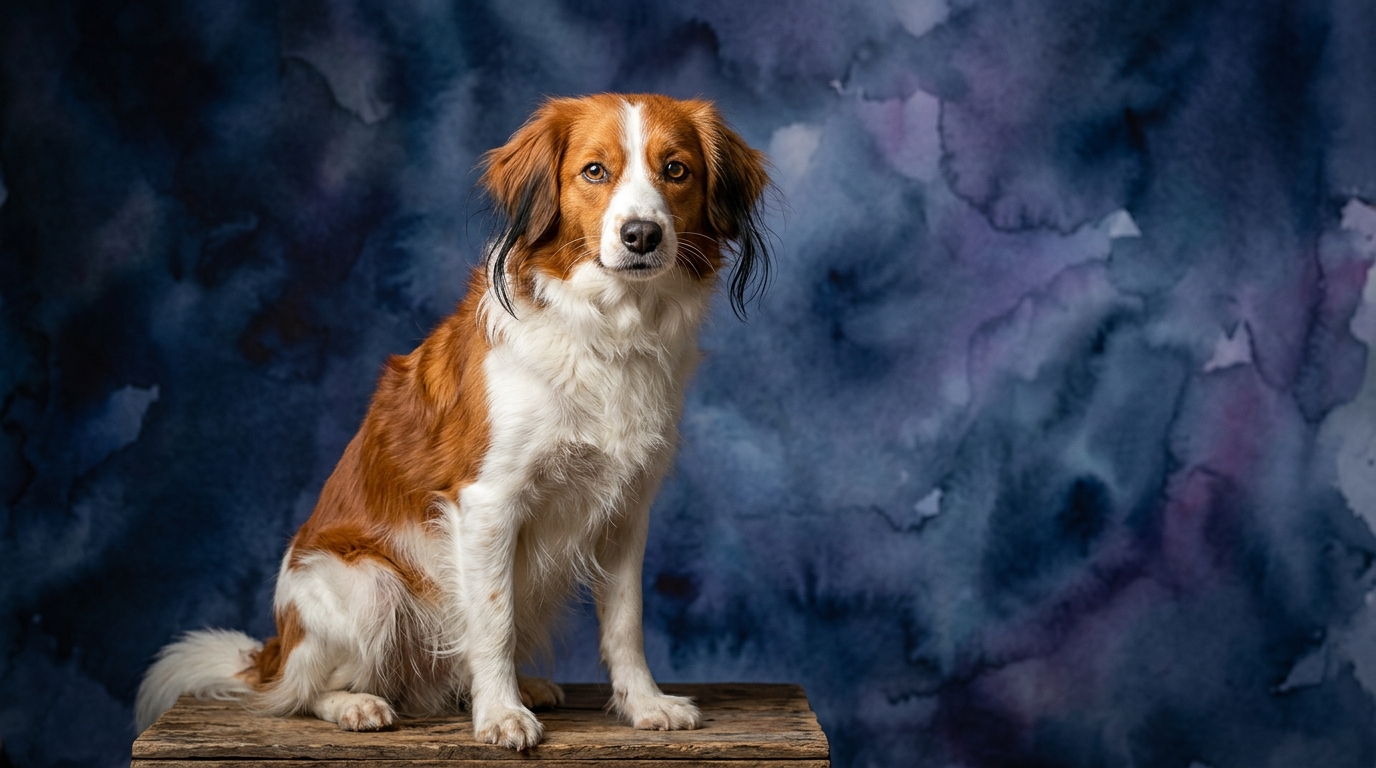
In contrast, the Kooikerhondje, a Dutch sporting dog originally bred for luring ducks, showcases a more cooperative and engaged cognitive profile. Their problem-solving scores 3/5, making them capable of navigating everyday challenges and understanding routines. Training speed is a moderate 3/5, reflecting a willingness to learn and respond to consistent positive reinforcement, making them more adaptable to various activities. Social intelligence also rates 3/5; they are attentive to their family's moods and cues, thriving on interaction and partnership. Their instinctive drive is 3/5, a balanced blend of retrieving and a moderate prey drive that can be channeled into focused activities like scent work or agility. Memory is a solid 3/5, ensuring they retain learned behaviors and associate outcomes with actions, facilitating ongoing training.
Where the Afghan Hound Excels Cognitively
The Afghan Hound's cognitive strengths lie in areas demanding independent thought and intense sensory focus, particularly in their original role. Their problem-solving ability, rated 4/5, allows them to independently assess situations and devise solutions, often with a clever, self-serving twist. For instance, an Afghan might methodically figure out how to open a gate or outsmart a puzzle toy not primarily to please, but to access a desired resource like an escape route or a treat. This isn't about following instructions; it's about applying their own logic. Furthermore, their instinctive drive, a perfect 5/5, represents an unparalleled cognitive specialization in visual tracking and pursuit. This drive is a complex interplay of rapid visual processing and target fixation, making them master hunters in open spaces. Their minds are wired to prioritize and execute this ancient task with breathtaking efficiency, often overriding other impulses.
Where the Kooikerhondje Excels Cognitively
The Kooikerhondje shines in areas demanding cooperative engagement and a desire to work alongside their human companions. Their moderate training speed of 3/5 significantly surpasses the Afghan Hound's 1/5, meaning they acquire new commands and routines with greater readiness and fewer repetitions. This reflects a cognitive openness to learning from humans and forming working partnerships. Their social intelligence, rated 3/5, is another key advantage; Kooikerhondjes are typically more attuned to human emotional states and intentions, making them responsive and interactive partners. They actively seek out social cues and feedback, fostering a more fluid communication channel with their owners. This combination of trainability and social awareness makes them adept at activities requiring teamwork, such as obedience, agility, or therapy work, where understanding and responding to subtle human signals are paramount.
Which is Easier to Train and Why
When considering ease of training, the Kooikerhondje distinctly holds the advantage, primarily due to their higher training speed and social intelligence. A Kooikerhondje typically approaches training as a collaborative effort, eager to engage with their handler and understand what is expected. Their moderate instinctive drive means they are generally less distracted by environmental stimuli, allowing for better focus. They respond well to positive reinforcement, quickly associating actions with rewards and retaining those lessons. In contrast, the Afghan Hound presents a substantial training challenge. Their 1/5 training speed is a direct reflection of their profound independence; they often perceive commands as suggestions rather than mandates. Their powerful 5/5 instinctive drive means that a squirrel or distant movement will almost always take precedence over a "sit." Training an Afghan requires immense patience, creative motivation, and an understanding that compliance is earned, not simply given, making it a far more demanding endeavor.
Which Suits Active Owners vs. Relaxed Owners
The choice between these two breeds also hinges on an owner's lifestyle and what they seek in a canine companion. The Afghan Hound, despite its independent nature, requires owners who are active enough to provide significant physical outlets for their intense energy and powerful sighthound drive. They need opportunities for long, safe runs in securely fenced areas where they can stretch their legs at full speed. However, in terms of daily mental engagement and demanding obedience training, they might suit an owner who is "relaxed" about precise command execution and happy to appreciate their dog's unique, often aloof, personality. They are not suited for owners seeking a highly biddable, constantly engaged companion.
The Kooikerhondje, conversely, thrives with active owners who enjoy consistent mental and physical engagement. While they don't require the same open-field bursts of speed as an Afghan, they need regular walks, opportunities for play, and consistent mental stimulation through training, puzzle toys, or dog sports. Their moderate instinctive drive and higher social intelligence make them excellent partners for activities like agility, rally obedience, or scent work. They are less suited for truly "relaxed" owners who prefer a dog that requires minimal interactive effort, as a Kooikerhondje can become bored or mischievous without adequate engagement.
The Verdict
Select an Afghan Hound if you admire independent, self-possessed companions and are prepared for a dog whose primary drive is visual hunting, requiring extensive physical exercise but not demanding constant cooperative mental engagement.
Opt for a Kooikerhondje if you desire an intelligent, biddable partner eager to engage in cooperative activities and training, thriving on consistent mental stimulation and shared adventures.
🧠 Find Your Pet's IQ Score
Our Pet IQ Lab assessment covers 25+ tests across 5 cognitive dimensions — personalized to your breed.
Take the Full IQ Test →Frequently Asked Questions
Does the Afghan Hound's low Coren ranking mean they are not intelligent?
Not at all; Coren's ranking primarily assesses "working and obedience intelligence," which measures a dog's willingness and speed to learn human-given commands. An Afghan Hound's problem-solving and instinctive drive are high, but their independence means they often choose not to comply with commands they deem irrelevant.
What specific activities best engage a Kooikerhondje's mind?
Kooikerhondjes benefit greatly from activities that tap into their natural retrieving and luring instincts, such as retrieving games, scent work, and puzzle toys. They also excel in dog sports like agility, rally obedience, and trick training, which provide both mental challenge and cooperative engagement.
Can an Afghan Hound be trained for advanced obedience or dog sports?
While possible, training an Afghan Hound for advanced obedience or dog sports requires exceptional patience, creativity, and a deep understanding of their sighthound nature. Success often comes from making training feel like their idea or using very high-value rewards, as their motivation is typically internal rather than a strong desire to please.