Side-by-Side Cognitive Profiles
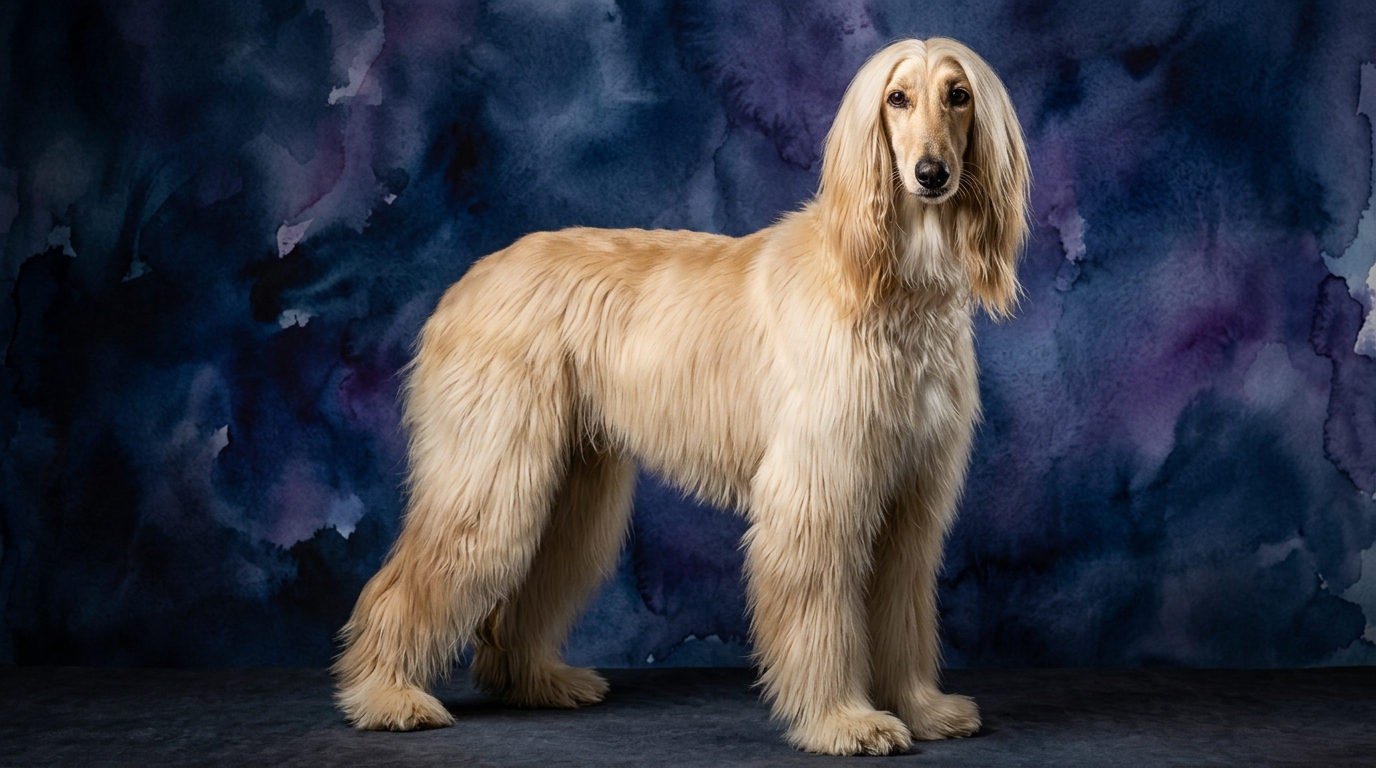
**Afghan Hound:** These elegant hounds possess a unique cognitive makeup. Their Problem Solving is rated 4/5, indicating a strong capacity for independent thought and devising creative solutions to achieve their own goals, often without human direction. Training Speed, however, stands at a low 1/5; their learning curve for new commands is notably gradual, demanding immense patience due to their profound independence. Social Intelligence is 2/5, meaning they tend towards aloofness and are less overtly focused on complex human social cues, interacting with a dignified reserve. Their Instinctive Drive is a powerful 5/5, a clear manifestation of their sighthound heritage with an intense prey drive and independent hunting instincts. Memory is 3/5, quite average, allowing them to recall routines but not demonstrating exceptional capacity for rapid associative memory, contributing to their slower training. With a Coren rank of #79, they are positioned in the lower tier of working intelligence, reflecting their self-reliant nature.
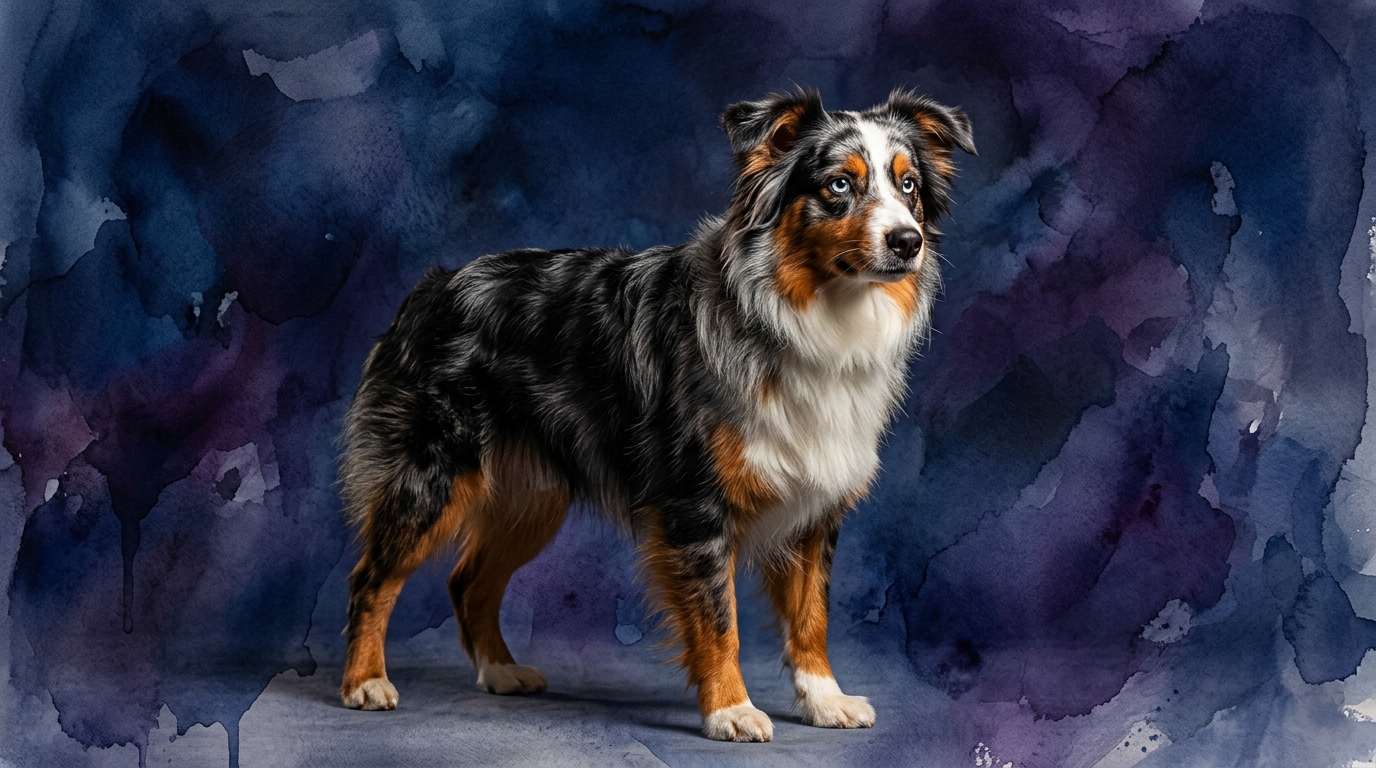
**Miniature American Shepherd:** This herding breed presents a more balanced and cooperative cognitive profile. Their Problem Solving is 3/5, indicating practical abilities to navigate obstacles and understand task sequences efficiently, often aligning with human expectations. Training Speed is 3/5, making them generally responsive and capable of picking up new commands within a reasonable timeframe, facilitated by their willingness to engage with handlers. Social Intelligence also scores 3/5; they are reasonably attuned to social dynamics, adept at interpreting body language and vocalizations to adjust their behavior. Instinctive Drive is 3/5, a moderate herding instinct that can manifest as an urge to gather, but is typically manageable and channelable into appropriate activities. Memory is 3/5, similar to the Afghan Hound, allowing them to retain learned commands and experiences adequately for consistent performance. While not Coren-ranked, herding breeds typically exhibit strong working intelligence due to their biddability and responsiveness, suggesting they would likely rank much higher than the Afghan Hound if formally evaluated.
Where the Afghan Hound Wins Cognitively
The Afghan Hound truly excels in its capacity for independent problem-solving, scoring a notable 4 out of 5, which is higher than the Miniature American Shepherd's 3 out of 5. This distinction means the Afghan Hound possesses a deeper aptitude for autonomous thought and execution, particularly when it comes to achieving self-motivated goals. For instance, an Afghan Hound might expertly devise a way to open a tricky gate or navigate a complex outdoor environment to pursue an interesting scent, relying solely on its own assessment and ingenuity rather than seeking human direction. Their strong instinctive drive (5/5) also means they are incredibly focused and persistent when their natural urges are engaged, demonstrating an intense, single-minded cognitive effort in pursuit of a perceived 'prey' or a distant scent, a level of primal cognitive engagement the Miniature American Shepherd's moderate drive (3/5) does not typically match. This profound drive fuels a specific type of problem-solving centered around survival and instinctual satisfaction, making them adept at tasks requiring independent initiative and sustained effort without continuous human input.
Where the Miniature American Shepherd Wins Cognitively
The Miniature American Shepherd demonstrates a more balanced and adaptable cognitive profile, particularly excelling in areas that foster harmonious human-canine partnership. Their training speed, rated 3 out of 5 compared to the Afghan Hound's 1 out of 5, immediately highlights a significant advantage; they learn new commands and routines with considerably greater ease and responsiveness. This isn't just about speed; it reflects a cognitive wiring that makes them more receptive to human instruction and more inclined to generalize learned behaviors across different contexts. Additionally, their social intelligence, at 3 out of 5 versus the Afghan Hound's 2 out of 5, indicates a superior ability to interpret and respond to human social cues, making them more empathetic and interactive companions. A Miniature American Shepherd is more likely to pick up on subtle changes in an owner's mood or intentions, adjusting their behavior accordingly, which is a cornerstone of effective communication and a hallmark of their herding heritage. This cognitive flexibility allows them to integrate new information from their environment and from human interaction more readily, making them highly suitable for varied activities and roles that require cooperative intelligence.
Which is Easier to Train and Why
Without question, the Miniature American Shepherd is considerably easier to train than the Afghan Hound, a difference rooted in their distinct cognitive profiles. The Miniature American Shepherd's training speed of 3/5 means they are receptive to human directives and absorb new information efficiently, often eager to please and responding well to positive reinforcement. Their moderate social intelligence (3/5) also ensures they are attentive to their handler's cues, making communication clear and effective. Conversely, the Afghan Hound's 1/5 training speed highlights a profound independence; they learn commands slowly, often prioritizing their own interests over compliance. Their lower social intelligence means less motivation from human approval, and their problem-solving (4/5) might be directed at circumventing rules rather than adhering to them. Training an Afghan Hound demands exceptional patience and creativity, accepting that absolute obedience may not be their primary focus, whereas the Miniature American Shepherd thrives on structured partnership and finds training a rewarding, relatively straightforward experience.
Which Suits Active Owners vs Relaxed Owners
For owners desiring an engaged, active partnership, the Miniature American Shepherd is the optimal choice. Their balanced cognitive profile and moderate instinctive drive (3/5) enable them to thrive in structured activities like agility, obedience, or long hikes, eager to learn and work alongside their human. Their social intelligence (3/5) makes them responsive companions who enjoy shared experiences and continuous engagement. The Afghan Hound, with its profound instinctive drive (5/5) and independent problem-solving (4/5), suits owners who appreciate a more self-directed companion and are prepared to manage a strong prey drive. While requiring substantial exercise, their activity often involves bursts of intense running or independent exploration, prioritizing a distant scent over a recall command. An owner who respects the Afghan Hound's majestic independence and provides ample, secure space for free exercise will appreciate this unique, sometimes challenging, companion.
The Verdict
Choose the Afghan Hound if you are an experienced owner who deeply appreciates a dog's independent spirit, unique problem-solving abilities, and are prepared for a deliberate training journey with a majestic, self-reliant companion. This breed thrives with owners who respect its strong instinctive drives and provide ample, secure space for independent exercise.
Opt for the Miniature American Shepherd if you seek a highly trainable, socially astute, and adaptable partner for an active lifestyle, eager to participate in various activities and form a close, cooperative bond. This breed is ideal for owners who value responsiveness and a balanced cognitive profile for shared adventures and consistent training.
🧠 Find Your Pet's IQ Score
Our Pet IQ Lab assessment covers 25+ tests across 5 cognitive dimensions — personalized to your breed.
Take the Full IQ Test →Frequently Asked Questions
Is the Afghan Hound truly difficult to train, or just independent?
The Afghan Hound's training speed of 1/5 indicates genuine difficulty in acquiring human-directed commands quickly. This isn't merely independence; it’s a distinct cognitive wiring where their own motivations and instincts often override a desire to comply, making training a slow and deliberate process requiring immense patience and creativity from the owner.
Does a Miniature American Shepherd need a lot of mental stimulation?
Yes, the Miniature American Shepherd's balanced cognitive profile and herding background mean they benefit significantly from mental stimulation. Activities like puzzle toys, obedience training, agility, or even learning new tricks will keep their problem-solving and social intelligence engaged, preventing boredom and potential behavioral issues.
How do their instinctive drives impact their daily lives?
The Afghan Hound's 5/5 instinctive drive means a powerful prey drive, necessitating secure leashes and fenced areas, as they will likely chase anything that moves. The Miniature American Shepherd's 3/5 herding drive can manifest as nipping at heels or trying to gather family members, but it is generally more manageable and can be channeled into appropriate play or sports, making their daily interactions more predictable.