Side-by-Side IQ Profile: Afghan Hound vs. Shiba Inu
At The Cosmic Pet Pet IQ Lab, we evaluate canine intelligence across five key dimensions. Understanding these specific scores helps us appreciate the nuanced cognitive strengths and challenges of each breed.
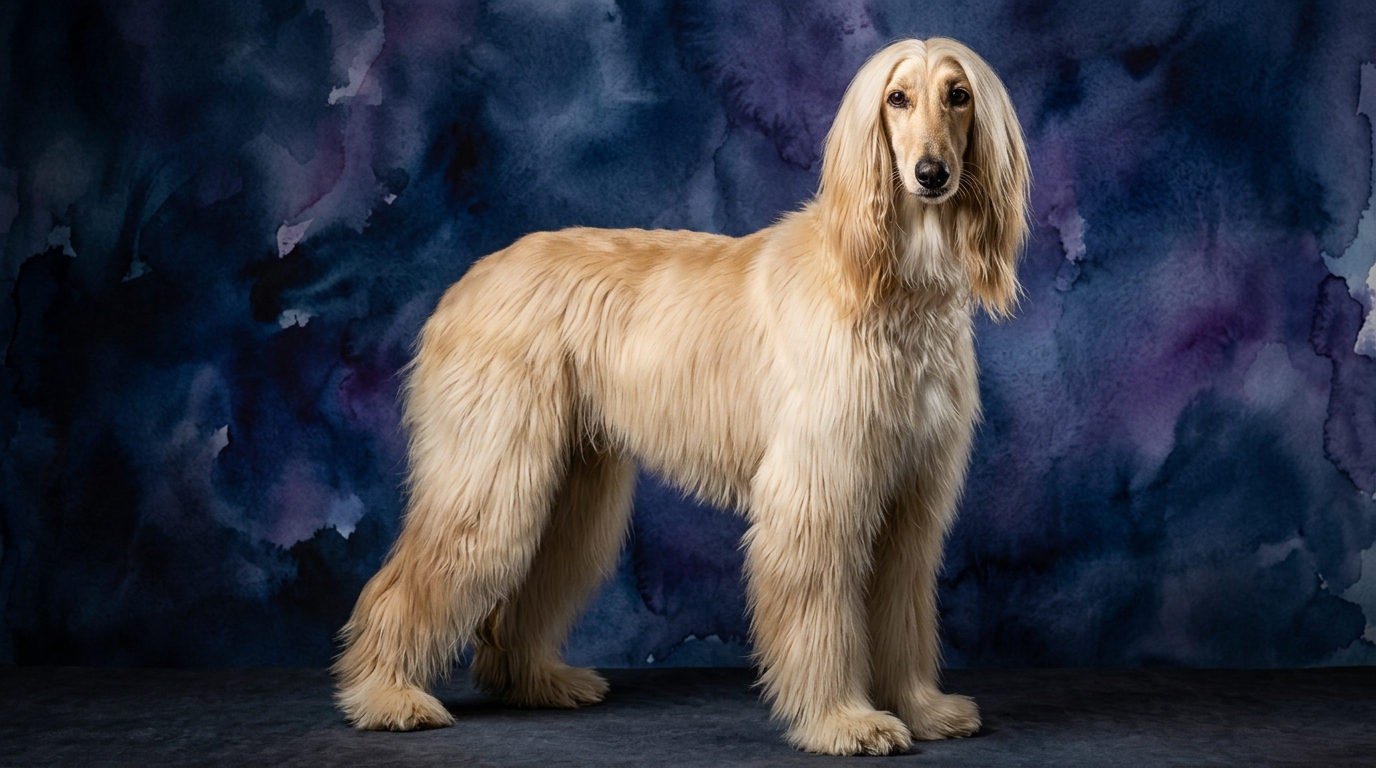
**Afghan Hound: A Cognitive Portrait**
**Problem Solving (4/5):** Afghan Hounds demonstrate a strong capacity for independent problem-solving. They can skillfully navigate complex environments to achieve their objectives, often bypassing obstacles in unexpected ways. This isn't always about pleasing an owner; rather, it’s about efficiently reaching a personal goal, whether that's escaping a yard or securing a coveted toy from a clever hiding spot.
**Training Speed (1/5):** This is a defining characteristic of the Afghan Hound's cognitive profile. Their learning curve for new commands is notably slow, requiring extensive repetition and exceptional patience. They often display a deep-seated independence, making them less inclined to perform tasks purely for human approval, preferring to engage only when a direct benefit or intrinsic motivation is present.
**Social Intelligence (2/5):** Afghan Hounds exhibit a lower social intelligence score, suggesting they are less attuned to subtle human emotional cues or complex group dynamics. While they form strong bonds with their families, their interactions tend to be more reserved and less overtly cooperative, often preferring to observe rather than actively participate in social games or obedience drills.
**Instinctive Drive (5/5):** Possessing an exceptionally high instinctive drive, the Afghan Hound is profoundly guided by its ancient sighthound heritage. Their powerful impulse to chase and pursue fast-moving objects, driven by keen sight, is a dominant force in their cognitive makeup. This instinct can powerfully override other considerations, making it a central aspect of their behavioral expression.
**Memory (3/5):** Afghan Hounds possess a moderate memory capacity. They can recall experiences, routines, and specific locations, but their recollection of specific, repetitive commands might be selective, especially if those commands lack inherent appeal or are not consistently reinforced with high-value rewards. Their memory serves their independent nature rather than strict compliance.
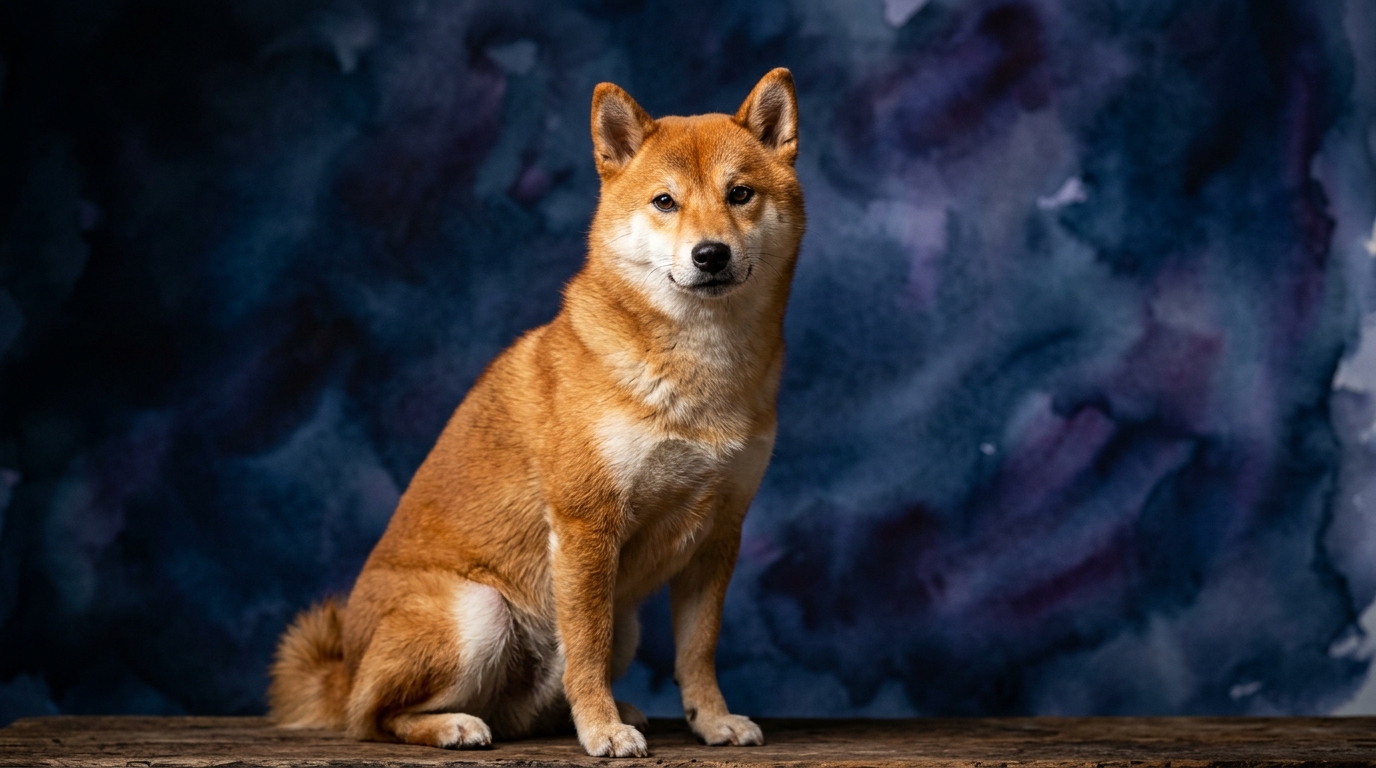
**Shiba Inu: An Independent Mind**
**Problem Solving (4/5):** Similar to the Afghan Hound, the Shiba Inu excels at problem-solving, often employing clever and sometimes mischievous strategies to achieve their desires. They are adept at figuring out how to open doors, access forbidden areas, or manipulate situations to their advantage, showcasing a sharp, self-directed intellect.
**Training Speed (2/5):** While an improvement over the Afghan Hound, the Shiba Inu's training speed remains on the lower end of the spectrum. They are capable of learning new commands, but their independent spirit and selective hearing require consistent, engaging, and highly motivating training methods. They learn quickly what benefits them, but less so what merely pleases an owner.
**Social Intelligence (3/5):** Shiba Inus score moderately in social intelligence, indicating a greater capacity to read human cues and engage in social interactions compared to the Afghan Hound. However, they maintain a distinctive aloofness, often described as “cat-like,” choosing when and how to interact rather than constantly seeking human attention or direction. They are observant of their environment and social dynamics.
**Instinctive Drive (5/5):** Like the Afghan Hound, the Shiba Inu possesses an extremely strong instinctive drive, rooted in their history as hunting dogs. Their prey drive is formidable, and they are highly motivated by the chase. This innate tendency impacts their focus, their reaction to small animals, and their need for secure environments, defining a core aspect of their cognitive priorities.
**Memory (4/5):** The Shiba Inu exhibits a robust memory, recalling past experiences, learned behaviors, and environmental details with considerable accuracy. This strong memory contributes to their ability to learn complex routines and remember specific training cues, even if their independent nature often leads them to “selectively forget” commands that don't align with their immediate interests.
Where the Afghan Hound Wins Cognitively
The Afghan Hound's cognitive strengths shine particularly in areas demanding pure, unadulterated instinct and independent thought. Their problem-solving ability, rated 4/5, is often deployed for self-serving purposes, such as devising intricate escape routes or finding hidden treasures, showcasing a cunning that prioritizes their own objectives over external direction. This deep-seated self-reliance means they are remarkably resourceful when left to their own devices, capable of making complex decisions without human intervention.
Furthermore, their unparalleled instinctive drive, a perfect 5/5, represents a cognitive specialization honed over centuries. This isn't merely a physical attribute; it's a profound mental focus and determination when pursuing a scent or visual target, allowing them to process environmental stimuli with an intensity unmatched by many breeds. This focused, ancient cognitive mechanism allows them to operate on a level of primal efficiency in their intended role as sighthounds.
Where the Shiba Inu Wins Cognitively
The Shiba Inu demonstrates a cognitive edge in areas related to learning retention and social attunement, albeit with their characteristic independent twist. Their training speed, while still modest at 2/5, indicates a slightly quicker grasp of new commands and concepts compared to the Afghan Hound, meaning they can acquire a repertoire of behaviors with more consistent effort. This marginally higher receptiveness makes structured learning a somewhat smoother, though still demanding, endeavor.
Their superior memory, scoring 4/5, allows them to retain learned information and recall past experiences with greater clarity. This means once a Shiba Inu understands a command or a routine, it is likely stored in their long-term memory, even if their independent will occasionally dictates non-compliance. Coupled with a higher social intelligence (3/5), they are more adept at observing and interpreting human behaviors, making them capable of subtle social navigation, even if they choose a more aloof interaction style.
Which is Easier to Train and Why
Comparing training ease, the Shiba Inu presents a slightly less formidable challenge than the Afghan Hound, though neither is considered a beginner's breed. The Shiba Inu's training speed of 2/5 and social intelligence of 3/5 mean they are marginally more receptive to human guidance and quicker to grasp new concepts. They often pick up cues faster and can be motivated by engaging, positive reinforcement methods, even if their independent streak means they will weigh the benefits of compliance against their own desires. Behavioral differences include their ability to retain information more effectively (memory 4/5), meaning once they learn a command, it's generally stored, even if they sometimes choose to ignore it.
The Afghan Hound, with its exceptionally low training speed of 1/5 and social intelligence of 2/5, represents a significant undertaking. They are less inclined to perform for human approval and often require immense patience, creativity, and high-value rewards to motivate even basic obedience. Their deep-seated independence means they process commands through a “what's in it for me?” filter, and their powerful instinctive drive (5/5) can easily override any learned behaviors if a compelling sight or scent appears. Training an Afghan Hound is more about building a respectful partnership and understanding their sighthound nature than expecting eager compliance.
Which Suits Active Owners vs. Relaxed Owners
Neither the Afghan Hound nor the Shiba Inu is suited for truly relaxed owners, as both breeds possess an identical, powerful instinctive drive of 5/5, signifying a high need for physical and mental engagement. Active owners are essential for both, though the nature of that activity can differ.
The Afghan Hound thrives with owners who are active in a way that respects their sighthound heritage. This means providing regular opportunities for vigorous running in secure, fenced areas where they can stretch their legs and satisfy their chase instinct without risk. While they enjoy luxurious lounging periods, their independent nature means owners must be mentally active in managing their strong prey drive and unique training requirements. They are not dogs that will constantly demand interaction, but their physical needs are non-negotiable for their well-being.
The Shiba Inu also requires active owners ready to provide consistent physical exercise and mental stimulation. Their agility and adventurous spirit mean they benefit from varied activities like hiking, structured play, and puzzle toys that challenge their problem-solving skills. While they are adaptable, a Shiba Inu deprived of sufficient outlets for their energy and keen mind can become bored and destructive. Their slightly higher social intelligence might make them more inclined to participate in structured owner-led activities, but their independence ensures they won't be overly clingy during downtime.
The Verdict
Choose the Afghan Hound for owners who deeply appreciate a regal, independent companion with a profound sighthound spirit, are prepared for extensive, patient training challenges, and can provide ample secure space for their innate need to run and explore.
Choose the Shiba Inu for owners seeking a spirited, independent, and agile companion, who value a slightly more responsive (yet still challenging) training experience, and are committed to providing consistent mental and physical stimulation for a dog with a keen, self-directed mind.
🧠 Find Your Pet's IQ Score
Our Pet IQ Lab assessment covers 25+ tests across 5 cognitive dimensions — personalized to your breed.
Take the Full IQ Test →Frequently Asked Questions
Are Afghan Hounds untrainable?
No, but their training speed is very low (1/5), meaning they require exceptional patience, consistent positive reinforcement, and a deep understanding of their independent, sighthound nature. They often learn best when tasks align with their natural drives rather than simply seeking owner approval.
Why is the Shiba Inu not Coren-ranked?
Stanley Coren's ranking system primarily focused on working obedience and adaptive intelligence, often derived from breeds traditionally used for cooperative tasks. Many ancient breeds like the Shiba Inu, bred for specific independent tasks such as hunting without direct human oversight, were not included or did not fit the specific criteria of his methodology.
Do both breeds require a lot of exercise?
Yes, both Afghan Hounds and Shiba Inus score 5/5 on instinctive drive, indicating a high inherent need for physical activity and mental stimulation. They thrive with regular opportunities to run, explore, and engage their senses in safe, secure environments to prevent boredom and destructive behaviors.