Side-by-Side Cognitive Profiles
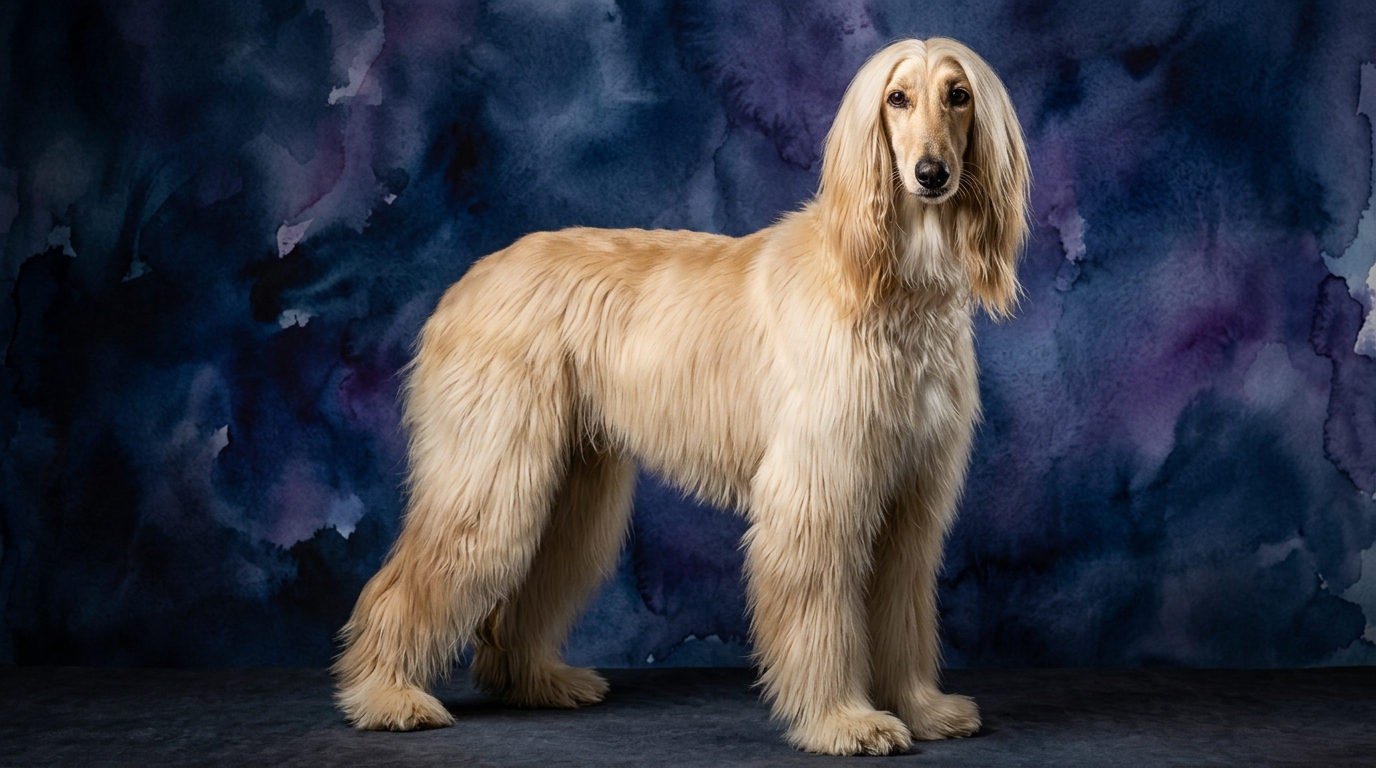
The Afghan Hound, a sighthound of ancient lineage, presents a cognitive profile shaped by centuries of independent hunting. Our Cosmic Pet Pet IQ Lab data ranks their problem-solving ability at a robust 4/5, indicating a strong capacity for independent thought and strategic action in pursuit of a goal. However, their training speed is notably low at 1/5, reflecting a breed less inclined towards rote obedience. Social intelligence for the Afghan Hound sits at 2/5, suggesting a more reserved and less people-pleasing disposition, while their instinctive drive is exceptionally high at 5/5, fueling their powerful prey drive and need for vigorous exercise. Their memory is assessed at 3/5, capable of retaining information relevant to their independent pursuits. This breed's Coren rank of #79 places them in the category of dogs that require more repetitions to learn new commands.
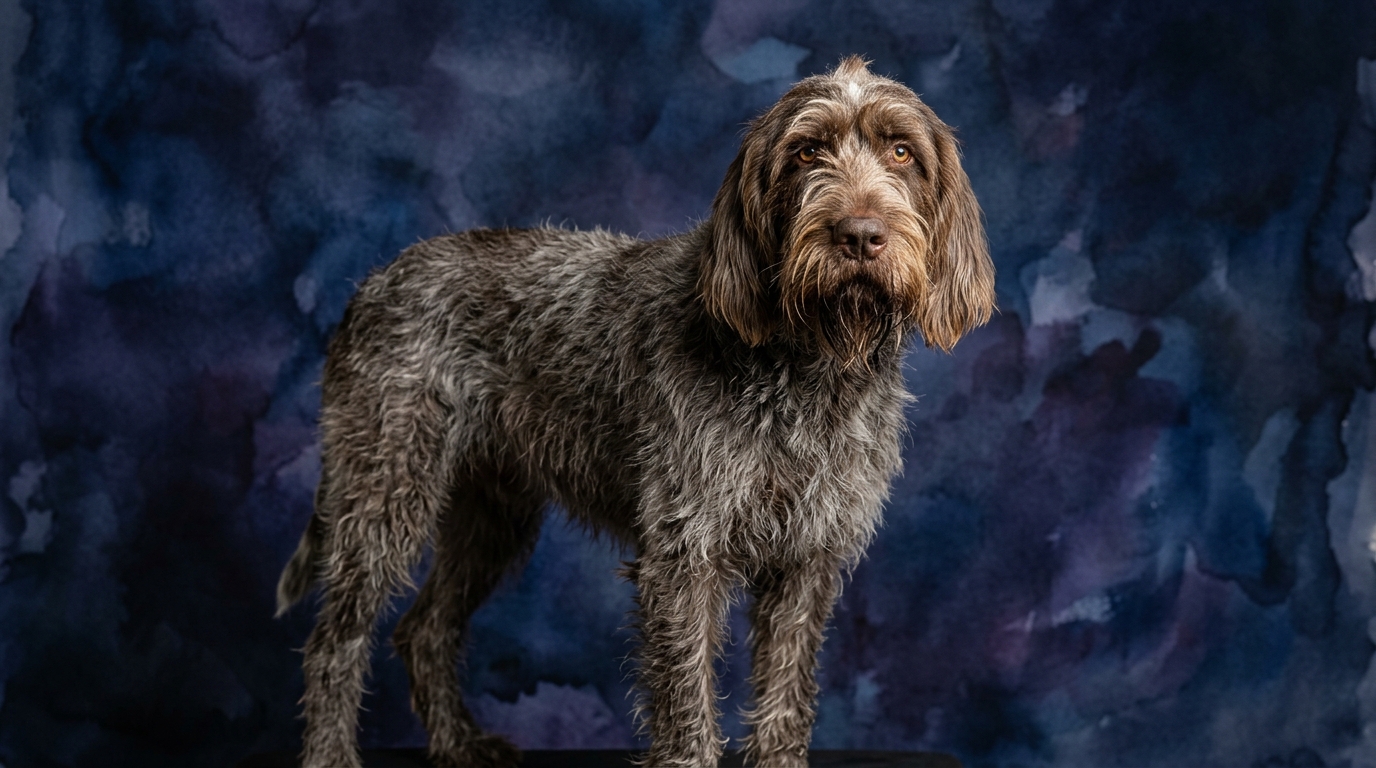
In contrast, the Spinone Italiano, a versatile sporting dog from Italy, exhibits a more balanced and cooperative cognitive blueprint. While not included in Coren's ranking, our IQ Lab data shows a problem-solving score of 3/5, indicating competence but perhaps less independent ingenuity than the Afghan. Their training speed is a moderate 3/5, suggesting a willingness to learn and a responsiveness to instruction. Social intelligence is also rated at 3/5, pointing to a dog that enjoys interaction and connection with its human companions. The Spinone's instinctive drive is 3/5, present but more manageable and directed towards cooperative hunting tasks rather than independent pursuit. Their memory, like the Afghan, is rated at 3/5, sufficient for learning and recalling various tasks and routines.
Where the Afghan Hound Excels Cognitively
The Afghan Hound's cognitive strengths primarily lie in their exceptional problem-solving capabilities, rated at 4/5. This isn't about solving puzzles designed by humans, but rather navigating complex environments to achieve their own objectives, such as spotting prey at a distance and devising a strategy for its capture. Their highly developed visual acuity and ability to make swift, independent decisions in the field are hallmarks of this trait. For instance, an Afghan Hound might quickly assess the best route to chase a perceived 'prey' object across varied terrain, demonstrating a rapid cognitive mapping and decision-making process rooted in their sighthound heritage. This independence, while challenging for obedience, is a powerful cognitive asset for their original purpose.
Furthermore, their instinctive drive, a perfect 5/5, is a profound cognitive advantage when channeled appropriately. This intense internal motivation means they are self-starters when it comes to activities that tap into their natural instincts, such as lure coursing or free running in a secure area. They don't need constant human prompting to engage; their drive is intrinsic. This deep-seated instinctual intelligence allows them to excel in activities that mimic their ancestral hunting behaviors, showing a profound understanding and application of their genetic blueprint for survival and pursuit.
Where the Spinone Italiano Excels Cognitively
The Spinone Italiano shines in areas requiring a balance of intelligence and sociability, particularly their training speed and social intelligence, both rated at 3/5. Unlike the Afghan Hound, the Spinone demonstrates a greater eagerness to engage with human instruction and a quicker understanding of what is being asked of them. This means they are more receptive to learning new commands and routines, making them adaptable companions in various settings. Their social intelligence allows them to pick up on human cues and emotions, fostering a stronger bond and a more harmonious living arrangement. This cooperative spirit is a significant cognitive advantage for a breed intended to work closely with hunters.
Their balanced instinctive drive of 3/5, combined with their moderate problem-solving (3/5) and memory (3/5), means they are capable of complex tasks within a cooperative framework. A Spinone can efficiently track game, retrieve, and point, all while maintaining communication with their handler. They possess the mental acuity to understand multi-step commands and adapt their behavior based on handler feedback, a distinct cognitive strength for a sporting breed. Their cooperative nature allows them to apply their problem-solving skills to tasks that benefit both themselves and their human partners, rather than solely pursuing independent goals.
Ease of Training: Afghan Hound vs. Spinone Italiano
When it comes to ease of training, the Spinone Italiano clearly holds an advantage over the Afghan Hound. The Spinone's training speed of 3/5 and social intelligence of 3/5 mean they are generally more responsive to traditional training methods. They are more likely to seek to understand and please their owner, making the learning process a collaborative effort. A Spinone will typically pick up basic commands like 'sit' or 'stay' with fewer repetitions and a more positive attitude, motivated by praise and connection with their handler. Their inherent desire to work alongside humans makes them a receptive student.
The Afghan Hound, with a training speed of just 1/5 and social intelligence of 2/5, presents a significant training challenge. Their independence is not a lack of intelligence, but rather a different kind of intelligence; they are not inherently motivated to perform tasks simply because a human asks. Training an Afghan Hound requires immense patience, creativity, and a deep understanding of their sighthound nature. Owners must make training fun, engaging, and always positive, often framing commands as suggestions or games rather than strict orders. They will comply if they see a benefit or if it aligns with their own inclinations, but rarely out of a strong desire to please, making consistency and high-value rewards absolutely critical.
Matching Breeds to Lifestyles: Active vs. Relaxed Owners
For owners seeking a highly active companion who thrives on intense, independent physical exertion, the Afghan Hound is a compelling choice. Their instinctive drive of 5/5 demands extensive opportunities for running at full speed in secure, expansive areas. These are not dogs content with short leash walks; they require regular, vigorous exercise that allows them to stretch their powerful legs and engage their keen sighthound instincts. While they can be calm indoors once their exercise needs are met, their cognitive profile suggests they need mental stimulation that caters to their independent problem-solving nature, perhaps through lure coursing or challenging scent games. A truly 'relaxed' owner who prefers minimal engagement in physical activities would find the Afghan Hound a demanding companion, potentially leading to boredom and destructive behaviors.
The Spinone Italiano, while also an active sporting breed, offers a different kind of companionship that suits active owners who desire a more cooperative partner. Their moderate instinctive drive (3/5) means they require regular exercise, but they often prefer to engage in activities alongside their human companions, such as hiking, jogging, or participating in dog sports like agility or obedience. Their higher social intelligence (3/5) makes them more amenable to training for these activities and more integrated into family life. Owners who enjoy outdoor adventures and want a dog that actively participates and learns with them will find the Spinone a rewarding match. They are less suited for truly relaxed, sedentary lifestyles due to their sporting heritage, but their cooperative nature makes their activity needs easier to manage within a family context compared to the independent Afghan.
The Verdict
Choose the Afghan Hound if you appreciate profound independence, are prepared for a unique training journey, and can provide ample opportunities for their intense instinctive drive and independent problem-solving, even if it means less traditional obedience.
Opt for the Spinone Italiano if you seek a cooperative, biddable companion for active pursuits, value strong social bonds, and prefer a dog that learns readily and integrates smoothly into a family-oriented, engaging lifestyle.
🧠 Find Your Pet's IQ Score
Our Pet IQ Lab assessment covers 25+ tests across 5 cognitive dimensions — personalized to your breed.
Take the Full IQ Test →Frequently Asked Questions
Is the Afghan Hound difficult to train due to a lack of intelligence?
No, the Afghan Hound's training challenges stem from their independent sighthound intelligence and low desire to please, not a lack of cognitive ability. They excel at independent problem-solving and instinctive tasks, but their training speed for human-directed obedience is very low, requiring specific, patient, and highly motivating approaches.
Are Spinone Italianos good family dogs?
Yes, Spinone Italianos generally make excellent family dogs due to their moderate social intelligence and cooperative nature. They enjoy being part of family activities and are typically gentle, patient, and good with children, provided their exercise and mental stimulation needs are met. Their biddable temperament makes them more adaptable to various household dynamics.
Which breed requires more exercise?
Both breeds require substantial exercise, but for different reasons. The Afghan Hound's instinctive drive (5/5) demands frequent, high-speed running in secure areas to satisfy their sighthound instincts. The Spinone Italiano (instinctive drive 3/5) also needs regular, moderate to vigorous activity, often preferring to engage in cooperative outdoor pursuits with their owners.