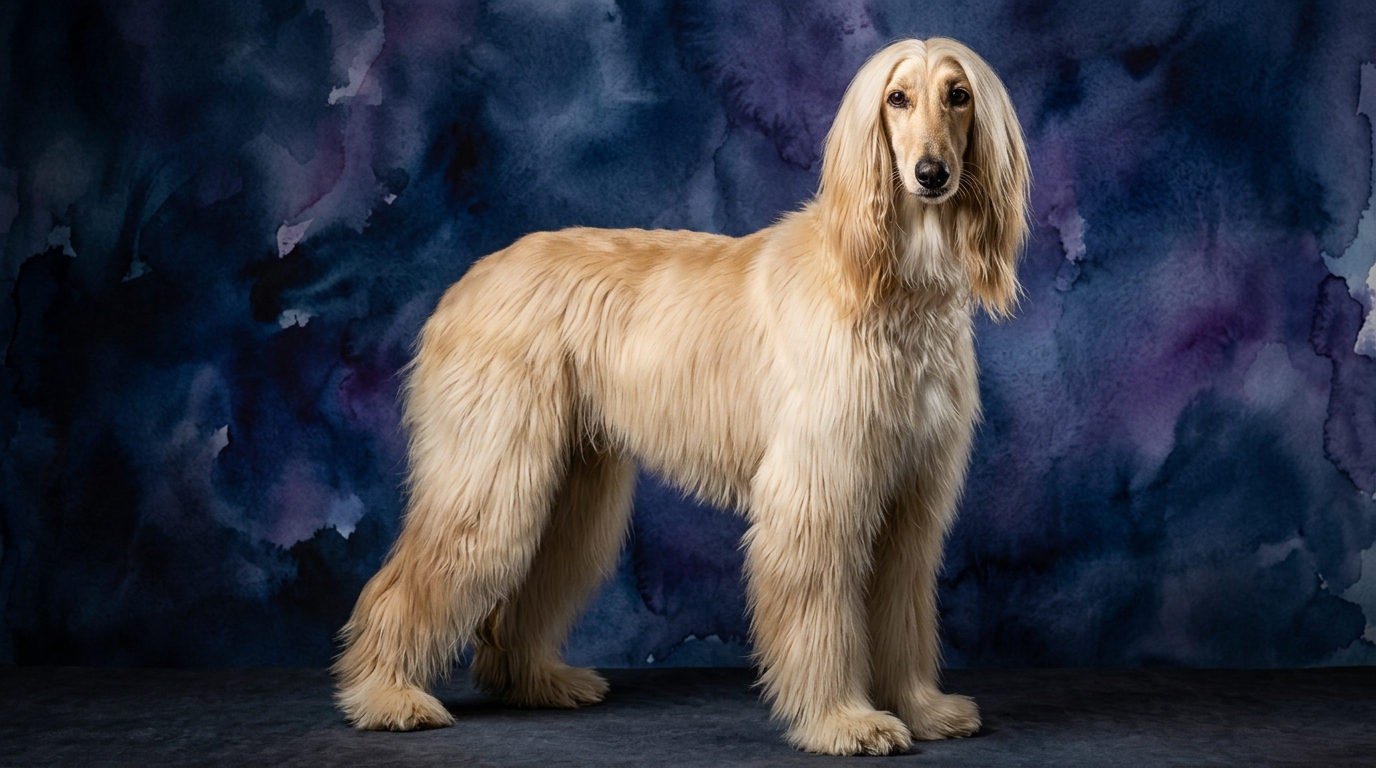
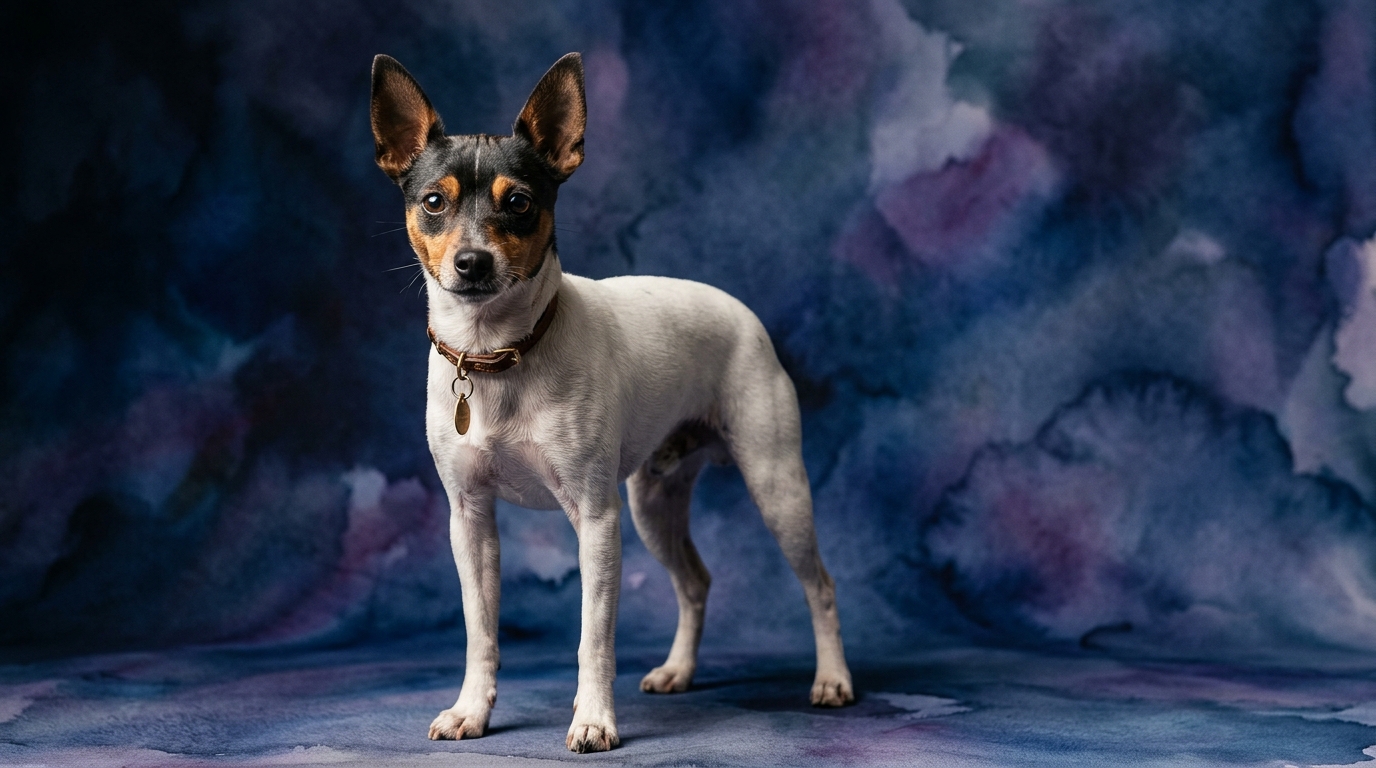
Side-by-Side IQ Profile: Afghan Hound vs. Toy Fox Terrier
**Afghan Hound:** Coren rank #79. Their cognitive makeup is deeply tied to their historical role as sighthounds, demanding independence and instinct.
**Problem Solving 4/5:** Demonstrates significant capacity for independent thought and finding solutions, particularly in scenarios related to their instinctive drives like pursuing prey across challenging terrain; they adeptly navigate complex environments.
**Training Speed 1/5:** Learning new commands or routines is a slow process, often due to a strong independent streak and disinterest in human-imposed tasks misaligned with their natural inclinations.
**Social Intelligence 2/5:** Interactions tend to be reserved and selective; they may not always be attuned to subtle human cues or eager for constant engagement, preferring dignified distance.
**Instinctive Drive 5/5:** An exceptionally high drive for chasing and hunting by sight; this powerful innate motivation dictates much of their behavior and cognitive focus.
**Memory 3/5:** Functional memory allows recall of routines and past experiences, though perhaps less focused on specific commands if not consistently reinforced or intrinsically rewarding.
**Toy Fox Terrier:** Not Coren-ranked. This breed's intelligence reflects their role as versatile companions and pest controllers, valuing engagement and adaptability.
**Problem Solving 3/5:** Possesses moderate ability to figure out solutions to challenges, often employing cleverness and persistence, especially when motivated by curiosity or a desired outcome.
**Training Speed 3/5:** Shows commendable capacity for learning new commands at an average pace; generally attentive and willing to engage in training, especially with positive reinforcement.
**Social Intelligence 3/5:** Exhibits balanced social awareness, capable of understanding and responding to human emotions and social cues; they enjoy interaction and can be quite expressive.
**Instinctive Drive 3/5:** A moderated level of terrier pluck and prey drive, manifesting in spirited play and keen interest in surroundings, not as specialized as working breeds.
**Memory 3/5:** Memory allows retention of learned behaviors and recognition of people and places effectively, aiding their trainability and ability to form lasting associations.
Where the Afghan Hound Wins Cognitively
The Afghan Hound's cognitive strengths shine brightest in independent action and sustained focus on a primary objective. Their problem-solving score of 4/5 reflects their capacity for navigating complex scenarios, particularly when engaged in tasks tapping into their profound instinctive drive. When tracking or visually pursuing, they impressively assess terrain, anticipate movement, and overcome obstacles without direct human instruction.
Their high instinctive drive (5/5) acts as a powerful cognitive engine, fueling intense concentration on a goal and rapid, autonomous decision-making. They excel at self-reliant tasks demanding environmental cue interpretation to achieve specific outcomes, mirroring their historical hunting role.
Where the Toy Fox Terrier Wins Cognitively
The Toy Fox Terrier's cognitive advantages stem from their adaptability and responsiveness within a domestic setting. Their balanced training speed and social intelligence (both 3/5) indicate greater willingness and capacity to engage with human directives and social structures. Unlike the more independent Afghan Hound, the Toy Fox Terrier is often more attuned to human companionship and eager to participate in cooperative learning.
This facilitates smoother communication during training. Their moderate problem-solving skills (3/5) often apply to immediate household challenges, like gaining attention or accessing a favorite spot, demonstrating cleverness focused on their immediate environment.
Which is Easier to Train and Why
The Toy Fox Terrier holds a clear advantage in ease of training. Their training speed (3/5) reflects a willingness to learn and respond, often motivated by positive reinforcement and a desire to interact. Their social intelligence (3/5) means they are generally more attuned to human expectations and cues, making communication during training more effective. They are typically eager to please, finding satisfaction in cooperative tasks, which translates to quicker acquisition of new behaviors and a more enjoyable training experience.
In stark contrast, the Afghan Hound’s training speed is a notably low 1/5, not from a lack of understanding, but from profound independence and strong instinctive drive overriding compliance. Their historical role as sighthounds fostered a temperament valuing self-direction over obedience. Training an Afghan Hound demands immense patience, consistency, and making training intrinsically rewarding, often by linking it to their natural drives. They may understand commands perfectly but opt not to execute them if a more engaging alternative exists.
Which Suits Active Owners vs. Relaxed Owners
The choice between these breeds significantly hinges on an owner’s lifestyle. The Afghan Hound, with its 5/5 instinctive drive and 4/5 problem-solving, suits highly active owners providing ample physical exertion and mental engagement aligned with their sighthound nature. This means long, vigorous runs in secure areas or lure coursing. A relaxed owner might find an Afghan Hound challenging, as unmet drive can lead to frustration and independent, potentially destructive behaviors. They thrive with owners who understand their need for freedom and purposeful activity.
The Toy Fox Terrier is generally more adaptable to various owner activity levels. Their moderate instinctive drive (3/5) means they enjoy daily walks, playtime, and mental stimulation, but don't demand the same intensity as an Afghan Hound. Their higher social intelligence and trainability make them content with structured interactive play and companionship. They suit owners who enjoy regular, but not extreme, physical activity and value a responsive, engaging companion for indoor and outdoor adventures.
The Verdict
For owners seeking a canine companion who thinks independently, thrives on physical challenges, and requires dedication to understanding a profound sighthound instinct, the Afghan Hound is an unparalleled choice.
Conversely, if you desire a responsive, engaging, and highly trainable partner who enjoys cooperative activities and fits seamlessly into a moderately active household, the Toy Fox Terrier will prove to be a delightful companion.
🧠 Find Your Pet's IQ Score
Our Pet IQ Lab assessment covers 25+ tests across 5 cognitive dimensions — personalized to your breed.
Take the Full IQ Test →Frequently Asked Questions
Do Afghan Hounds understand commands but choose to ignore them?
Yes, Afghan Hounds often comprehend commands but possess a strong independent streak and powerful instinctive drive that can lead them to prioritize their own interests over handler directives. Their low training speed is more about motivation and focus than an inability to learn.
Is a Toy Fox Terrier a good choice for first-time dog owners?
A Toy Fox Terrier can be a good choice for attentive first-time dog owners due to their moderate trainability and social intelligence, making them generally easier to teach and integrate into a household. Consistent positive reinforcement and early socialization are still crucial.
How do their problem-solving skills differ in practical situations?
An Afghan Hound's problem-solving might manifest as finding the most efficient path to pursue prey across a field, while a Toy Fox Terrier's might involve figuring out how to manipulate a puzzle toy or open a cabinet. The context and motivation for their problem-solving differ significantly.